 Bildon Steel
Bildon Steel
Bildon Steel
Explore our state-of-the-art prefabricated and unitized structural glazing systems, tailored for Buenos Aires high-rises and regional Argentine commercial developments.
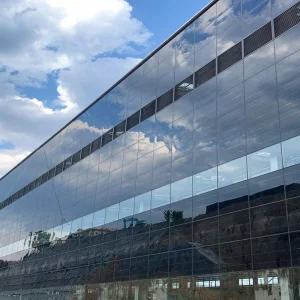
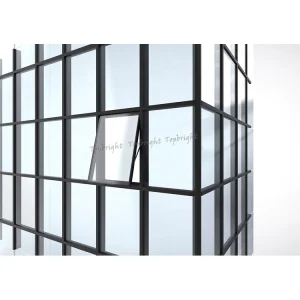

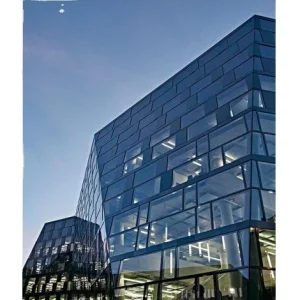
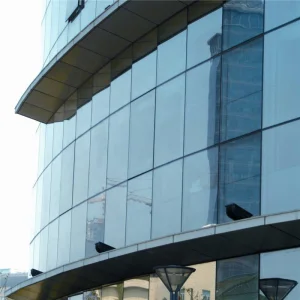
Argentina’s urban centers—led by Buenos Aires, Córdoba, Rosario, and Mendoza—are undergoing a massive transformation. Modern corporate spaces, luxury residential high-rises, and eco-friendly government initiatives are demanding envelope systems that offer high speed of construction, superior thermal insulation, and strict acoustic dampening. Historically, stick curtain wall systems dominated the market. However, due to rising labor costs, structural safety requirements in seismic zones, and the need for tight schedules, the architectural community has decisively shifted toward Unitized Glass Curtain Walls.
The geography of Argentina spans diverse climate bands—ranging from the humid subtropical plains of Buenos Aires to the arid Andean regions of Mendoza, and down to the subpolar cold zones of Patagonia. Building envelopes must be engineered specifically to address these variations. In Buenos Aires, control of solar heat gain (SHGC) is critical during hot summers, while high thermal resistance (U-factor) is mandatory to prevent thermal loss during cold winter spells. Unitized systems containing double glazed units (DGU) or triple glazed units (TGU) with Low-E coatings are essential for structures seeking LEED certification in the country.
International development firms operating in South America require complete supply chain transparency. Developers cannot afford delays due to manufacturing defects or customs discrepancies. In response to this, global procurement teams are seeking integrated partners capable of handling design validation, ISO-certified fabrication, and secure marine shipping. Shandong Bildon Steel Co., Ltd. satisfies these requirements by bridging the gap between state-of-the-art Chinese production lines and strict Argentine building sites.
Any structural glass facade imported into Argentina must strictly satisfy local building safety regulations and thermal guidelines.
The Argentine Center of Structural Safety Engineers (CIRSOC) dictates calculations for wind loads on building envelopes. Our structural profiles and transoms are engineered to withstand the extreme wind pressures of coastal regions and Rio de la Plata currents, reaching values up to 4.5 kPa without deformation.
This Argentinian standard defines performance criteria for thermal transmittance, air permeability, and water tightness. Our double glazed unitized systems utilize continuous EPDM gaskets and thermal breaks to exceed IRAM Class A water tightness, ensuring zero leaks under harsh driving rain.
For projects in western Argentina (such as Mendoza, San Juan, and Salta), seismic compliance is mandatory. Our interlocking unitized stack joints are engineered to absorb inter-story horizontal drifts and building movements without causing glass damage or silicone sealant stress.
| Performance Parameter | Test Standard Reference | Bildon System Capabilities | Argentina Market Target Requirement |
|---|---|---|---|
| Structural Wind Load | ASTM E330 / CIRSOC 102 | Design pressure up to 4500 Pa (Custom engineered) | 1500 Pa to 3000 Pa depending on altitude |
| Water Infiltration | ASTM E331 / IRAM 11507 | Static pressure test at 720 Pa: Zero Leakage | Minimally 300 Pa for coastal high-rises |
| Air Infiltration | ASTM E283 / IRAM 11507 | ≤ 0.1 L/s·m² at 75 Pa | ≤ 0.5 L/s·m² at 75 Pa |
| Thermal Transmittance (U-factor) | ISO 10077 / IRAM 11900 | U-value down to 1.3 W/m²K (with Argon DGU) | ≤ 2.0 W/m²K for commercial energy ratings |
| Acoustic Attenuation (STC) | ASTM E90 / IRAM 4063 | Acoustic drop up to 42 dB (with laminated glass) | ≥ 35 dB for congested city zones |
Shandong Bildon Steel Co., Ltd. is a globally recognized integrated service provider in the structural steel and high-end facade engineering sectors. Our expertise covers architectural design, component fabrication, intelligent manufacturing, and technical project management. With independent export licensing and structural certifications, we specialize in delivering robust envelope solutions to projects across South America, Australia, the UAE, and the USA.
We maintain and operate according to internationally certified management systems: ISO9001 Quality Management System, ISO45001 Occupational Health and Safety Management System, and ISO14001 Environmental Management System. This ensures that every component leaving our fabrication floors—whether a heavy structural column or an architectural glass unitized panel—undergoes thorough quality tracking.
Our facility features comprehensive Non-Destructive Testing (NDT), structural silicon bonding quality checks, and dimensional tolerances verified within ±0.5 mm using automated laser sensors. This precision is vital for unitized systems, where minor variations can compromise the integrity of the rainscreen gasket system.
Connect with an Estimating EngineerExplore our production lines, equipped with computerized machining centers, automated welding setups, and testing facilities.
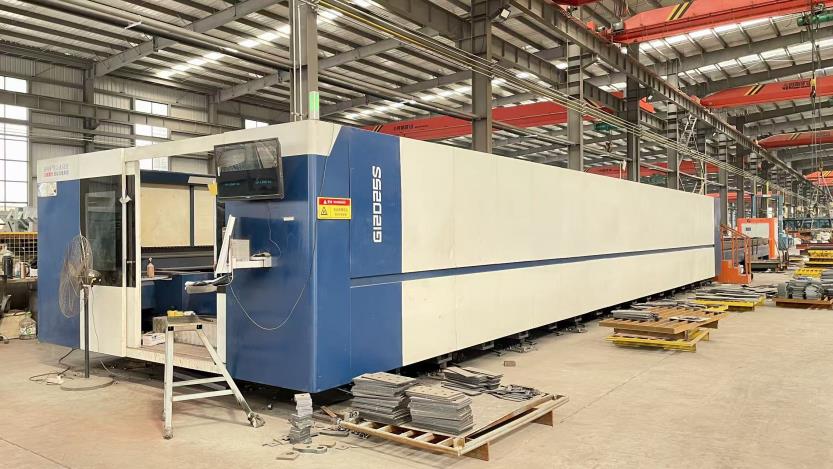
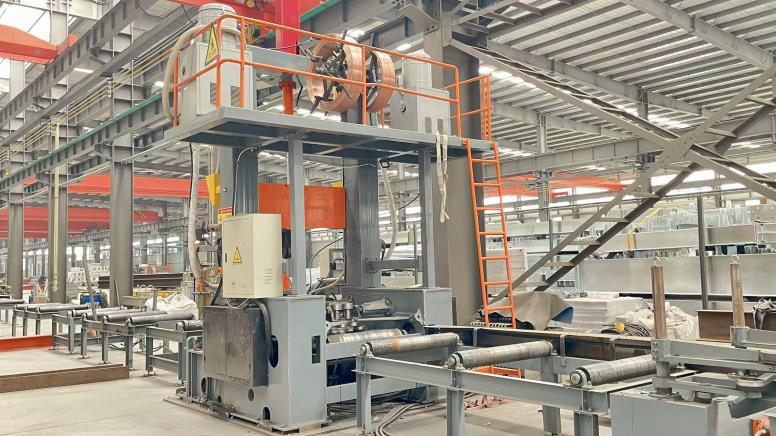
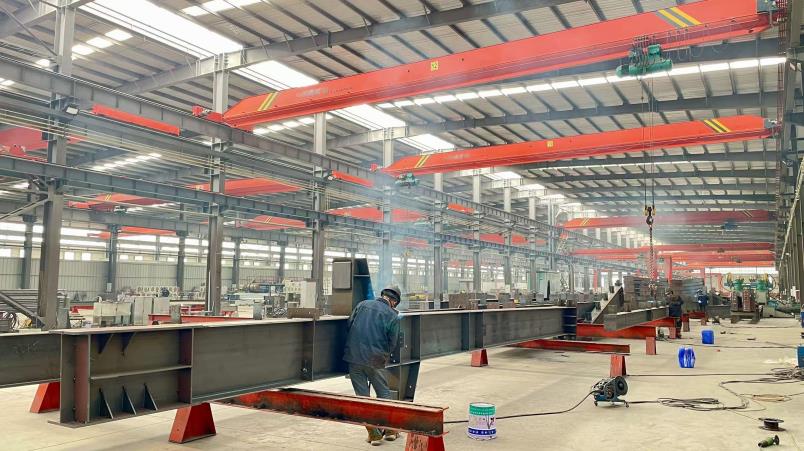
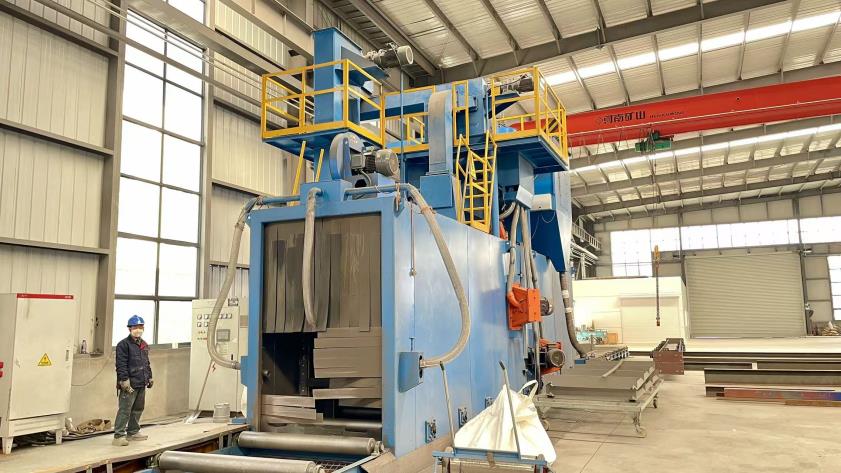
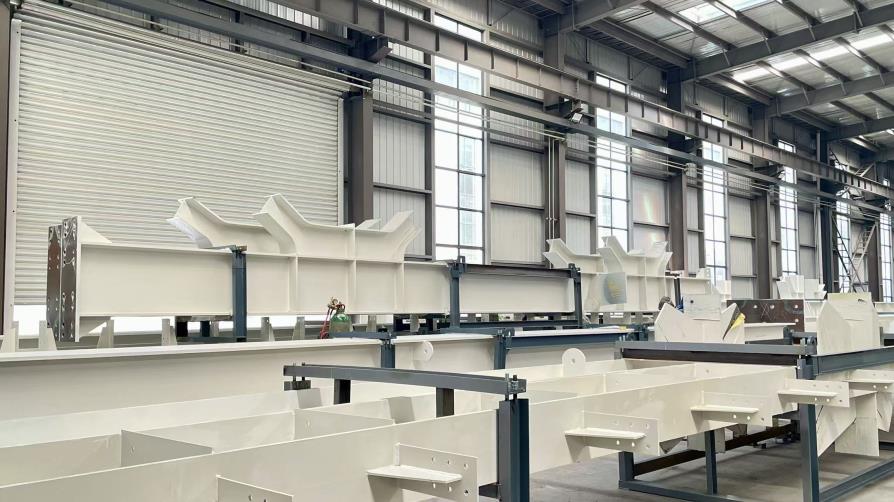
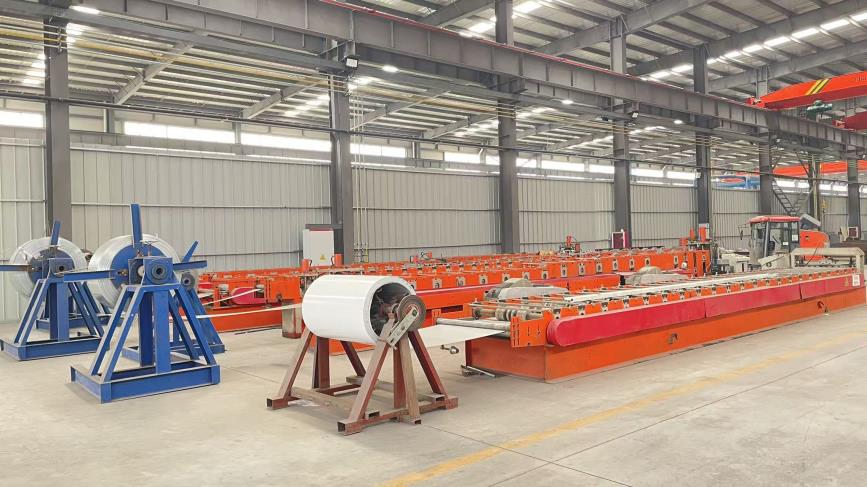
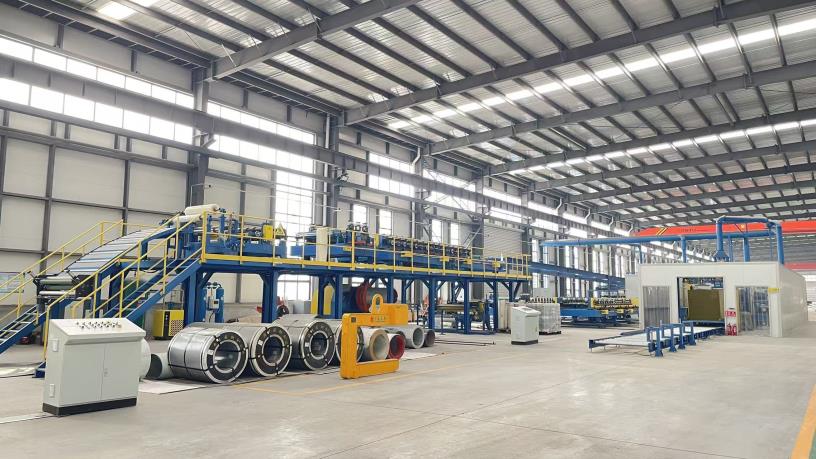
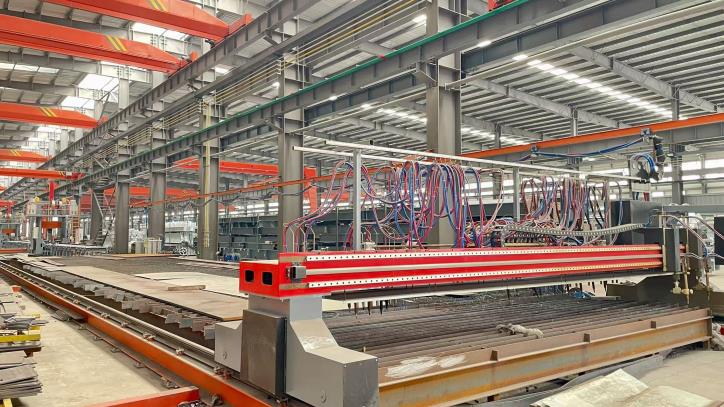
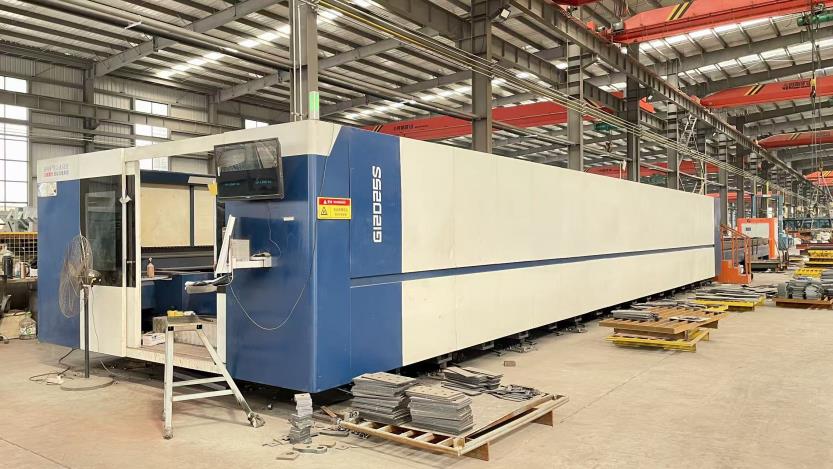
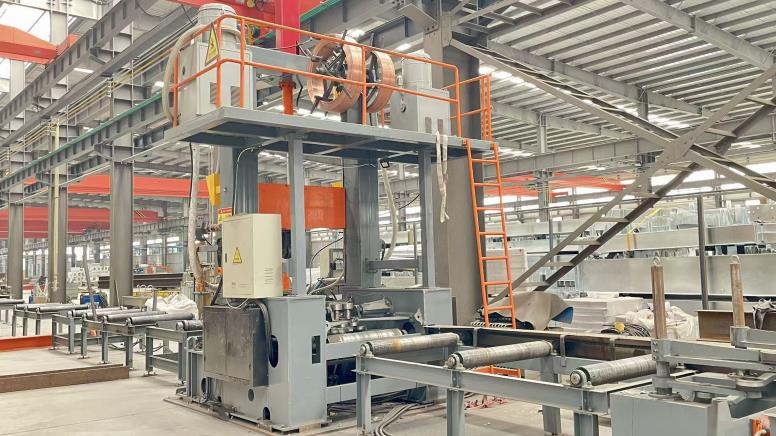
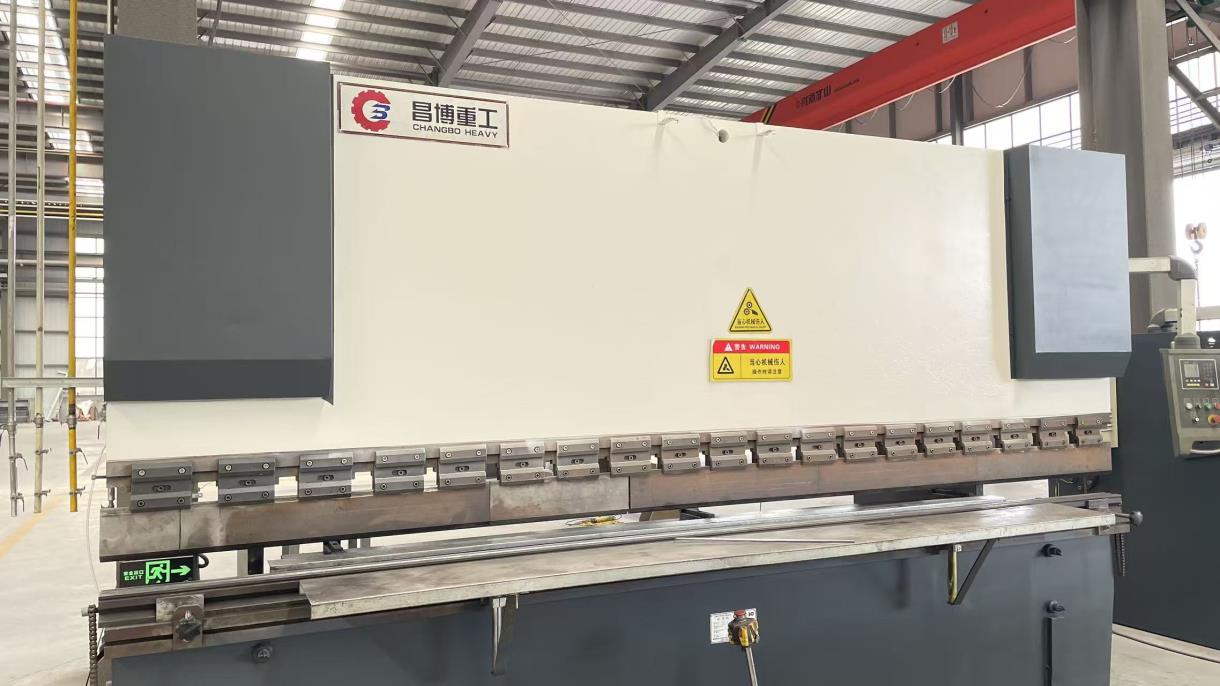
Why architectural firms specify our pre-glazed systems over traditional stick construction.
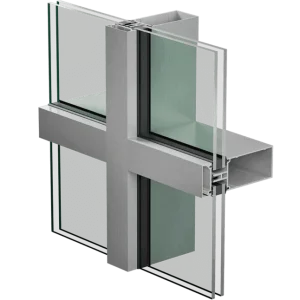
By integrating structural polyamide strips (PA66 GF25) into our extruded aluminum profiles, we minimize thermal conduction between the interior and exterior environments, significantly lowering HVAC loads for local commercial buildings.
Utilizing multi-cavity EPDM gasket profiles and designed internal drainage channels, we apply the pressure equalization principle. Wind-driven rain is collected and guided out without passing the structural silicone seal line.
Assembling glass panels in our factory avoids on-site environmental pollution (like dust and moisture) that can degrade structural silicone bonding. This leads to cleaner seals and extended facade lifetimes.
Importing structural facades to Argentina requires managing complex logistics and regulatory steps. Our experienced logistics division coordinates shipping schedules from Chinese ports (Qingdao/Shanghai) directly to major Argentine ports, such as the Port of Buenos Aires.
Unitized panels are pre-packed into custom heavy-duty steel crates and secured with internal rubber isolation blocks. This layout prevents glass-to-glass contact and structural distortions during long ocean voyages, ensuring the units arrive on site ready to hang.
We assist your local Argentine clearing agents with complete documentation, including certified bills of lading, packaging lists, mill test certifications, ISO declarations, and certificates of origin. Our compliance support helps reduce customs delays and avoid unexpected port storage costs.
Even though our systems are prefabricated, correct alignment remains critical. We supply detailed installation shop drawings (in DWG/PDF format), 3D anchor positioning coordinates, and on-site engineering advisory services to guide your local Argentine construction crews.
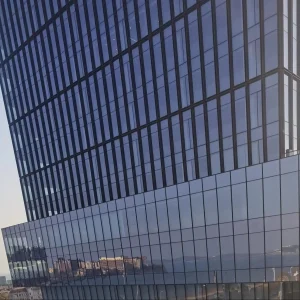
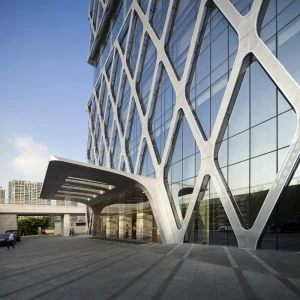
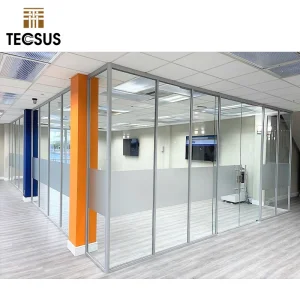
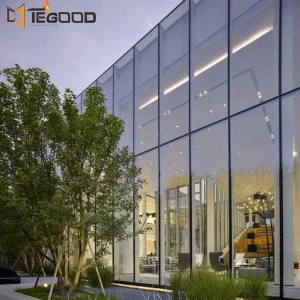
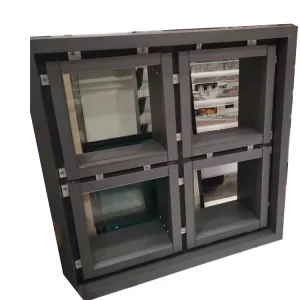
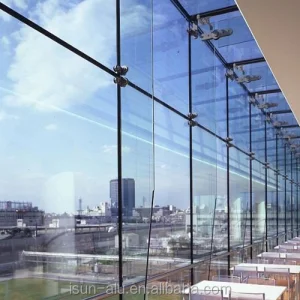
Below is our complete range of certified glass curtain wall panels, partition systems, and structural framing solutions available for global export.

Technical clarifications on importing, design verification, and local regulatory alignment for Unitized Facades in Argentina.