Bildon Steel
Bildon Steel
Bildon Steel
Explore our advanced structural steel configurations. Each project is customized using top-tier structural analysis software to ensure unparalleled safety, structural efficiency, and longevity.
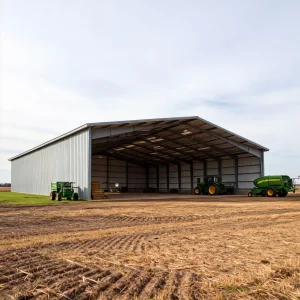
A comprehensive structural overview of the mechanics, safety tolerances, and long-term performance configurations that govern structural engineering.
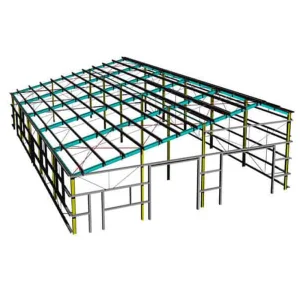
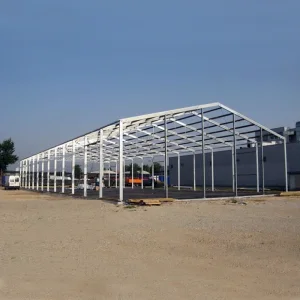
In modern industrial and commercial infrastructure projects, wide-span steel structures represent the pinnacle of structural mechanics and spatial optimization. Defined as any structure with clear, column-free spans exceeding 24 to 30 meters, these engineering marvels require specialized structural layouts, precision materials, and stringent quality control protocols to withstand massive dead loads, live loads, and external environmental stresses (seismic activity, extreme wind pressures, and thermal expansion).
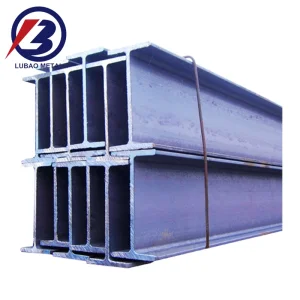
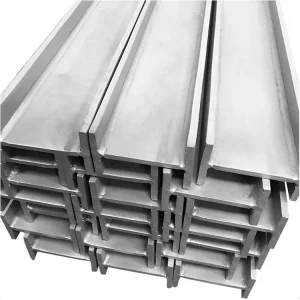
Unlike conventional portal frames, wide-span frame architecture depends on structural stress distribution curves. Because bending moments scale exponentially with the span length (M ∝ L²), designers must transition from simple H-beams to complex multi-dimensional space trusses, structural arch systems, or cable-stayed webs. This minimizes material weight while providing extreme resistance to buckling.
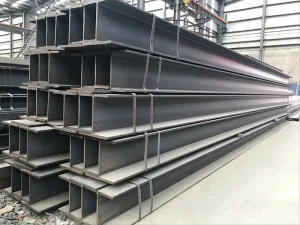
By utilizing high-strength structural grades (ASTM A572 Grade 50, GB Q355B, S275JR, or S355JR), we design structures with exceptional strength-to-weight ratios. This minimizes foundation load requirements while maintaining safety standards.
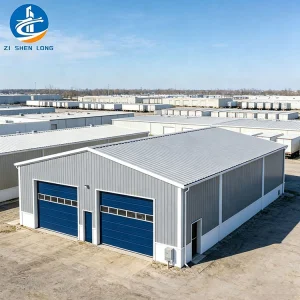
The lack of intermediate load-bearing columns maximizes storage, assembly space, and operations. This is ideal for logistical depots, aircraft hangars, smart distribution centers, and manufacturing complexes.
Engineered specifically to endure localized wind pressures (exceeding 250 km/h) and seismic conditions (up to Richter magnitude 8+), using precise tension tie systems and heavy anchor structures.
Analyzing the evolution of steel construction from traditional welding shops to fully digitized, carbon-neutral, smart architectural systems.
We employ advanced Building Information Modeling (BIM) via Tekla Structures and Autodesk Revit, linking architectural concept models directly to automated fabrication schedules. This achieves zero-tolerance field alignments and eliminates typical site modifications during erection.
By upgrading traditional steel elements to low-alloy, high-strength structural steel profiles, we reduce raw steel tonnage by up to 15% without sacrificing loading capacities, optimizing raw material costs and transport logistics.
Recognizing the global demand for ESG compliance, all raw structural plates and profiles are sourced from sustainable mills employing electric arc furnace (EAF) tech, resulting in an exceptionally low embodied carbon footprint that meets LEED and BREEAM building credentials.
Custom structural frameworks engineered to support critical functions in global logistics, processing, and heavy manufacturing.
Modern distribution networks rely on high-bay storage with automated storage and retrieval systems (ASRS). Our wide-span frames support multi-story configurations and overhead cranes, handling dynamic live loads with minimal structural deflection.
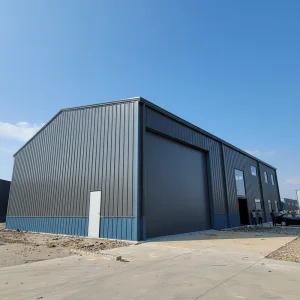
Food processing facilities require strict hygienic controls and dust-mitigating structural profiles. We manufacture enclosed, corrosion-resistant steel structures using hot-dip galvanized finishes and sterile sandwich panels to meet FDA and HACCP guidelines.
From high-end nuclear power structures to heavy-duty curtain wall systems, photovoltaic mounting bases, and marine engineering supports. Our specialized fabrications are engineered to withstand extreme temperatures, continuous vibrations, and offshore environments.
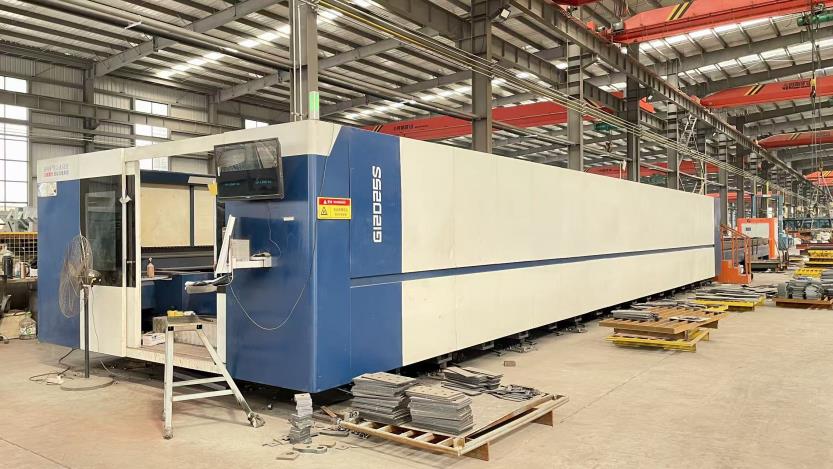
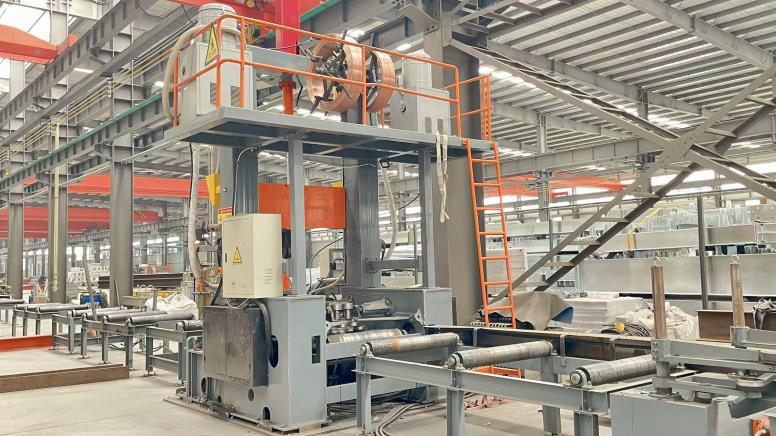
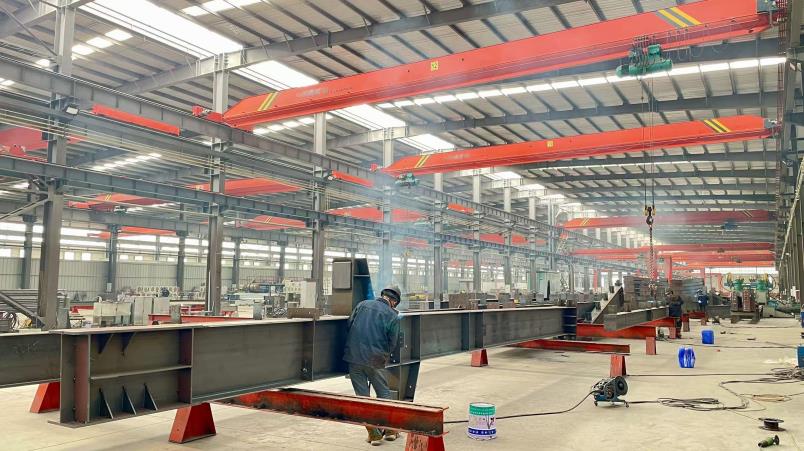
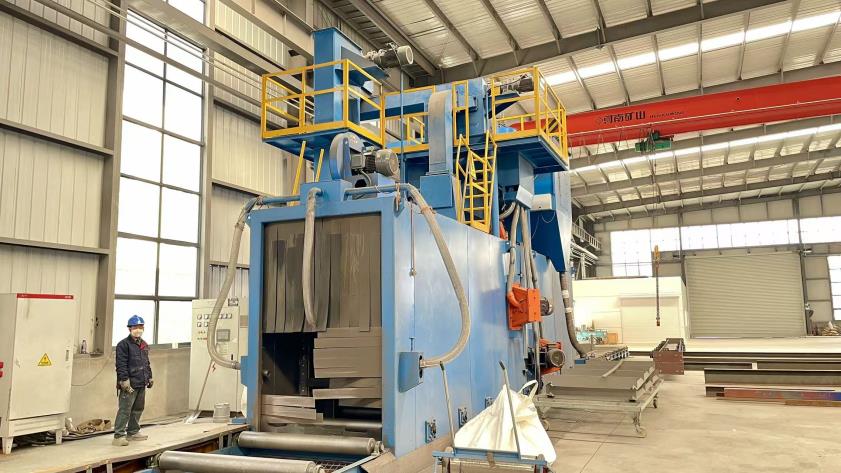
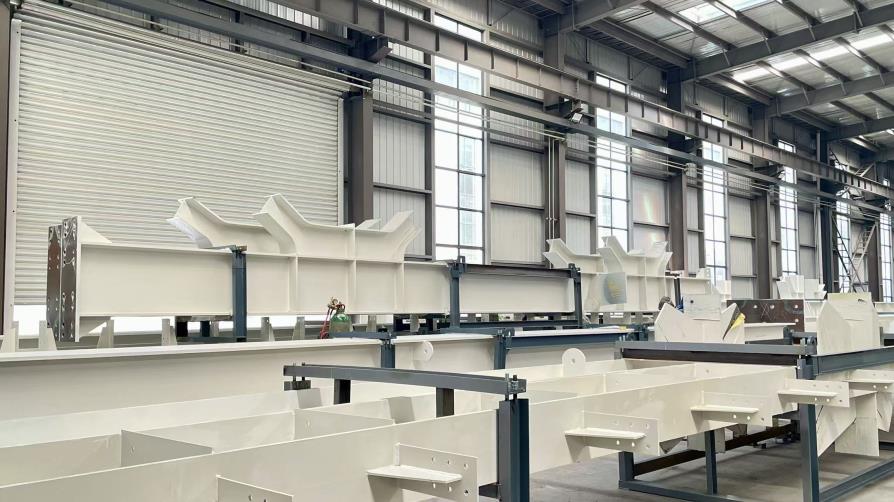
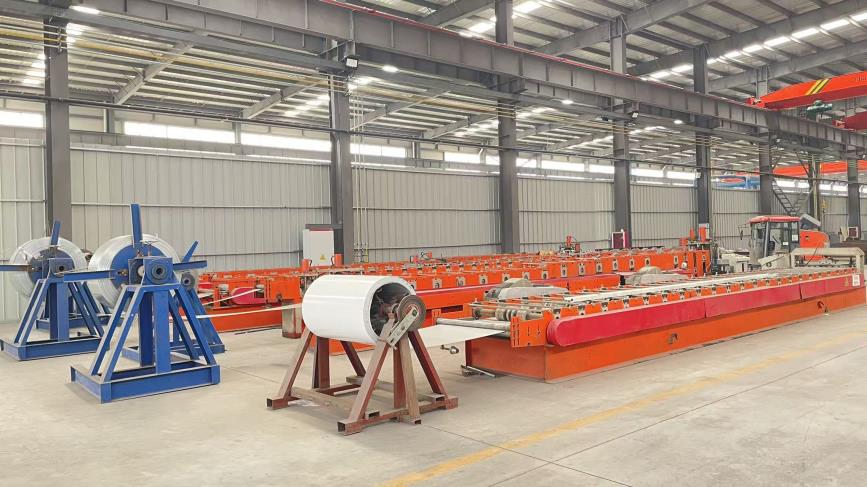
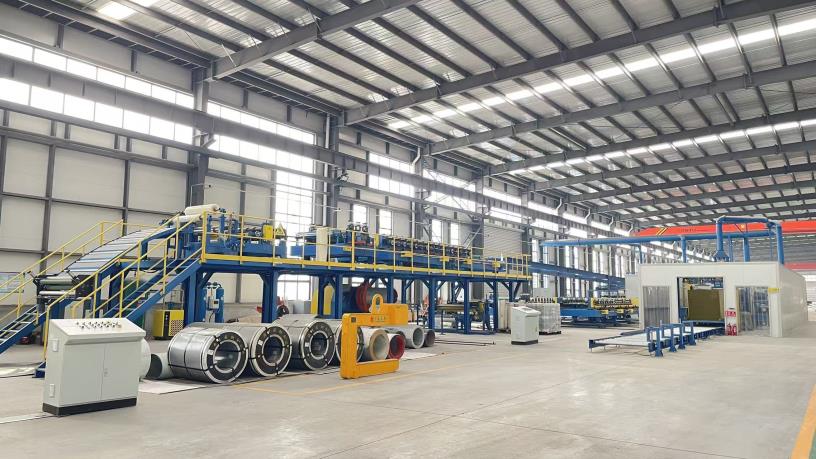
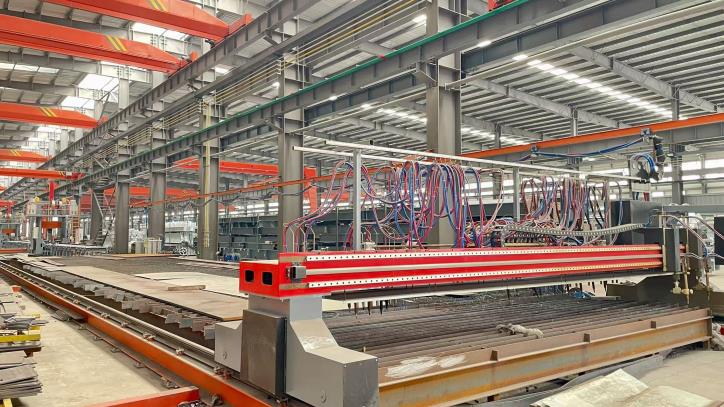
Our advanced industrial fabrication plant combines high-capacity smart production lines, automated thermal cutting, and precision welding systems to transform structural steel design files into high-performance components.
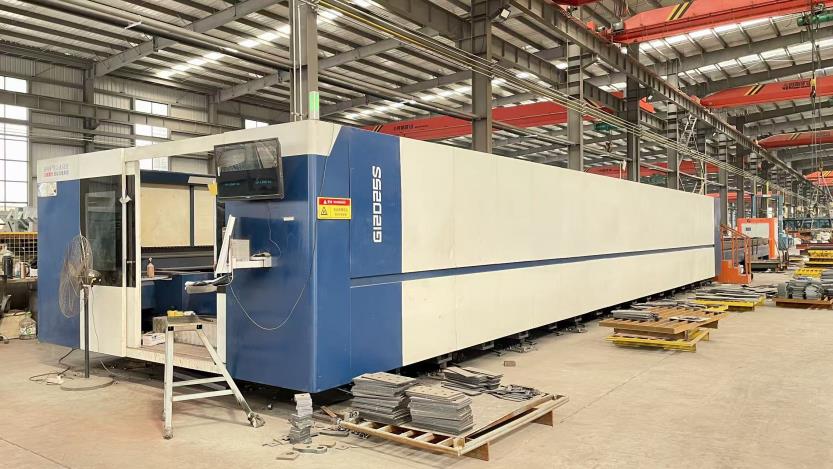
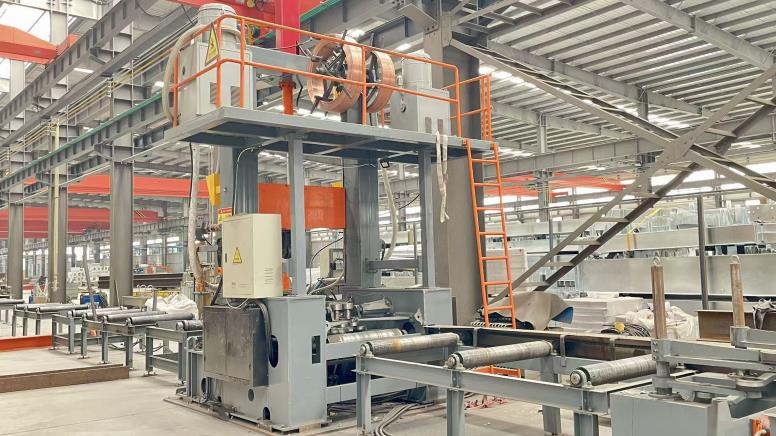
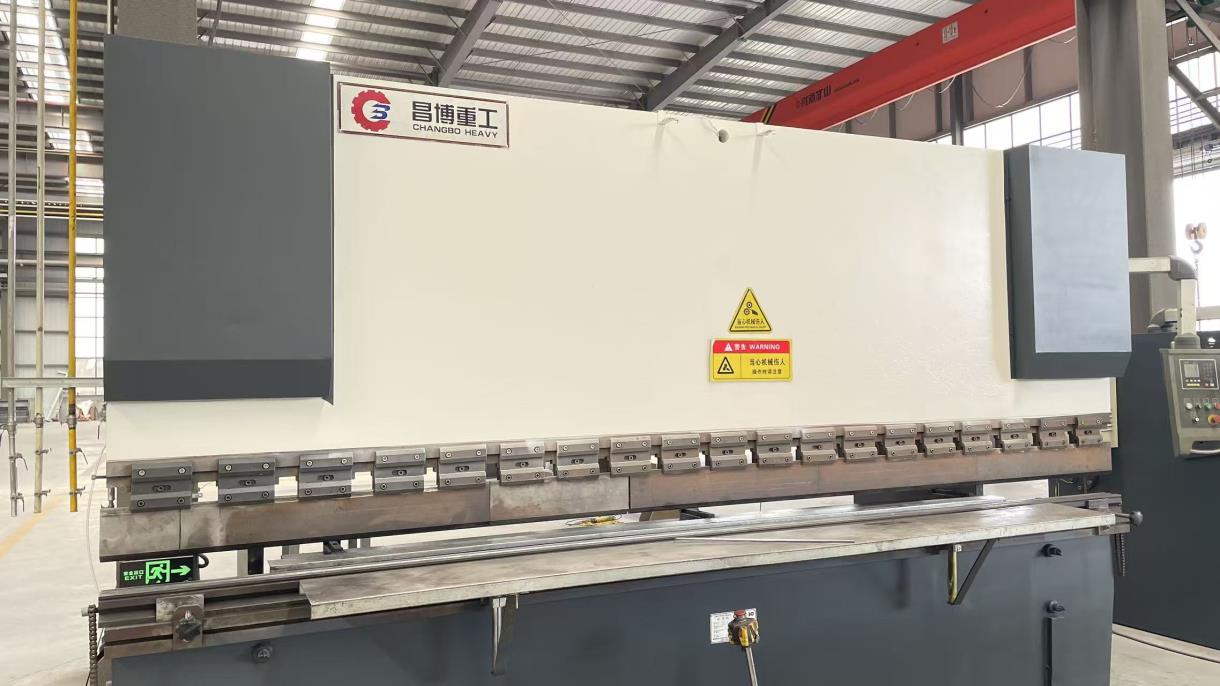
Mitigating structural risk, simplifying customs delivery, and ensuring strict compliance with local building codes across multiple international regions.
Procuring structural steel from international sources demands deep technical coordination and clear material transparency. Our dedicated engineering department works in close alignment with regional contractors to ensure that every structural layout complies fully with localization parameters. We review site-specific environmental criteria, including peak snow loads, localized wind speeds, seismic hazard ratings, and ambient humidity profiles.
Full alignment with ASTM A36, A572, A992, and AISC architectural criteria, with calculations calibrated to IBC standards.
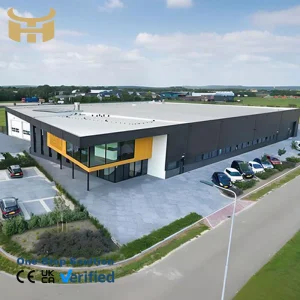
Engineered structures optimized to EN 1993, carrying verified CE certification and UKCA approval for use across EU/UK territories.
Compliance with AS4100 structural specifications and AS/NZS 1170 wind dynamic calculations for coastal and seismic environments.
To ensure structural lifespans of 50 to 70 years, we apply tailored anti-corrosion systems. Options include standard shop primers, zinc-rich epoxy coatings, and advanced Hot-Dip Galvanization (complying with ASTM A123/ISO 1461 rules), which provides an resilient barrier for harsh maritime and chemical environments.
Get authoritative technical insights from our senior structural engineering team.
Our wide-span structures are engineered for an operational design life of 50 to 70 years. This performance is achieved through the use of high-strength structural grades (Q355B/S355JR), rigorous non-destructive weld testing, and targeted multi-layer paint or hot-dip galvanized coating systems that minimize structural corrosion.
We employ a comprehensive Quality Assurance system. Every critical batch of raw steel includes original mill test certificates (MTC). All structural framing welds undergo Non-Destructive Testing (NDT), including Ultrasonic Testing (UT) and Magnetic Particle Testing (MT), performed by AWS-qualified QC technicians to prevent internal defects and ensure reliable structural performance.
Yes. Our in-house engineering division utilizes Tekla Structures and PKPM software to create bespoke structural layouts. We analyze structural forces under regional environmental factors—such as wind velocity (up to 250 km/h), maximum snow cover, seismic activity, and roof-mounted equipment loads—to provide a safe, optimized engineering package.
Yes, our fabrications align with multiple global criteria. We supply products certified to CE (EN 1090) and UKCA standards. We can also optimize and fabricate structural frameworks to meet ASTM, AISC, Eurocode 3, or AS/NZS specifications depending on your local regulatory requirements.
Lead times depend on design complexity and structural volume. Generally, structural engineering plans and BIM modeling are finalized within 10 to 15 days. Factory fabrication is completed within 30 to 45 days. Components are carefully coded, bundled, and containerized to protect finishes and streamline installation at the job site.
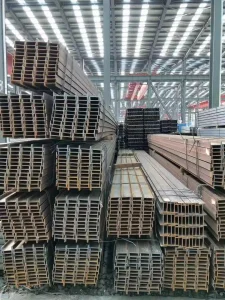
Premium structural steel sections, columns, and modular building components engineered to deliver maximum reliability and durability.