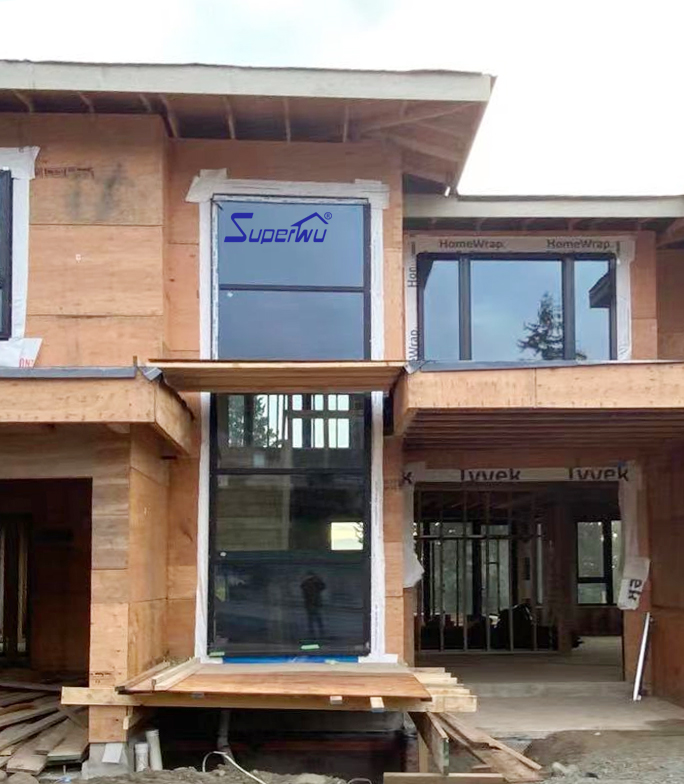
1 / 5
 Bildon Steel
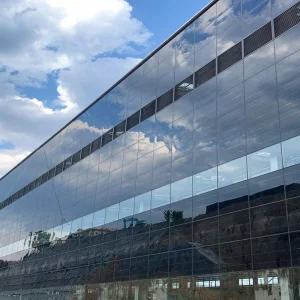
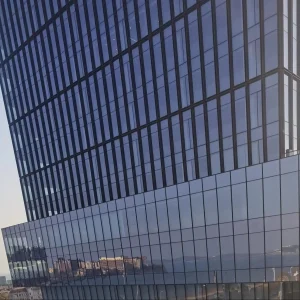
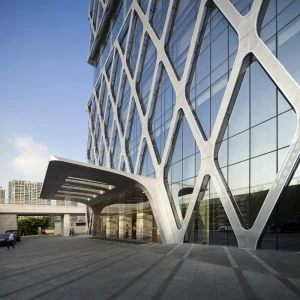
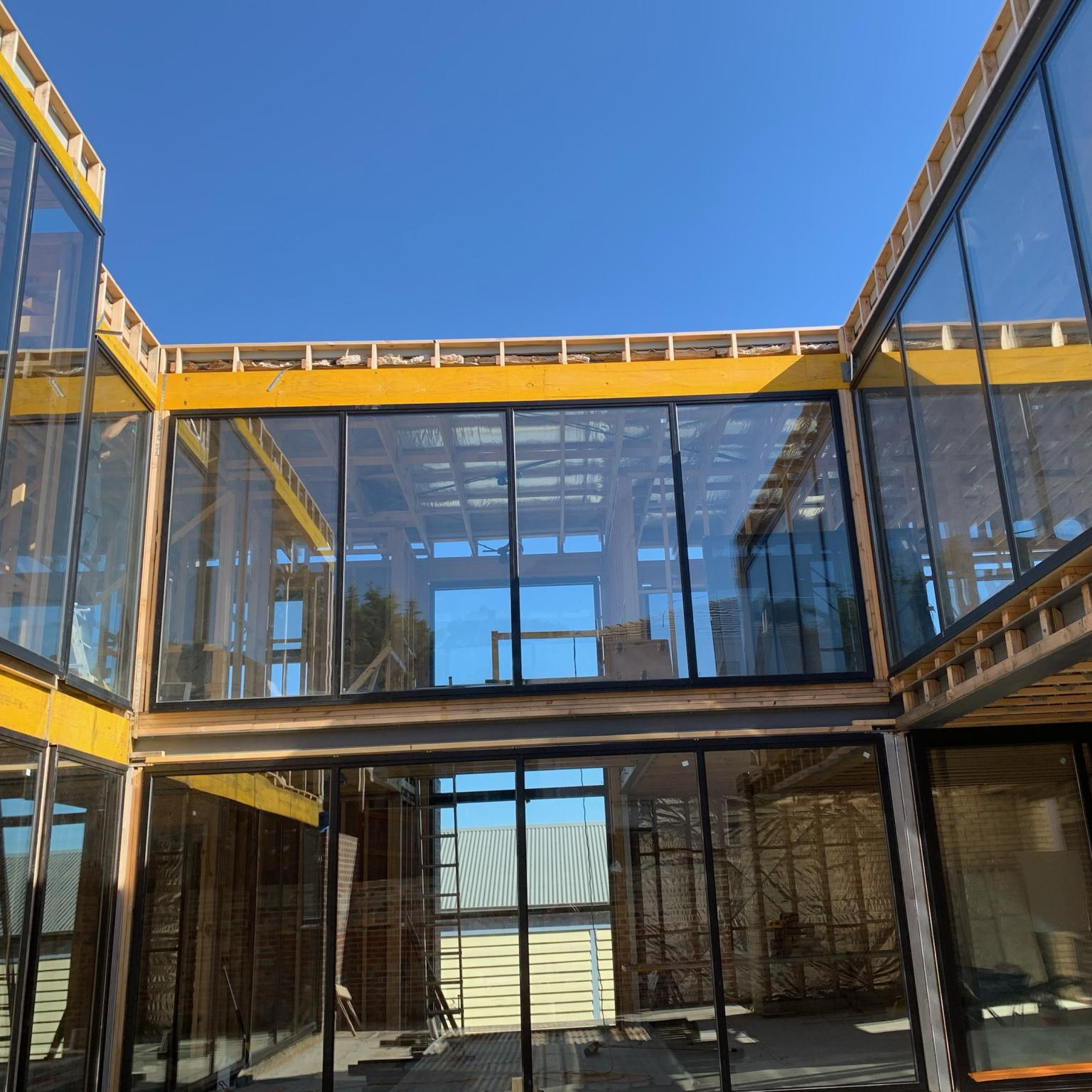
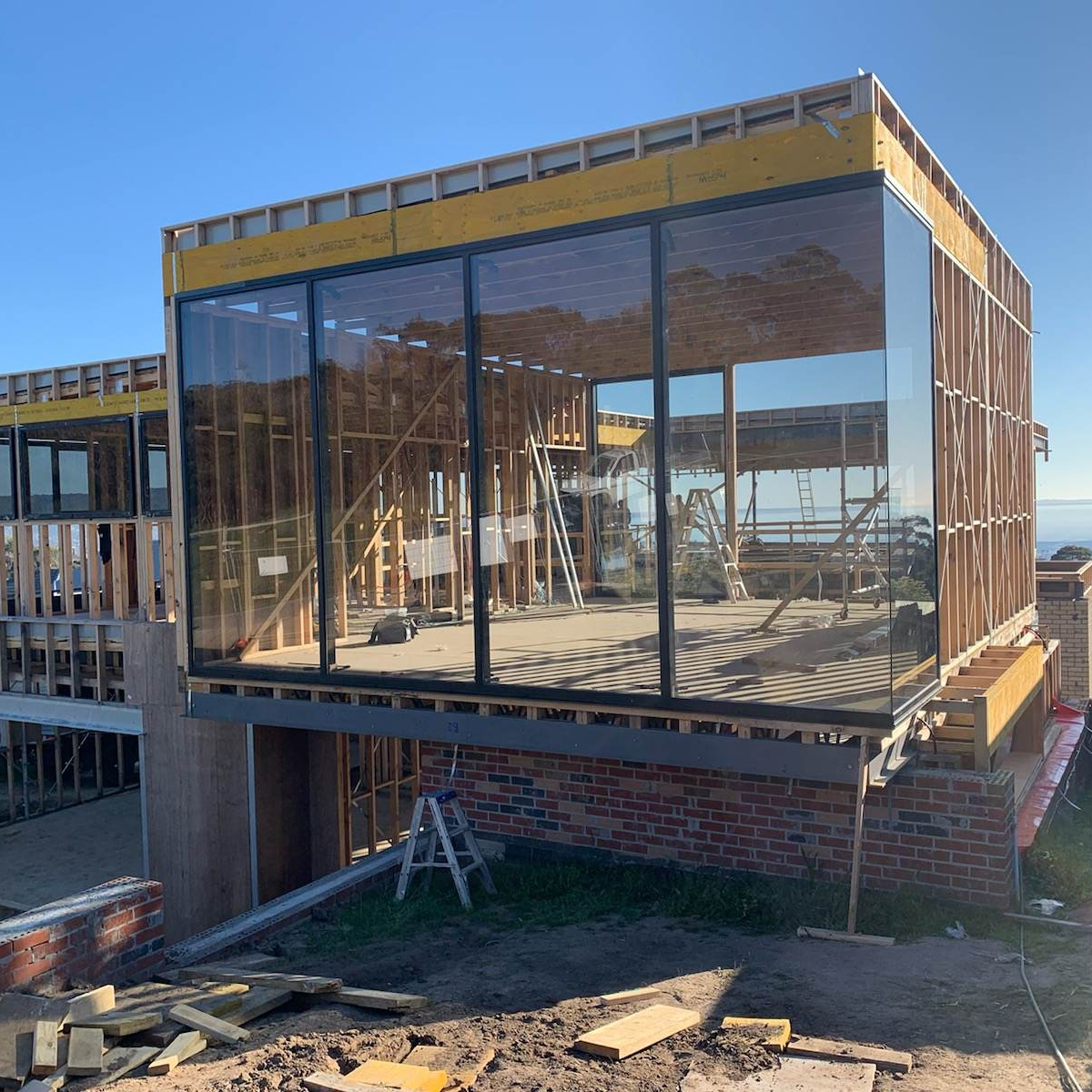
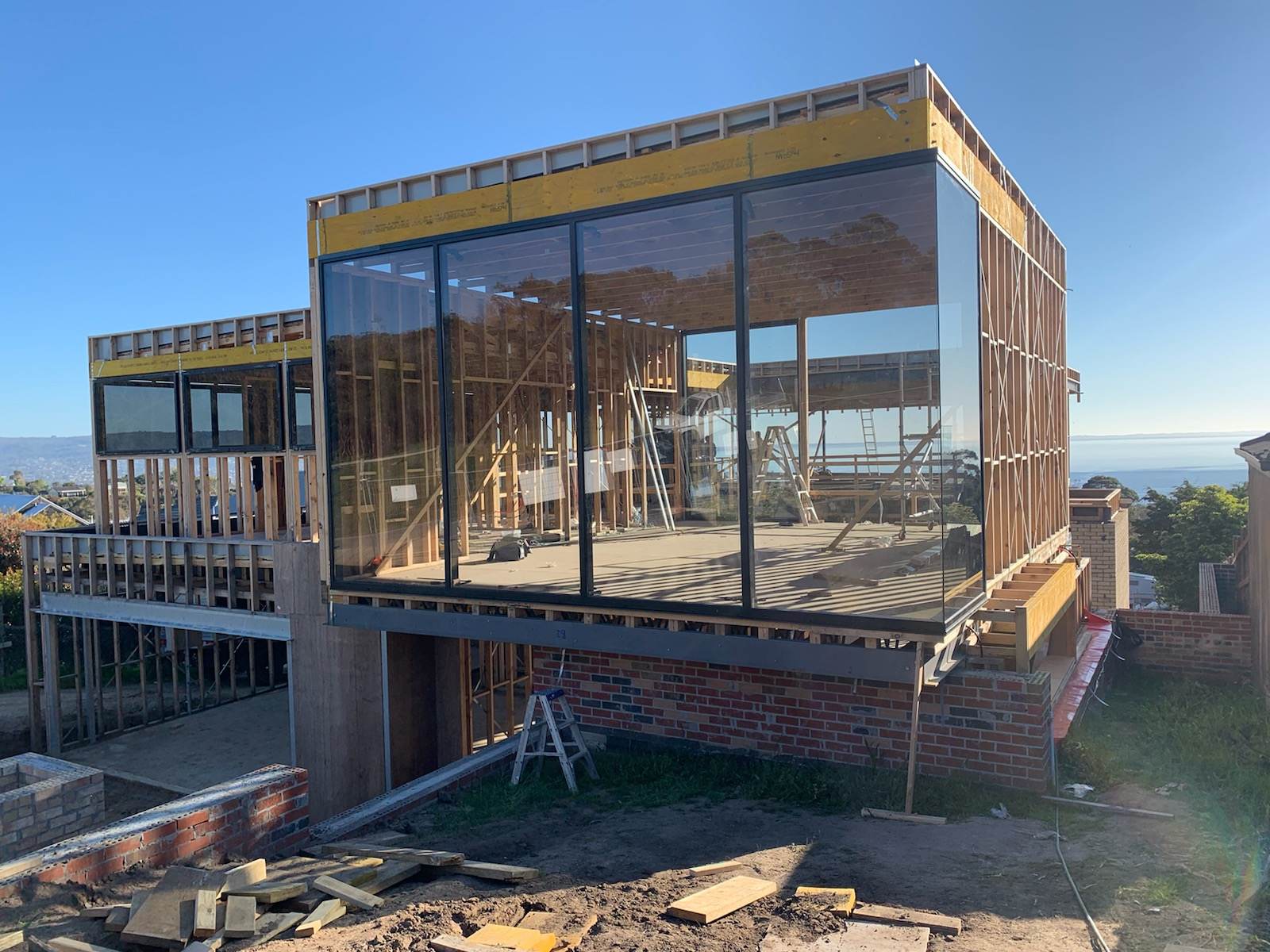
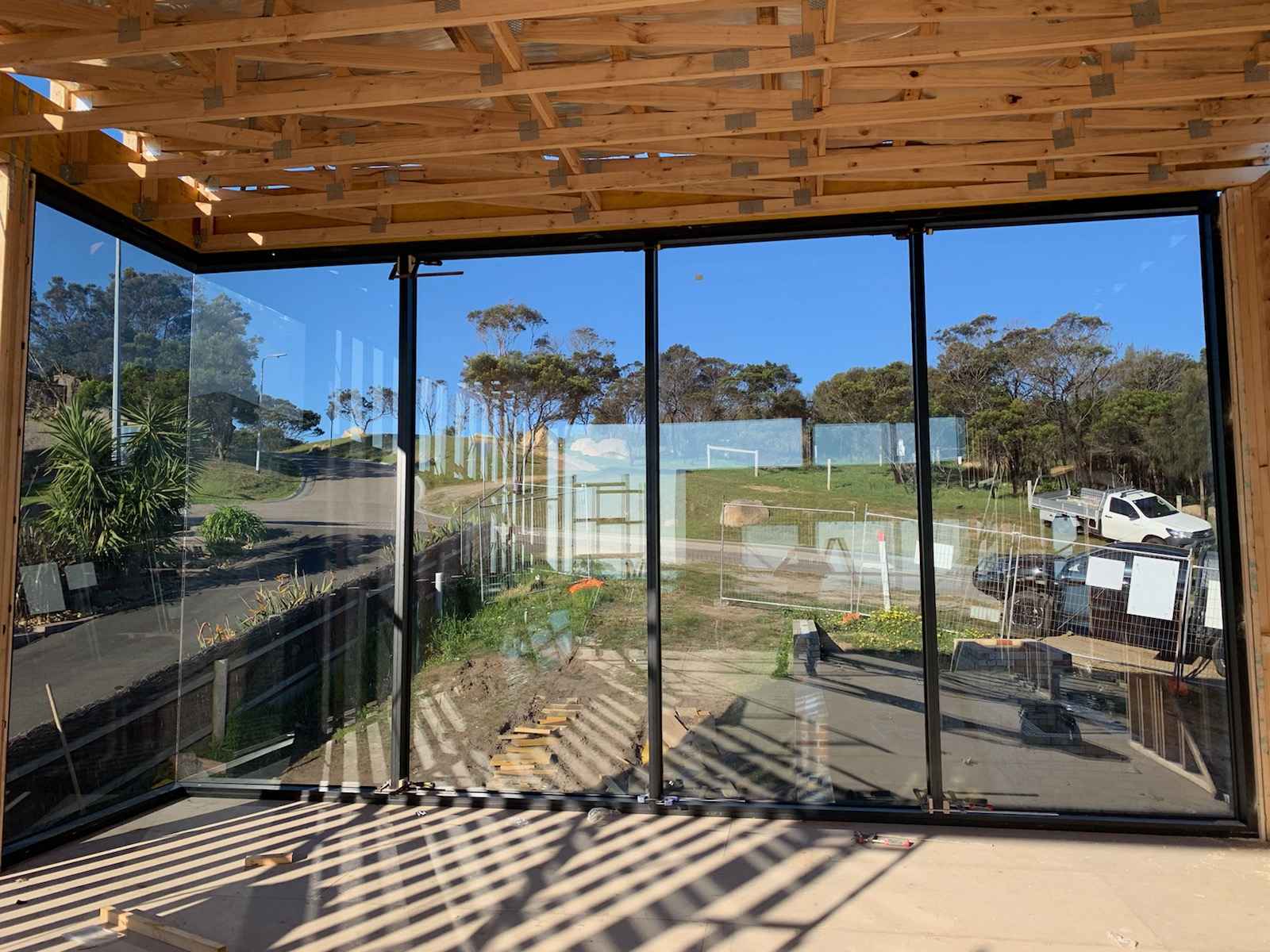
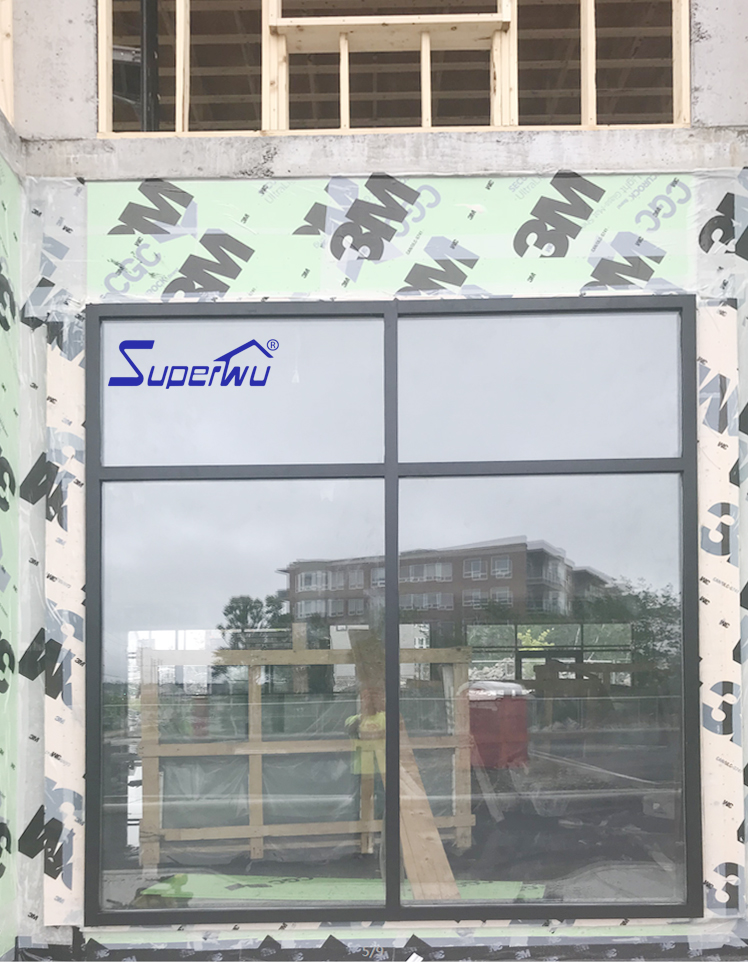
A curtain wall system is an outer covering of a building in which the outer walls are non-structural, utilized only to keep the weather out and the occupants in. Since the curtain wall is non-structural, it can be made of lightweight materials, thereby reducing construction costs.
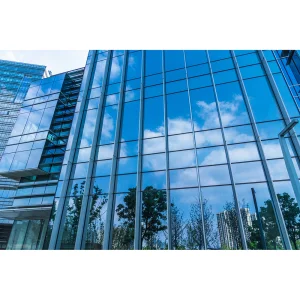
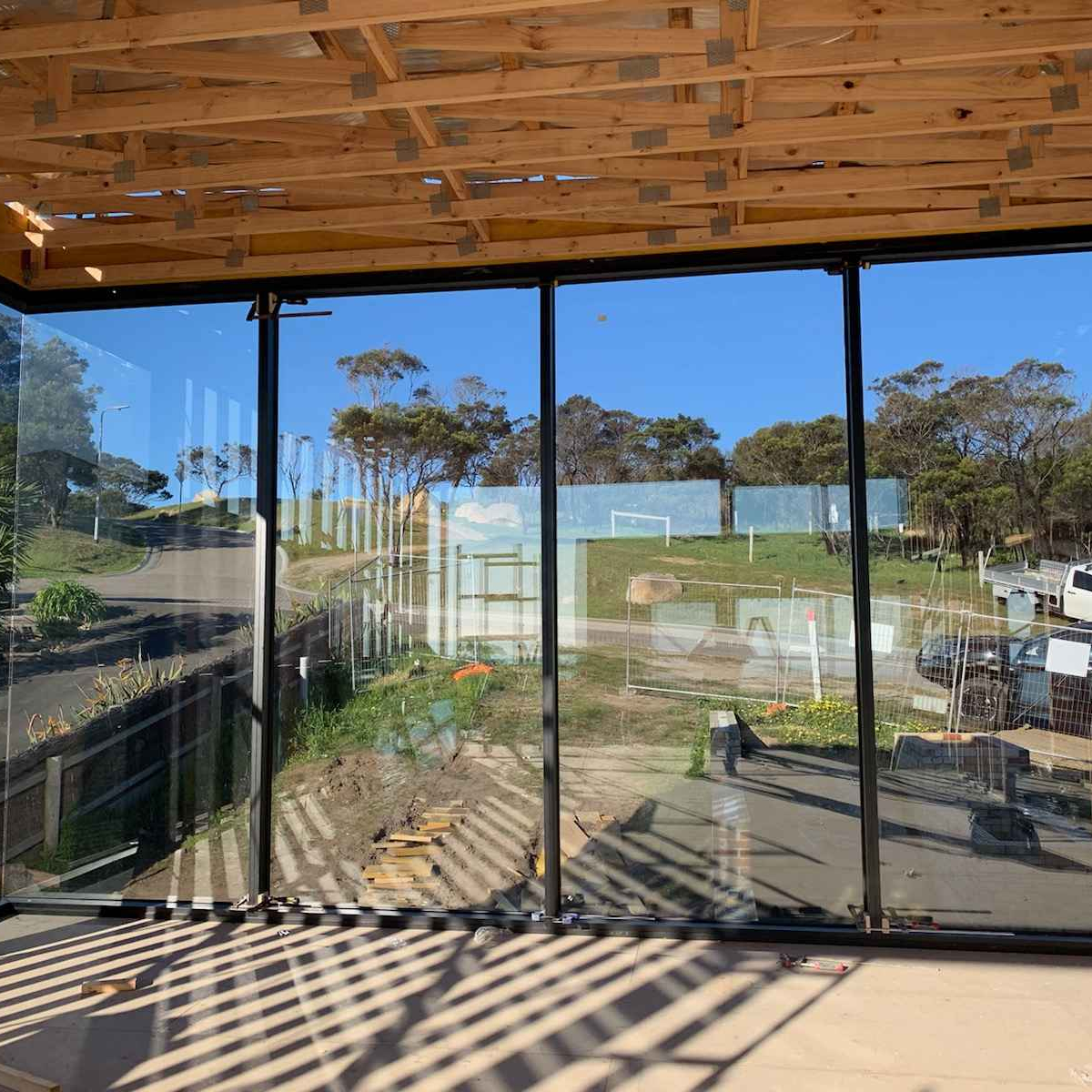
When glass is used as the curtain wall, natural light can penetrate deeper within the building. The curtain wall façade does not carry any structural load from the building other than its own dead load weight. It transfers lateral wind loads to the main building structure through connections at floors or columns, designed to resist air and water infiltration, absorb sway, and withstand wind loads.
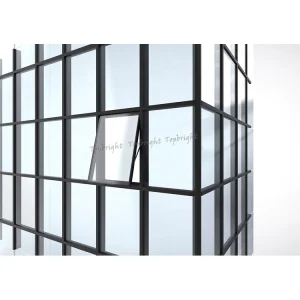
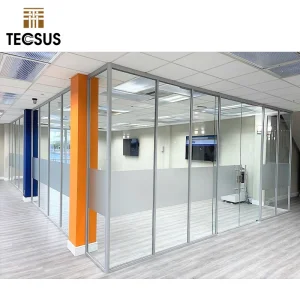
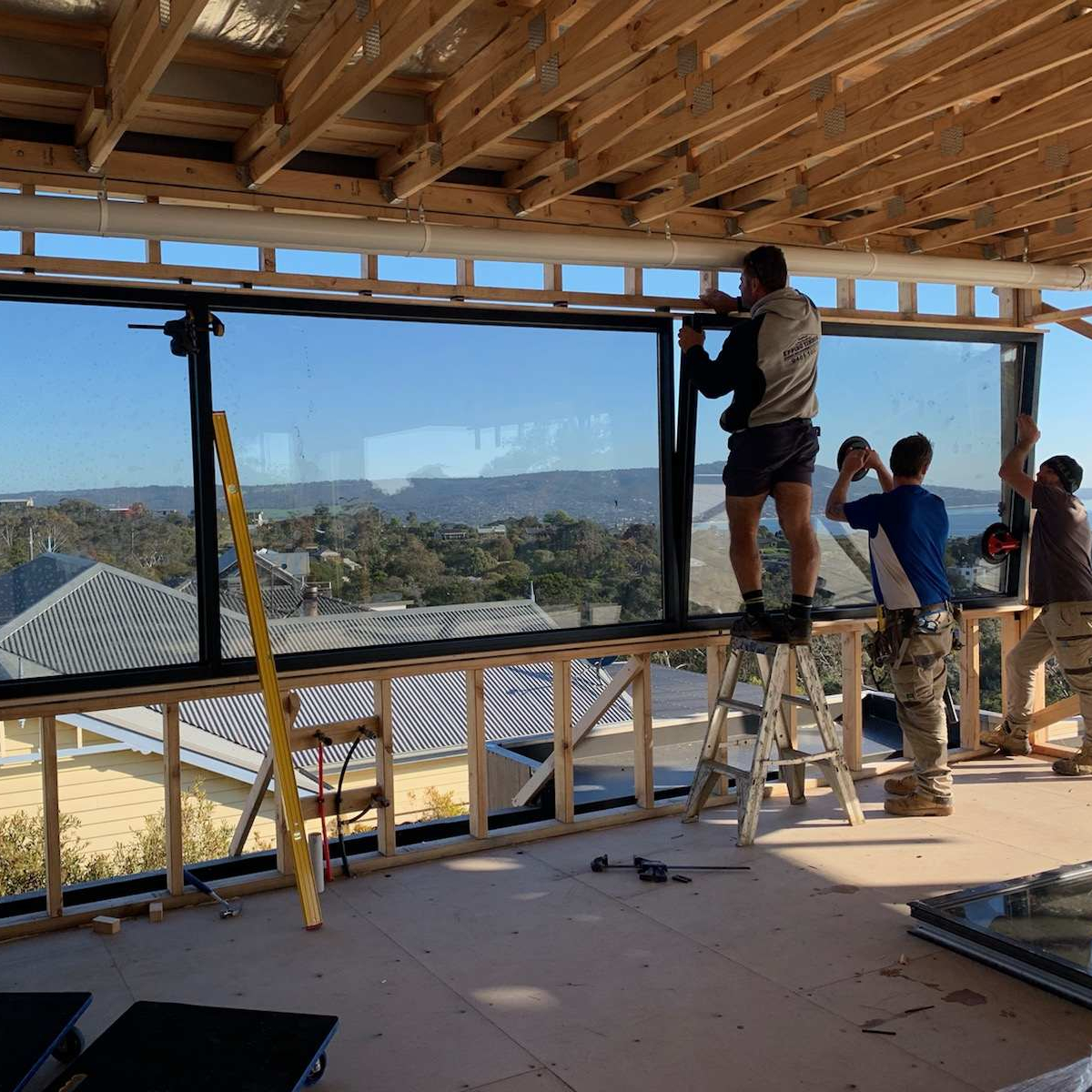
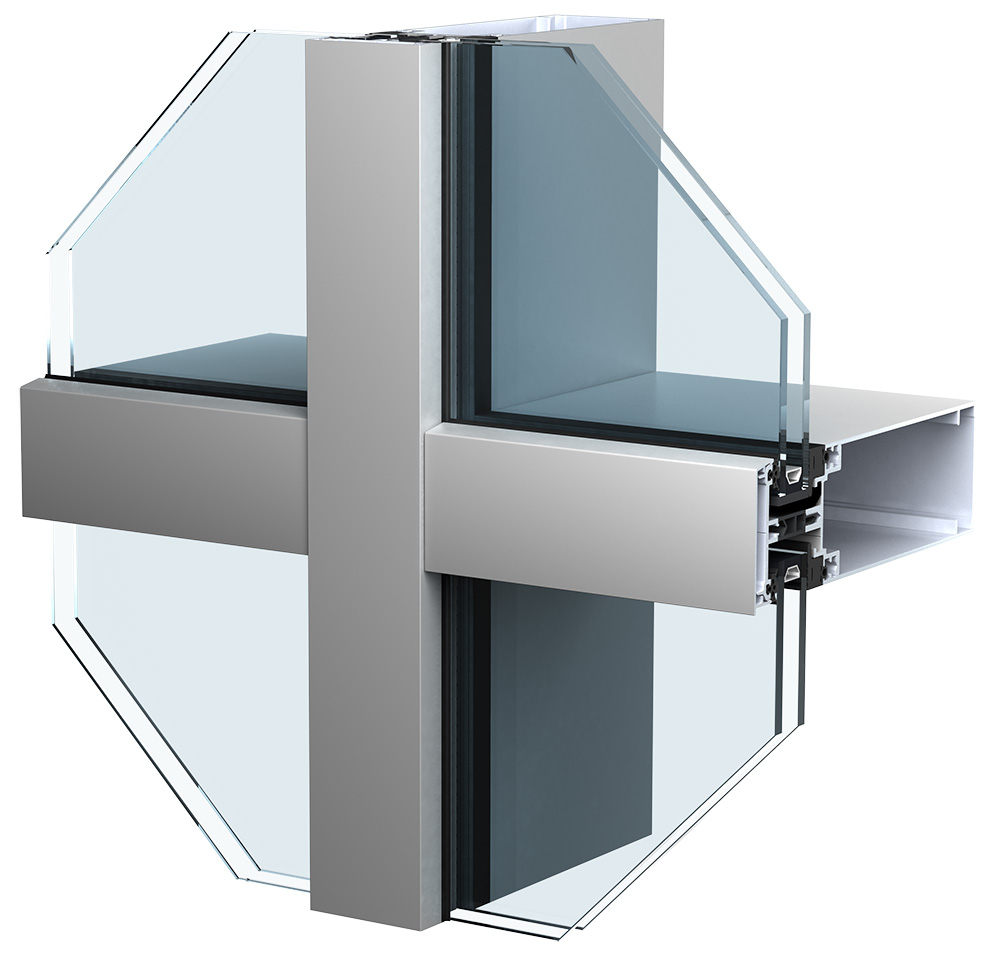
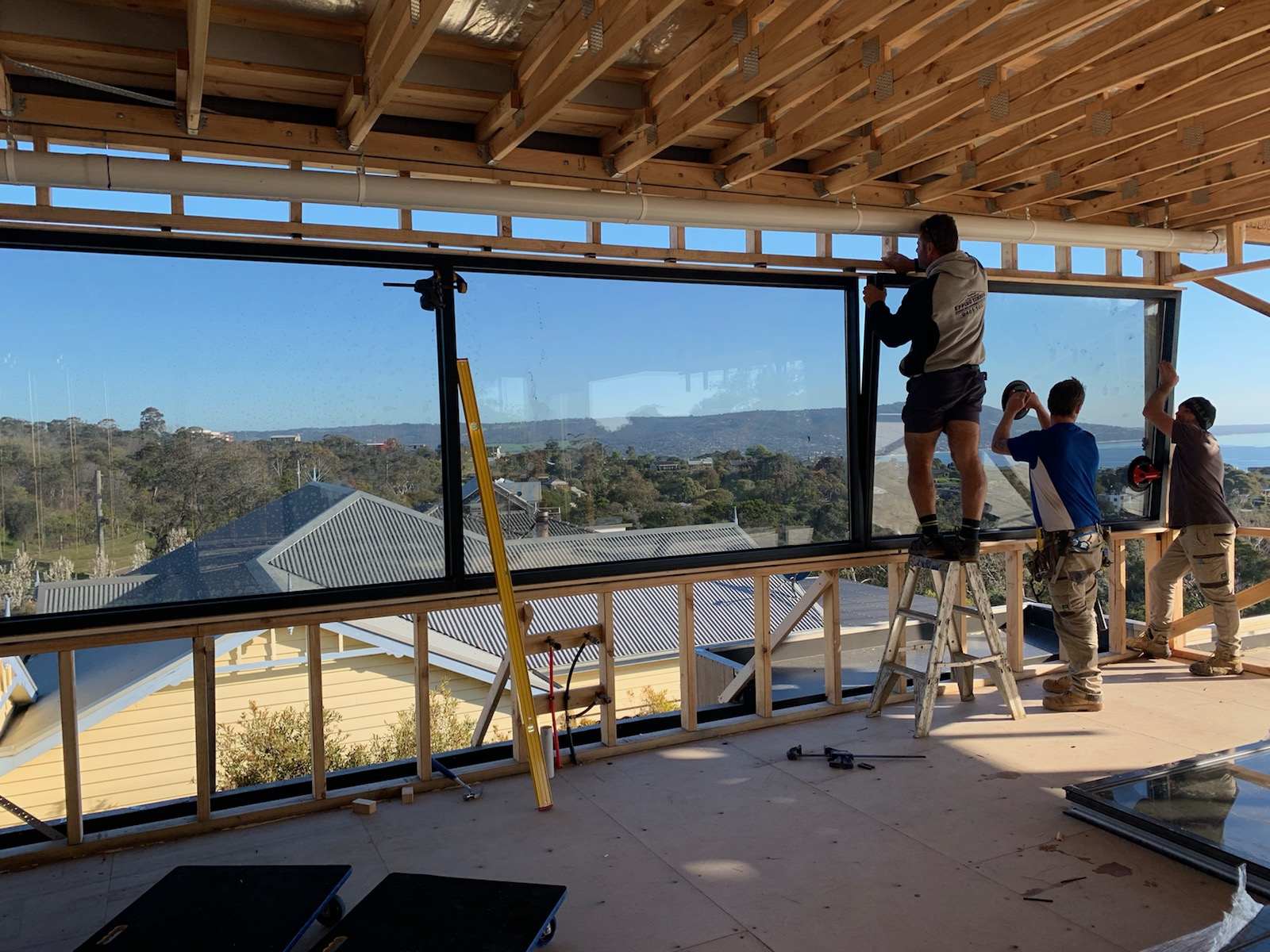
Stick Systems: The curtain wall frame (mullions) and glass or opaque panels are installed and connected together piece by piece on site.
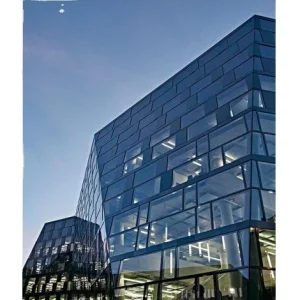
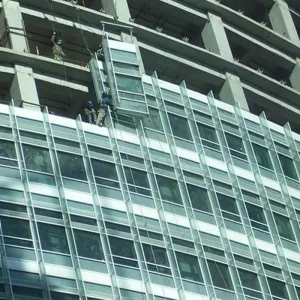
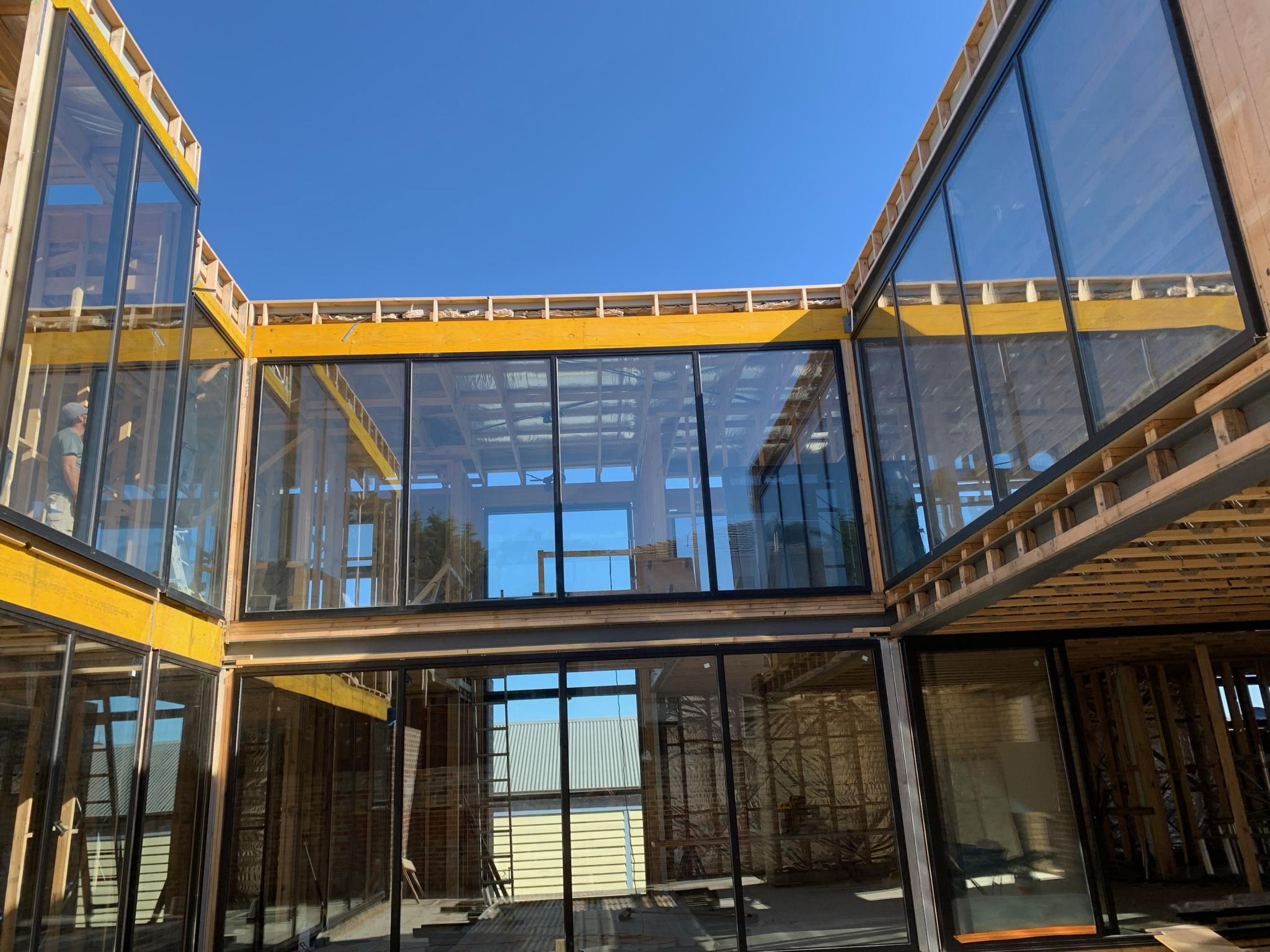
Unitized (Modular) Systems: Composed of large units that are assembled and glazed in the factory, then shipped to the site and erected on the building. Typical units are one story tall and five to six feet wide.
Stick System
Unitized System

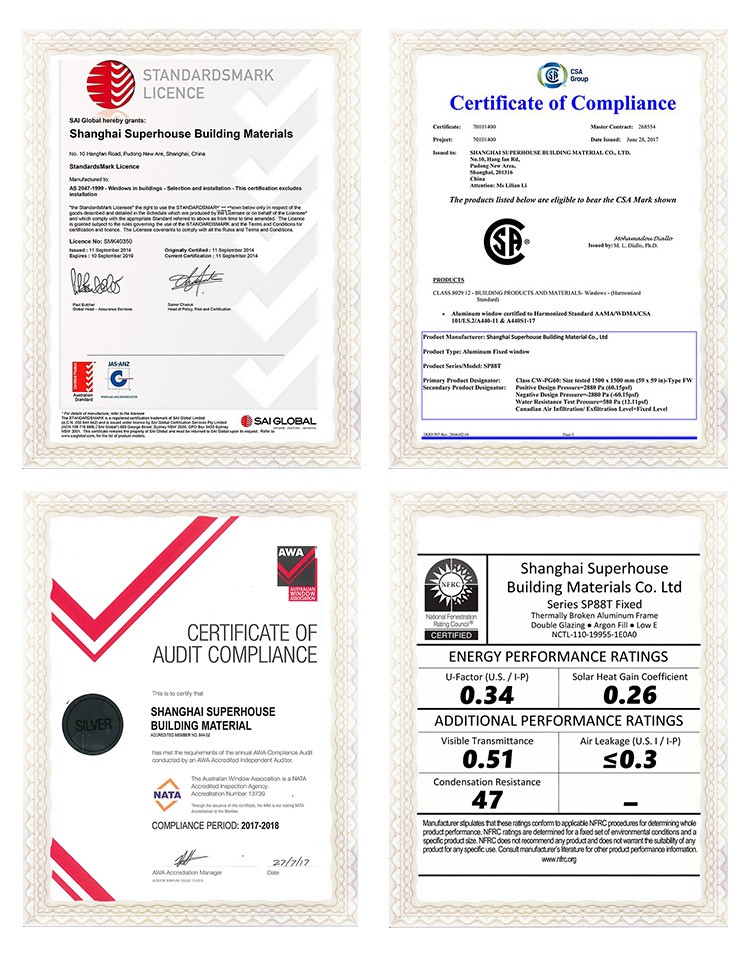
Serviceability design wind pressure (3000 Pa). Rating: N6 (General).
Average air leakage rate: 0.7 L/s·m² (tested at +/- 75 Pa).
Test Pressure: 900 Pa (AS4420.5-1996).
Test Pressure: 4500 Pa. Rating: N6 (General).
| Category | Details |
|---|---|
| Profiles | 6063-T5 high quality thermal break or non-thermal break aluminium (2.0mm thickness); PVC/UPVC options. |
| Glass | Double toughened (5mm+12A+5mm, Low-E, Tinted); Single toughened (3mm-21mm); Laminated (5mm+0.76+5mm). |
| Hardware | German (Roto, Siegenia, Geze), Australian (Doric), or Chinese top brands (Kinlong). |
| Mesh | Stainless steel security mesh, Aluminum mesh, Fiberglass flyscreen, Retractable flyscreen. |
| Finish | Powder coating, Anodized, Electrophoresis, Wood grain, Fluorine carbon coating. |
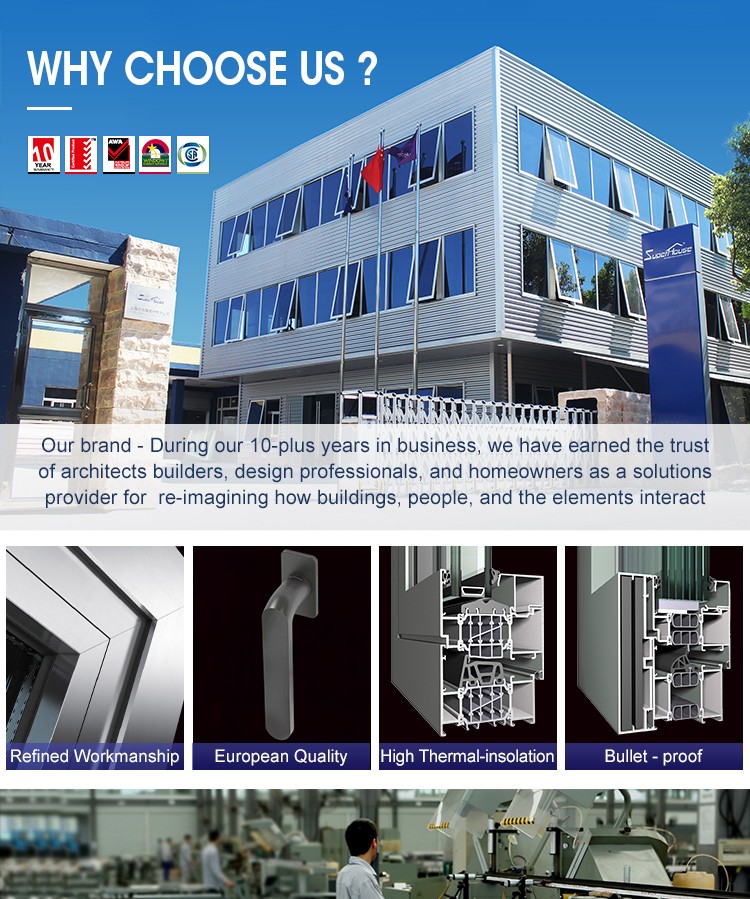
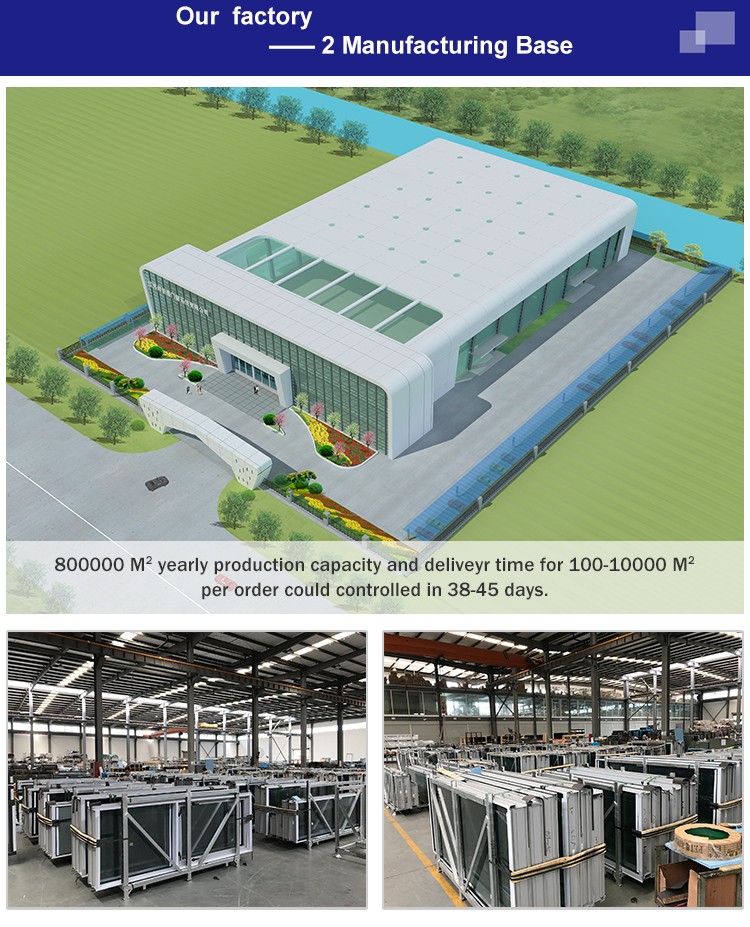
Advanced facilities for profile cutting and welding ensure high-precision manufacturing. Strict quality control is performed in every procedure from material sourcing and processing to testing and packing.
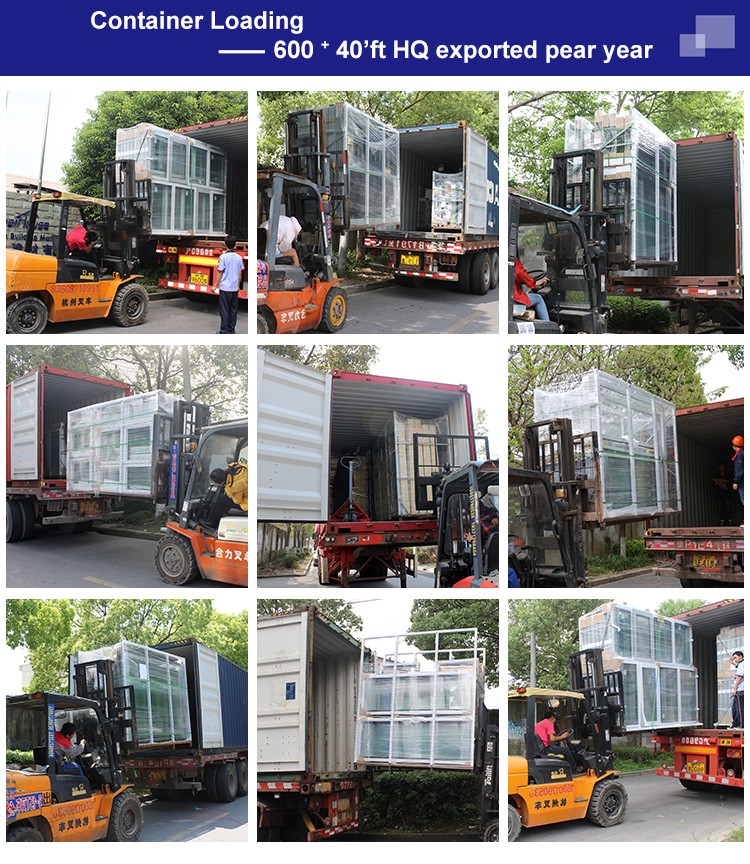
Step 1: Protective tape for frames.
Step 2: Fixed on iron pallets.
Step 3: Tied with plastic belts.
Step 4: PE films to keep away from sea water.
Step 5: Air bags to fill spaces between pallets.
Step 6: Pallets secured in container with belts.