 Bildon Steel
Bildon Steel
Bildon Steel
Premium grade structural steel components engineered for Chubu industrial complexes, logistical parks, and harbor terminal extensions.
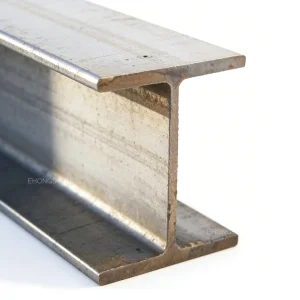
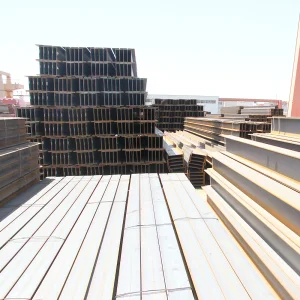
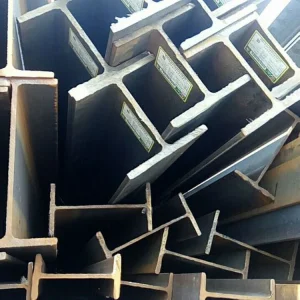
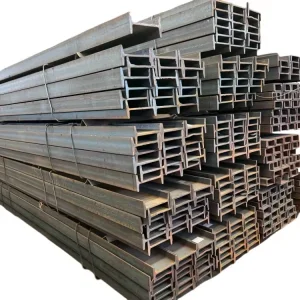
Nagoya, as the capital of Aichi Prefecture, serves as the heavy industrial engine of Japan's Chubu region. Accounting for a dominant portion of the country's manufacturing output, Nagoya is home to world-class automotive assembly plants, aerospace production clusters, and high-frequency logistical ports. For structural engineers and project developers operating within this economic powerhouse, construction demands are uniquely rigorous. The region demands structural elements capable of bearing exceptional dead loads while providing state-of-the-art seismic resilience due to the ongoing threat of the Nankai Trough earthquakes.
"For infrastructure in the Chubu region, structural safety is not merely about strength; it is about dynamic energy dissipation. Our custom-welded H-beam components are engineered to absorb seismic energy through precise ductility control and high-yield ratio raw materials."
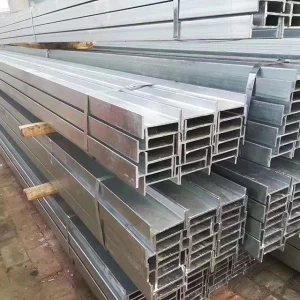
Welded H-Beams play a vital role in local development, offering custom dimensional configurations that standard hot-rolled profiles cannot match. Whether building large-span aerospace hangers near Chubu Centrair International Airport or dense, multi-story smart warehouses near the Nagoya Port terminal, the flexibility of custom-fabricated web heights, flange thicknesses, and non-symmetric sections provides significant advantages. By optimizing the distribution of steel cross-sections, engineers can achieve a weight reduction of 15% to 25% compared to conventional designs, minimizing the dynamic inertia forces that act on buildings during high-intensity earthquakes.
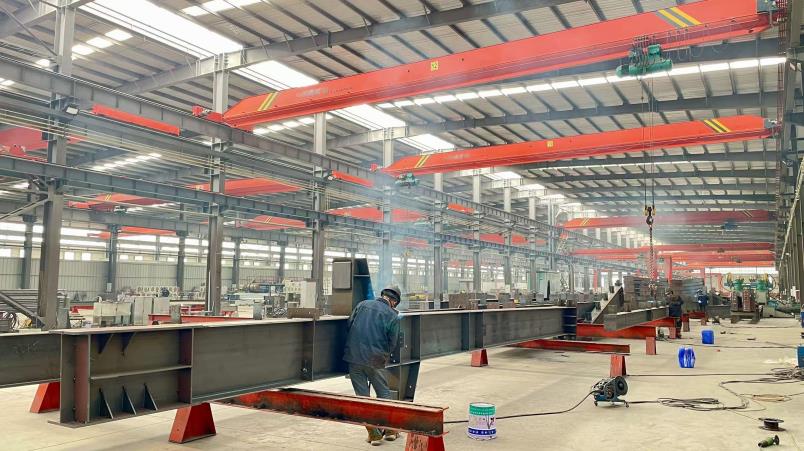
The manufacturing of welded H-beams involves state-of-the-art metallurgical processing and welding precision. Unlike standard hot-rolled structural steel, welded profiles must undergo deep non-destructive testing (NDT) to ensure that the heat-affected zone (HAZ) adjacent to the weld toe maintains optimal grain structure and toughness.
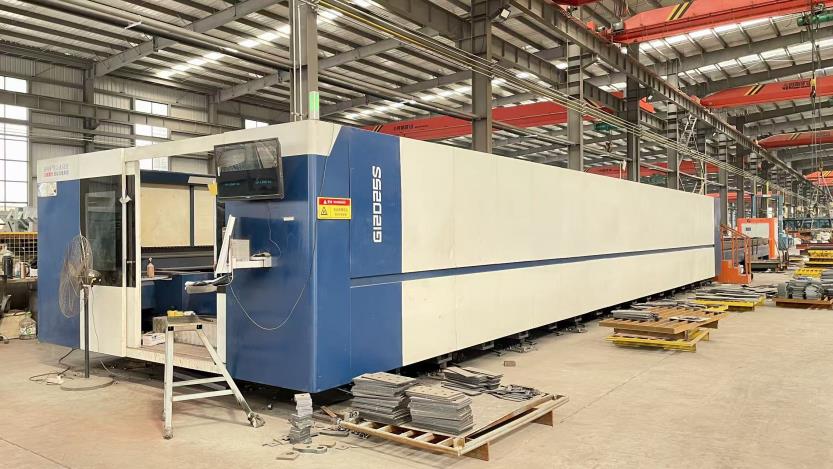
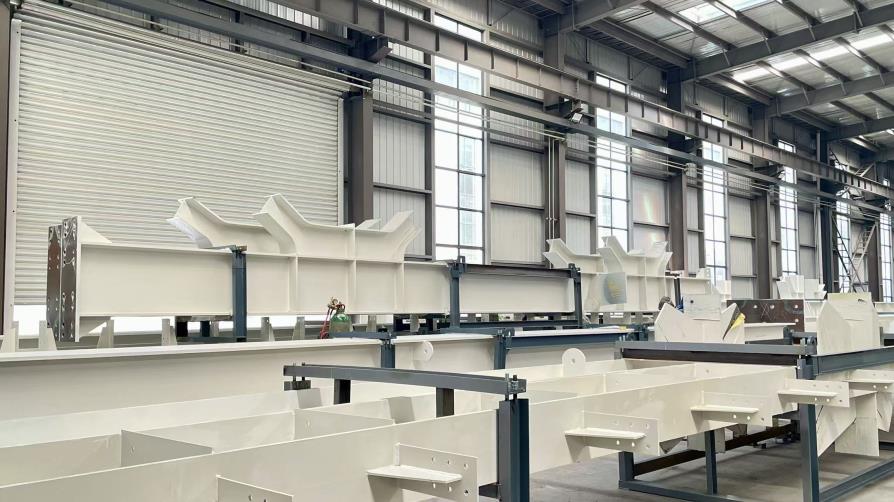
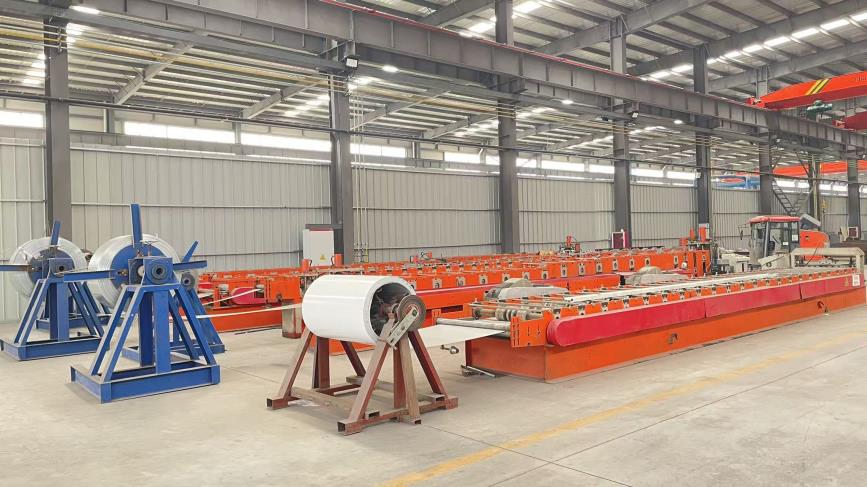
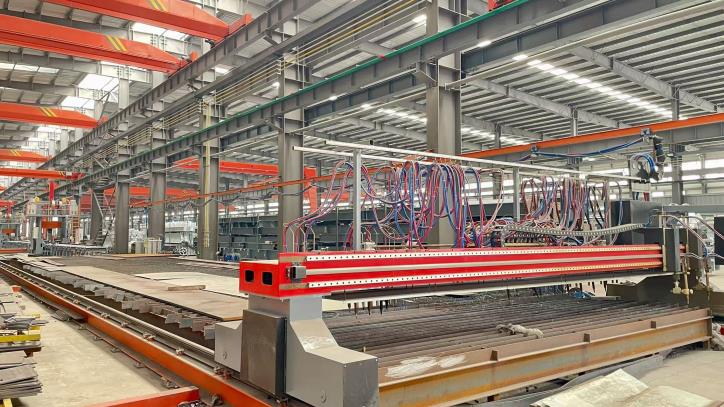
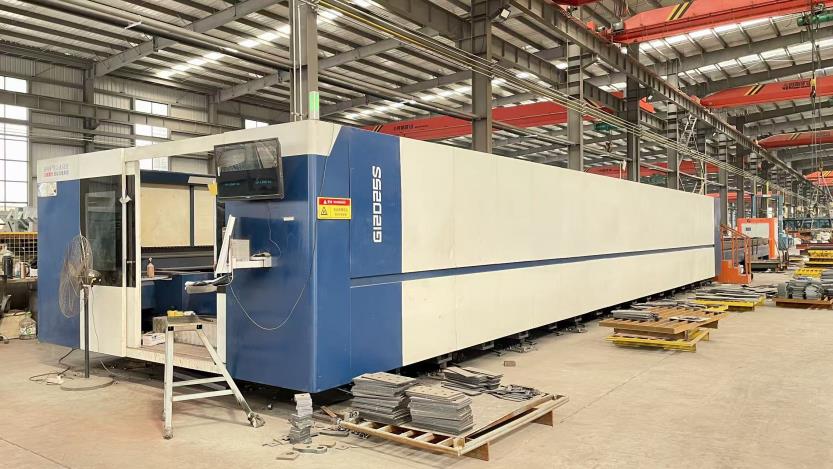
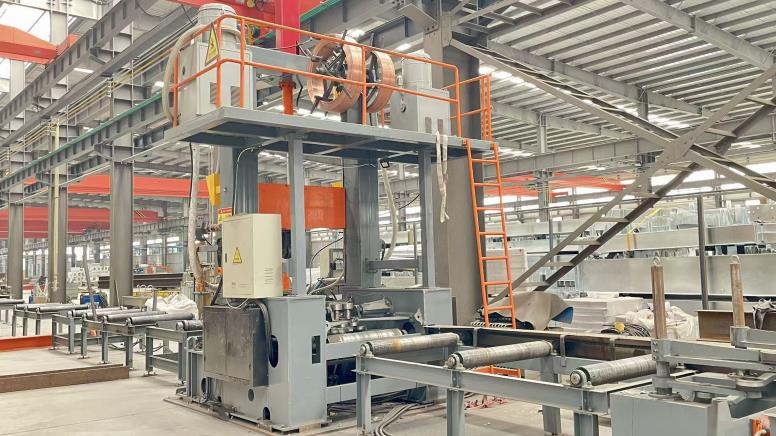
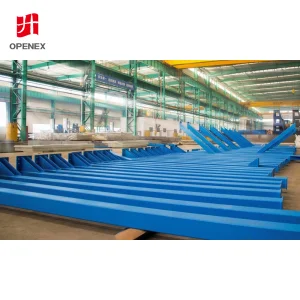
At Shandong Bildon Steel Co., Ltd., we utilize automated Submerged Arc Welding (SAW) technologies and high-end Gas Metal Arc Welding (GMAW) processes. Raw steel plates are cut using precision multi-torch CNC flame cutting and high-power laser cutting tables, guaranteeing dimensional tolerances well within the limits defined by JIS G3192 and ASTM A6 standards.
For buyers and EPC contractors exporting to Nagoya and the broader Japanese market, understanding the mapping between local Japanese Industrial Standards (JIS) and international standards (ASTM / GB) is crucial:
| JIS Standard (Japan) | ASTM Standard (USA) | GB Standard (China) | Yield Strength (Min) | Recommended Applications |
|---|---|---|---|---|
| JIS G3101 SS400 | ASTM A36 | GB Q235B | 245 MPa | Light frames, secondary supports, bracing systems |
| JIS G3106 SM490A/B | ASTM A572 Gr 50 | GB Q355B/C | 345 MPa | Heavy columns, long-span bridge girders, logistics nodes |
| JIS G3106 SM520 | ASTM A992 / Gr 60 | GB Q420 | 400+ MPa | High-rise architectural columns, high shear zones |
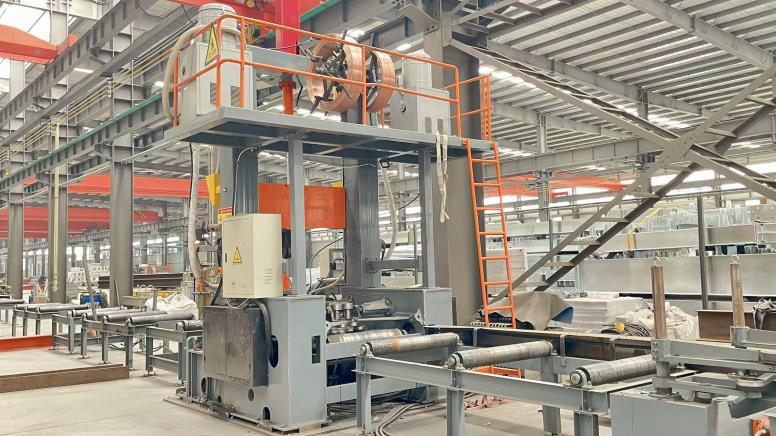
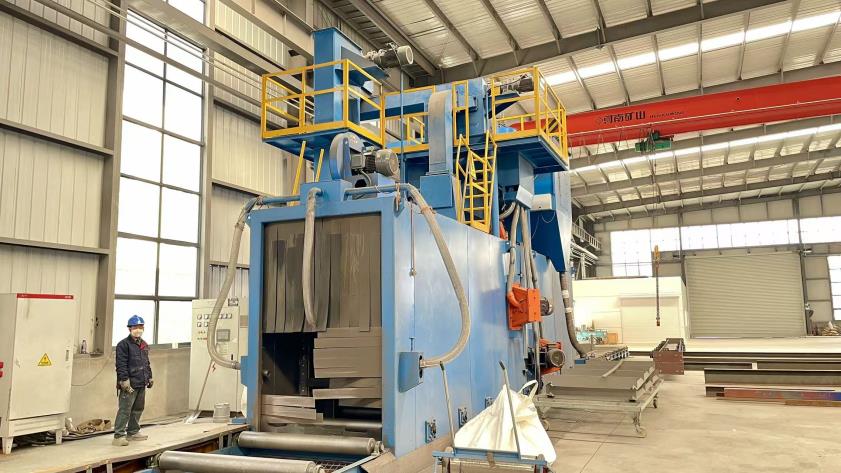
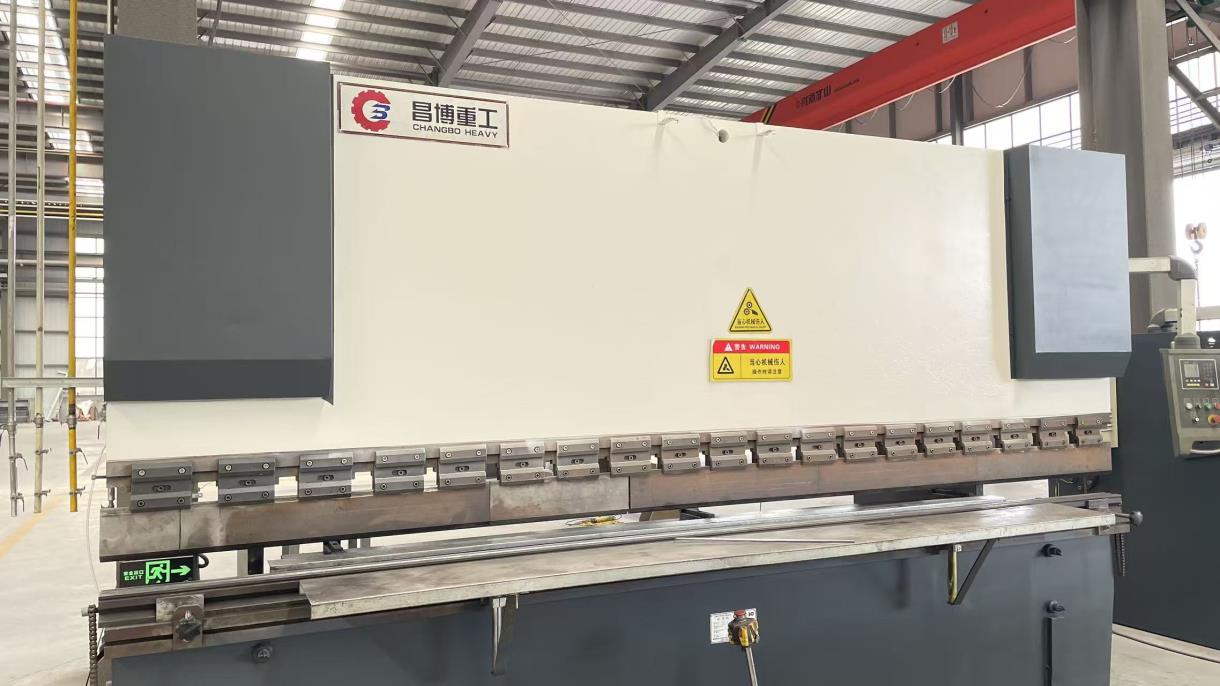
To ensure reliable execution, our welding processes utilize advanced mechanical flange straightening machines immediately post-welding to eliminate all residual thermal stresses. This step is followed by automatic shot blasting to Sa2.5 cleanliness, ensuring high adhesion of anti-corrosion primer coatings suitable for the high humidity of coastal Nagoya.
Procuring structural steel internationally requires a combination of strict product quality control and robust maritime supply chain coordination. The Port of Nagoya, being Japan’s largest port in terms of total cargo throughput, serves as the main point of entry for heavy steel structures. High-efficiency custom clearing procedures and direct shipping routes from North China ports (such as Qingdao and Tianjin) allow Shandong Bildon Steel to offer short lead times, from initial shop drawing approval to arrival at the job site.
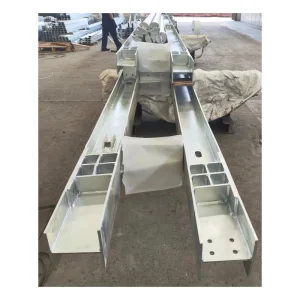
We employ containerized shipping for pre-fabricated light components and bulk vessel transport for heavy-duty, long-span structural beams. The key to reducing installation costs in Nagoya is the degree of pre-assembly. By executing complex fabrications in our ISO-certified factory—such as welding connection gussets, installing baseplates, and preparing welding bevels—on-site labor costs in Japan are minimized. This pre-engineered approach provides a substantial cost benefit to contractors navigating Japan's high labor costs.
"Logistics efficiency is defined at the design stage. By standardizing component segments to fit either 40ft OT containers or flat racks, we ensure secure transoceanic shipping with zero physical deformation."
An integrated service provider in the steel structure industry, specializing in design, manufacturing, fabrication, and structural engineering construction for global markets.
Shandong Bildon Steel Co., Ltd. operates with internationally recognized management systems, including ISO9001 Quality Management System, ISO45001 Occupational Health and Safety Management System, and ISO14001 Environmental Management System. The company is equipped with advanced non-destructive testing (NDT) and quality inspection capabilities, ensuring strict control over every stage of production and construction. It is recognized as a contract-abiding and credit-worthy enterprise, and holds independent import and export rights, with products and services delivered to multiple countries and regions worldwide.
With continuous focus on innovation and industrial upgrading, Shandong Bildon Steel Co., Ltd. actively promotes construction industrialization, digital engineering, and intelligent manufacturing, striving to improve efficiency, precision, and sustainability in steel structure production.
The company’s business scope covers a wide range of engineering applications, including building steel structures, large-scale industrial plants, multi-storey and high-rise steel buildings, non-standard steel components, complete equipment supporting steel structures, metal processing, special steel structures, and heavy steel structures. It also has strong capabilities in high-end engineering fields such as nuclear power infrastructure, photovoltaic power generation systems, shipbuilding steel structures, curtain wall engineering, and offshore wind power structures.
Exporting fabricated steel to Nagoya requires deep familiarity with Japan's Building Standard Act (Kenchiku Kijun-hō) and Ministerial Approvals. Typically, steel structures must utilize components from manufacturers that hold specific standard qualifications. At Shandong Bildon Steel, we manage complete quality documentation, raw material mill sheets (ISO / EN / GB/ JIS equivalents), and detailed weld inspectability certifications.
Our quality management involves rigorous 3rd party testing. Structural Welded H-Beams undergo Ultrasonic Testing (UT) in accordance with standard EN 10160 or Japanese JIS Z 3060, ensuring that there are no internal defects within the full-penetration butt joints. Web-to-flange fillet welds are checked via Magnetic Particle Testing (MT) or Dye Penetrant Inspection (PT) to ensure no micro-cracking occurs along the stress concentration zones.
Furthermore, for architectural and infrastructure projects in central Nagoya, environmental criteria (CASBEE - Comprehensive Assessment System for Built Environment Efficiency) are highly relevant. The carbon footprint of structural steel is a major factor. Our commitment to high-yield steels ensures less raw material is consumed, matching the modern ESG (Environmental, Social, and Governance) targets of Japanese engineering conglomerates.
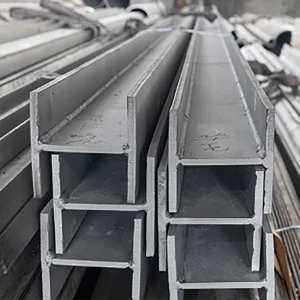
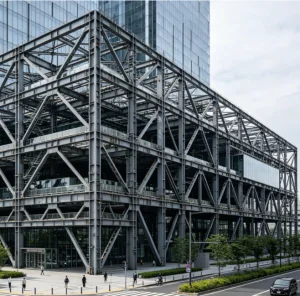
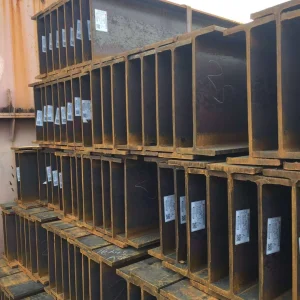
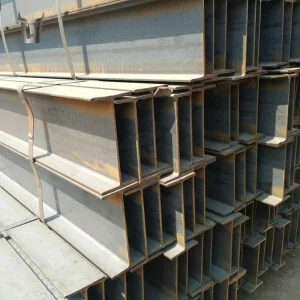
Browse our verified range of welded H-beams, structural supports, and heavy metal components engineered for international project execution.
Pioneering carbon-reduced steel processing, automation, and advanced non-destructive methodologies.
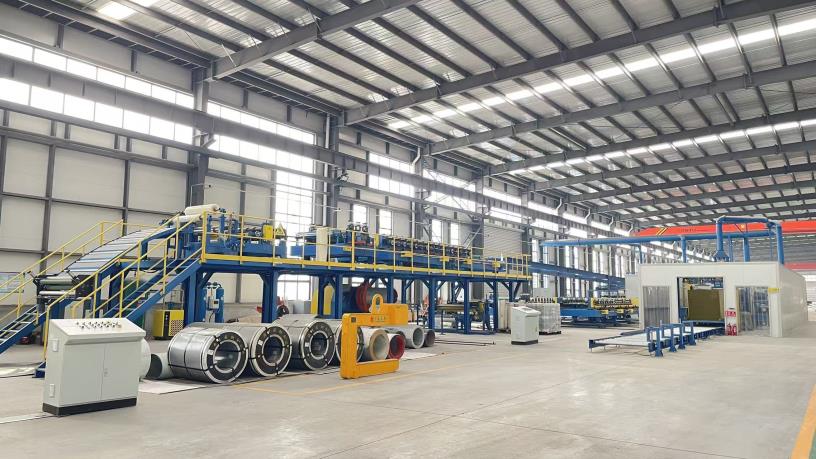
As global steel fabrication transitions toward Industry 4.0, Shandong Bildon Steel is implementing an AI-guided manufacturing roadmap. Using automated nesting algorithms, we minimize scrap rates during the plate cutting process to below 2.5%. Our advanced sub-arc welding stations feature real-time acoustic sensors to monitor bead stability, preventing porosity and slag inclusions in critical structural members.
Simultaneously, we address the environmental mandates of our global clients. By transitioning to high-purity electric arc furnace (EAF) raw billets and sourcing renewable solar energy for our manufacturing facilities, we are proactively lowering the embodied carbon of each ton of H-beams exported to Japan. This carbon transparency is documented through verified Environmental Product Declarations (EPDs), assisting EPCs in achieving high scores in Japanese green construction rankings.
High-end structural profiles designed for extreme environments, heavy infrastructure projects, and marine environments.
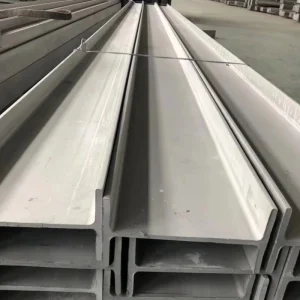
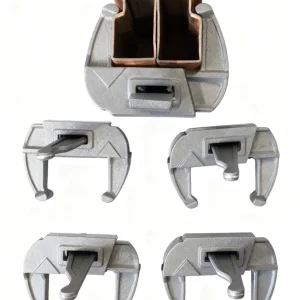
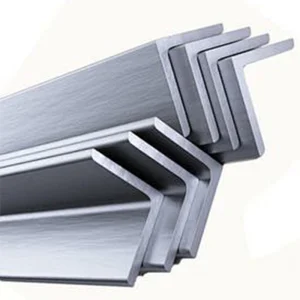
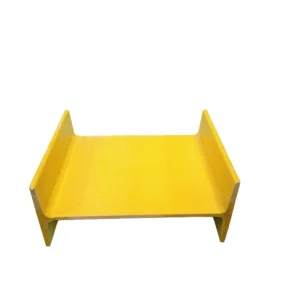
Crucial industrial details for construction firms and design engineers when specifying welded H-beam elements.
From drafting shop drawings and structural validation to precision automated fabrication and logistical shipping, Shandong Bildon Steel delivers certified structural reliability to your project site.