Bildon Steel
Bildon Steel
Bildon Steel
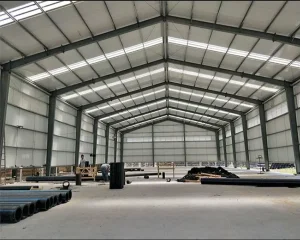
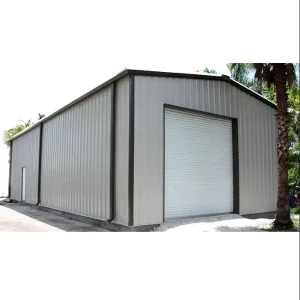
As one of the youngest sovereign states of the 21st century, Timor-Leste is undergoing a profound structural economic transformation. Strategically positioned between Southeast Asia and the Pacific, the nation's Strategic Development Plan (SDP) 2011–2030 emphasizes the rapid development of infrastructure, logistics, and secondary industrial sectors. The realization of the state-of-the-art Tibar Bay Port, alongside planned special economic zones (ZEESM) in Oecusse and petroleum processing hubs under the Tasi Mane project along the southern coastline, has catalyzed the demand for rapid, high-durability building solutions.
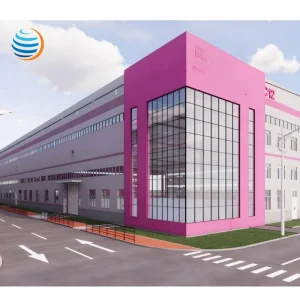
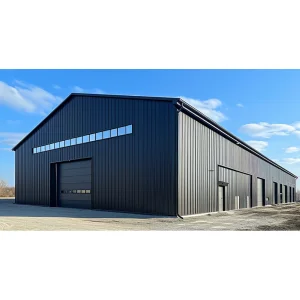
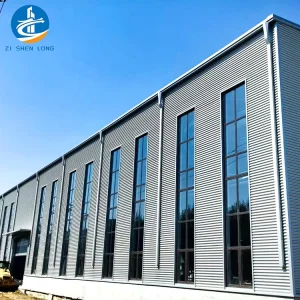
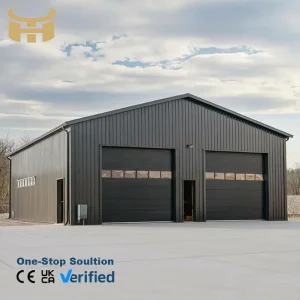
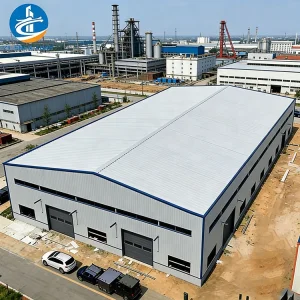
Traditional concrete structures present significant limitations in the Timorese context. Long construction times, reliance on imported aggregate materials, high on-site labor requirements, and vulnerabilities to seismic activity make conventional masonry inefficient for fast-track industrial setups. In contrast, Pre-Engineered Heavy Industrial Steel Workshops from experienced exporters like Shandong Bildon Steel Co., Ltd. offer an engineered alternative that significantly reduces project completion timelines while offering unrivaled seismic performance.
By shifting the primary fabrication process to a highly controlled digital factory environment in China, components are optimized for material yield, geometric accuracy, and structural integrity. They are shipped as ready-to-assemble kits directly to the ports of Dili or Tibar. This workflow guarantees predictable project delivery timelines, bypassing local weather limitations such as the wet monsoon season which typically disrupts conventional cast-in-place concrete operations.
Situated on the collision zone between the Eurasian, Pacific, and Australian tectonic plates, Timor-Leste is prone to high-intensity earthquakes. Our heavy industrial steel workshops are designed with optimized ductility. Using ductile moment-resisting frames (MRFs) and braced frame structures (CBFs/EBFs), the buildings disperse seismic energy dynamically, protecting human lives and capital equipment.
Timor-Leste experiences extreme weather patterns, including tropical cyclones and high wind speeds during the wet season. All portal frames exported by Shandong Bildon Steel are engineered using finite element analysis (FEA) to withstand wind velocities of up to 55 m/s (approx. 200 km/h). Structural calculations conform to AS/NZS 1170.2 and local wind profiles.
With key economic centers located directly on the coast (Dili, Suai, Baucau), high relative humidity and airborne salt spray accelerate metal degradation. We apply premium hot-dip galvanization (minimum 600g/m² coating weight) and multi-layered polyurethane topcoat paint systems categorized up to C5-M (Marine Coastal) corrosivity class to ensure a service life exceeding 50 years.
Shandong Bildon Steel Co., Ltd. operates at the intersection of global construction methodologies and localized engineering deployment. Our manufacturing plants are equipped to meet strict international frameworks including ASTM (American Society for Testing and Materials), AS/NZS (Australian/New Zealand Standards), and Eurocodes (EN). This guarantees that all prefabricated members delivered to Timor-Leste integrate seamlessly into projects funded by international financial institutions (such as the Asian Development Bank and World Bank) which require rigorous compliance documentation.
Our quality control protocols incorporate advanced Non-Destructive Testing (NDT), including Ultrasonic Testing (UT), Magnetic Particle Testing (MT), and Radiographic Testing (RT) for high-load weld connections. The fabrication workflow operates under a strict Integrated Management System (IMS), complying with:
Our factory features advanced automated machinery to ensure every steel column, beam, purlin, and gusset plate is fabricated to sub-millimeter tolerances. Below is our standard manufacturing process flow deployed for Timor-Leste industrial projects:
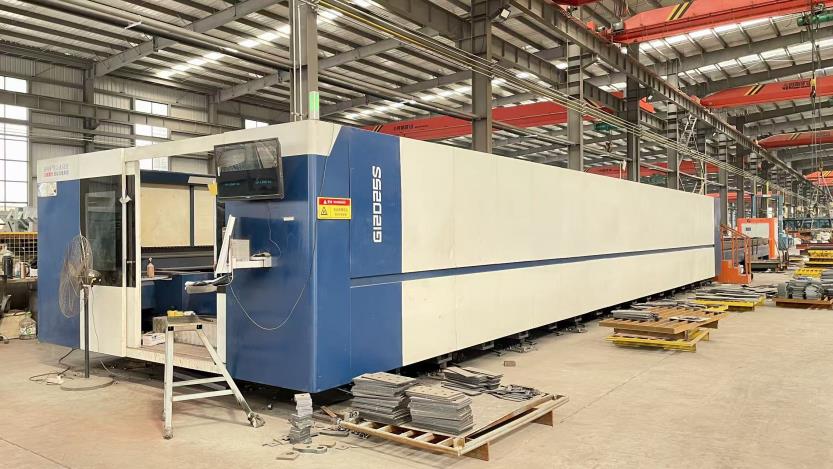
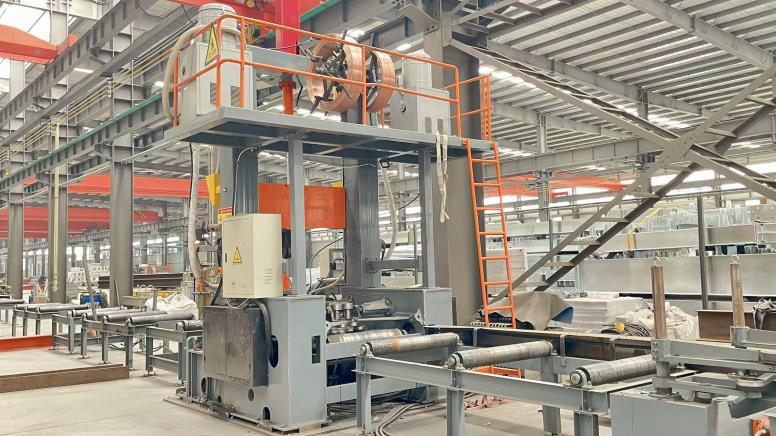
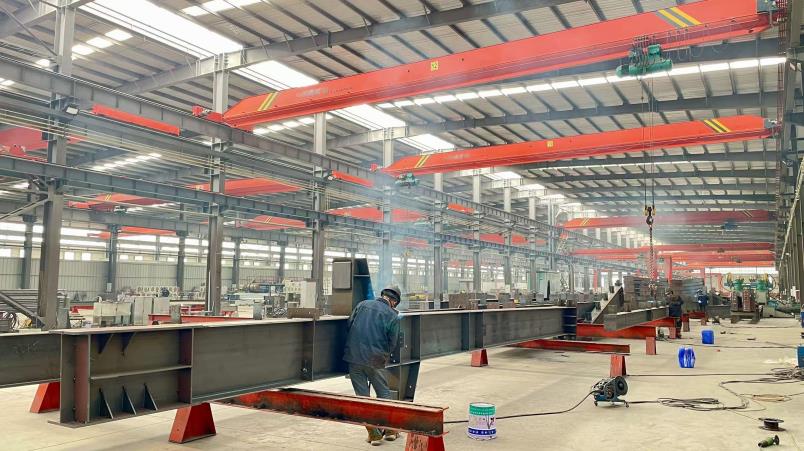
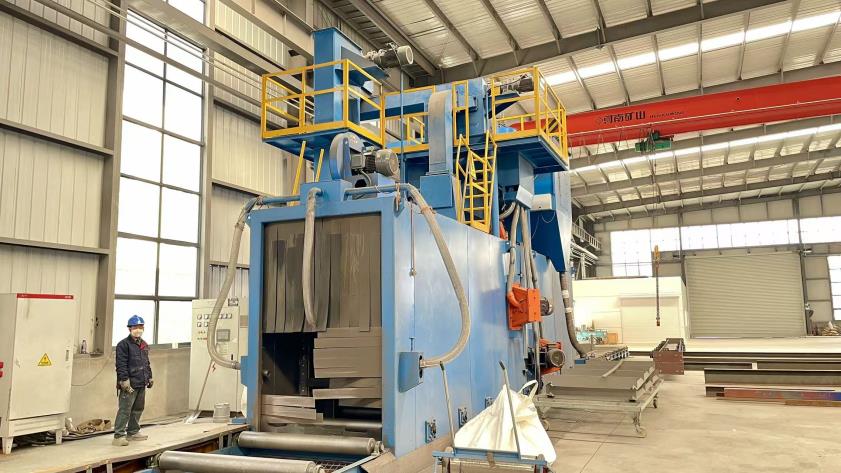
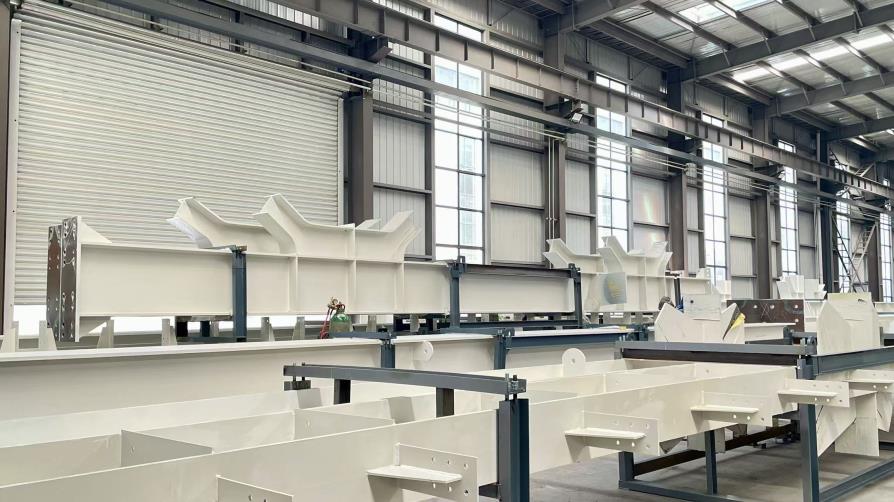
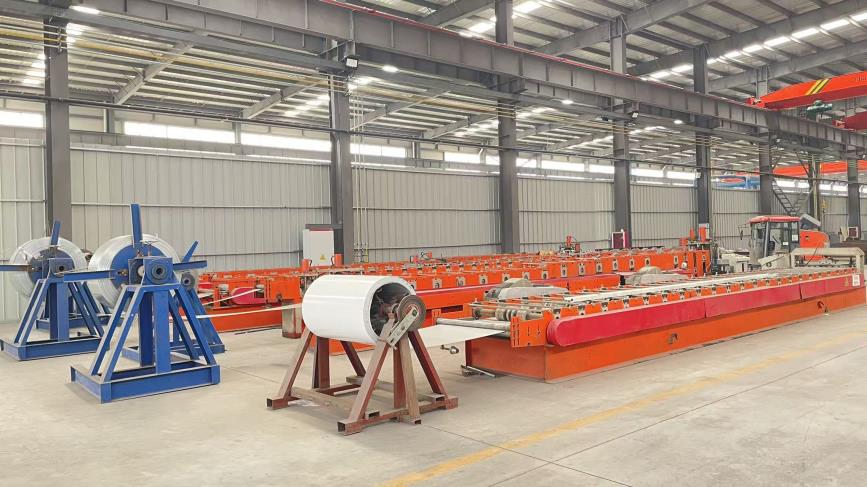
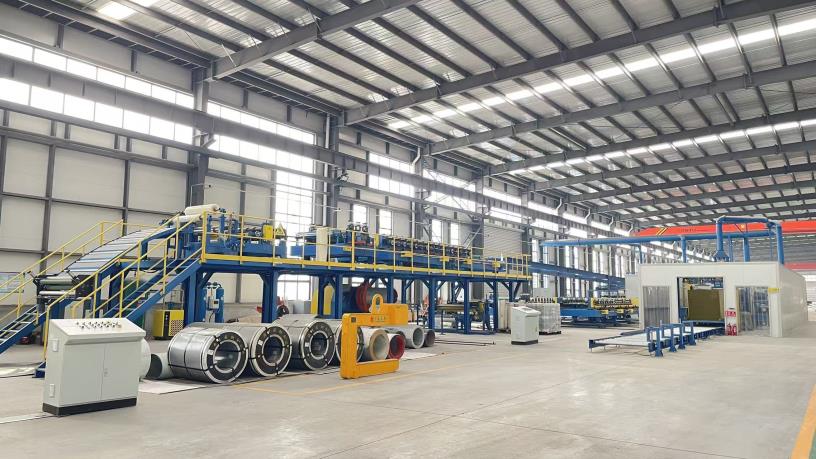
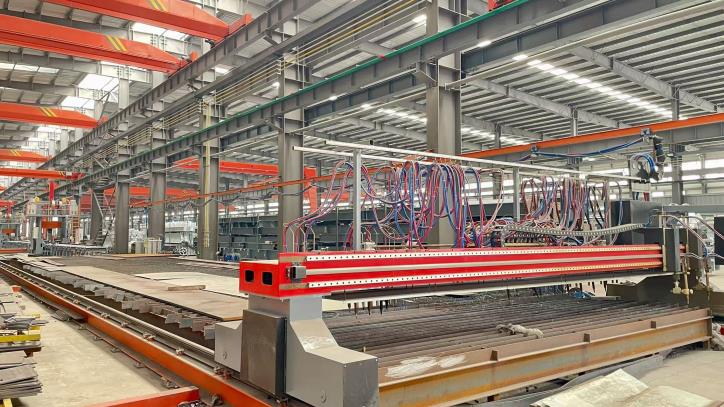
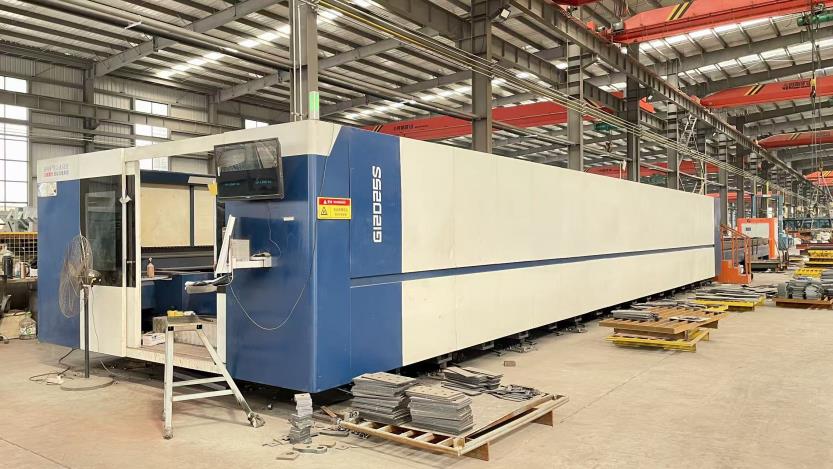
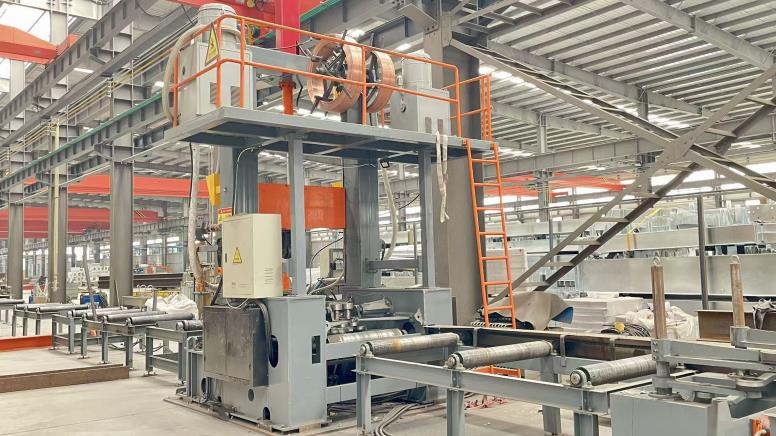
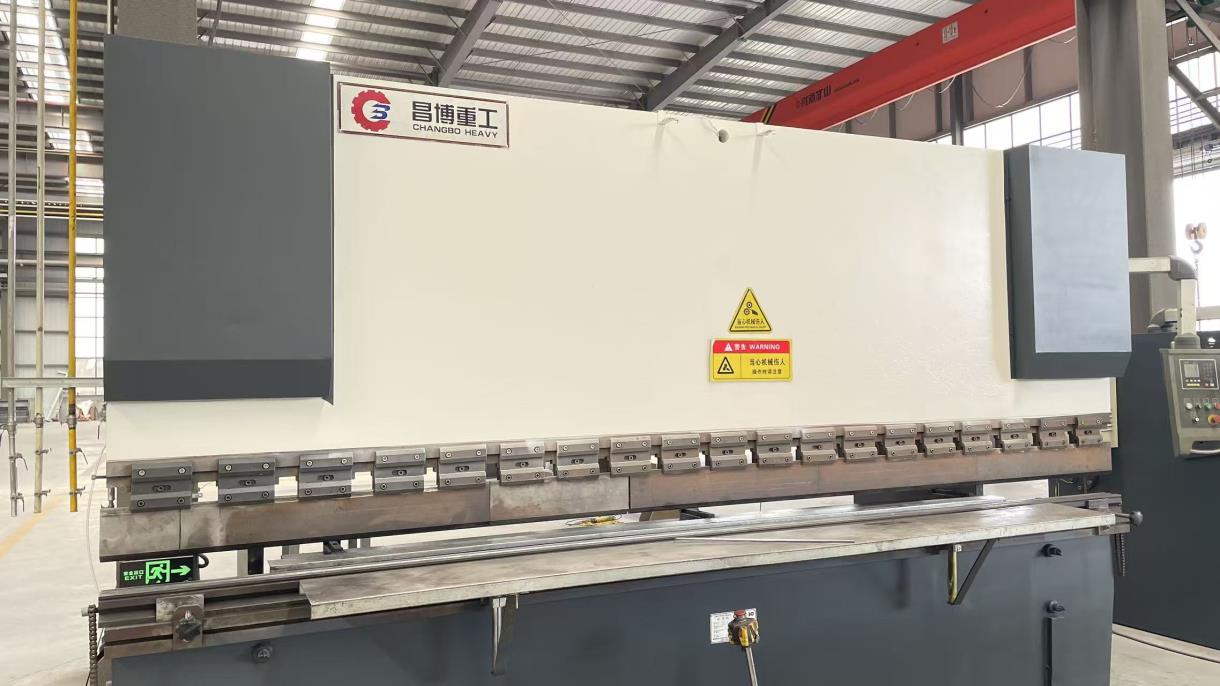
Shipping large-scale heavy industrial steel buildings to Timor-Leste requires deep logistics expertise. With decades of international experience, Shandong Bildon Steel utilizes a systematized packaging protocol. Frame elements are bundled with heavy-duty steel bands and protective padding, minimizing surface abrasion during sea transit. Structural components are arranged in open-top or standard sea containers to maximize space utilization, reducing freight costs to the Port of Dili or Tibar.
Once the cargo arrives at the designated job site in Timor-Leste, assembly speed is critical. Our engineering team provides a comprehensive structural documentation package. This package features detailed 3D erection drawings generated directly from TEKLA Structure models, complete with match-marking on every component to facilitate straightforward identification by local site crews.
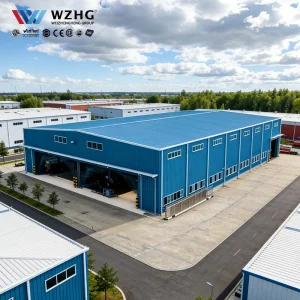
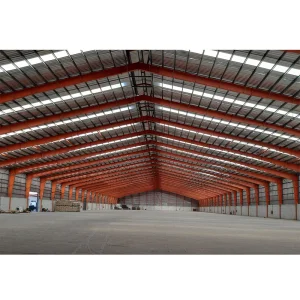
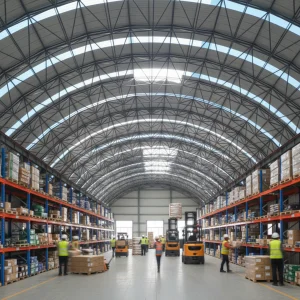
High-clearance, column-free steel structures optimized for logistics depots, freight forwarding hubs, and container freight stations (CFS). Designed for seamless forklift and overhead crane integration to support heavy containerized workflows.
Specialized pre-engineered warehouses built using thermal insulated polyurethane (PU) sandwich panels. Engineered to maintain controlled interior temperatures and relative humidity levels essential for storing raw coffee beans and processing operations.
Heavy duty pipe racks, maintenance hangars, and complex process platforms designed to comply with API and international standards, supporting petroleum logistics and downstream operations on Timor-Leste's southern coast.
Sustainability is key in modern infrastructure developments. Steel stands out as the ultimate green building material, featuring recycling rates that exceed 90%. In terms of thermal efficiency, our wall and roofing packages use premium insulation profiles (Polyurethane, Rockwool, or Glasswool core sandwich panels) which significantly reduce the energy load required for mechanical air conditioning in tropical climates.
Looking forward, Shandong Bildon Steel is expanding the boundaries of Pre-Engineered Buildings (PEB) through direct integration of Building Information Modeling (BIM). This digital design workflow allows architects, engineers, and construction crews to run comprehensive clashing tests and project simulations prior to physical manufacturing. This minimizes material waste and guarantees that structural penetrations for utilities, HVAC, and fire suppression systems are precision-cut in our factory.
Eliminating field fitting issues and structural interferences through comprehensive virtual building mockups.
Prefabricated frame components optimized for solar panel installations and rainwater harvesting systems.
Applying advanced nanotechnology-based anti-corrosion barriers designed for extreme coastal humidity.