Bildon Steel
Bildon Steel
Bildon Steel
Engineered for Resilience, Precision, and Global Compliance
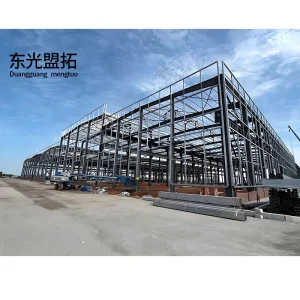
The global steel structural analysis and fabrication market is undergoing a paradigm shift. Valued at billions of dollars, the industry is transitioning from labor-intensive traditional building methods to high-precision, off-site prefabricated systems. Steel remains the backbone of modern infrastructure due to its unparalleled strength-to-weight ratio, durability, and recyclability. However, the modern marketplace demands more than just raw material; it requires advanced structural analysis to optimize material usage and ensure safety under extreme seismic or climatic loads.
From the rapid urbanization in Southeast Asia to the retrofitting of aging industrial hubs in North America and Europe, the demand for "intelligent steel" is skyrocketing. Steel structural analysis factories are no longer just fabricators; they are engineering partners who utilize Finite Element Analysis (FEA) and Building Information Modeling (BIM) to predict performance before the first beam is even cut. This proactive approach minimizes onsite errors and reduces the "embodied carbon" of construction projects—a critical factor in today's green-conscious economy.
A Global Leader in Integrated Steel Engineering & Manufacturing
Driving the Next Generation of Structural Excellence
Utilizing machine learning algorithms to optimize H-beam and truss designs, reducing material weight by up to 15% without compromising load-bearing capacity.
Full-cycle Building Information Modeling allows for real-time collaboration between architects, engineers, and fabricators, eliminating spatial conflicts before construction.
Implementing electric arc furnace (EAF) steel and zero-VOC coatings to meet the stringent environmental requirements of the LEED and BREEAM certifications.
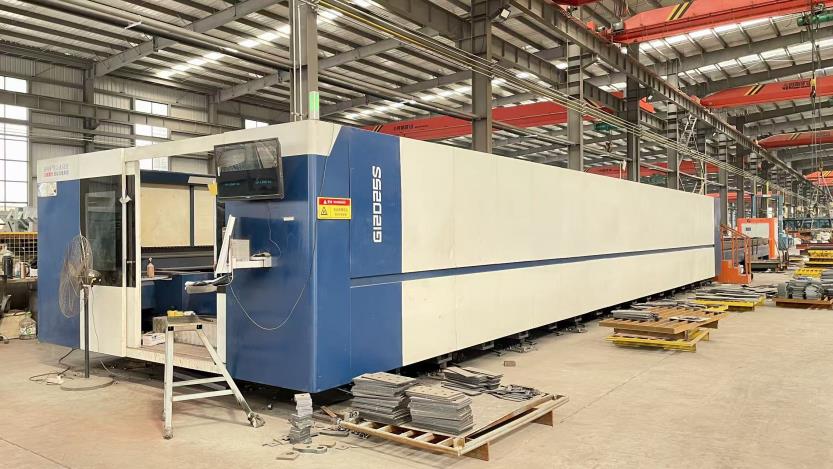
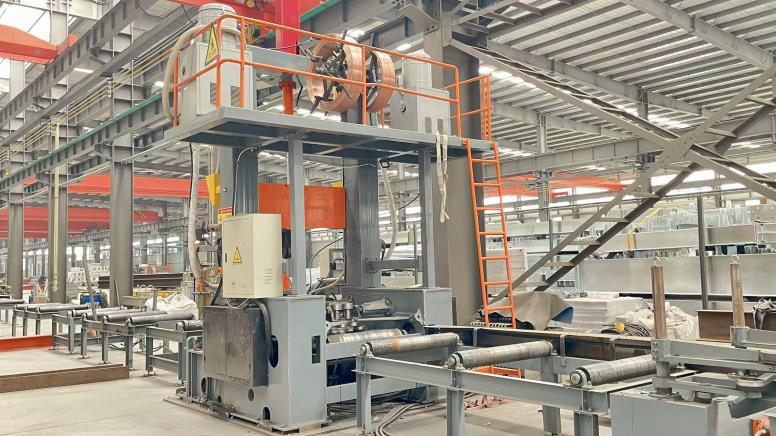
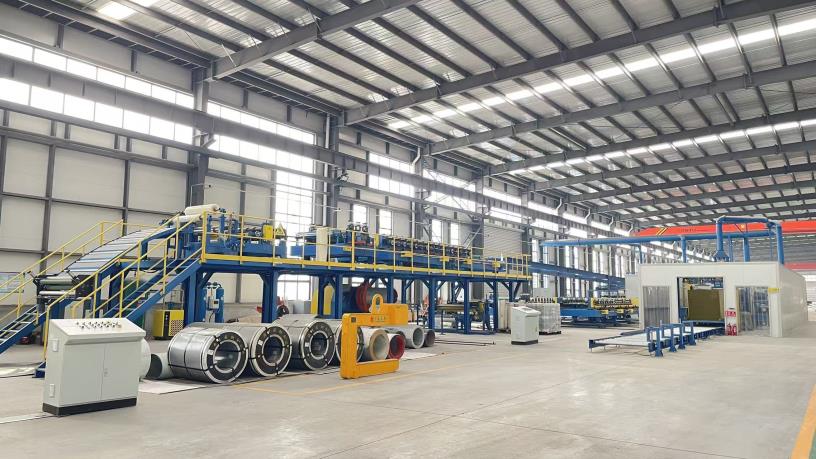
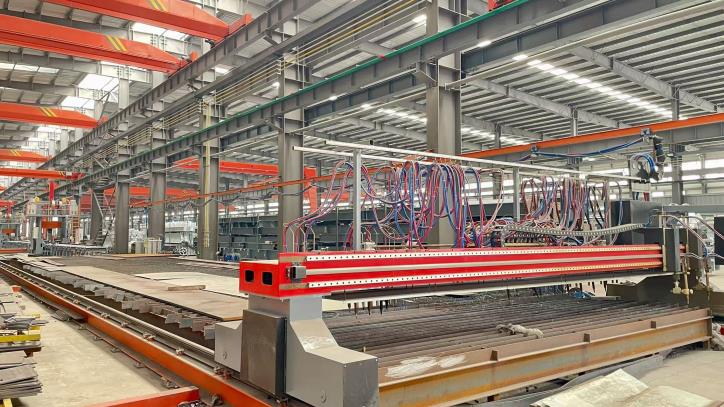
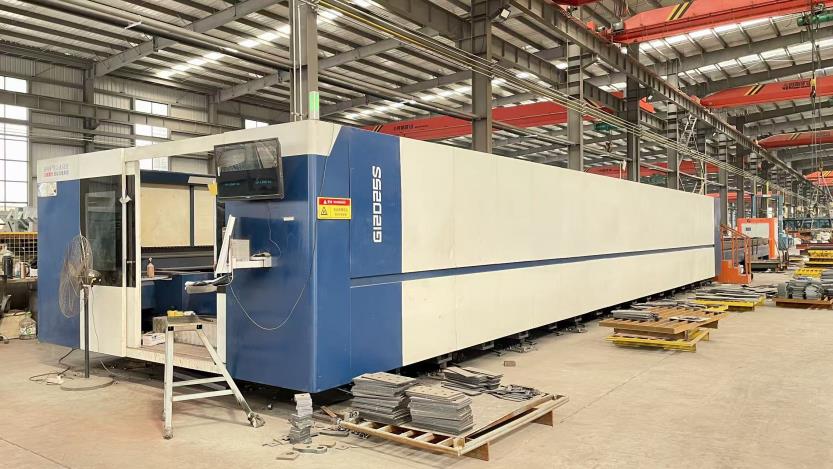
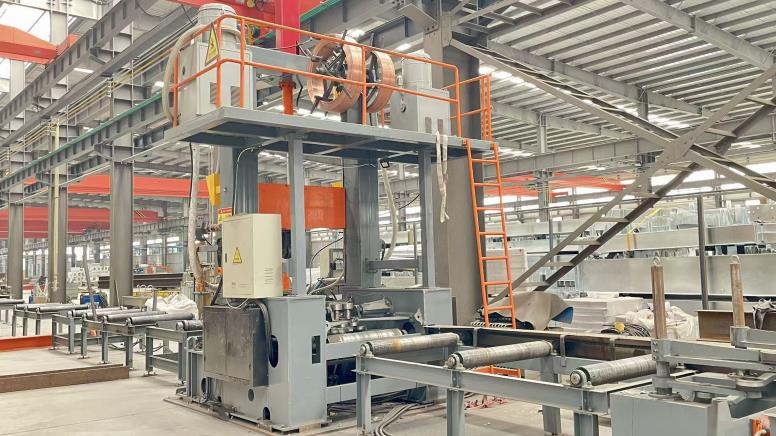
Transitioning to 100% automated welding and laser cutting stations to ensure absolute consistency across thousands of tons of structural components.
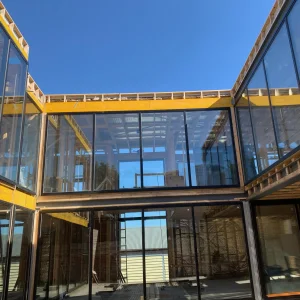
Developing structural systems for high-rise buildings that can be assembled like modules, cutting onsite labor requirements by 60%.
Where Engineering Precision Meets Industrial Scale
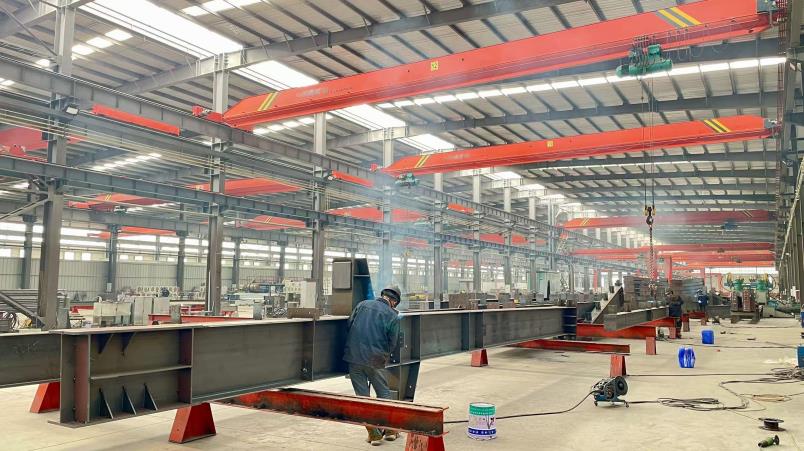
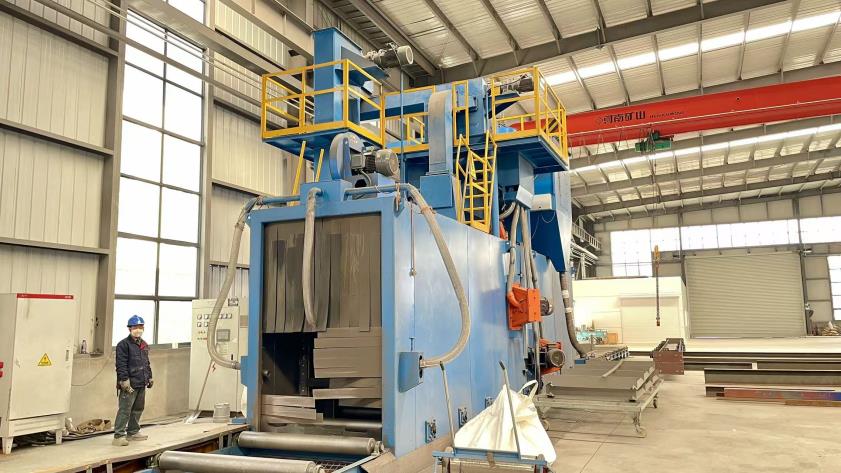
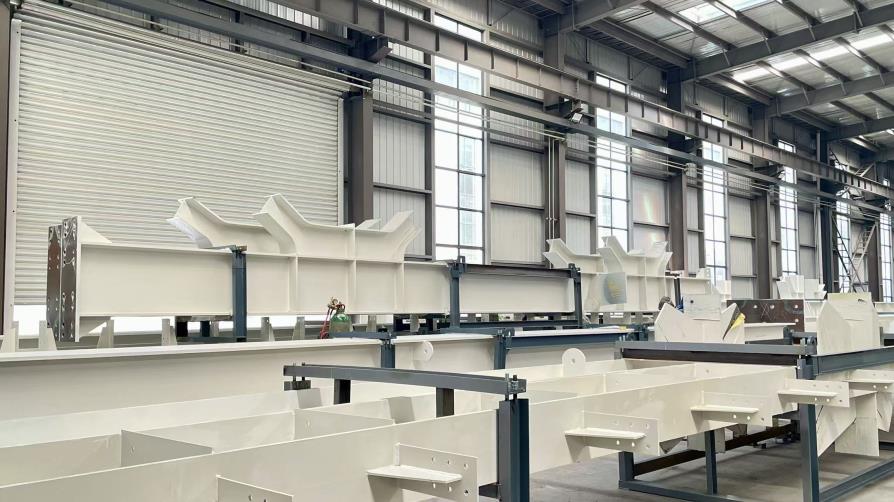
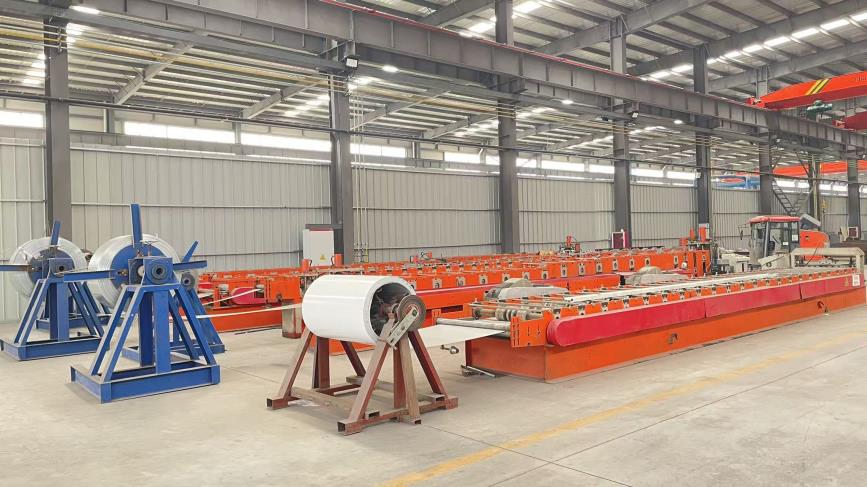
Bridging the Gap Between Design and Reality
For buildings exceeding 100 meters, we implement core-and-outrigger systems and high-strength steel composites to handle wind swaying and gravity loads efficiently. Our analysis includes time-history analysis for seismic resilience.
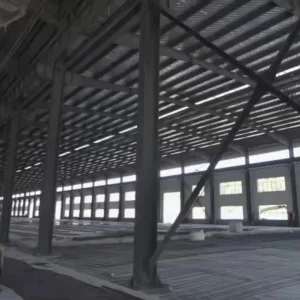
Designed for heavy machinery and overhead cranes, these structures utilize gantry frames and deep H-beams. We focus on dynamic load analysis and fatigue testing to ensure a 50+ year operational life.
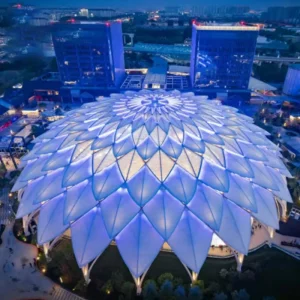
Utilizing ETFE membranes and steel cable networks, these are ideal for stadiums and large-scale commercial canopies. We specialize in non-linear analysis for flexible systems.
Expert Insights on Structural Steel Procurement and Engineering
Structural analysis ensures that the material specified (e.g., Q355B or ASTM A36) is sufficient to handle the specific environmental loads (snow, wind, seismic) of your site. This prevents catastrophic failure and avoids "over-engineering," which can save 10-20% in material costs.
Hot-dip galvanizing provides superior corrosion resistance in high-humidity or coastal environments by creating a metallurgical bond. Painting is better for aesthetic control and fire-retardant coating (intumescent paint) application.
We employ AWS (American Welding Society) and EN certified welders. Every critical joint undergoes NDT (Ultrasonic or X-ray testing) to ensure zero internal defects before shipping.
Yes, by using cold-formed steel or heavy H-beam structures with specific "high-wind resistance" design parameters, our buildings can be engineered to withstand wind speeds exceeding 250km/h.
Modular, Modern, and Sustainable Building Systems