Bildon Steel
Bildon Steel
Bildon Steel
In the high-stakes landscape of global aviation, defense infrastructure, and industrial MRO (Maintenance, Repair, and Overhaul) facilities, Pre-Engineered Steel Hangars (PESH) have transitioned from secondary building alternatives to primary structural requirements. Structural stability, rapid deployment capabilities, and optimal clear-span configurations dictate the operational readiness of global logistics and commercial transport fleets. This deep-dive industrial whitepaper details the structural dynamics, sourcing metrics, and the top-tier manufacturing processes that define the leading global exporters.
Modern procurement strategies for clear-span steel hangars are highly dependent on complex international risk metrics, geographic and regional compliance, and long-term asset lifecycle efficiency. Organizations are shifting away from heavy, localized conventional masonry/concrete towards structural steel-framed solutions due to their clear advantages in flexibility and overall return on investment (ROI).
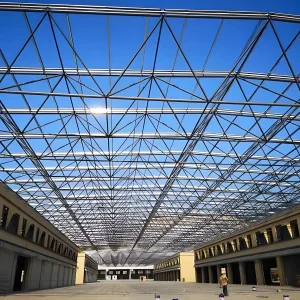
Unlike standard warehouses, aviation hangars require column-free spans ranging from 45 to over 150 meters to safely facilitate the movement of commercial narrow-body and wide-body aircraft (e.g., Airbus A350, Boeing 777X). Engineering these enormous spans demands high-performance structural steel alloys, rigid frame systems, and spatial truss optimization to manage vertical deflection and massive wind-shear loads.
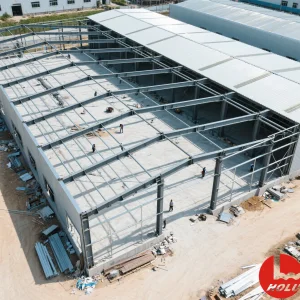
By leveraging advanced pre-engineered manufacturing, steel structures are custom prefabricated down to millimeter-level accuracy at centralized production facilities. This digital engineering and off-site manufacturing approach cuts erection times on-site by up to 50%, minimizing active airport runway disruptions, logistical lag, and high local labor expenses.
Exporters must perform multi-scenario finite element analysis (FEA) to design hangar projects for extreme environmental forces, including category-5 hurricane winds (up to 250 km/h), high-magnitude seismic events (such as IBC Seismic Zone D), and substantial localized snow loads.
Positioned as an elite tier-1 international structural engineering entity, Shandong Bildon Steel Co., Ltd. is a leading integrated service provider. The organization excels across structural design, multi-hazard simulation, automated steel fabrication, and streamlined global logistics. Backed by rigorous international management standards, including ISO9001 Quality Management System, ISO45001 Occupational Health and Safety Management System, and ISO14001 Environmental Management System, Bildon ensures reliable execution and compliance across global markets.
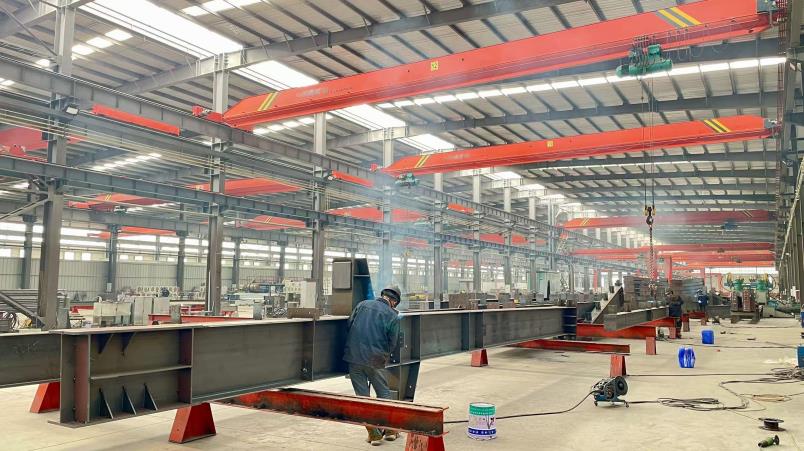
Bildon Steel incorporates state-of-the-art Non-Destructive Testing (NDT) methodologies including ultrasonic testing (UT), radiographic testing (RT), and magnetic particle testing (MT) at every key fabrication milestone. This ensures that every high-load connection, welded H-beam, and structural joint meets global aviation and civil infrastructure safety mandates, giving international clients complete structural reliability.
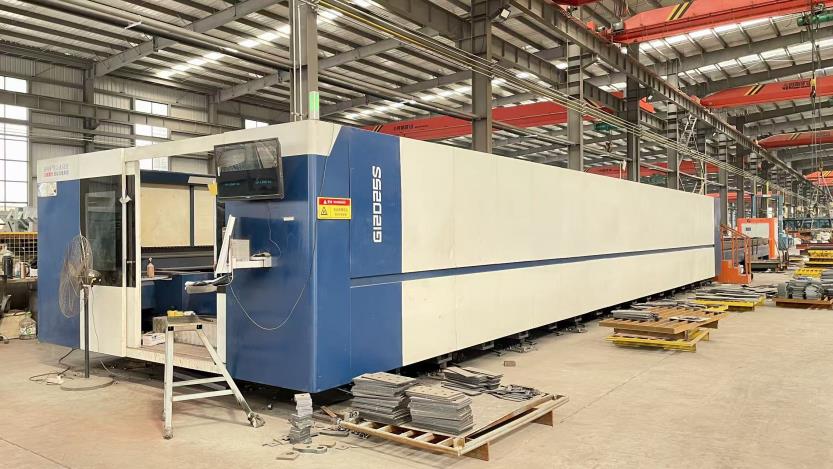
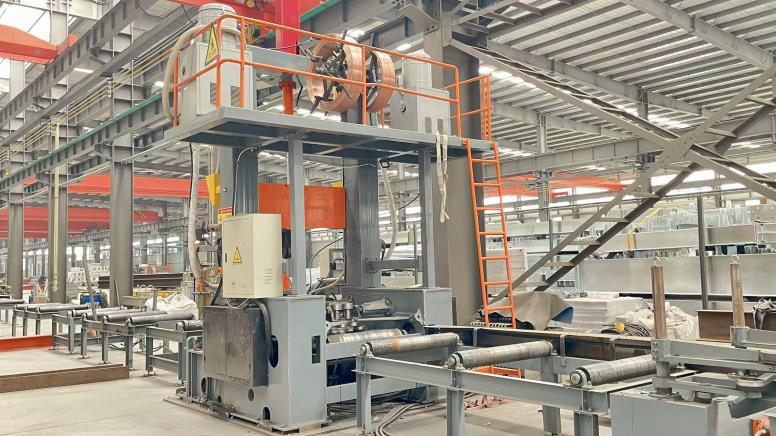
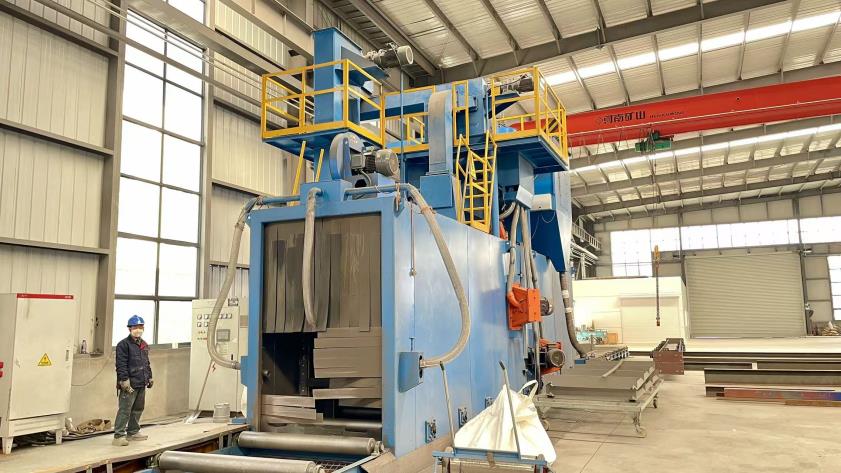
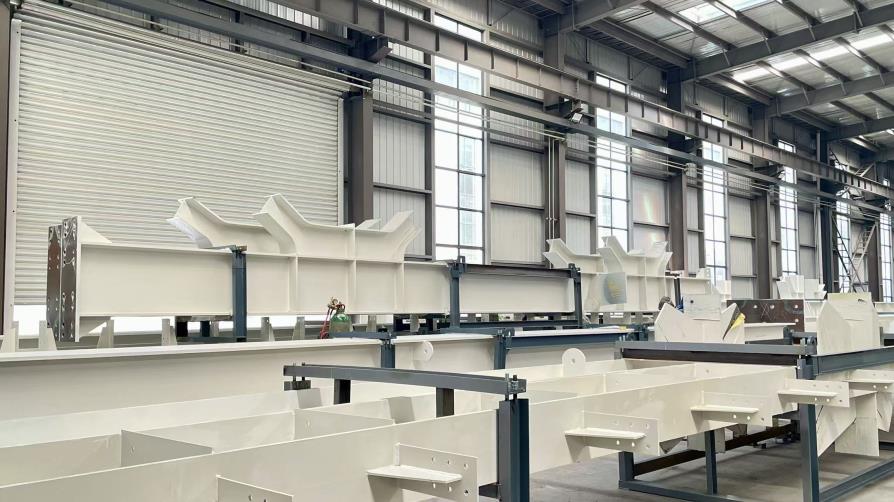
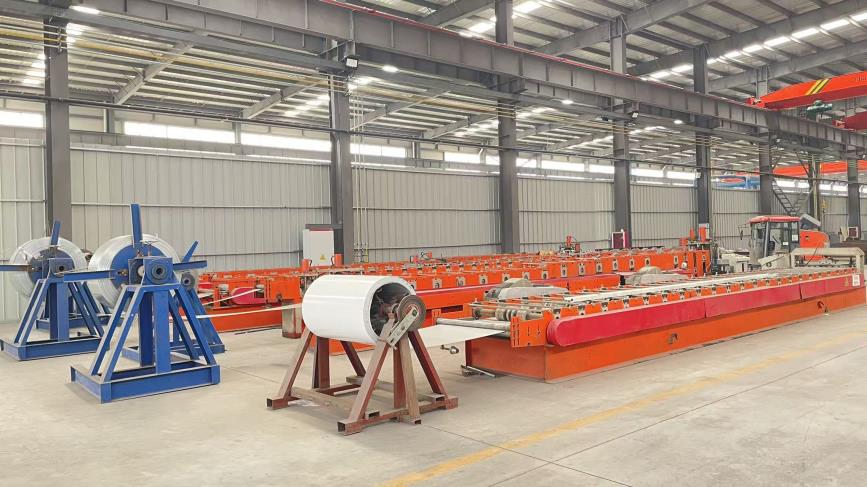
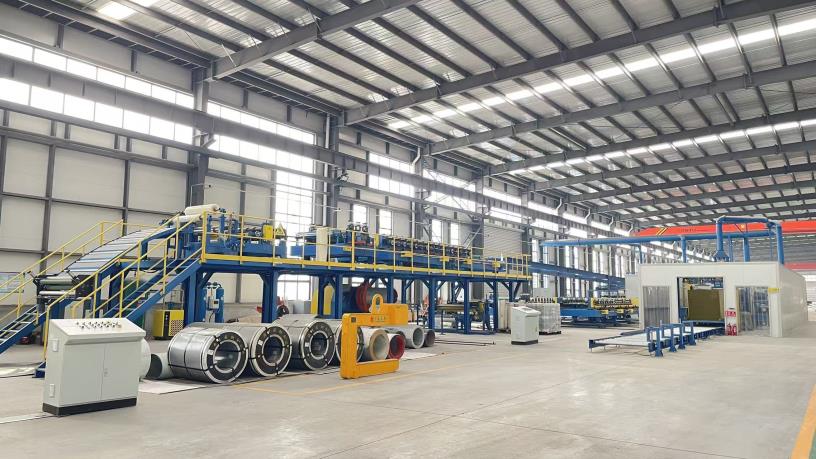
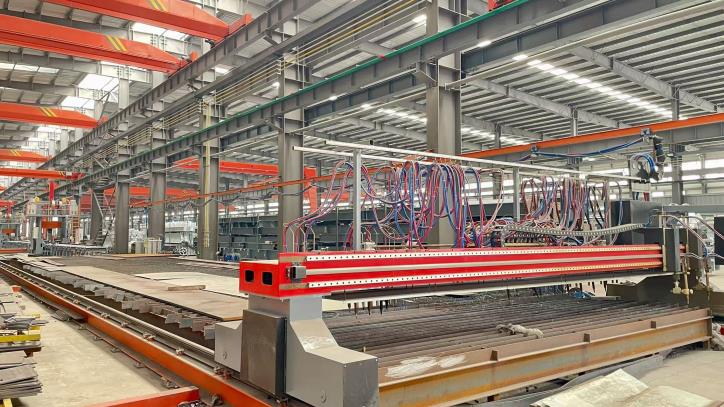
Precision is critical to pre-engineered steel engineering. Below is an inside look at the automated heavy-industry manufacturing process utilized within Bildon Steel’s production facility:
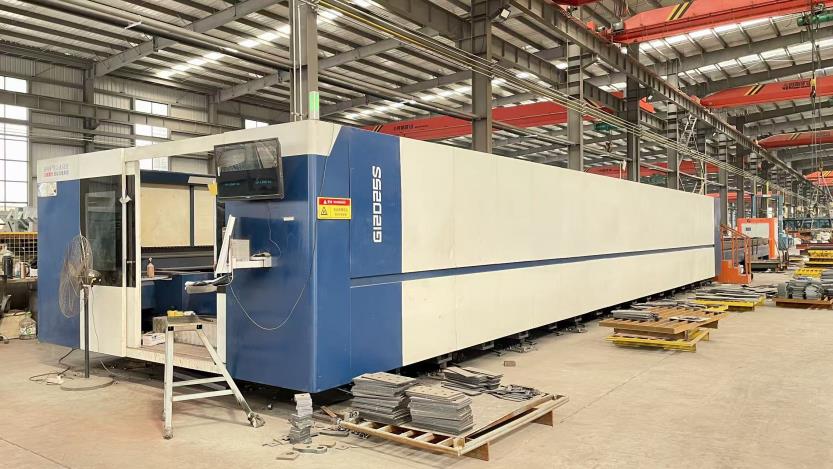
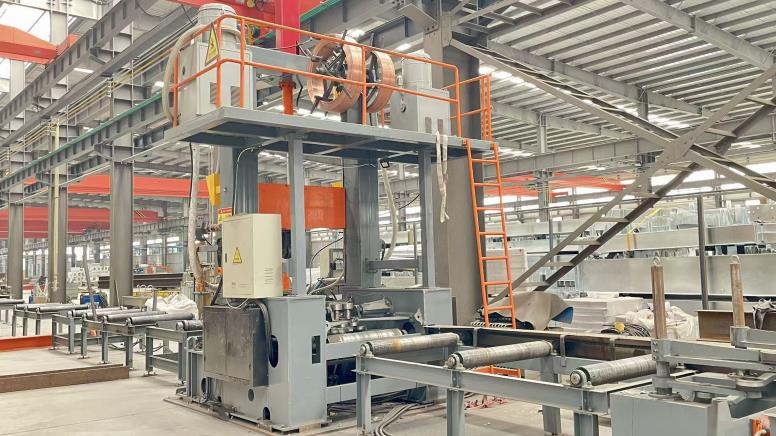
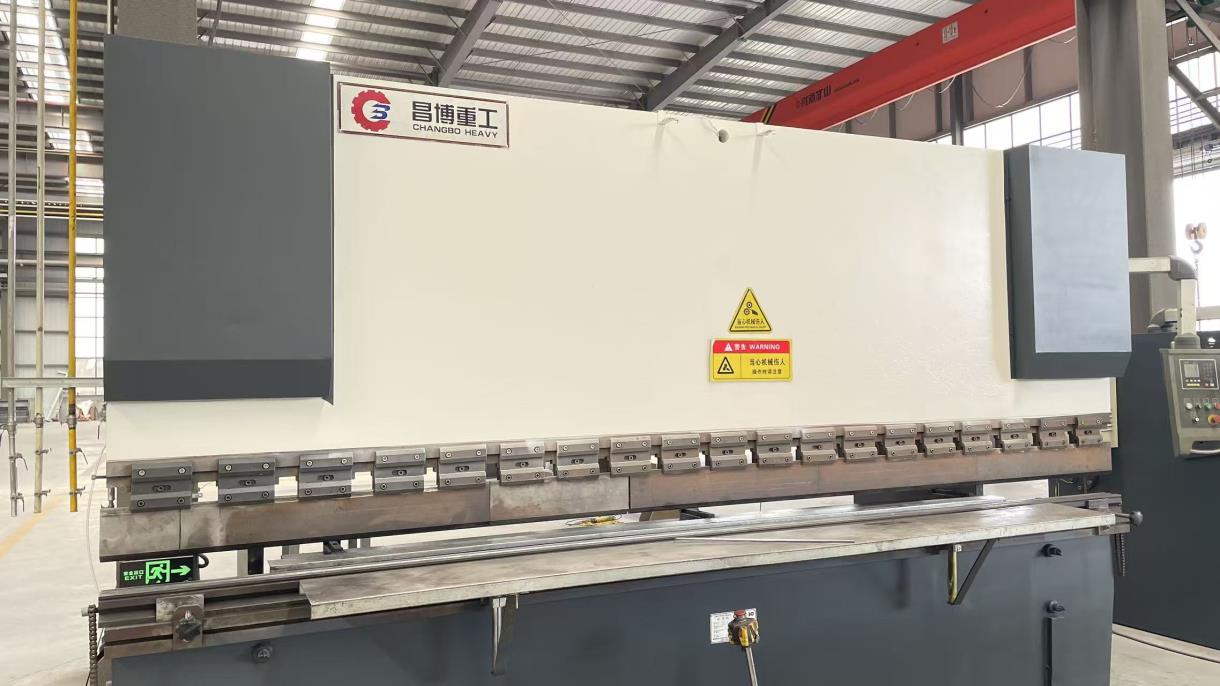
As aviation infrastructure adapts to global zero-carbon goals, hybrid electric aircraft, and digital MRO management, hangar design is undergoing a significant technology integration phase. Successful global exporters rely on a continuous research and development roadmap to deliver high-performance structural systems.
Utilizing high-end engineering software (such as Tekla Structures, SAP2000, and ANSYS), structural engineers model exact spatial stresses. This digital structural modeling allows for optimal material placement, reducing overall steel tonnage while maximizing load path efficiency.
Under tight shop-floor quality criteria, modern CNC cutting, laser cutting, and robotic welding lines convert structural plans into physical H-beams and space frames. Pre-engineered components are marked, pre-drilled, and finished with advanced industrial primers, eliminating on-site cutting or welding mistakes.
Corrosive coastal airport environments require robust protective coatings. Exporters provide advanced multi-layer systems, including high-solids epoxies, hot-dip galvanizing, and intumescent fire-resistive coatings. This approach guarantees compliance with NFPA 409 standards and extends structural life beyond 50 years.
Using Building Information Modeling (BIM Level 3), global logistics, custom container packing, and erection steps are fully mapped beforehand. Containers are packed sequentially so that materials can be unloaded directly into their design location, reducing handling costs and site bottlenecks.
A primary differentiator of tier-1 exporters is their absolute mastery of localized building codes. Shipping pre-engineered steel buildings globally is only viable if they easily pass regional technical approvals and civil inspections.
Engineering standards must comply with the American Institute of Steel Construction (AISC) steel design specifications and the International Building Code (IBC). This involves calculating localized seismic drift, roof snow loads, and wind exposure ratings based on precise ASCE 7 calculations.
For European and adjacent markets, steel structures must carry the CE mark, proving compliance with EN 1090-2 (Execution of steel structures) and Eurocode 3. Material traceability from the mill to the finished component is mandatory, alongside third-party certification of welding procedures.