Bildon Steel
These eight product routes illustrate the breadth of China wholesale heavy structural steel manufacturing for industrial, commercial, sports, residential and modular applications. Each product URL is retained for direct technical review and quotation discussions.

A manufacturer profile evaluated through engineering capability, management systems, production evidence and the ability to support complex global procurement requirements.
Shandong Bildon Steel Co., Ltd.
Shandong Bildon Steel Co., Ltd., is an integrated service provider in the field of steel structures, specializing in design, manufacturing, fabrication, and construction. The company is committed to delivering high-quality steel structure solutions with strong engineering capability and reliable project execution for clients across global markets.
Bildon Steel has obtained and strictly operates internationally recognized management systems, including ISO9001 Quality Management System, ISO45001 Occupational Health and Safety Management System, and ISO14001 Environmental Management System. The company is equipped with advanced non-destructive testing (NDT) and quality inspection capabilities, ensuring strict control over every stage of production and construction. It is recognized as a contract-abiding and credit-worthy enterprise, and holds independent import and export rights, with products and services delivered to multiple countries and regions worldwide.
With continuous focus on innovation and industrial upgrading, Shandong Bildon Steel Co., Ltd. actively promotes construction industrialization, digital engineering, and intelligent manufacturing, striving to improve efficiency, precision, and sustainability in steel structure production.
The company’s business scope covers a wide range of engineering applications, including building steel structures, large-scale industrial plants, multi-storey and high-rise steel buildings, non-standard steel components, complete equipment supporting steel structures, metal processing, special steel structures, and heavy steel structures. It also has strong capabilities in high-end engineering fields such as nuclear power infrastructure, photovoltaic power generation systems, shipbuilding steel structures, curtain wall engineering, and offshore wind power structures.
Backed by a professional team of engineers, project managers, and skilled manufacturing personnel, Bildon Steel continues to strengthen its research and development capabilities, supply chain integration, and smart production systems. The company is dedicated to becoming a leading global steel structure manufacturing and engineering service base, known for advanced technology, stable quality, and customer satisfaction.
Heavy structural steel procurement is becoming a data-driven decision. These “counter-style” indicators show the areas where global buyers should ask for evidence, scope and contractual clarity.
The next competitive frontier for China wholesale heavy structural steel manufacturers and factories is not simply more capacity. It is higher engineering resolution, faster design-to-fabrication cycles, lower lifecycle carbon and stronger documentation for international project compliance.
Model-based coordination connects architectural geometry, structural calculations, shop drawings, bill-of-materials data and CNC instructions. For complex H-beam frames, space frames, industrial plants and high-rise buildings, clash detection and datum control reduce field modifications and improve installation predictability.
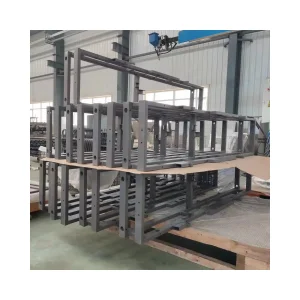
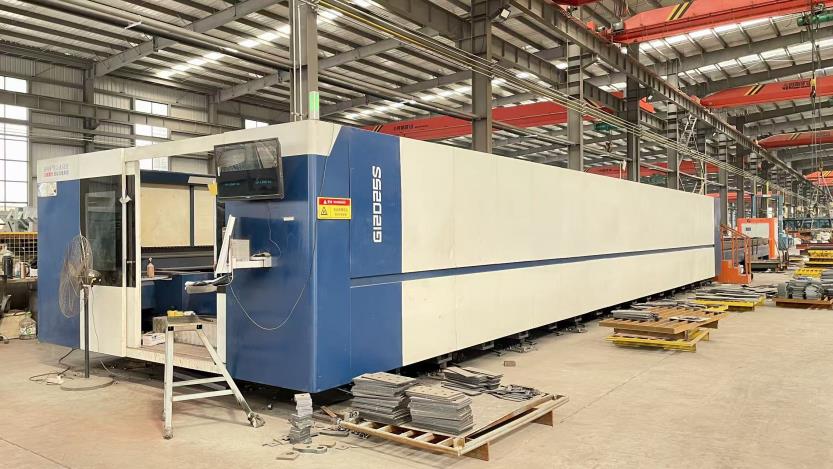
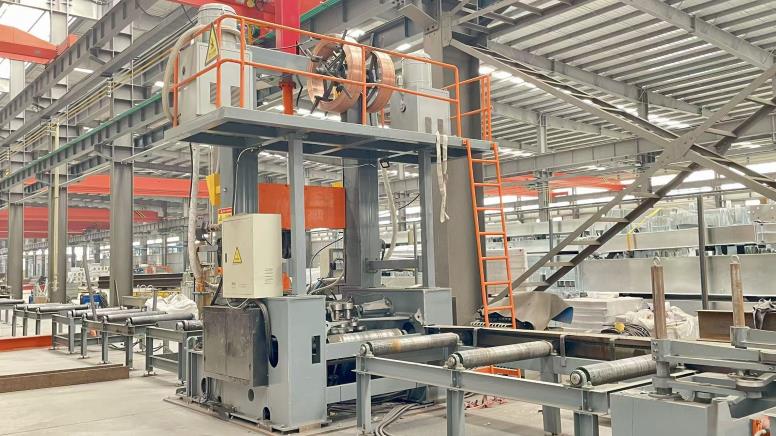
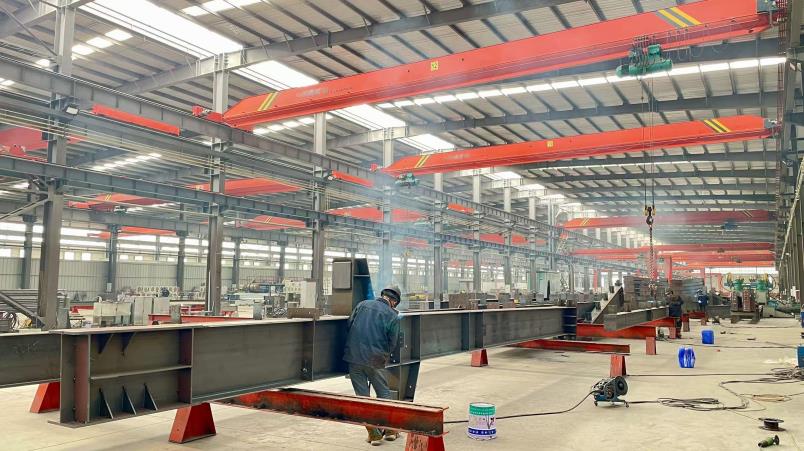
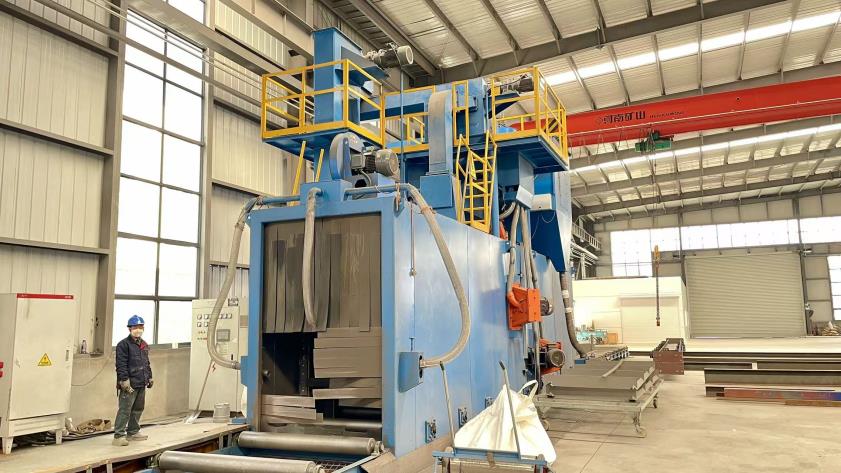
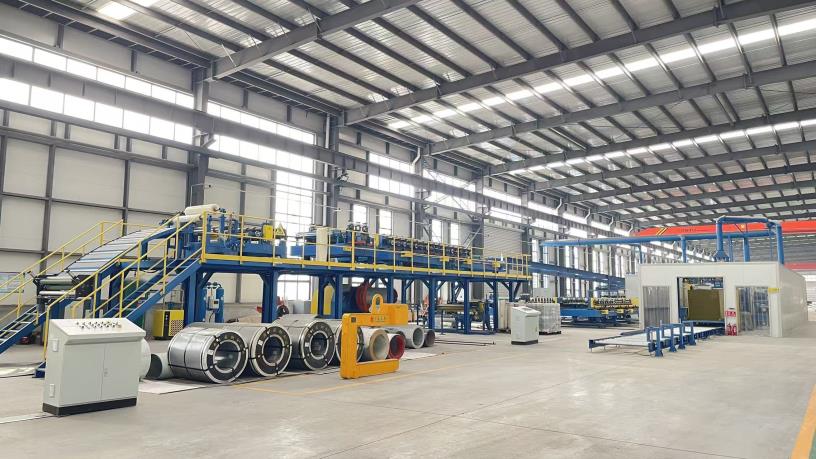
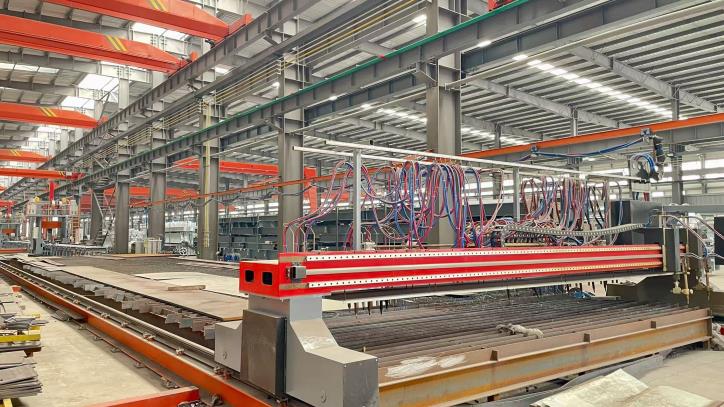
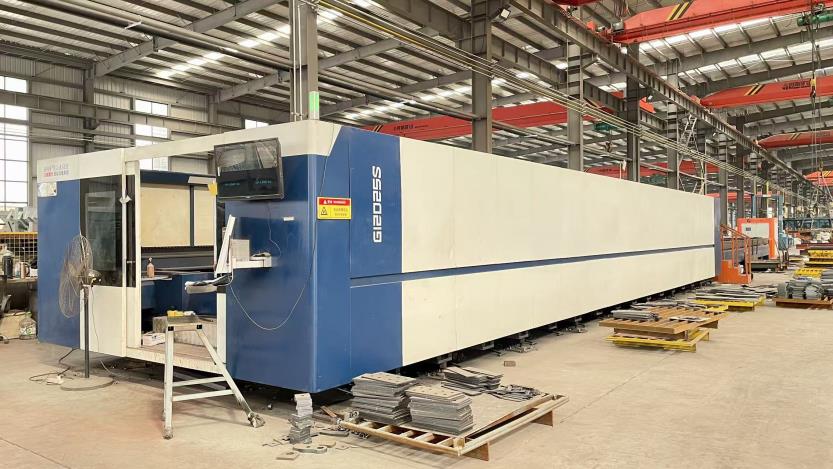
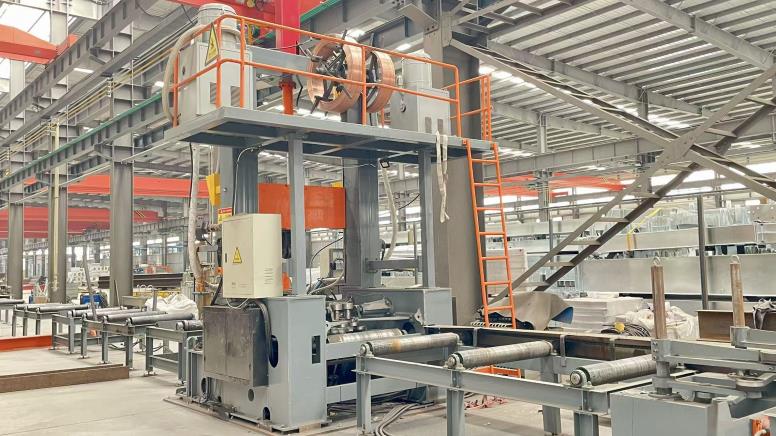
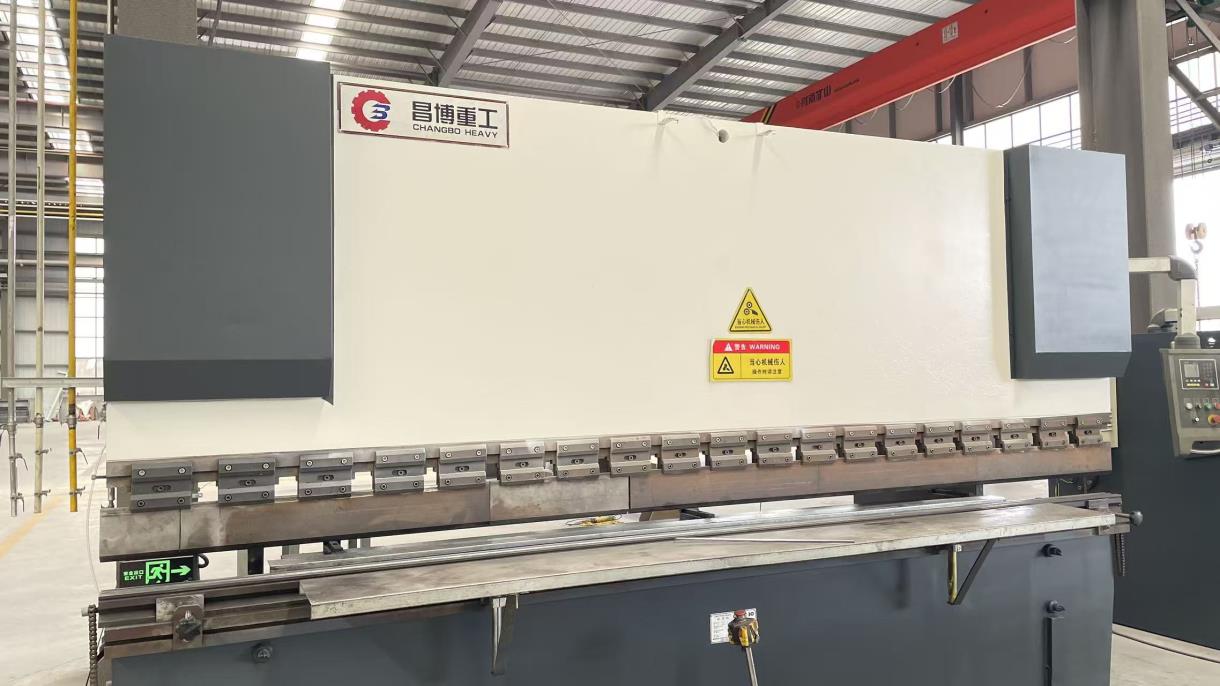
The original production evidence includes flame cutting machines, laser cutting machines, integrated assembly and correction machines, bending machines, welding lines, polishing and painting processes. A forward-looking Factory 4.0 roadmap extends this equipment base with machine data capture, version-controlled programs and automatic quality records.
Heavy structural steel performance depends on surface preparation, coating compatibility, galvanizing practice, fire-resistant systems and inspection at each stage. Future specifications will increasingly require harmonized durability plans for coastal, humid, industrial and cold-climate projects rather than one generic paint system.
Global buyers are adding embodied-carbon reporting, recyclability and supplier energy data to procurement scorecards. A credible future roadmap should include design optimization, high-strength steel selection, waste reduction, responsible coating choices, and project-ready environmental documentation.
Semantic search intent around “China wholesale heavy structural steel manufacturers & factories” often reflects a specific application. A capable manufacturer should map fabrication capability to the macro solution, not force every project into a single product template.
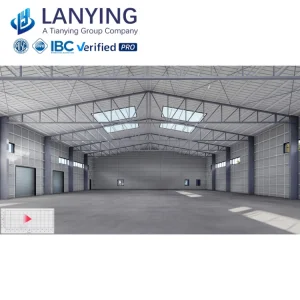
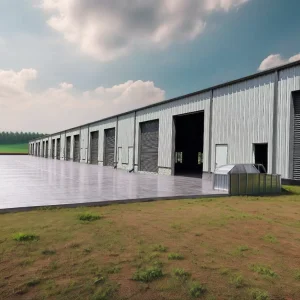
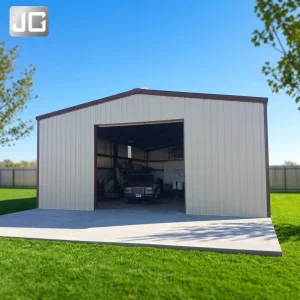
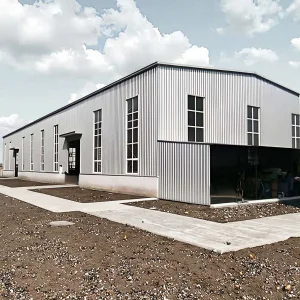
Large-span workshops, manufacturing plants, processing facilities and heavy-equipment warehouses require coordinated columns, crane beams, roof trusses, bracing and cladding interfaces. Procurement should define crane duty, deflection limits, column grid, roof drainage and future expansion joints.
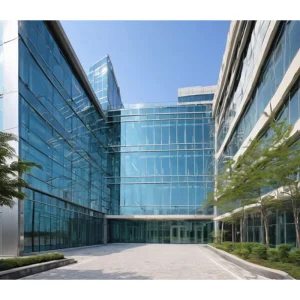
Steel high-rise buildings for malls, offices and parking require fire performance, connection design, floor system coordination and vertical transportation interfaces. Heavy steel columns and fabricated members must align with the construction sequence and local code requirements.
Indoor football centers, basketball gyms, stadium roofs and airport terminal space frames depend on node geometry, deflection control, erection stability and long-span installation planning. Prefabrication accuracy is critical because site adjustment is more expensive at height.
Photovoltaic generation supports, offshore wind structures, nuclear power infrastructure and shipbuilding steel structures demand robust traceability, welding control and inspection documentation. These are high-risk interfaces where information gain from the manufacturer’s QA/QC team matters.
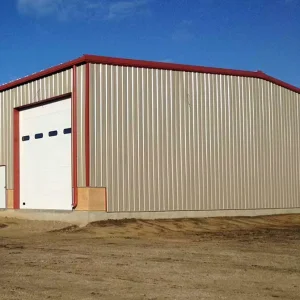
Modern logistics parks and prefabricated warehouses require repeatable production, fast erection and compatible interfaces with sprinklers, air handling, insulation and dock equipment. Digital engineering can reduce clashes between steel framing and service routes.
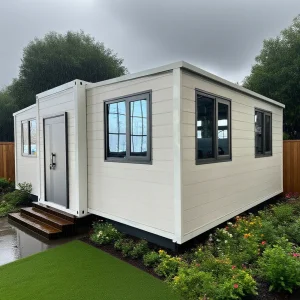
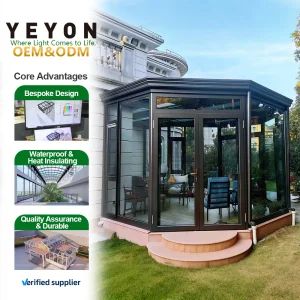
ISO-certified container cabins, detachable prefab houses, glass sunrooms and non-standard steel components illustrate the growing customisation of steel construction. Successful projects depend on clear interface drawings, packing plans and installation instructions.
International projects fail less often because of steel strength and more often because of mismatched documents, incomplete interfaces or late clarification. Localized support should be written into the supplier evaluation process.
Buyers should define the governing design code, material specification, welding standard, bolting standard, coating standard and inspection regime before quotation. Where a project requires CE/EN 1090, AISC, ASTM, AS/NZS, GB or other specific compliance, request the supplier’s certificate scope and third-party inspection plan rather than relying on general marketing statements.
Heavy structural steel designs may need adaptation for wind, snow, seismic, corrosive coastal atmosphere, high humidity or thermal movement. A manufacturer with engineering coordination capability can help translate site conditions into fabrication tolerances, coating specifications and installation sequences.
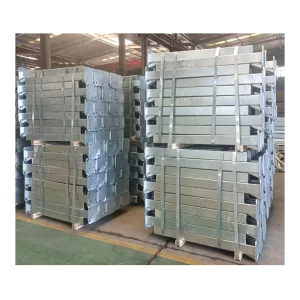
Long members, welded frames and space-frame nodes require robust packing, lifting points, shipping marks and sea-freight planning. Good export support includes container or break-bulk planning, corrosion protection during transit, and document packages aligned with customs and project handover.
Steel structures are only as good as their erection interface. Buyers should request erection drawings, component marking logic, bolting schedules, welding instructions where applicable, and clear communication channels for site queries. This reduces rework and protects the project schedule.
Factory 4.0 is not a slogan for robots alone. In heavy steel fabrication, it means shorter engineering feedback loops, repeatable quality, material traceability and fewer surprises between shop fabrication and site erection.
Steel plate, H-beams, welding consumables, bolts, coatings and accessories must arrive in the right sequence. An integrated manufacturer can align raw-material release, fabrication windows and shipping schedules, which improves resilience when projects face design changes or urgent delivery milestones.
Digital detailing and CNC-linked production reduce manual re-entry and drawing interpretation errors. For global buyers, the practical benefit is faster RFQ turnaround, clearer bill-of-materials data, better version control and fewer site queries caused by drawing mismatch.
Advanced non-destructive testing and inspection capability should connect to heat numbers, welder records, inspection reports and coating checks. This creates a project traceability chain that supports third-party audits, owner reviews and future maintenance decisions.
Prefabricating welded assemblies, base plates, connection details, roof frames and modular units shifts work from site to factory. The result can be faster installation, more consistent weld quality and less weather-dependent site activity.
Heavy structural steel must be packed to suit the transport mode and erection sequence. Factory 4.0 thinking includes production status dashboards, packing-list control, container-load planning and shipping marks that help contractors receive the right member at the right time.
Optimised nesting, scrap reduction, energy monitoring, coating control and recyclable steel design contribute to environmental performance. As global tenders include embodied-carbon criteria, suppliers that can provide organised process data will have a stronger position in international procurement.
A high-performing China wholesale heavy structural steel factory should reduce total cost of ownership, not only the raw tonnage price. Evaluate design support, quality evidence, schedule certainty, packing quality and after-order communication as one system.
Provide architectural and structural drawings, design loads, grid dimensions, connection concepts, slab interfaces, cladding systems and service openings. For stadiums and warehouses, clearly state span, height, crane load, roof load and expansion requirements.
List the governing code, steel grades, welding standards, bolting standards, galvanizing or painting specifications, fire performance and third-party inspection requirements. Ask the factory to confirm what is included, excluded or subject to project-specific qualification.
Request the inspection and test plan, NDT scope, material certificates, dimensional check records, coating reports and packing inspection. For critical projects, define hold points before painting, before shipment and after third-party review.
Confirm shipping dimensions, weight limits, lifting points, container-loading or break-bulk strategy, anti-corrosion protection and document requirements. A technically compliant structure that arrives damaged or out of sequence is a project risk.
Review payment terms, lead time, design review cycles, change-order procedure, warranty, spare parts and communication responsibilities. Global enterprises should assign a single technical contact and a single commercial contact for accountability.
The best supplier does more than quote a weight. It identifies long-lead members, proposes erection-friendly detailing, eliminates unnecessary fabrication complexity and flags where value engineering could conflict with safety or compliance.
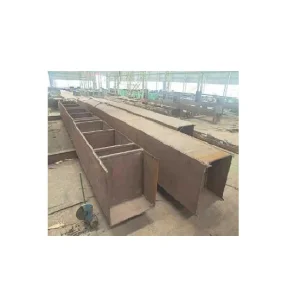
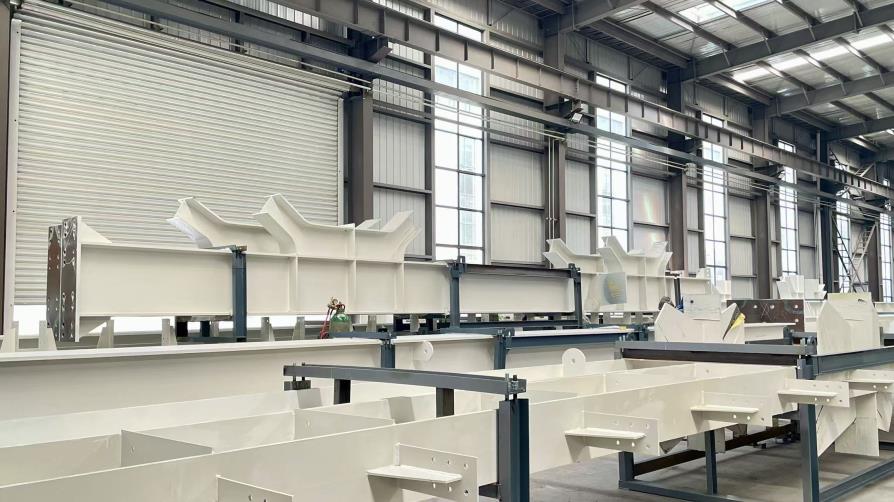
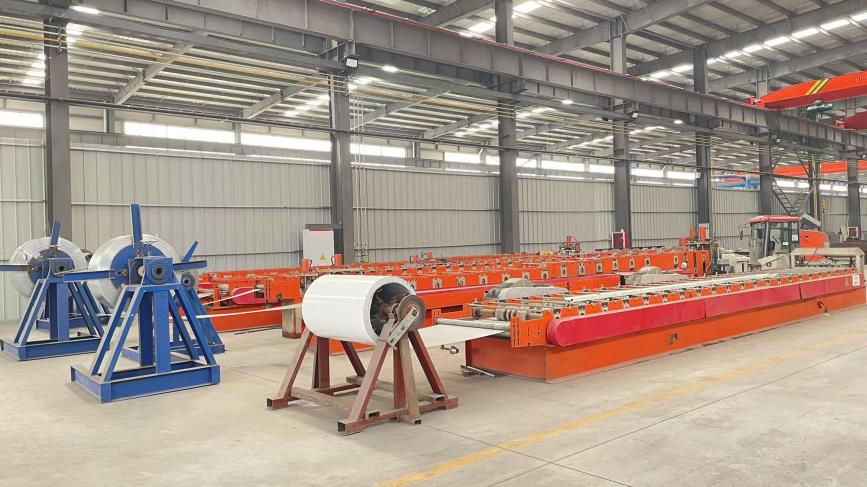
The original production images and captions are retained below as factory evidence. These stages show how cutting, assembly, welding, correction, surface preparation, painting, sheet forming, composite plate production, laser cutting and bending can be organised into a controlled fabrication flow.
These answers address common search intents behind queries about China wholesale heavy structural steel manufacturers, factories, fabrication capability and export procurement.
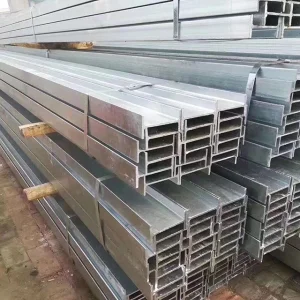
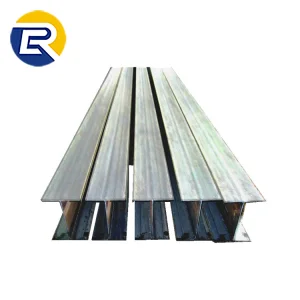
Heavy structural steel generally refers to primary load-bearing members such as welded H-beams, hot-rolled H-sections, built-up columns, box sections, trusses, crane beams, space-frame nodes and large fabricated assemblies. The exact scope should be defined by drawings, steel grades, connection details and inspection requirements.
Verify business license information, import and export rights, management-system certificates, certificate scope, production equipment, NDT capability, project references, inspection records and export packing practice. For regulated markets, confirm the specific product certification and scope rather than accepting a general quality claim.
Yes, many steel structure factories support custom fabrication based on architectural drawings, structural designs or performance requirements. The key is to establish a controlled design-review process covering member sizes, connection details, steel grades, coatings, fire protection and installation sequence before production release.
Projects may reference GB, ASTM, EN, AS/NZS, AISC or other specified standards depending on the destination market and designer’s requirements. Buyers should state the governing standard in the RFQ and request evidence of material, welding, bolting, coating and inspection compliance for that exact scope.
A robust plan covers incoming material verification, cutting accuracy, fit-up and assembly checks, welding procedure control, dimensional inspection, correction, surface preparation, painting or galvanizing, final visual inspection and packing release. NDT should be performed where specified and documented with traceable reports.
Plan by member length, weight, lifting points, shipping mode, protection level and erection sequence. Heavy steel may require break-bulk shipping, while smaller prefabricated elements can be containerised. Packing lists, shipping marks and installation-oriented numbering should match the site sequence.
Provide structural drawings, project location, design code, steel grades, quantities, connection details, surface-treatment requirements, fire-performance requirements, inspection level, delivery port, packaging needs and installation-support scope. A complete data package reduces assumptions and allows comparable quotations.
Digital engineering, CNC data, automated cutting, controlled welding, NDT records and logistics planning reduce manual errors and improve schedule certainty. The real value appears in fewer reworks, better documentation and faster resolution of design or site changes.
The remaining eight product routes complete the wholesale showcase, covering modular container cabins, large-span stadium buildings, high-rise steel buildings, heavy-equipment plants, residential space frames, H-beam-supported steel buildings, slim-line steel-and-glass systems and tube-truss warehouses.