Bildon Steel
Bildon Steel
Bildon Steel
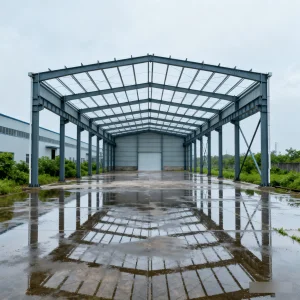
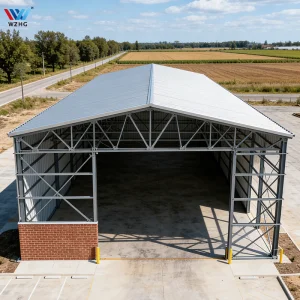
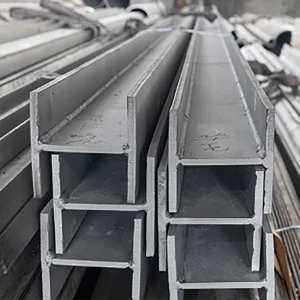
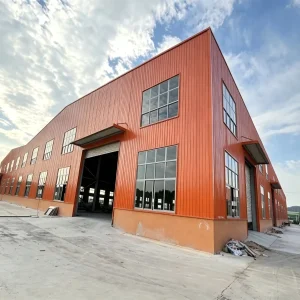
Shandong Bildon Steel Co., Ltd. is an integrated, world-class service provider in the structural steel industry. Our core competence spans initial architectural structural design, precision manufacturing, industrial component fabrication, and complex project execution. With a relentless focus on global structural engineering advancements, we deliver highly reliable steel framing and formwork solutions that ensure maximum stability, economy, and site safety.
Operating under rigorous global quality parameters, Bildon Steel maintains certifications across ISO9001 Quality Management System, ISO45001 Occupational Health and Safety Management System, and ISO14001 Environmental Management System. Every component is subjected to strict non-destructive testing (NDT) to prevent structural fatigue and geometric misalignment, cementing our reputation as a trusted credit-worthy global exporter.
Our design & production capabilities serve massive global construction projects:
Modern infrastructure demands high elasticity, fast construction cycles, and minimal environmental footprint. Over the last decade, structural steel design has evolved from basic H-beam calculations to comprehensive digital design optimization. The adoption of Building Information Modeling (BIM) up to LOD 400 has revolutionized fabrication accuracy, permitting complex geometry and automated manufacturing workflows.
"Pre-engineered steel buildings now represent over 65% of global industrial builds due to their 30-50% reduction in total project delivery cycles."
Global buyers are shifting to steel design patterns that optimize material thickness while maintaining high strength limits (such as Q355B or ASTM A572 Grade 50). By using high-strength low-alloy (HSLA) steel, structural designs can reduce total weight by up to 20%, resulting in lower shipping emissions, optimized raw resource usage, and structural performance under seismic conditions.
Design for Manufacturing and Assembly (DFMA) ensures that structural steel modules, including columns, brackets, and arced wall systems, are planned with tolerances down to the millimeter. This eliminates on-site welding, speeds up assembly, and protects workers from on-site safety hazards.
Procuring steel structures internationally involves navigating safety certifications, anti-corrosive guidelines, and geographic design variables.
We match local build codes globally. Our engineers plan configurations according to American standard specifications (ASTM A36, A572 Gr 50), European codes (EN 10025, EN 1090-2), British Standards (BS), and Chinese national codes (GB Q235B, Q345B, Q355B).
Industrial warehouses, offshore wind towers, and coastal facilities require high-grade corrosion protection. We calculate sandblasting parameters (Sa 2.5) and offer premium options including hot-dip galvanization and multi-coat epoxy primer paint systems.
Using professional modeling software (Tekla, SAP2000, 3D3S), we simulate structural reactions against wind velocities up to 300 km/h and high-magnitude seismic forces. We ensure safety profiles for commercial and heavy manufacturing facilities.
Our advanced production facilities utilize digital control systems to execute cutting, forming, welding, and surface treatment protocols.
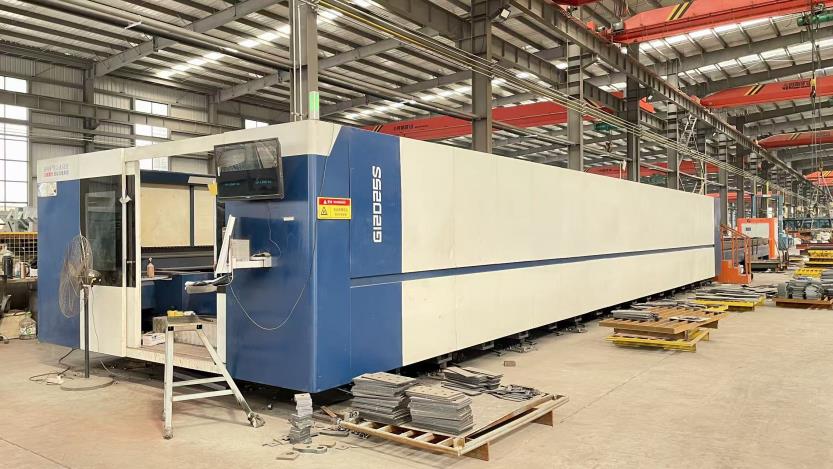
Initial profiling of heavy steel plate raw stock using automated sizing tools.
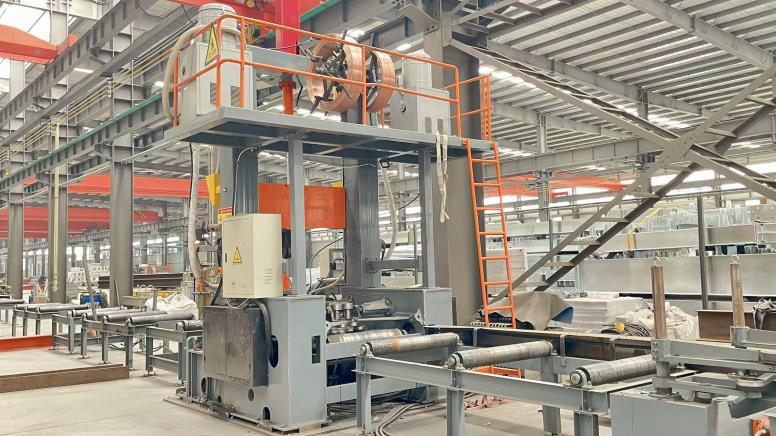
Aligning structural sections and correcting structural variances post-tacking.
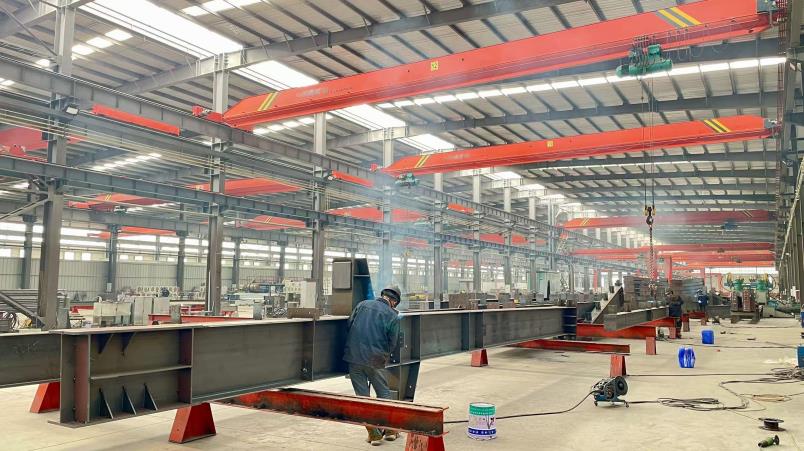
Deep-penetration welding adhering strictly to AWS D1.1 and EN ISO 3834 specs.
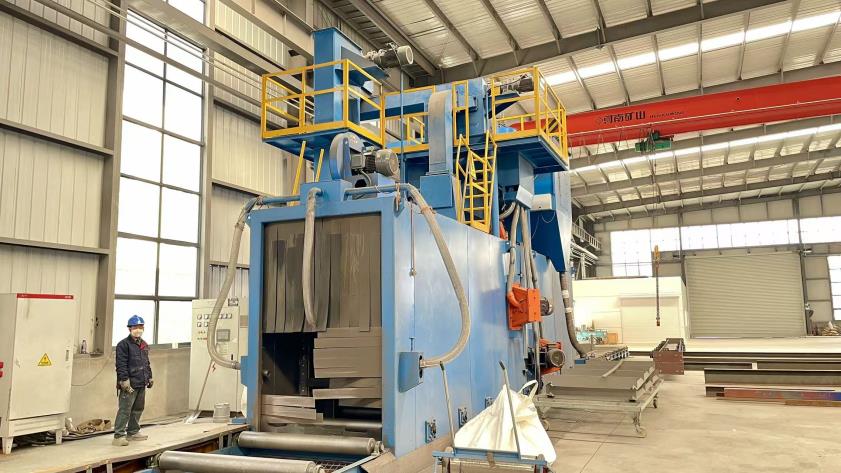
Filing weld beads to smooth surfaces, preventing fatigue point formations.
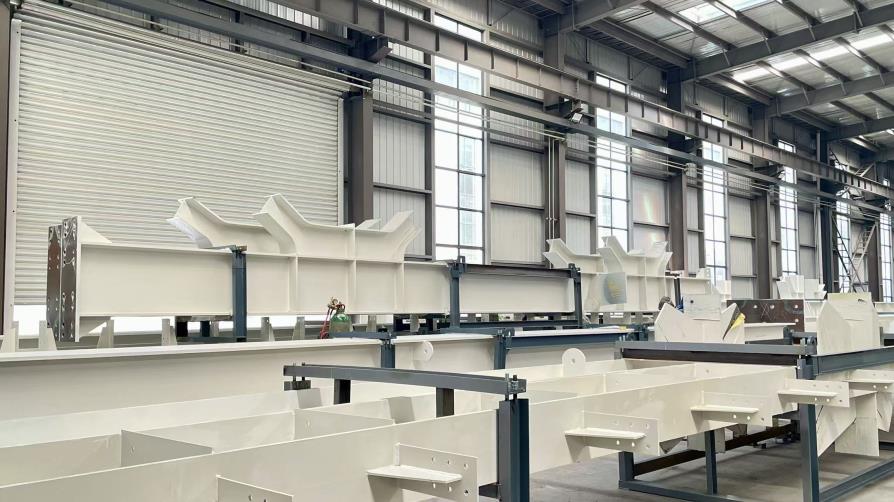
Applying anti-corrosion barrier coatings within temperature and moisture parameters.
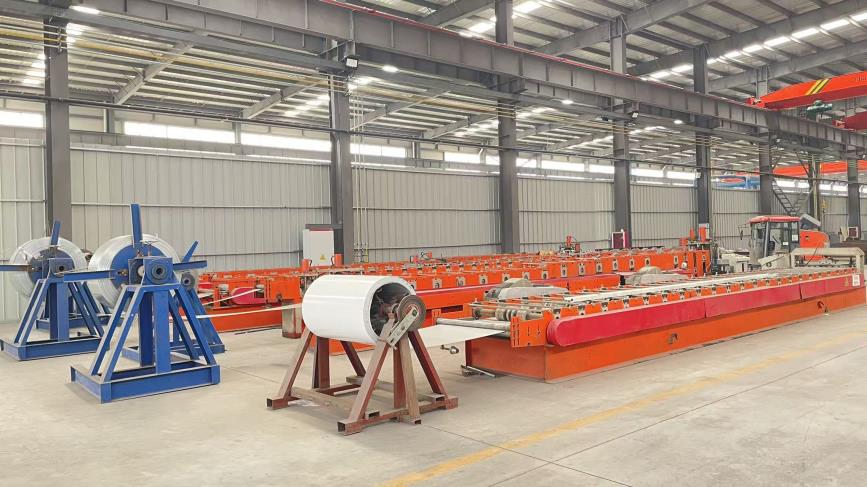
Precision bending and profile fabrication for industrial roof & wall paneling.
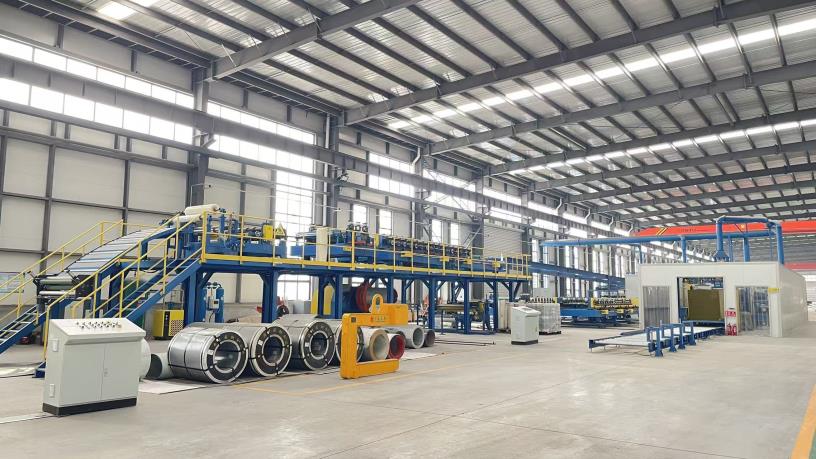
High-efficiency automated lines producing sandwich panels with insulated cores.
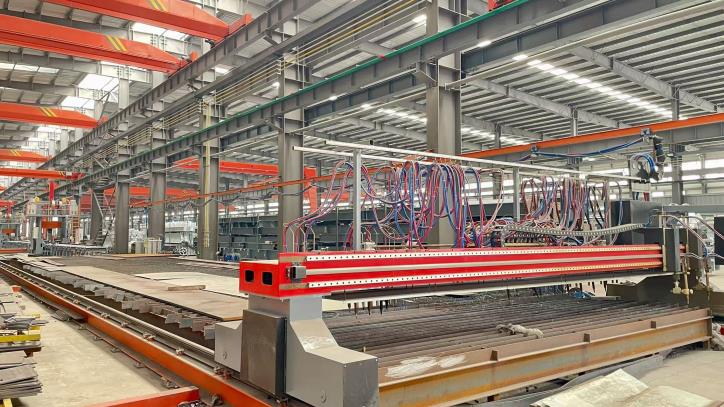
Thermal oxygen-fuel cutting for dividing thick plates with geometric accuracy.
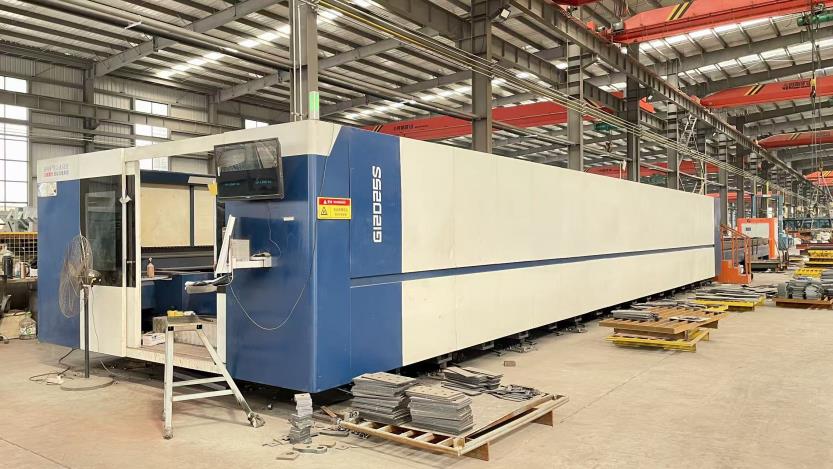
High-speed CNC fiber lasers providing smooth cut edges and tight tolerances.
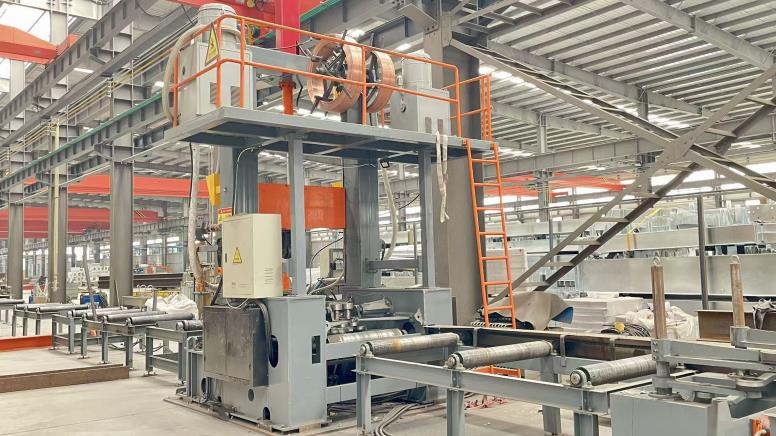
Combining section fit-up, hydraulic pressing, and leveling into a single process.
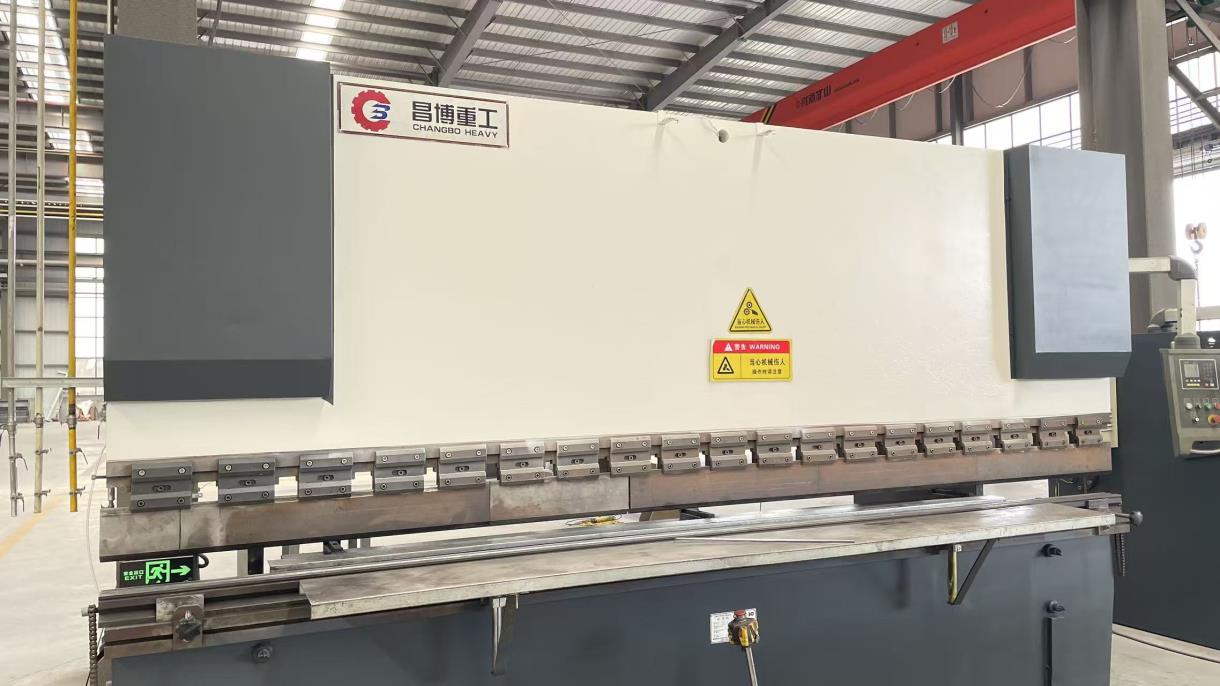
Bending metal plate profiles to create customized structural brackets.
At Shandong Bildon Steel Co., Ltd., quality is verified through structural testing and material tracking. We operate a dedicated in-house testing lab that conducts advanced Non-Destructive Testing (NDT) including Ultrasonic Testing (UT), Magnetic Particle Testing (MT), and radiographic evaluations of structural welds.
Raw steel plates and profiles are purchased from premium Tier-1 steel mills in China, complete with original Mill Test Certificates (MTC) showing exact chemical compositions and mechanical limits. Each batch is traced, ensuring accountability throughout the fabrication cycle.
We regularly work with global classification and verification societies such as SGS, Bureau Veritas (BV), Lloyd's Register, and TÜV Rheinland. These entities conduct pre-shipment inspections (PSI) and load checks, confirming structural alignment before shipment.
Long structural steel columns, roof trusses, and heavy beams are packed using customized steel racks to prevent deflection, deformation, or surface damage during transit. We utilize secure container loading schemes and open-top flat racks to simplify site offloading.
Our technical strategy is built around automated systems, low carbon emissions, and smart construction interfaces.
Integrating machine learning algorithms with structural design systems to automatically generate optimized framing designs. This minimizes steel usage and structural weight while meeting target building codes.
Expanding our robotic assembly lines to perform automated multi-pass welding on H-columns and truss structures, ensuring uniform weld profiles and minimizing heat-affected zones (HAZ).
Creating a digital counterpart for every structural member, allowing tracking from manufacturing and shipping to assembly and maintenance over the life of the building.
Frequently asked questions regarding international structural steel design, compliance, logistics, and capabilities.
We design and manufacture structural systems in compliance with American standards (ASTM A36/A572, AISC design specifications), European codes (EN 1993 Eurocode 3, EN 1090 execution standards), Australian/New Zealand guidelines (AS/NZS 4100), and Chinese national codes (GB50017). All projects are designed with local geographic design parameters (such as wind load, snow load, and seismic category) taken into account.
We perform non-destructive tests on welded joints depending on the structural design execution class. Testing options include Ultrasonic Testing (UT) for internal defect detection, Magnetic Particle Testing (MT) for surface-level defects, and Dye Penetrant testing. We also carry out paint dry film thickness (DFT) tests and geometric tolerance verification measurements.
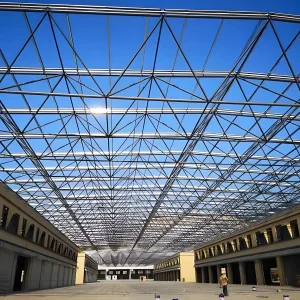
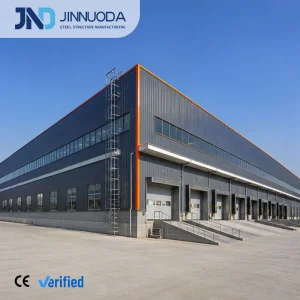
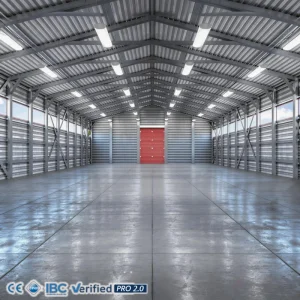
Yes, we specialize in large-span portal frames and space frames with clear spans exceeding 40 meters. These designs optimize internal clearance and storage volume for industrial facilities, aircraft hangars, and logistics hubs.
For coastal or highly humid environments, we suggest hot-dip galvanization to ISO 1461 standards, which provides long-term zinc protection. Alternatively, we apply multi-layer industrial paint systems including zinc-rich epoxy primers, micaceous iron oxide intermediate coatings, and polyurethane finish coats.
Every structural component is labeled with a QR code corresponding to its assembly drawing. Long components are bundled on specialized steel framing to simplify crane offloading. High-strength bolts and smaller custom brackets are boxed and secured on pallets.
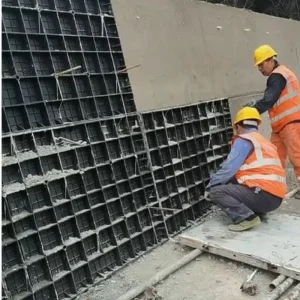
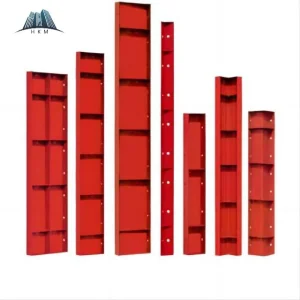
Our adjustable wall and column steel formwork system is modular, using H20 timber beams and plywood. This setup allows for adjustable curvature, fitting circular, arced, or square concrete columns on site.
Yes, we encourage and support pre-shipment inspections. Customers can hire third-party inspection agencies (such as SGS, BV, or Intertek) to inspect welding quality, dimensional tolerances, and coating thickness at our facility.
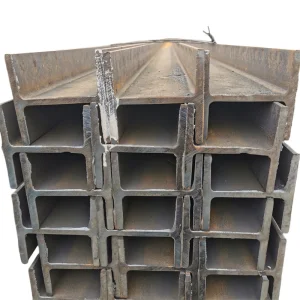
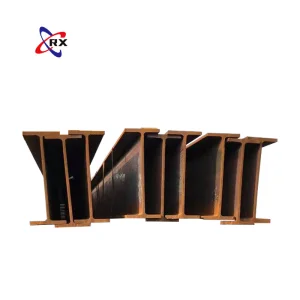
We supply hot-rolled and welded H-beams in ASTM A36, ASTM A572 Grade 50, GB Q235B, GB Q345B, and Q355B. This ensures compatibility with both standard commercial projects and high-load industrial structures.