Bildon Steel
Bildon Steel
Bildon Steel
Explore our top-tier prefabricated structures, precision-engineered for industrial, commercial, and modular applications globally.
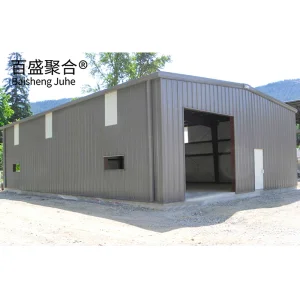
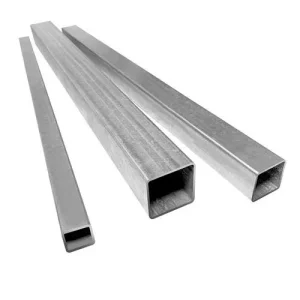
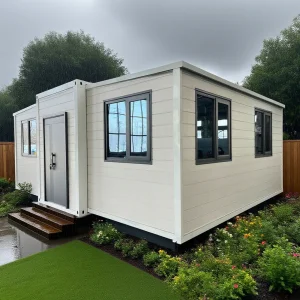
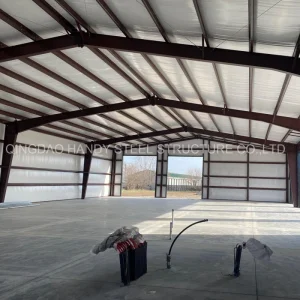
Analyzing the macroeconomic and structural engineering shifts driving the demand for high-strength steel solutions worldwide.
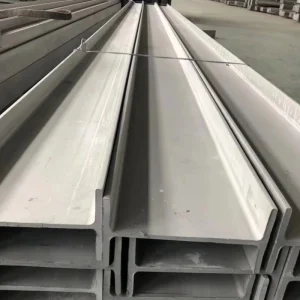
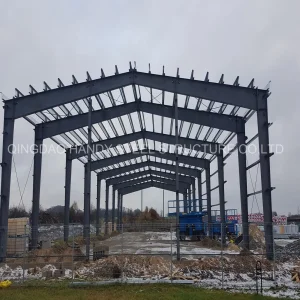
In the contemporary landscape of global civil engineering, heavy industrialization, and urban planning, the demand for robust steel supports and structural frameworks has escalated. Rapid urbanization in developing regions combined with a systemic modernization of aging infrastructure in developed nations has forced a transition from traditional reinforced concrete toward high-performance, modular steel systems. Robust steel supports—incorporating hot-rolled H-beams, structural space frames, dynamic load-bearing trusses, and high-precision column systems—form the literal backbone of modern airports, multi-tier logistics centers, high-capacity chemical processing facilities, offshore energy installations, and sports stadiums.
The transition is not merely structural but economic. As global logistics networks shift toward massive automation, the structural specifications for warehouses have transformed. E-commerce distribution hubs now demand wide, unobstructed spans exceeding 60 meters and heights of over 20 meters to accommodate automated storage and retrieval systems (ASRS). This level of design requirement cannot be safely or economically sustained without advanced structural steel design. Heavy-duty steel supports are uniquely designed to resist combined gravity, wind, and seismic forces while minimizing structural self-weight, presenting a high strength-to-weight ratio that optimizes load distribution to foundations.
Furthermore, structural resilience has become a paramount regulatory criterion under international building codes (such as ASTM, Eurocode, and GB standards). In seismically active zones and offshore coastal areas prone to typhoons and corrosive environments, the specification of carbon structural steels like Q355 and grade-equivalent alloys, combined with hot-dip galvanization or epoxy-rich coatings, is mandatory. Robust steel supports act as structural fuses, absorbing seismic energy through controlled yield patterns and avoiding brittle collapse. Consequently, the reliance on high-precision structural steel fabrication from qualified manufacturers who possess integrated design, fabrication, and testing capabilities has become the standard for international engineering, procurement, and construction (EPC) contractors.
E-E-A-T Certified Integrated Service Provider for High-End Steel Engineering & Fabrication
Shandong Bildon Steel Co., Ltd. is a globally recognized, integrated service provider specializing in the design, manufacturing, fabrication, and construction of advanced steel structures. Based in China's industrial steel heartland, Bildon Steel leverages domestic supply chain integrations and premium-grade steel raw materials to deliver reliable structural solutions to global markets. The company provides a comprehensive suite of structural services, from conceptual structural engineering calculations (utilizing state-of-the-art detailing software like Tekla Structures and PKPM) to intelligent CNC-driven fabrication, global logistics handling, and on-site engineering advisory services.
Demonstrating its commitment to reliability, safety, and environmental stewardship, Bildon Steel strictly operates under internationally recognized management certifications: ISO9001 Quality Management System, ISO45001 Occupational Health and Safety Management System, and ISO14001 Environmental Management System. Every single weldment, column, and truss produced within our facilities is subject to rigorous testing. Bildon is equipped with advanced non-destructive testing (NDT) capabilities (including ultrasonic, magnetic particle, and radiographic inspection), assuring defect-free structural connections and compliance with high-stress structural codes.
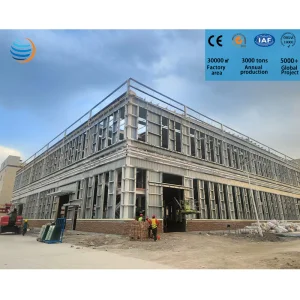
Recognized as a contract-abiding and credit-worthy enterprise, Shandong Bildon Steel Co., Ltd. holds independent import and export rights. The company's engineering scope encompasses building steel structures, large-scale industrial plants, multi-storey and high-rise steel buildings, non-standard steel components, equipment supports, custom metal processing, and special heavy steel structures. Additionally, Bildon Steel maintains specialized capabilities in high-precision and high-consequence industries, including nuclear power infrastructure, photovoltaic power systems, shipbuilding components, unitized curtain wall engineering, and offshore wind power structural framing.
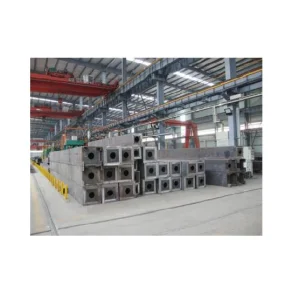
From raw steel plate to high-precision structural assemblies - our step-by-step production workflow.
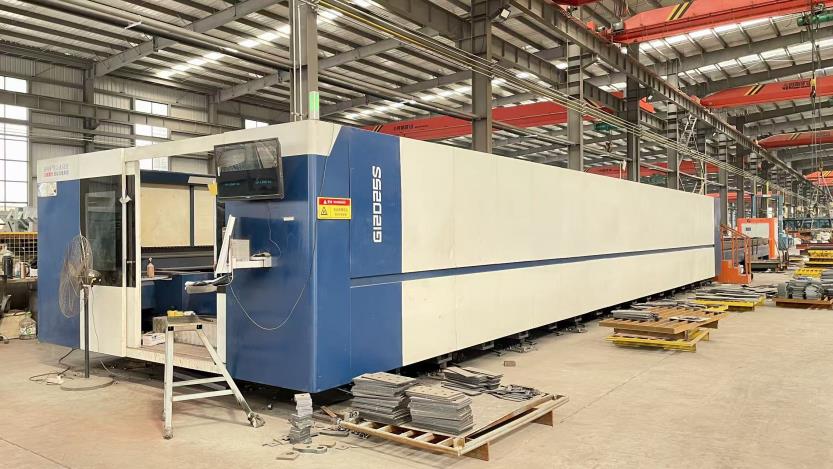
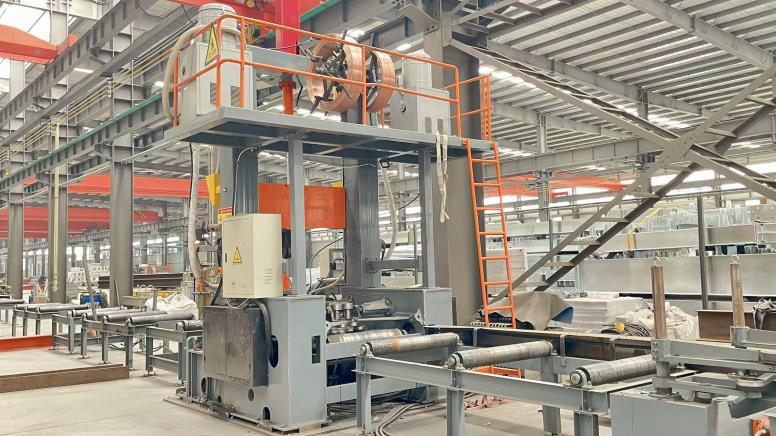
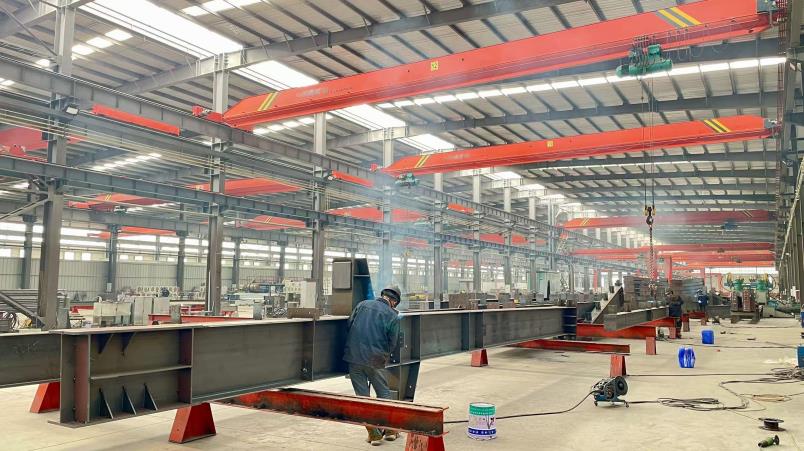
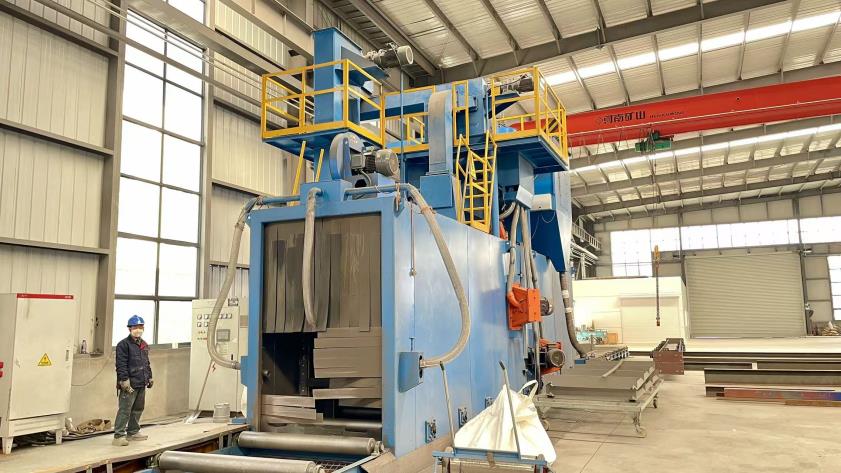
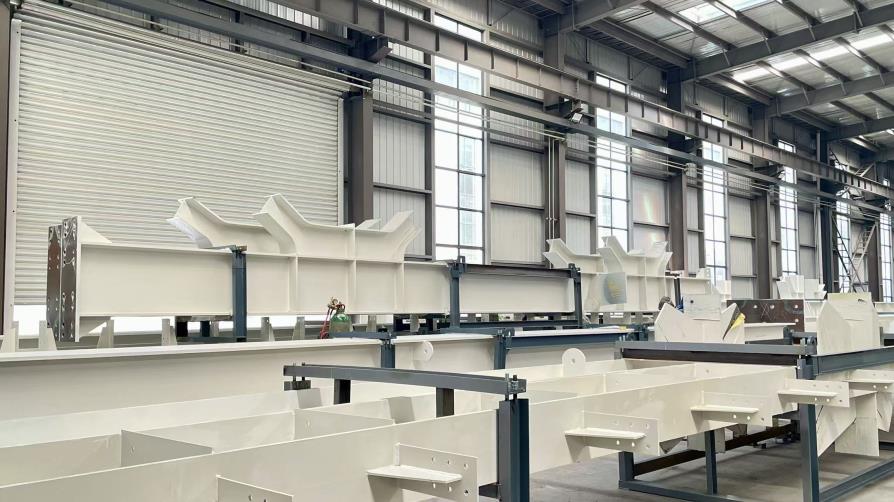
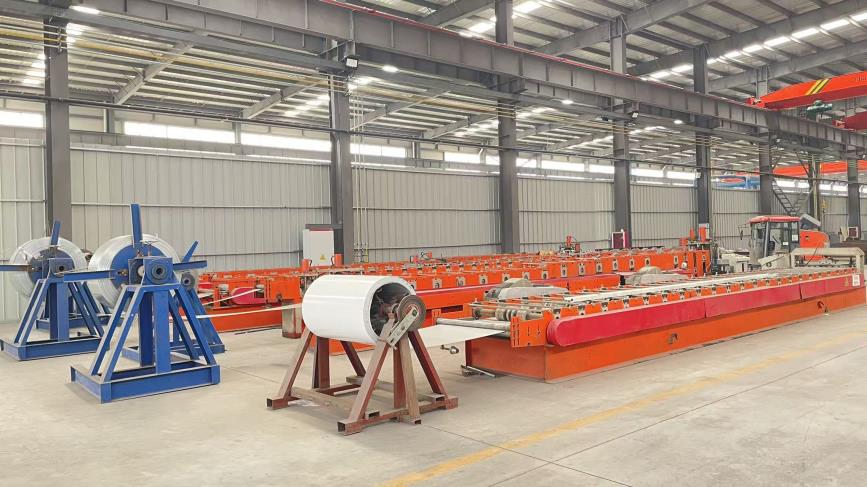
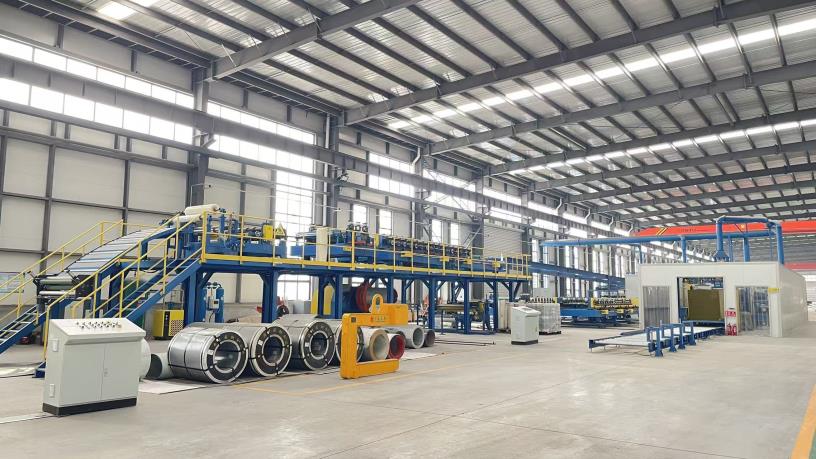
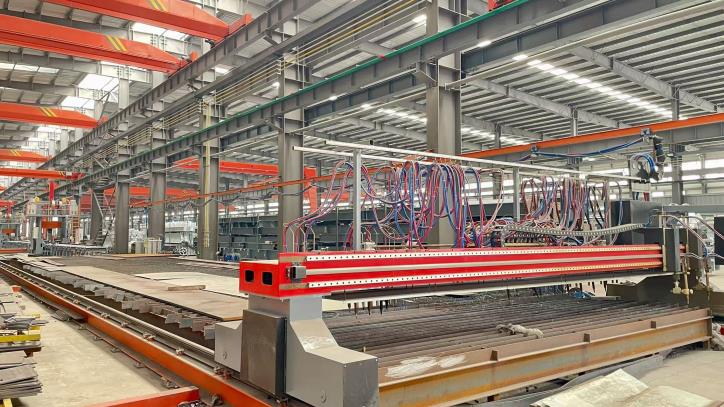
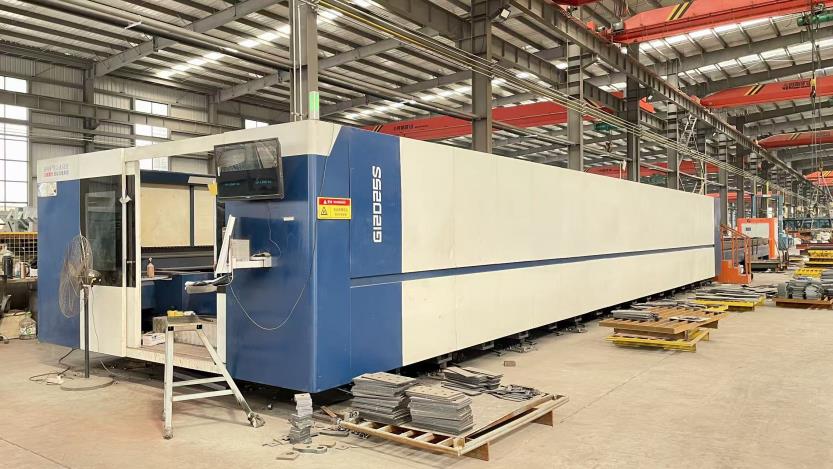
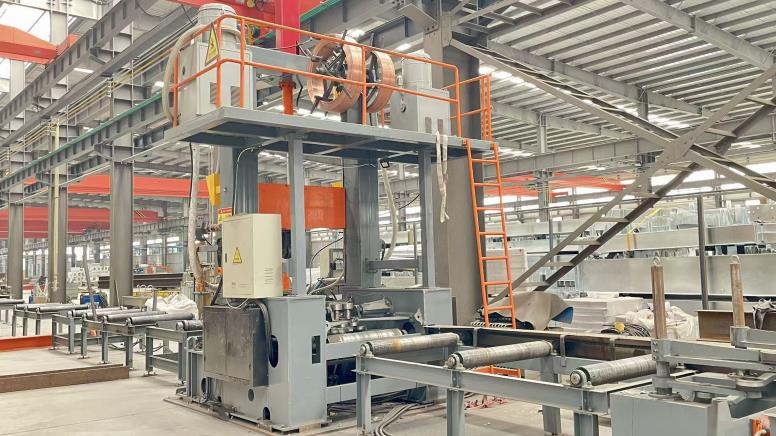
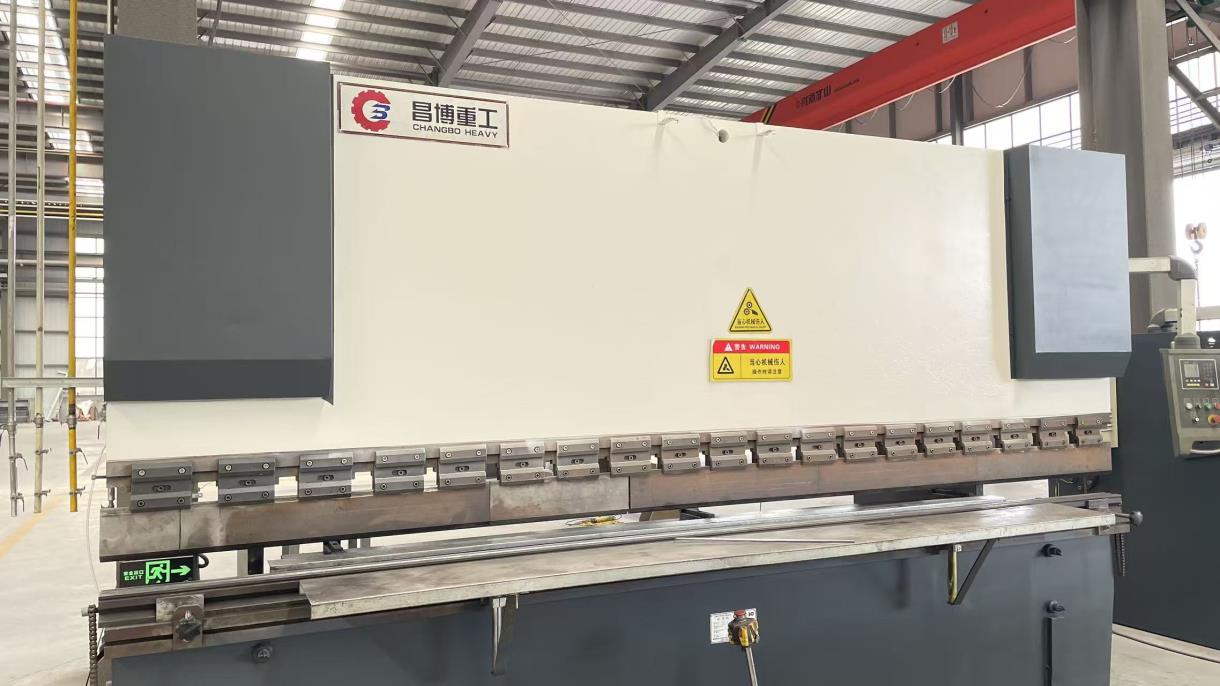
Tailored structural designs matching regional environmental parameters, seismic zones, and processing requirements.
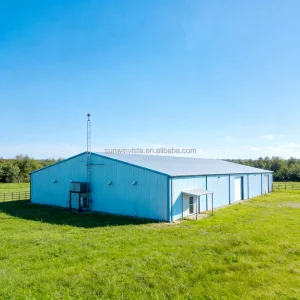
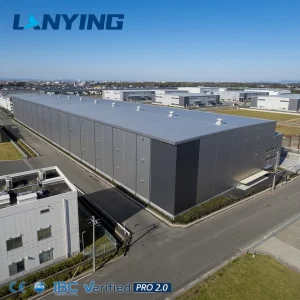
High-capacity automated warehouses require clear spans and vibration-resistant frames. We design Q355 structural steel columns with high rigidity indexes, ensuring modern vertical sorting lines and high-clearance warehouses operate without structural deflection.
Providing heavy offshore support structures, wind energy steel jackets, and oil rig substructures. Utilizes thick-plate welding (up to 80mm) with complete joint penetration (CJP) welds and specialized sub-zero impact toughness steel grades.
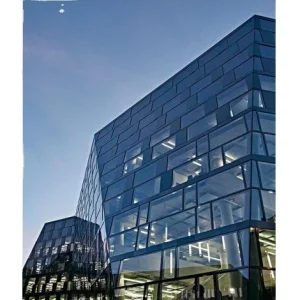
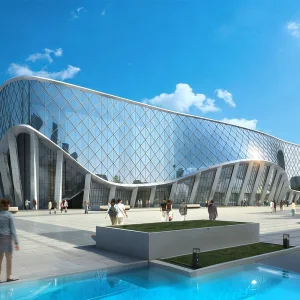
Space frames and long-span truss systems for sports arenas, stadiums, and airport terminals. Our designs distribute dead and wind load tension spherically, reducing material usage while supporting complex architectural curves.
Different geographies present unique physical stressors to steel materials. Shandong Bildon Steel tailors its manufacturing parameters based on the structural location:
The future of steel structure engineering is digital, modular, and sustainable.
The structural steel industry is undergoing a digital revolution. Shandong Bildon Steel Co., Ltd. is actively mapping its growth to align with three key industry shifts:
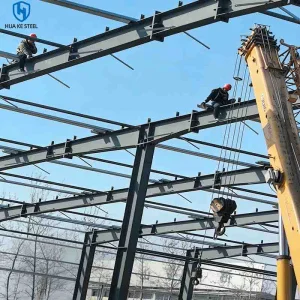
Pre-engineered structural steel stands as the pinnacle of sustainable, low-waste construction. By relocating 95% of cutting, welding, and surface treatment to a controlled factory setting, field work is reduced to assembly. This shortens project delivery schedules by up to 50% compared to traditional on-site cast concrete. Future roadmaps focus on modularizing complex high-rise cores and heavy trusses, allowing components to be shipped as pre-connected sub-assemblies.
Building Information Modeling (BIM) has advanced beyond design visualization. By integrating BIM with production ERP systems, Bildon Steel tracks every component from steel mill heats to the final erected structure. Digital twins of structural joints, complete with NDT test results, allow asset managers to monitor structural health and deflection over the lifecycle of the building.
With global commitments to net-zero carbon emissions, steel manufacturing must evolve. We are reducing our environmental footprint by using electric arc furnace (EAF) steel with high recycled content, optimizing structural profiles to reduce raw material mass, and utilizing eco-friendly, low-VOC waterborne paint coatings. Our goal is to achieve full Environmental Product Declaration (EPD) transparency for our international structural shipments.
Answering the most critical engineering, quality control, and logistics questions for steel support procurement.
Premium structural assemblies certified for high-precision, seismic resilience, and extreme industrial environments.