Bildon Steel
Bildon Steel
Bildon Steel
Engineered to exact international standards with guaranteed material traceability and high-performance load-bearing capabilities.
Shandong Bildon Steel Co., Ltd. is an integrated service provider in the field of steel structures, specializing in design, manufacturing, fabrication, and construction. The company is committed to delivering high-quality steel structure solutions with strong engineering capability and reliable project execution for clients across global markets.
Recognizing the rigorous demands of modern complex architectural structures, we operate under strict internationally recognized management systems, including ISO9001 Quality Management System, ISO45001 Occupational Health and Safety Management System, and ISO14001 Environmental Management System. Our advanced manufacturing base is fully equipped with advanced non-destructive testing (NDT) and quality inspection capabilities, ensuring strict control over every stage of production and construction.
With continuous focus on innovation and industrial upgrading, Shandong Bildon Steel Co., Ltd. actively promotes construction industrialization, digital engineering, and intelligent manufacturing, striving to improve efficiency, precision, and sustainability in steel structure production.
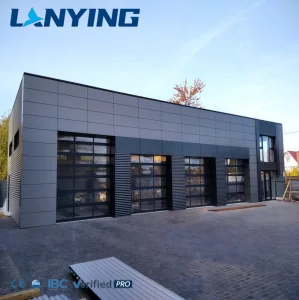
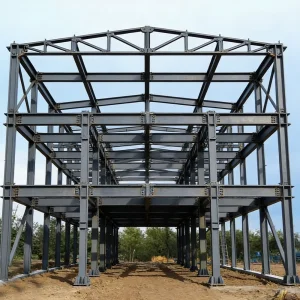
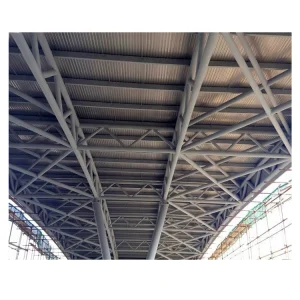
Our specialized product engineering scope covers a wide range of engineering applications, including building steel structures, large-scale industrial plants, multi-storey and high-rise steel buildings, non-standard steel components, complete equipment supporting steel structures, metal processing, special steel structures, and heavy steel structures.
Furthermore, we demonstrate leading-edge competencies in high-end engineering fields such as nuclear power infrastructure, photovoltaic power generation systems, shipbuilding steel structures, curtain wall engineering, and offshore wind power structures.
An industry-leading inspection of structural performance metrics, localized compliance frameworks, and high-performance architectural integration.
In modern civil and industrial infrastructure engineering, steel remains the premier choice due to its high strength-to-weight ratio, structural resilience, and recyclability. The structural steel market is shifting rapidly from conventional on-site assembly toward comprehensive factory prefabrication. Industrial warehouses, data centers, and multi-storey commercial zones increasingly mandate execution class compliance (like European standard EN 1090-2) to assure load capacities under critical environmental stressors.
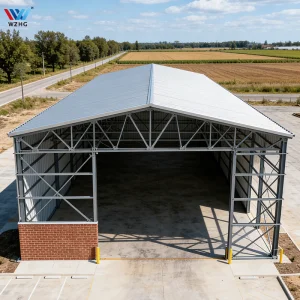
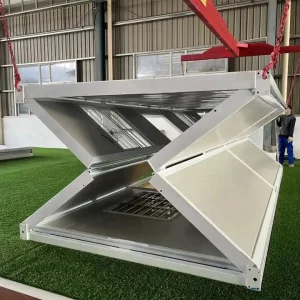
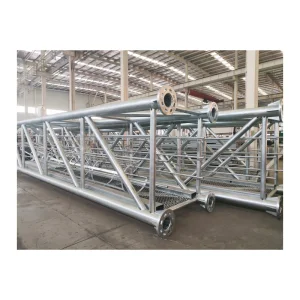
Global demand focuses on structural reliability and rapid speed to market. This drives manufacturers to deliver prefabricated modular steel buildings, specialized pipe trusses, and high-performance H-beams that cut field installation time by up to 50% while mitigating weather-dependent scheduling variables.
China's industrial steel ecosystem offers unmatched integration benefits. As a prominent hub, Shandong Bildon Steel leverages proximity to raw material producers, advanced plating and hot-dip galvanizing complexes, and dedicated maritime export ports. This concentration guarantees consistent access to superior grades like Q355B and Q420 structural steel, even during volatile global market conditions.
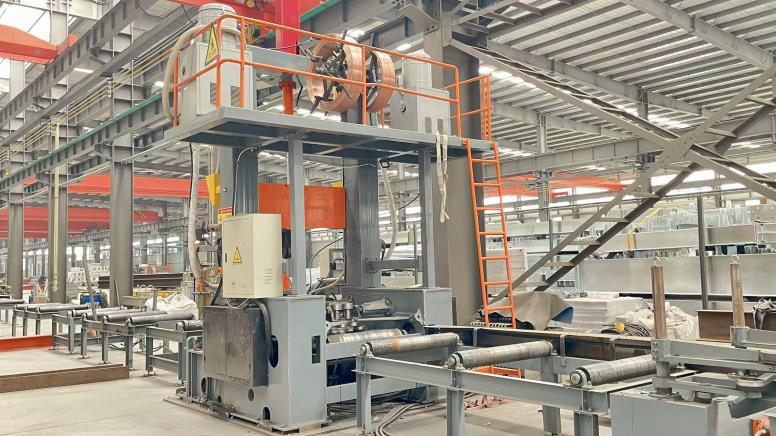
Our automated manufacturing networks combine robotic welding arrays with automated CNC sheet profiling machinery. This dual integration minimizes operational downtime, limits processing discrepancies to sub-millimeter tolerances, and lowers overall production overheads—an advantage that we pass directly to global engineering buyers.
The future of structural steel construction centers on digital thread continuity. By aligning Building Information Modeling (BIM) programs directly with CNC machinery (BIM-to-Fabrication workflows), we minimize design-to-production communication errors. In addition, ecological criteria are reshaping product life cycles.
We are investing heavily in low-carbon steel procurement, composite alternative material integrations (such as heavy-capacity GRP pultruded components), and modern eco-friendly protective coatings. Future developments include integrating smart sensing elements into critical structural joints to report real-time loading and fatigue metrics over the building's operational life.
Ensuring cross-border compliance through localized regulatory alignment, advanced engineering drawings, and strict quality control.
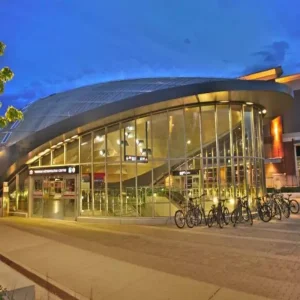
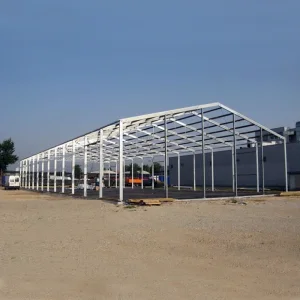
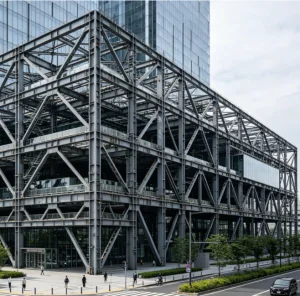
Our structural steel systems are deployed in highly demanding environments worldwide:
Navigating diverse construction standards is critical. Shandong Bildon Steel supports international standards including Eurocodes (EN 1993 for steel structures), AISC standards for North American zones, and AS/NZS requirements in Australia and New Zealand.
By securing CE certification (under EU Regulation 305/2011 CPR), we guarantee that all welded assemblies conform to EN 1090 standards. This covers traceability of raw materials, qualification of welding operations (ISO 3834-2 / EN ISO 15614), and continuous verification through non-destructive examination (UT, MT, RT). This extensive compliance framework ensures trouble-free permitting and structural sign-offs with local building inspectors.
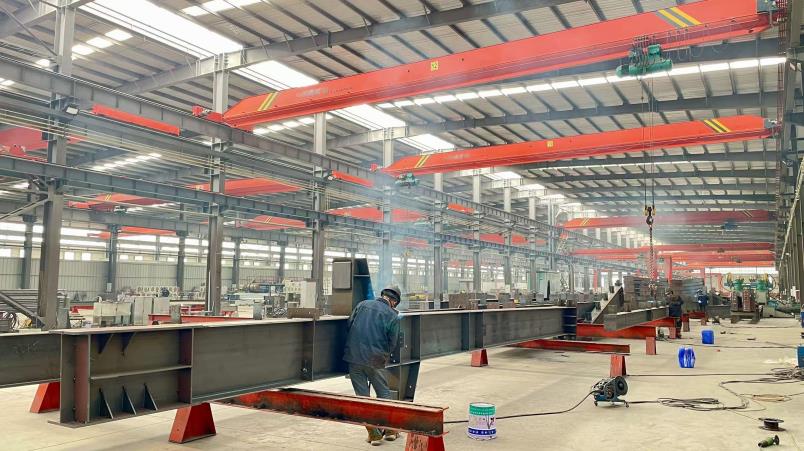
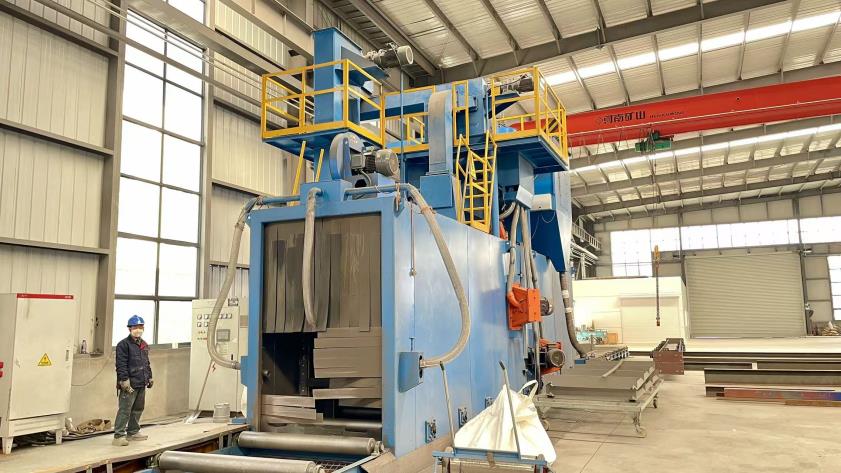
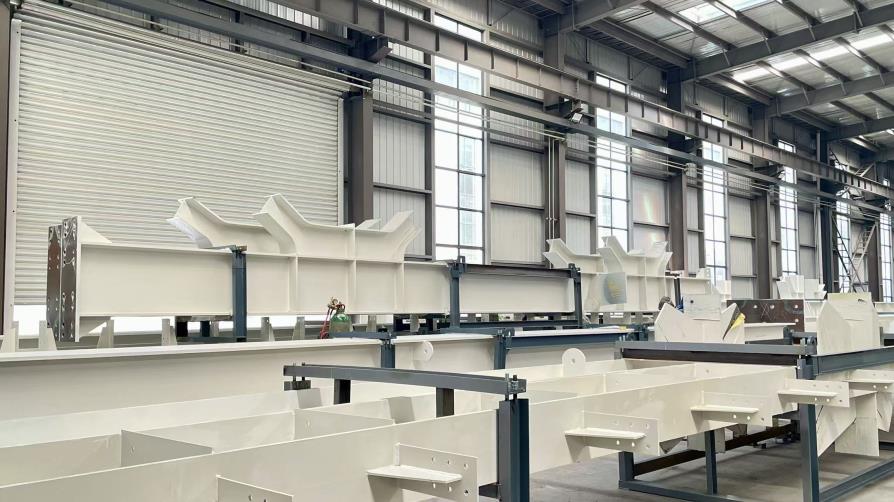
Our modern fabrication complex utilizes automated, high-precision processing equipment to ensure structural reliability.
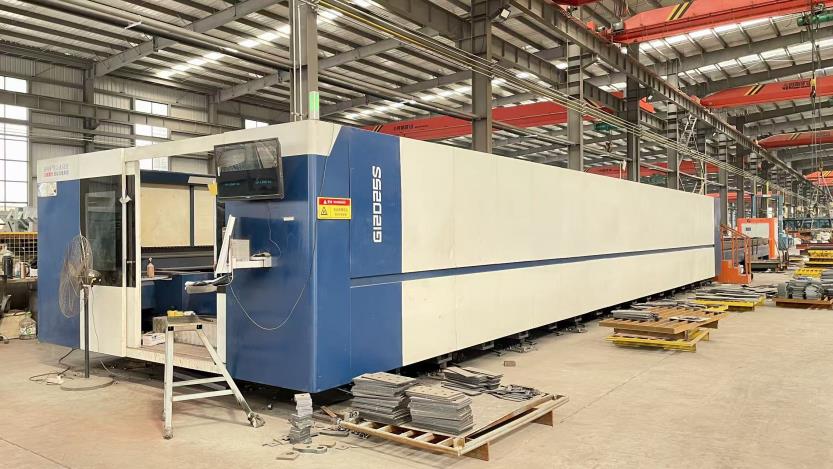
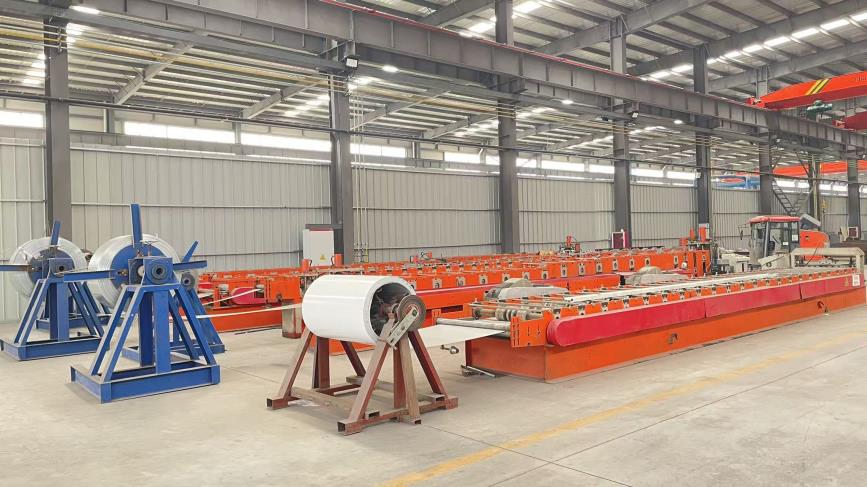
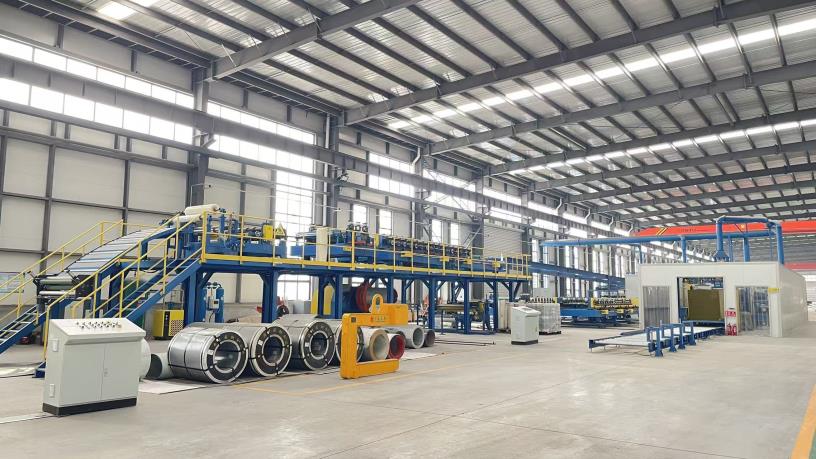
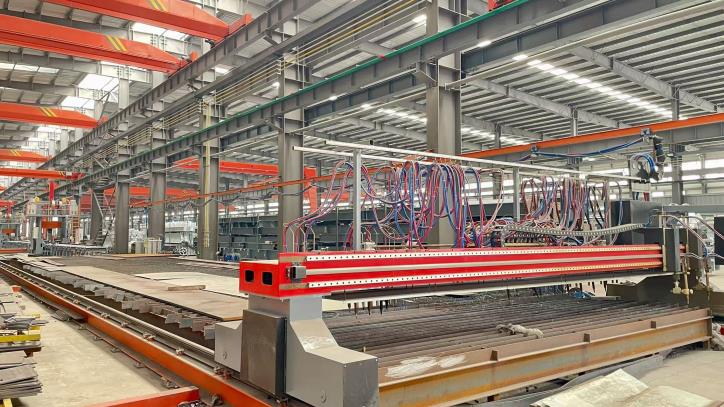
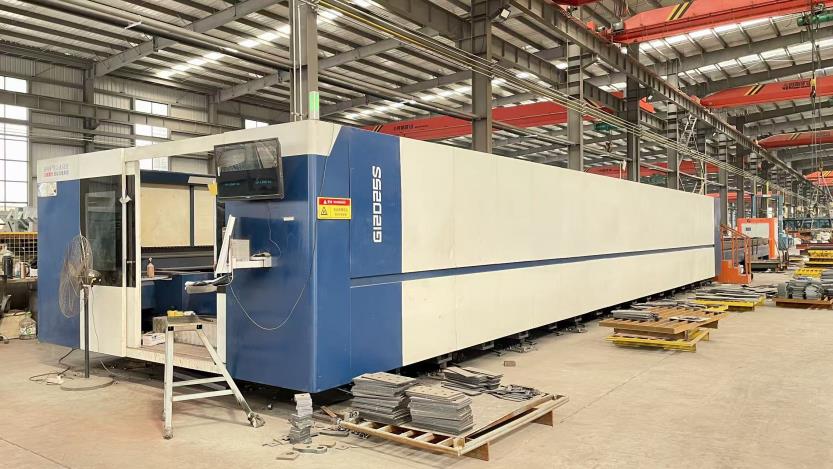
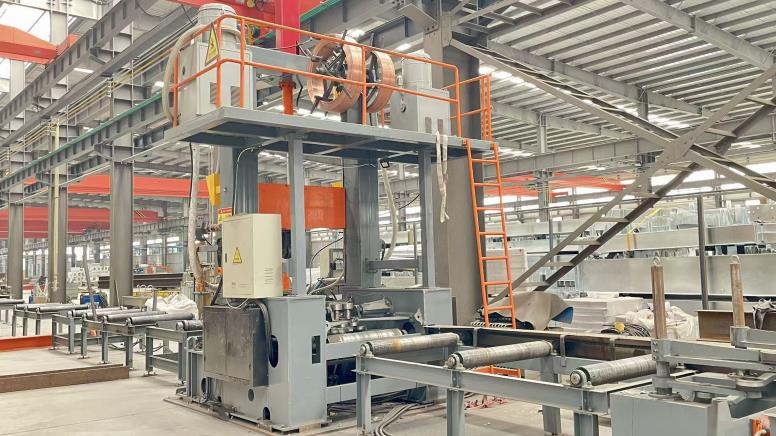
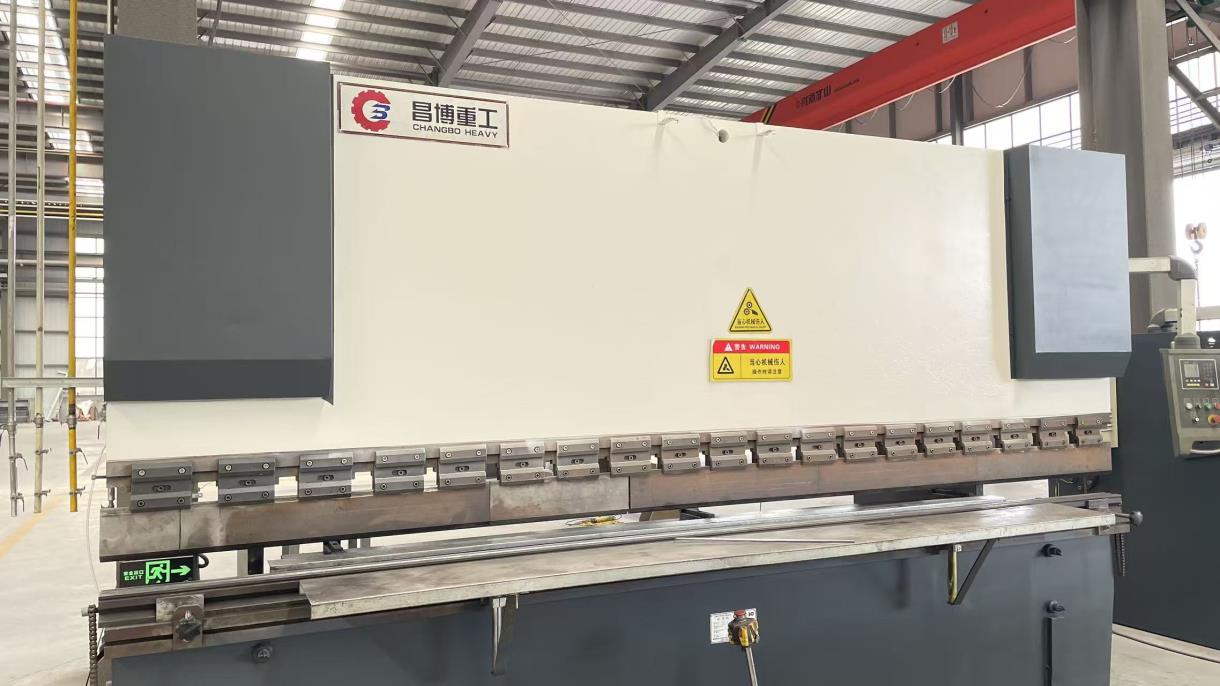
Expert insights addressing design considerations, certification details, and logistical integration for global projects.
CE certification, specifically in compliance with BS EN 1090-1 and EN 1090-2, is a legal mandate for structural metal systems sold within the European Economic Area (EEA). It guarantees that the factory operates a robust Factory Production Control (FPC) system, that welding engineers and operations are fully certified (ISO 3834), and that all materials exhibit documented load-bearing characteristics and traceability.
Q355B steel is a high-strength, low-alloy structural steel grade widely used across Asia and Europe. With a yield strength of 355 MPa, it allows designers to design lighter structural sections that support equivalent loads. This reduces building self-weight, limits foundation construction costs, and cuts overall shipping costs.
We implement tailored corrosion protection systems depending on the project's corrosivity category (C1 to C5, ISO 12944). Solutions range from hot-dip galvanizing (zinc thickness exceeding 85 microns) for long-lasting galvanic protection, to high-performance epoxy primers and polyurethane finishes, or heavy-duty duplex coating systems.
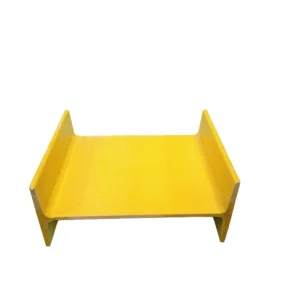
Glass Reinforced Plastic (GRP) H-Beams serve as exceptional alternatives in applications demanding high electrical insulation, chemical resistance, or low weight. However, for primary, multi-span structures subject to heavy loading, structural steel remains the industry benchmark due to its superior ductile performance and structural efficiency.
We use Non-Destructive Testing (NDT) methodologies to ensure joint integrity. This includes Ultrasonic Testing (UT) for internal weld profiles, Magnetic Particle Testing (MT) for surface-level weld anomalies, and Visual Inspections (VT) carried out by certified AWS/CSWIP welding inspectors.
Expanded product inventory offering specialized engineering solutions, from heavy support profiles to rapid modular housing.