Bildon Steel
Bildon Steel
Bildon Steel
Engineered structural systems built to withstand seismic conditions, high wind speeds, and maximize operational space.
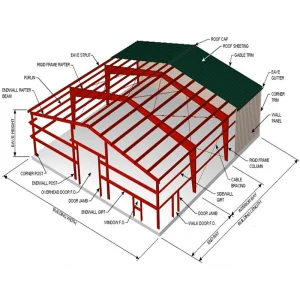
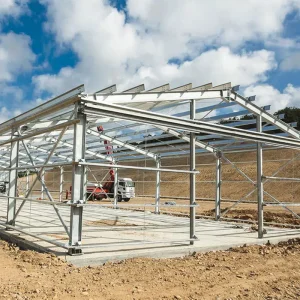
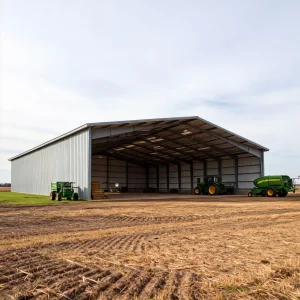
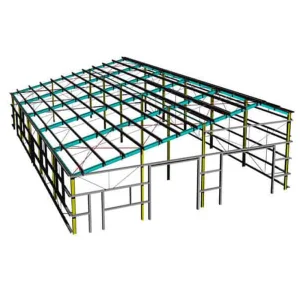
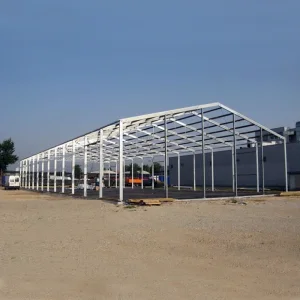
Tokyo is one of the most densely populated metropolitan areas globally, making land a premium commodity. Consequently, modern industrial infrastructure—such as cold storage hubs in Tokyo Bay, logistics centers in Koto-ku, and manufacturing assets in Saitama and Chiba—must maximize vertical and volumetric utility. Wide-span steel structures (engineered systems featuring clear spans exceeding 30 meters without interior support columns) represent the architectural baseline for these facilities. Removing column interruptions allows for optimized automated storage and retrieval systems (ASRS), streamlined forklift flow paths, and modular adaptability.
Designing wide-span structures for Tokyo, however, is a complex engineering task. The region lies within one of the most active tectonic zones on earth. Structural developments must navigate extreme seismic safety standards while addressing environmental risks like typhoons originating from Tokyo Bay. As a result, sourcing structural steel components for Japan requires strict engineering accuracy, reliable traceability, and deep compliance with the national building codes.
A technical guide on satisfying local regulations, material specs, and seismic safety requirements.
Sourcing structural steel for the Japanese market requires strict adherence to the Japanese Building Standards Act (Kenchiku Kijun-hō). Every component, weld connection, and chemical composition must comply with specific local classifications:
Securing raw materials and local structural fabrication in Tokyo can be challenging due to capacity limits at local steel mills and labor shortages. Chinese manufacturing partners like Shandong Bildon Steel Co., Ltd. offer an alternative by combining scale with export experience.
By routing engineering detailing, component fabrication, and quality control through advanced fabrication yards in Shandong, buyers can manage overall project costs effectively. Key logistics pathways connect Chinese steel manufacturing directly with the Kanto region:
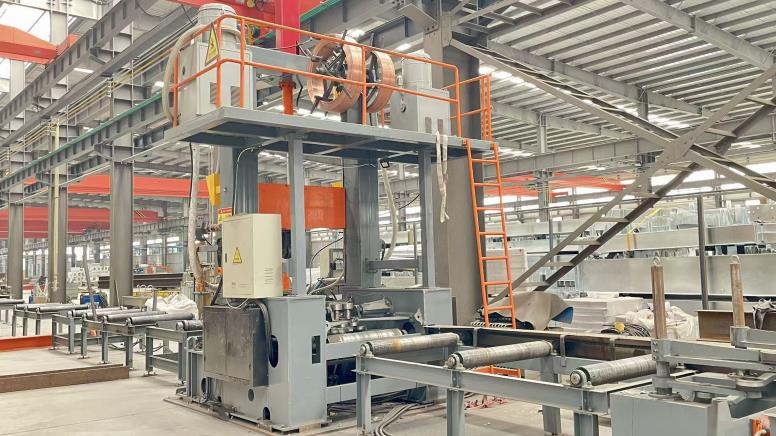
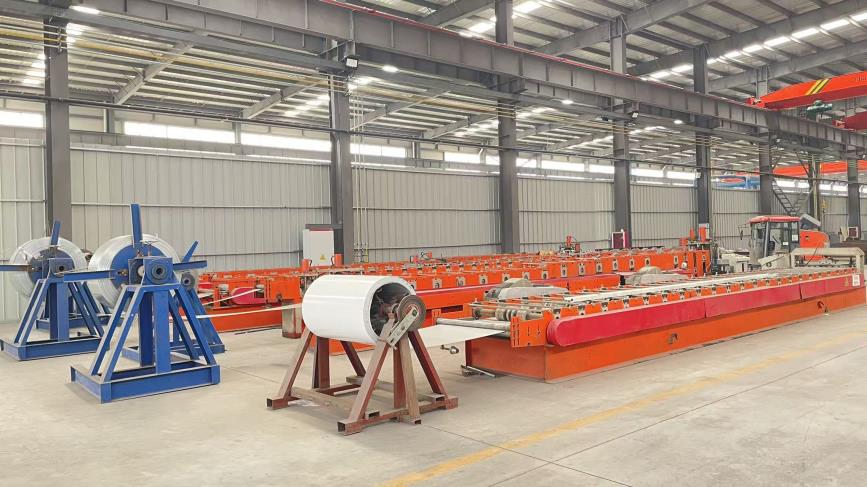
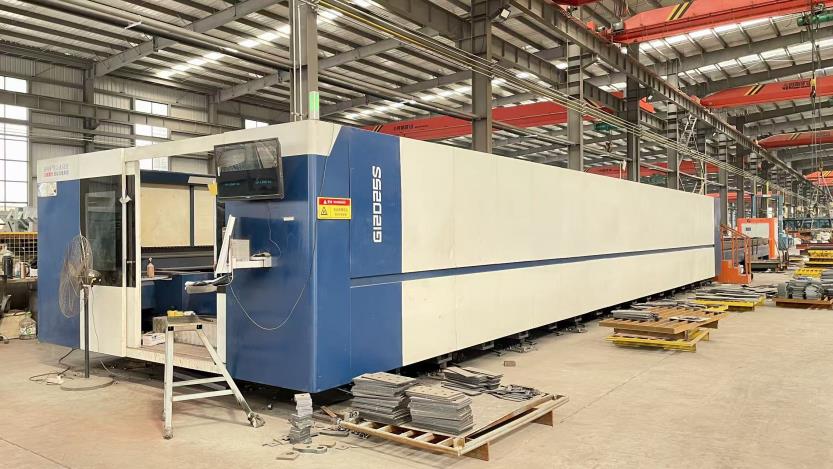
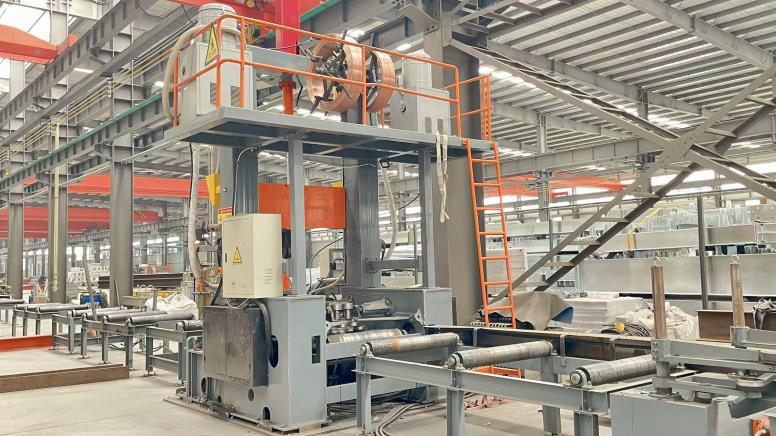
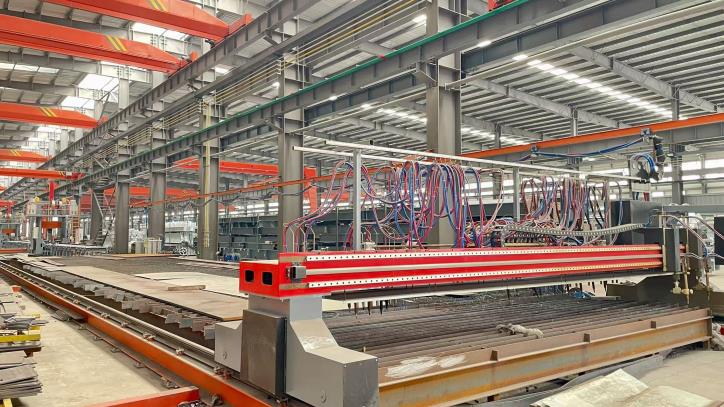
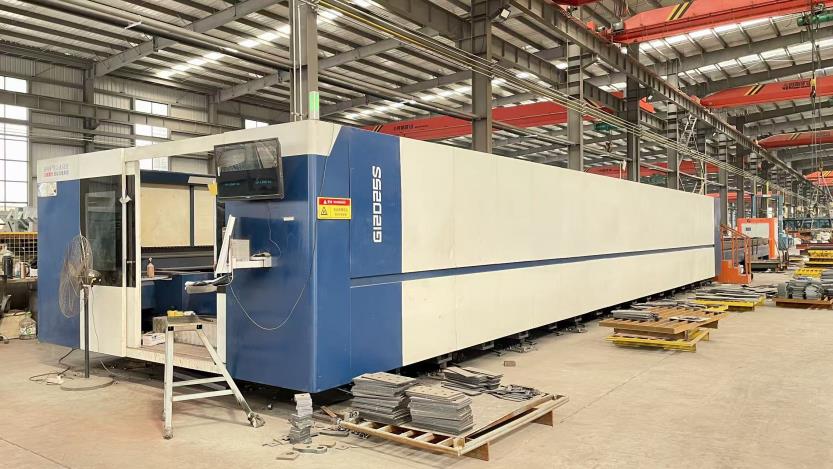
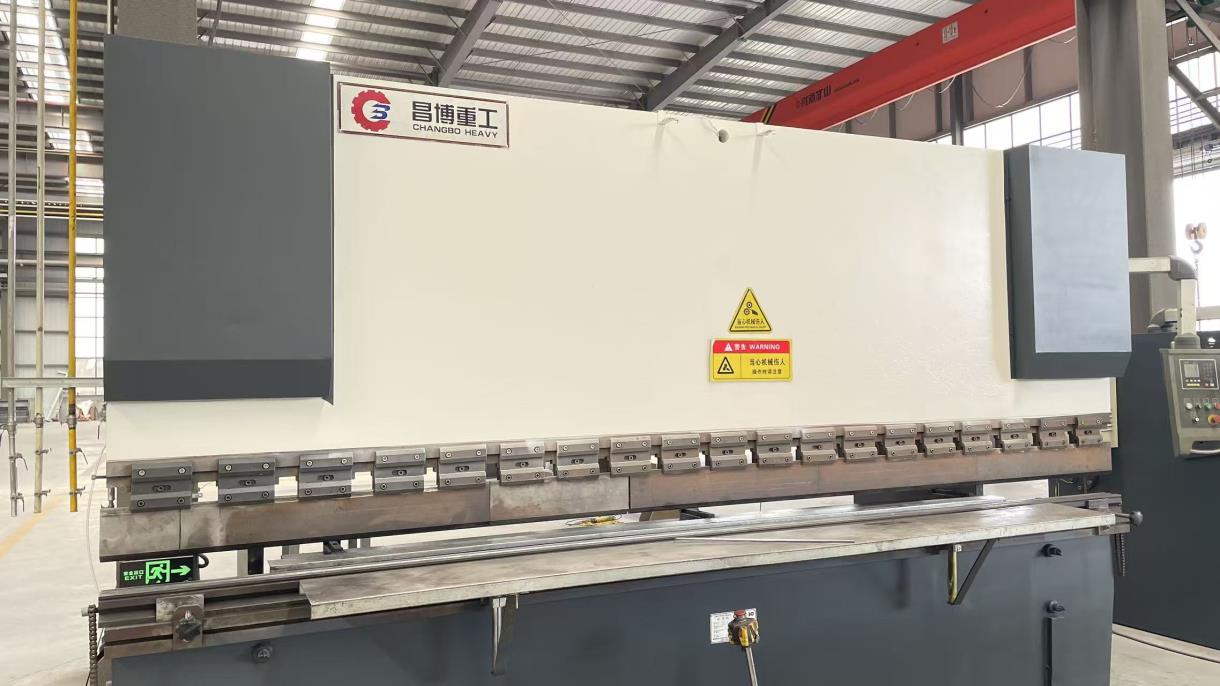
Inside our modern manufacturing facility, where technology drives structural precision and compliance.
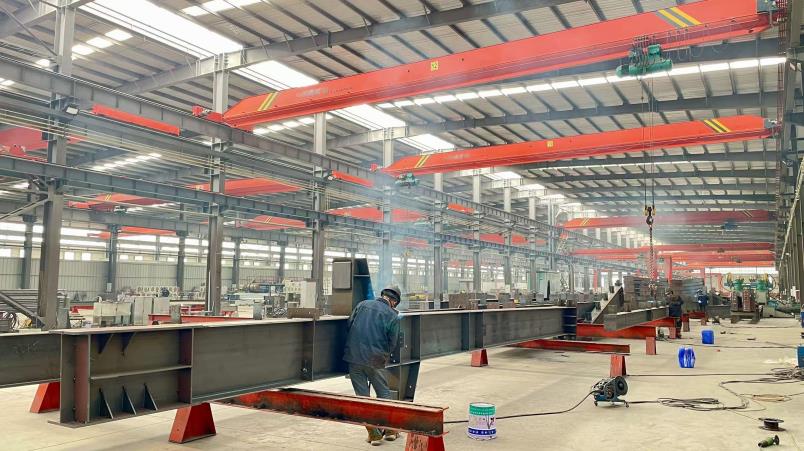
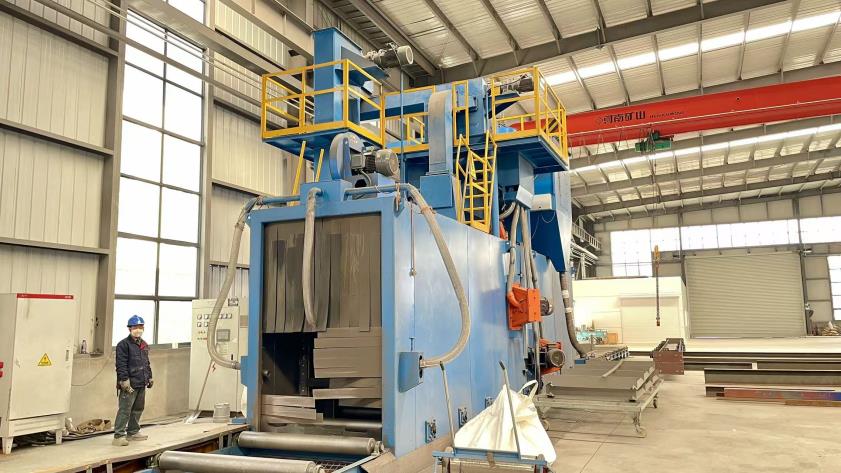
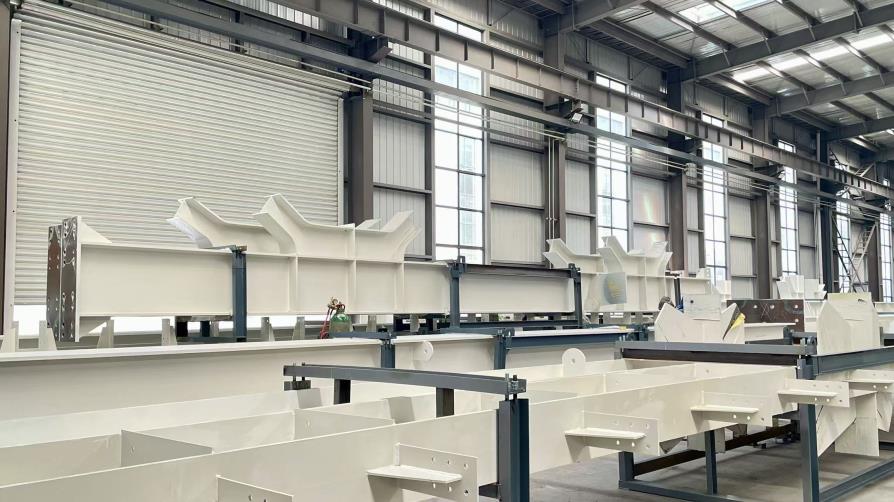
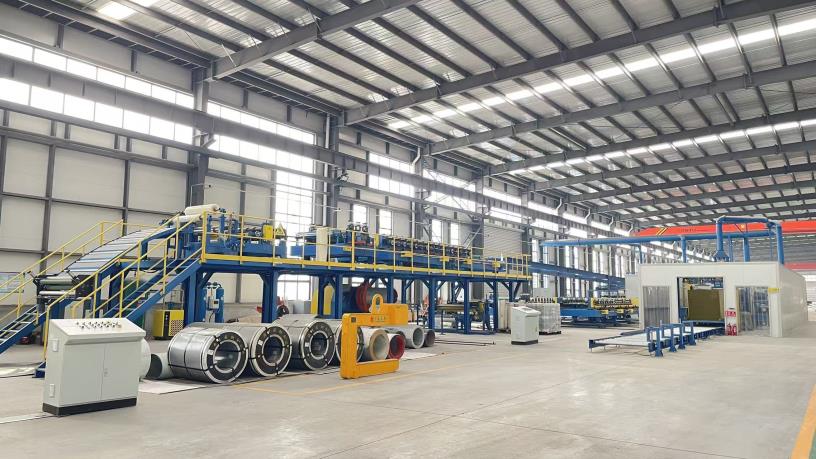
Tailored engineering configurations designed to match Kanto's zoning, industrial needs, and terrain types.
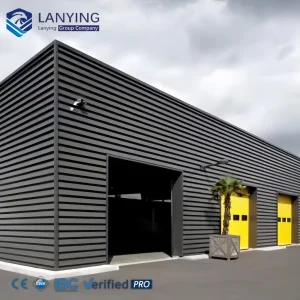
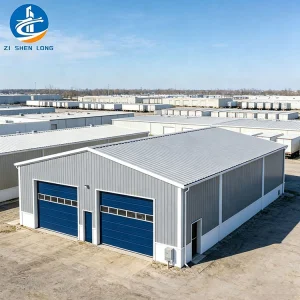
These coastal zones require structures designed for high wind load exposure and salty environments. Utilizing structural steel with hot-dip galvanized finishes protects against corrosion, while wide clear spans allow for standard racking designs and automated warehouse equipment.
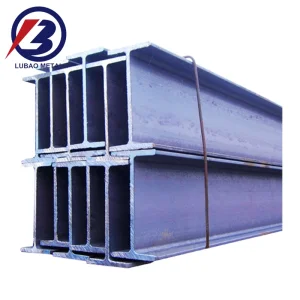
Precision manufacturing centers require overhead crane systems and vibration control. Our heavy-duty H-sections and welded columns support crane setups up to 50 tons, providing structural stability for high-precision CNC manufacturing and semiconductor assembly lines.
Meeting hygiene requirements is essential in suburban Tokyo's food logistics. Integrated sandwich panels (sandwich polyurethane and rockwool) fit onto wide-span steel frames to deliver thermal insulation, energy efficiency, and easy-to-clean surfaces.
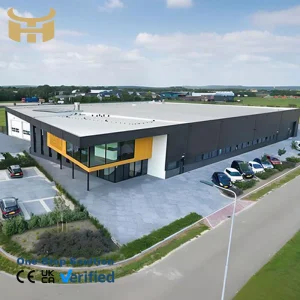
Retail and commercial spaces rely on open layouts and natural light. Steel truss assemblies and customized steel framing make it possible to design expansive glass curtain walls and multi-level spaces that support contemporary retail designs.
With land limited in inner Tokyo, multi-level warehouses are increasingly common. Moment-resisting structural steel frames carry high live loads on upper floors, allowing companies to scale their storage capacity vertically.
Technical answers to help buyers evaluate standards, logistics, and compliance when sourcing wide-span structures.
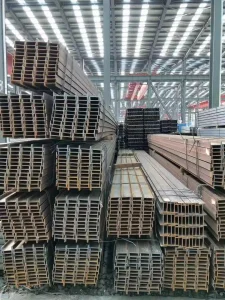
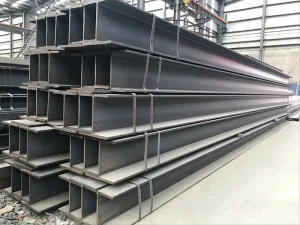
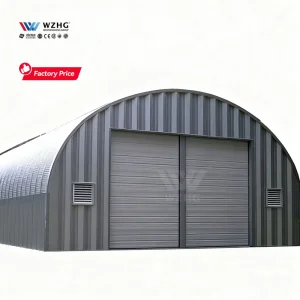
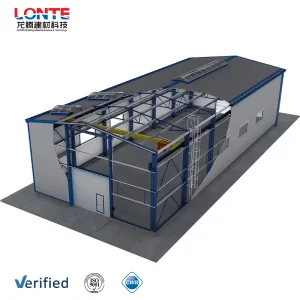
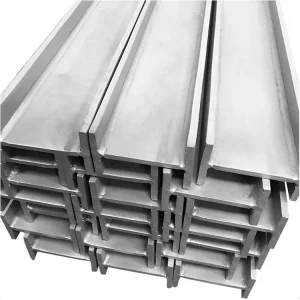
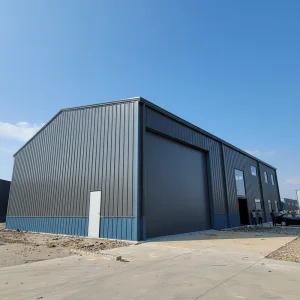
A broad selection of structural steel sections, custom fabricated buildings, and cladding systems for industrial use.
Shandong Bildon Steel Co., Ltd. is an integrated service provider in the field of steel structures, specializing in design, manufacturing, fabrication, and construction. The company is committed to delivering high-quality steel structure solutions with strong engineering capability and reliable project execution for clients across global markets.
Bildon Steel has obtained and operates under internationally recognized management systems, including the ISO9001 Quality Management System, ISO45001 Occupational Health and Safety Management System, and ISO14001 Environmental Management System. The company is equipped with advanced non-destructive testing (NDT) and quality inspection capabilities, ensuring strict control over every stage of production and construction. It holds independent import and export rights, with products and services delivered to multiple countries and regions worldwide.
With continuous focus on innovation and industrial upgrading, Shandong Bildon Steel Co., Ltd. actively promotes construction industrialization, digital engineering, and intelligent manufacturing, striving to improve efficiency, precision, and sustainability in steel structure production.
The company’s business scope covers a wide range of engineering applications, including building steel structures, large-scale industrial plants, multi-storey and high-rise steel buildings, non-standard steel components, complete equipment supporting steel structures, metal processing, special steel structures, and heavy steel structures. It also has engineering experience in fields such as nuclear power infrastructure, photovoltaic power generation systems, shipbuilding steel structures, curtain wall engineering, and offshore wind power structures.
Backed by a professional team of engineers, project managers, and skilled manufacturing personnel, Bildon Steel continues to strengthen its research and development capabilities, supply chain integration, and smart production systems. The company is dedicated to being a reliable partner for global steel structure manufacturing and engineering services, known for stable quality, technical expertise, and client support.