 Bildon Steel
Bildon Steel
Bildon Steel
Engineered to excel in high-load applications and withstand challenging coastal and arid environments across Namibia.
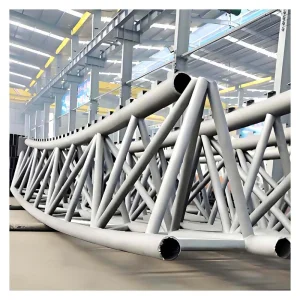
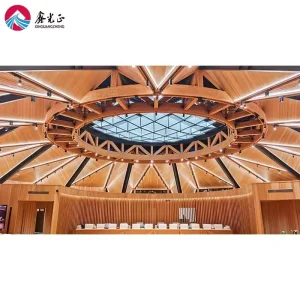
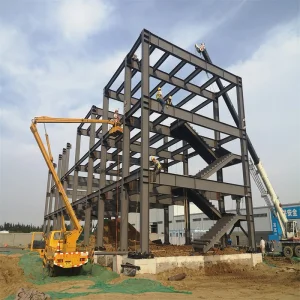
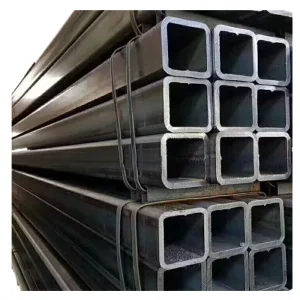
Namibia is experiencing a rapid modernization wave driven by significant investments in the mining sector, port logistics expansions—specifically around the Walvis Bay port corridor—and sustainable energy infrastructures. Under the National Development Plan (NDP5) and Harambee Prosperity Plan, the demand for high-strength structural engineering solutions has risen exponentially.
In regions such as the Erongo Coastal Belt, structural assets face extreme atmospheric challenges. The combination of hyper-saline marine fog, intense solar UV radiation, and sweeping desert winds requires structural steel systems that exhibit high durability, aerodynamic efficiency, and superior corrosion resistance. This environment has driven engineers away from traditional I-beam frames toward advanced circular hollow section (CHS) and rectangular hollow section (RHS) steel pipe truss structures.
Worldwide, the commercial construction and industrial sectors are shifting toward large-span spatial structures. Architectural demands for column-free interior spaces—such as airport passenger terminals, logistics dry ports, sports complexes, and heavy aircraft hangars—cannot be met efficiently with conventional structural framing. Steel pipe truss configurations represent the pinnacle of modern structural efficiency, distributing tension and compression loads axially along the geometric center of each tube member.
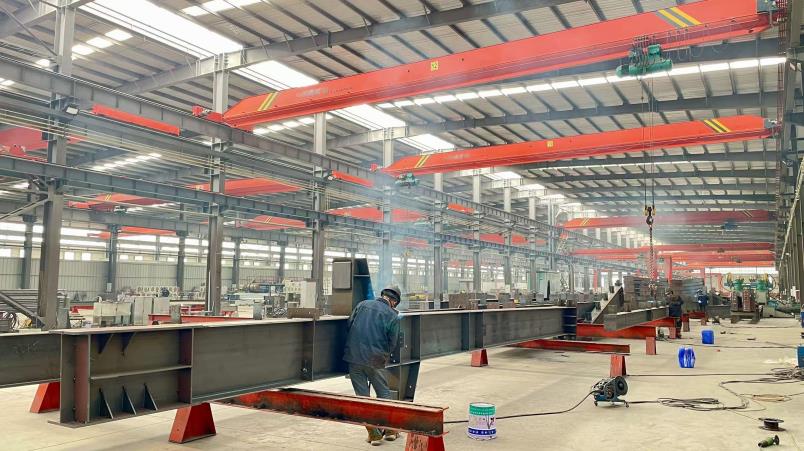
Furthermore, globalization of supply chains has led procurement officers to prioritize offsite prefabrication. Building structures that are fully detailed, cut, welded, and trial-assembled in a controlled factory environment dramatically reduce the margin for error on the job site. This is particularly crucial for African logistics networks where remote sites make field errors extremely costly to resolve.
Ensuring complete structural integrity with optimized secondary framing and specialized cold-formed components.
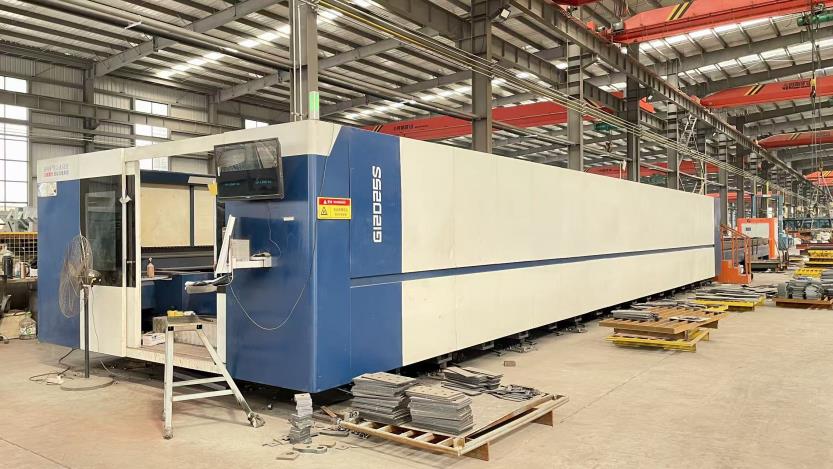
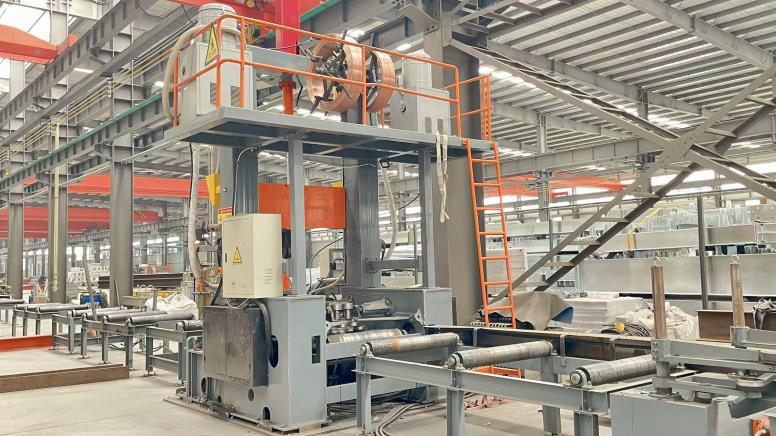
As a premier integrated service provider in structural steel engineering, Shandong Bildon Steel Co., Ltd. delivers advanced design, high-precision fabrication, and project execution services. Our smart manufacturing base utilizes Factory 4.0 paradigms to integrate smart automated cutting, precise profile assembly, robotic welding, and digital quality monitoring. By optimizing material usage and streamlining the shipping lifecycle, we guarantee global quality compliance and supply chain resilience for Namibian EPC contractors and industrial developers.
Bildon operates in strict alignment with recognized international frameworks: ISO9001 Quality Management System, ISO45001 Occupational Health and Safety Management System, and ISO14001 Environmental Management System. With comprehensive non-destructive testing (NDT) capabilities (including Ultrasonic and Magnetic Particle testing) and dedicated quality assurance engineers, we guarantee that all welded trusses comply with rigorous structural requirements (such as AWS D1.1 and EN 1090 standards).
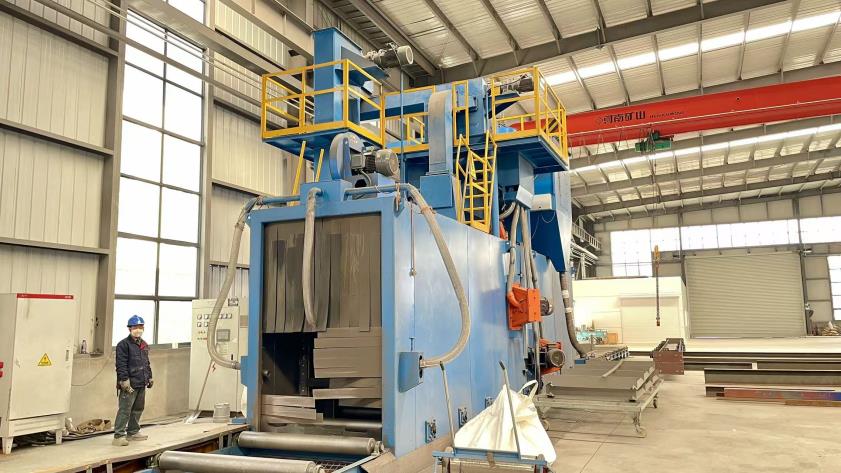
Examine our step-by-step digital steel fabrication pipeline, showcasing heavy equipment and precision control.
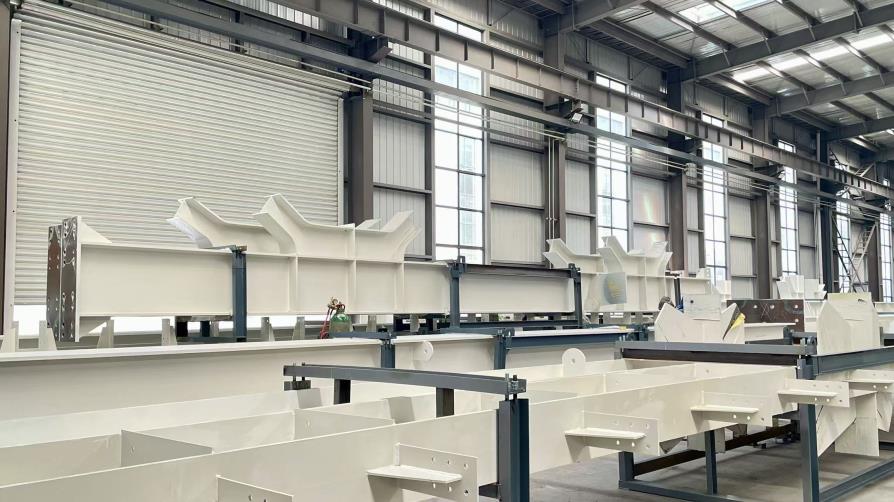
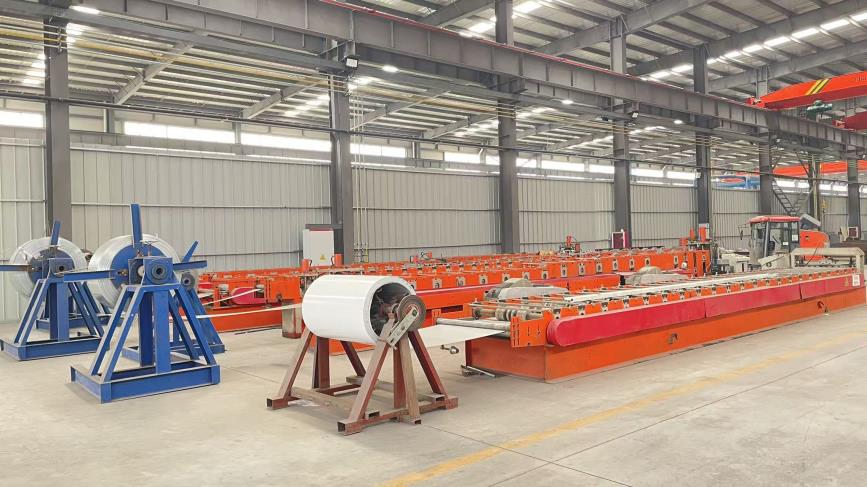
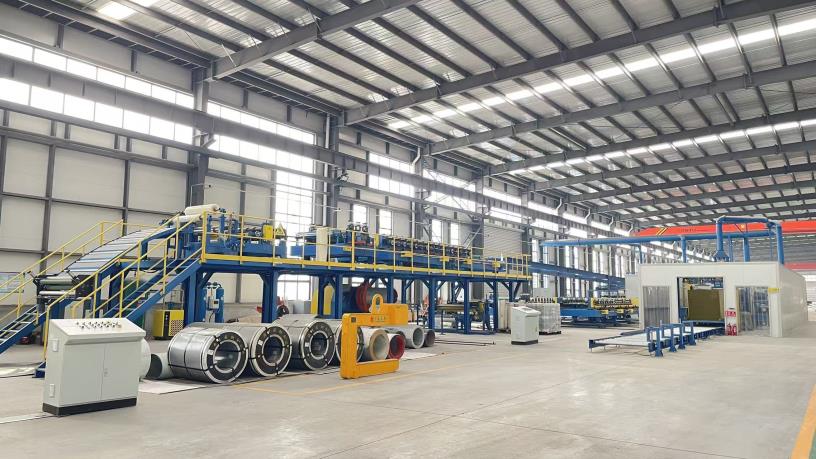
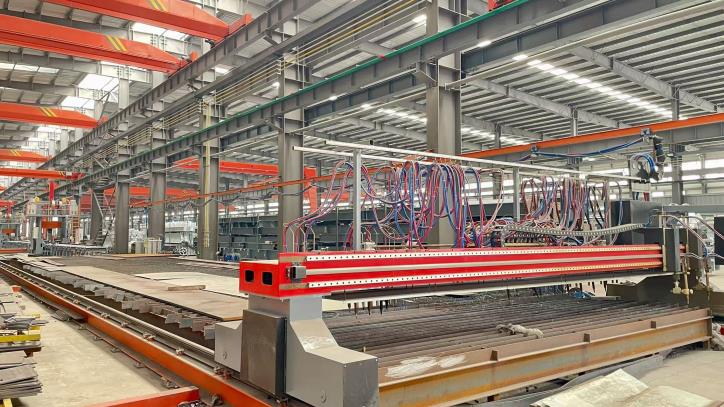
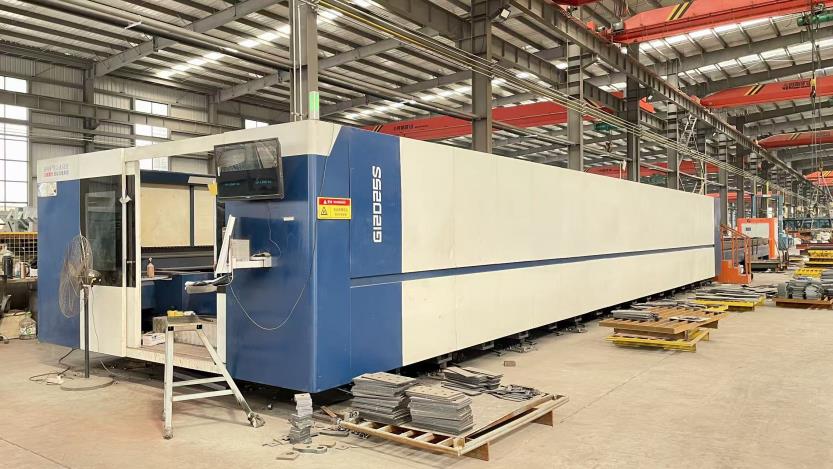
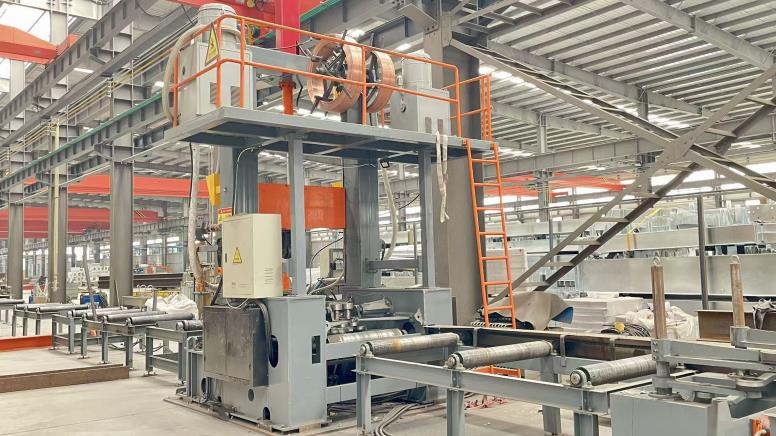
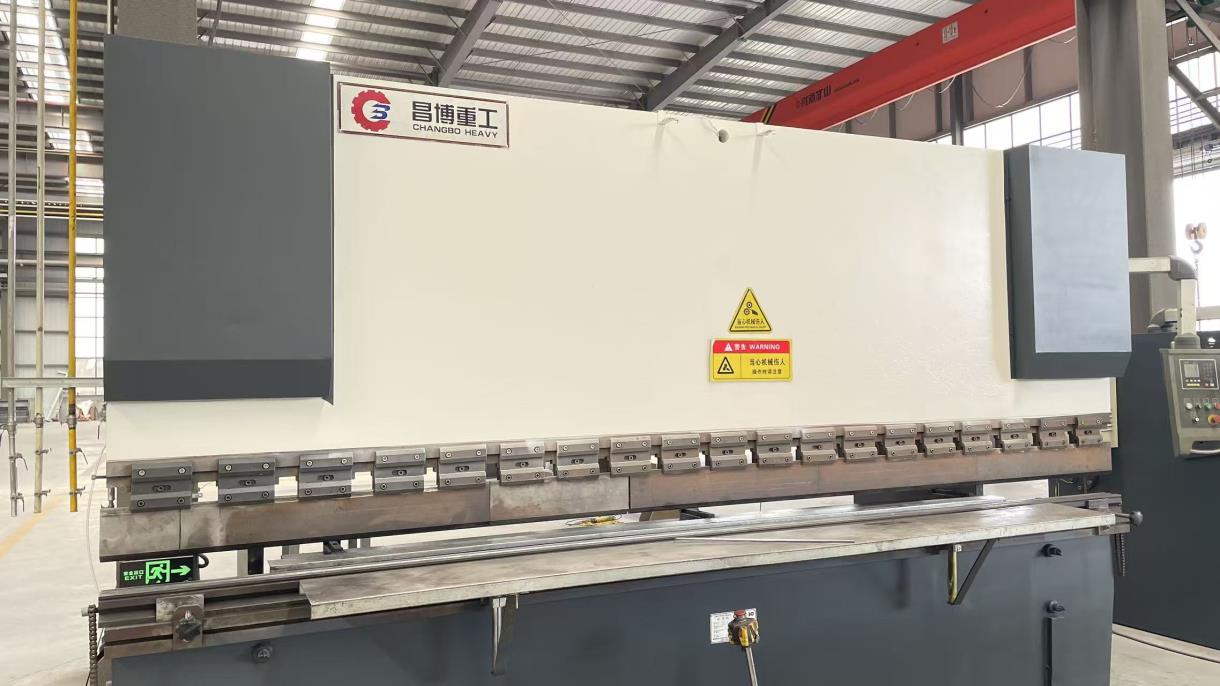
Our engineering division designs and fabricates steel pipe trusses tailored to the exact loading parameters of your geographic location in Namibia. Whether addressing high coastal humidity in Henties Bay or seismic limits near the Great Escarpment, our structures are optimized for performance:
All raw hollow sections are sourced from certified domestic steel mills, conforming to ASTM A36, ASTM A500 Grade B/C, and EN 10219/EN 10210 specifications. This ensures high weldability, predictable yield strengths (up to 355 MPa), and standard wall thicknesses configured to resist local wind load calculations of up to 1.5 kPa (approximately 160 km/h wind gusts).
Given the aggressive saline atmosphere along Namibia’s Atlantic coast, standard paint applications are often insufficient. We provide multi-tier protective solutions, including:
From lightweight roof trusses to heavy-duty industrial bridges, explore our core engineering systems for the Namibian market.
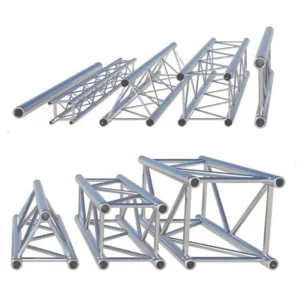
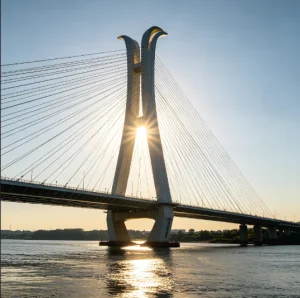
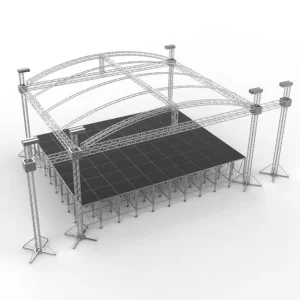
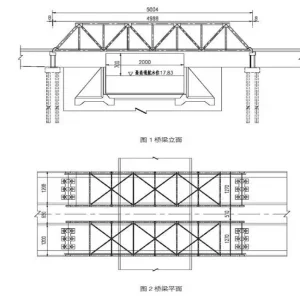
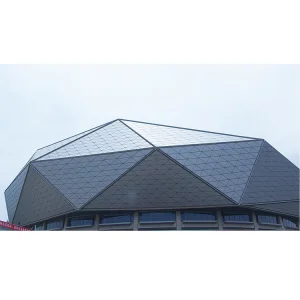
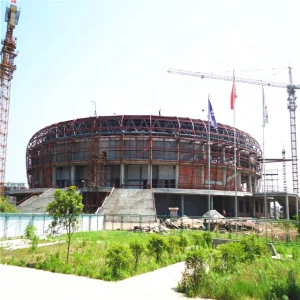
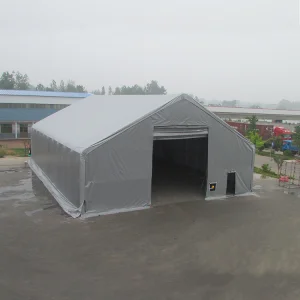
Crucial procurement, engineering, and logistics considerations for Namibian buyers.
Steel pipe trusses utilize hollow structures, which maximize axial strength while reducing raw steel weight. This helps save on initial fabrication and shipping costs to Namibia. Their streamlined profile also minimizes drag, making them ideal for high-wind environments like the Namib Desert.
We offer comprehensive anti-corrosion coating options, specializing in heavy hot-dip galvanization (HDG to ISO 1461 standards) and multi-layer epoxy-polyurethane coatings. These processes isolate the steel core from marine fog, preventing oxidation and extending the structure's service life.
We perform non-destructive testing (NDT), including ultrasonic, radiographic, and magnetic particle testing, on all key structural welds to ensure they are free of internal defects and comply with international welding standards.
Yes, our engineering team uses industry-leading software (such as Tekla Structures and SAP2000) to design and detail structures in compliance with SANS (South African National Standards) or British Standards, which are commonly referenced in Namibia.
Once fabrication is finished, marine transit from major Chinese ports to Walvis Bay Port typically takes 30 to 45 days. We optimize steel segments for standard container shipping to ensure straightforward handling and minimize transport costs.