 Bildon Steel
Bildon Steel
Bildon Steel
Engineered for large-span exhibition centers, high-capacity stadiums, and heavy-duty industrial framing across the Bangkok Metropolitan Region.
Analyzing geological conditions, environmental challenges, and the architectural shift toward hollow section tube systems in Central Thailand.
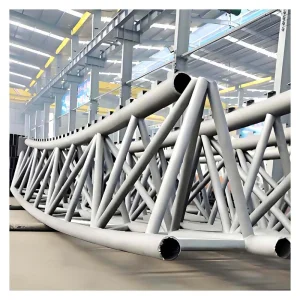
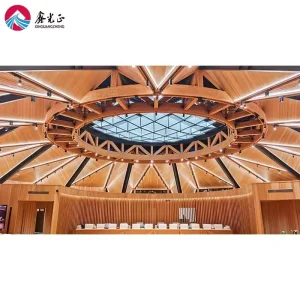
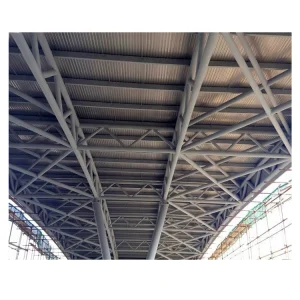
As Bangkok continues its trajectory as a leading industrial and financial powerhouse within the ASEAN region, the demand for fast-tracked, structurally resilient, and resource-efficient building systems has surged. Driven by Thailand's Eastern Economic Corridor (EEC) development policies, real estate and infrastructure developers in Bangkok, Samut Prakan, and Chonburi are heavily prioritizing Steel Pipe Truss Structures. Unlike traditional reinforced concrete or heavy hot-rolled H-beams, structural hollow pipe trusses offer superior strength-to-weight ratios, allowing engineers to achieve spans exceeding 100 meters without intermediate columns.
Bangkok's unique geographic situation—situated on the soft clay basin of the Chao Phraya River delta with a high water table—places strict constraints on foundation weight. Minimizing the dead load of the superstructure is critical to preventing soil subsidence and reducing deep pile foundation costs. Structural steel pipe trusses provide the ideal solution, reducing overall building weight by up to 30-40% compared to solid concrete configurations, without sacrificing structural integrity.
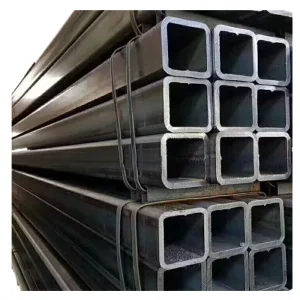
Circular Hollow Sections (CHS) and Square/Rectangular Hollow Sections (SHS/RHS) represent the pinnacle of modern structural geometry. In a pipe truss, the material is distributed efficiently away from the neutral axis, maximizing torsional rigidity and structural resistance. Furthermore, the rounded profile of steel pipes exposes less surface area to wind pressure, which is a key design consideration under the Department of Public Works and Town & Country Planning (DPT) wind load code in Thailand. This aerodynamic advantage ensures stability during monsoon seasons and heavy tropical storms.
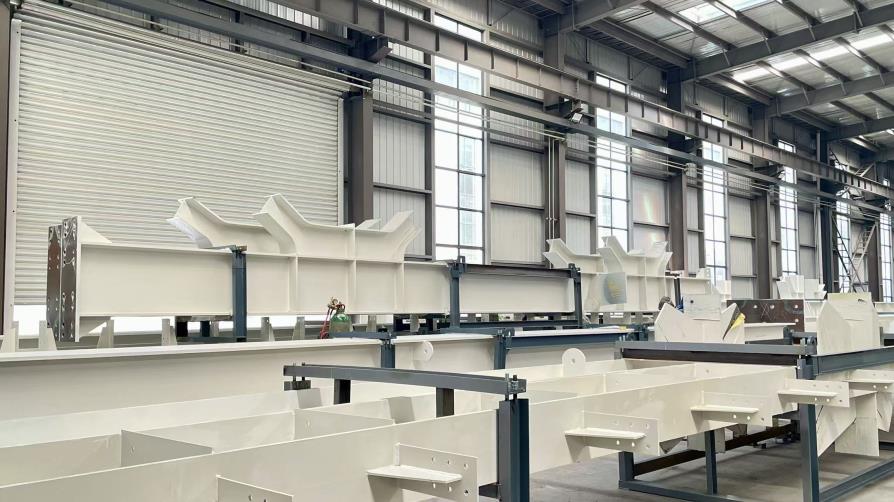
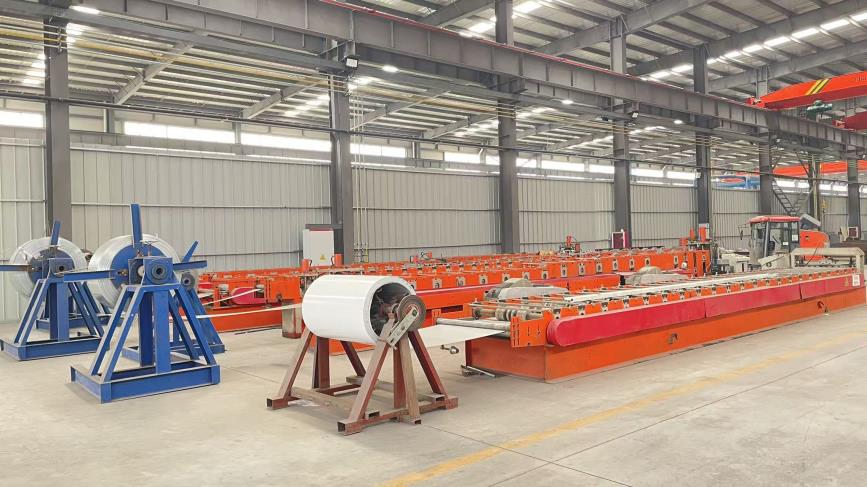
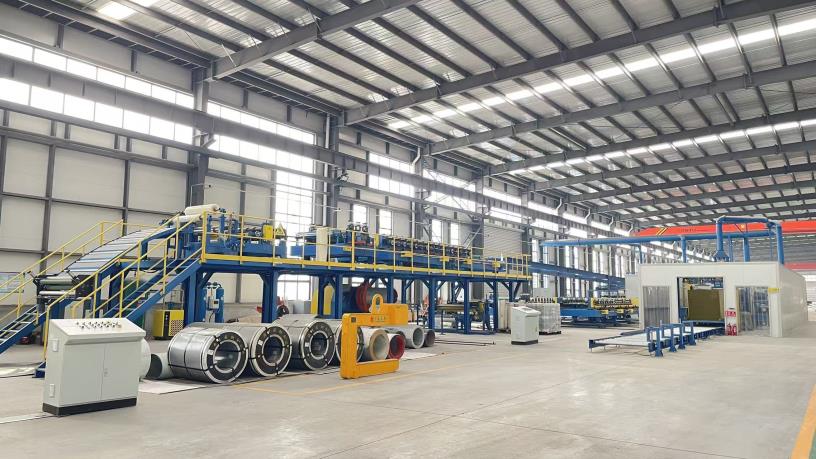
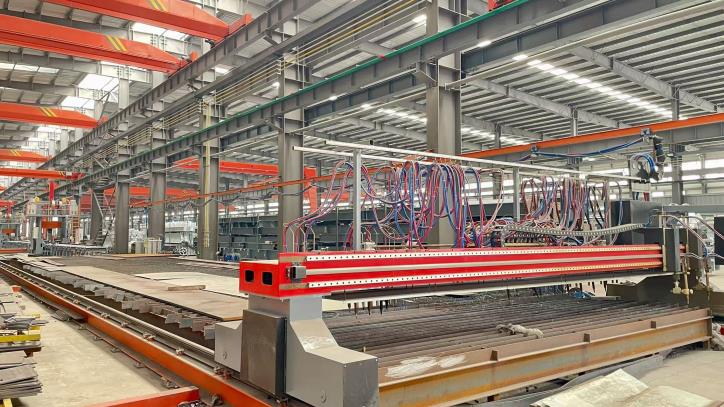
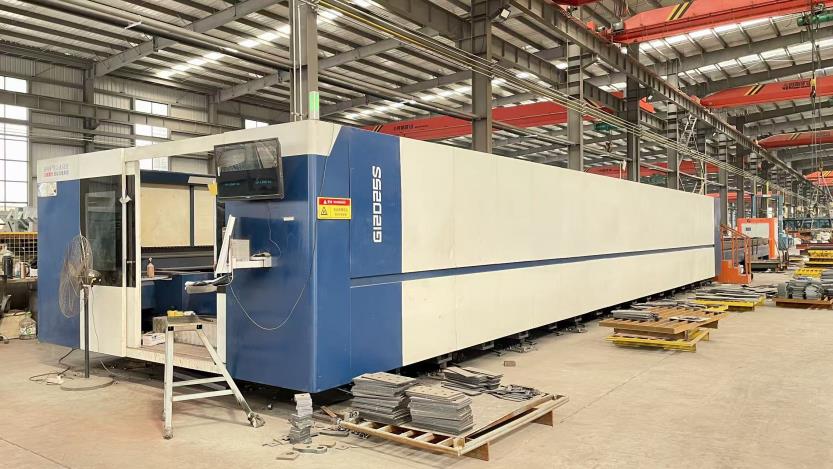
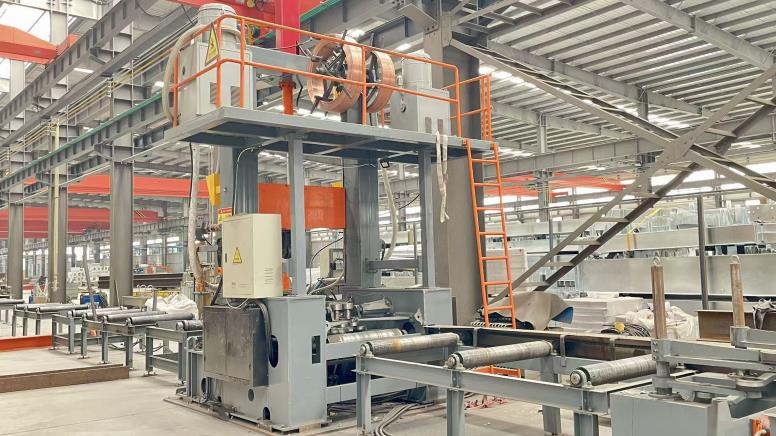
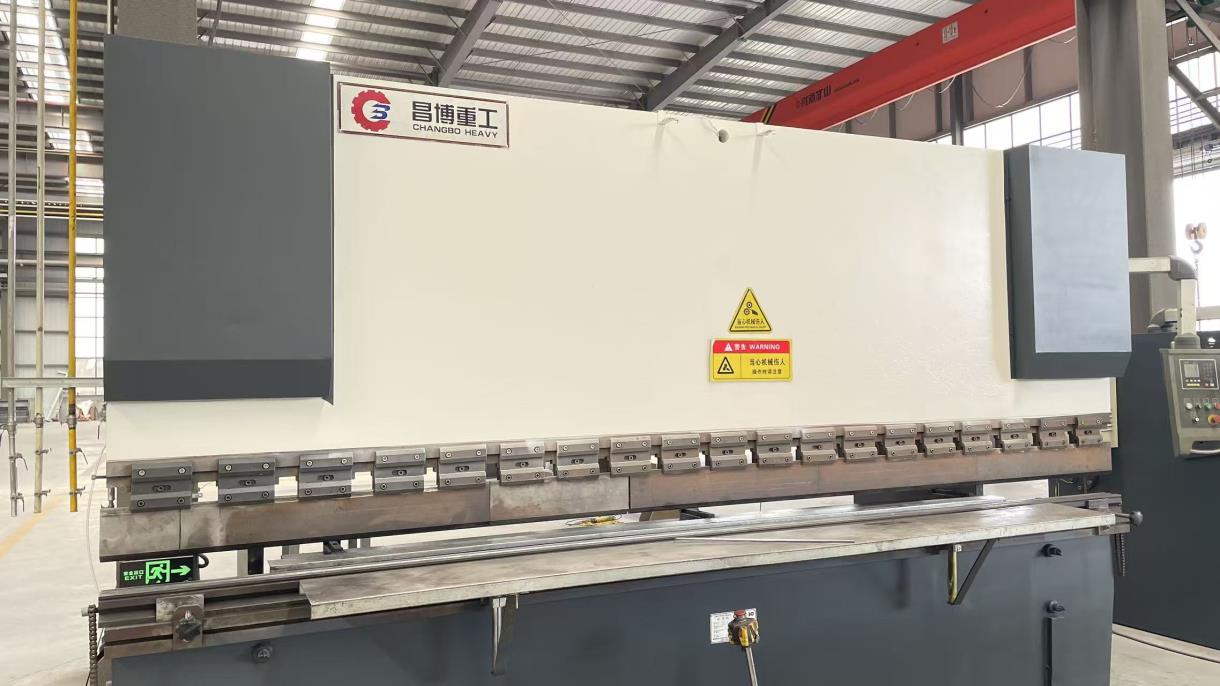
Tour our advanced production workflow designed to execute high-precision cutting, robotic welding, and anti-corrosion treatments for global standards.
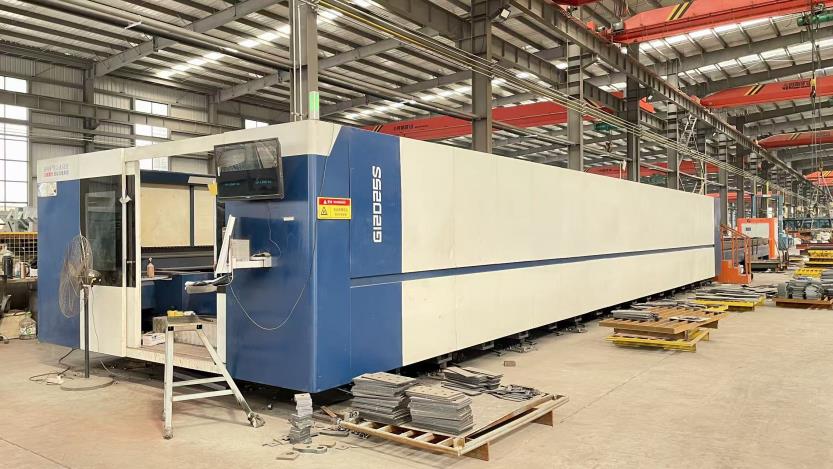
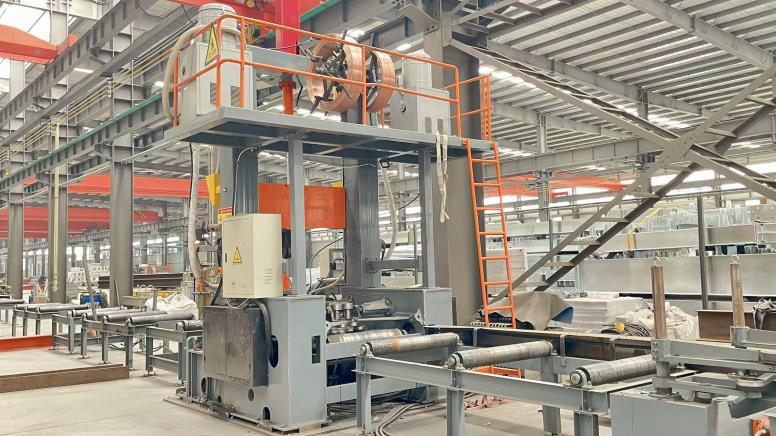
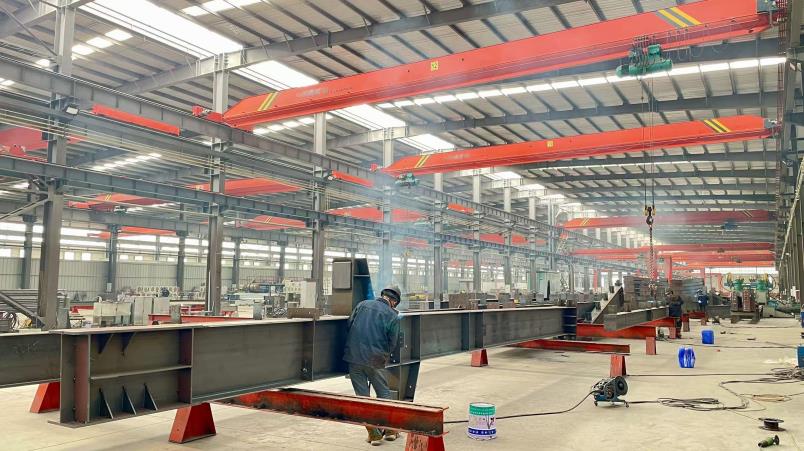
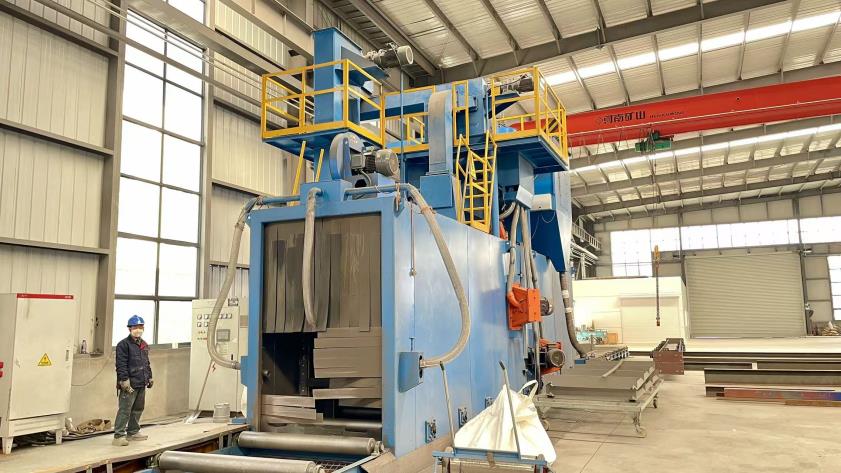
A deep dive into our corporate capabilities, rigorous ISO-compliant QA/QC frameworks, and global export portfolio.
Shandong Bildon Steel Co., Ltd. is a globally recognized, integrated service provider in the steel structure sector. Our operations cover the entire lifecycle of structural steel projects: from customized CAD/BIM engineering design and precision manufacturing to pre-assembly testing, logistics, and on-site erection supervision. We support modern infrastructure demands by delivering high-end pre-engineered buildings, power stations, logistics parks, and public arenas.
Our commitment to technical precision and reliability is backed by a robust quality management system. Bildon Steel operates strictly under internationally recognized framework certifications: ISO9001:2015 Quality Management System, ISO45001:2018 Occupational Health and Safety Management System, and ISO14001:2015 Environmental Management System. Our manufacturing plants are equipped with modern testing laboratories capable of conducting comprehensive Non-Destructive Testing (NDT), including Ultrasonic Testing (UT), Magnetic Particle Testing (MT), and Radiographic Testing (RT) to verify weld penetration and structural safety.
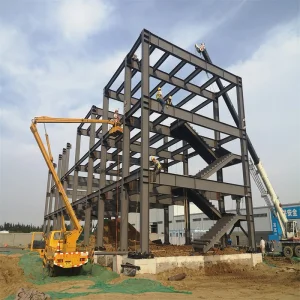
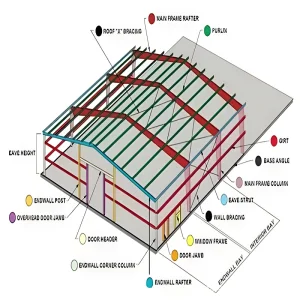
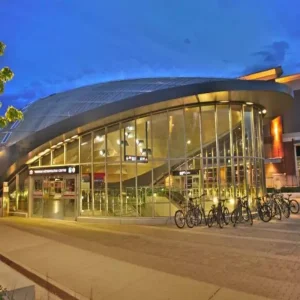
Beyond standard commercial roofing structures, Bildon Steel's fabrication capacity extends to heavy structural steel applications: nuclear power plant containment structures, large-scale industrial complexes, offshore wind turbine sub-structures, curtain wall supporting frames, and high-speed railway canopy systems. By integrating digital engineering and smart manufacturing, we minimize material waste, lower production costs, and maintain fabrication tolerances well within international limits.
For structures deployed in Bangkok and neighboring coastal provinces like Samut Prakan and Chonburi, anti-corrosion is a vital design factor. The combination of high ambient humidity, rainfall, and industrial emissions requires high-performance coating systems. At Bildon Steel, we offer comprehensive hot-dip galvanization processes in accordance with ASTM A123, achieving a zinc coating thickness of 85 microns or more, providing over 50 years of maintenance-free service. Alternatively, we apply multi-layer paint systems consisting of inorganic zinc-rich primers, epoxy micaceous iron oxide intermediate coatings, and polyurethane finish coats to withstand heavy UV exposure and corrosive environments.
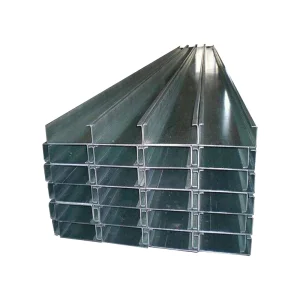
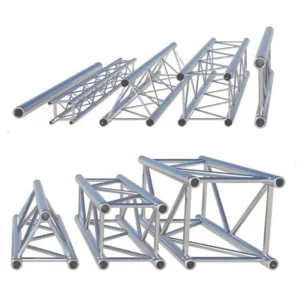
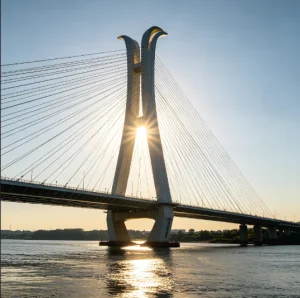
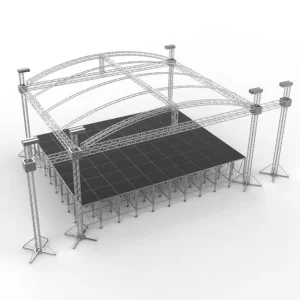
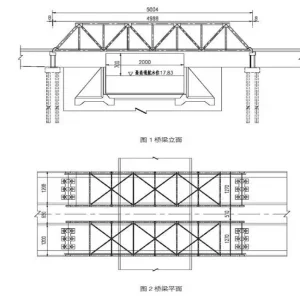
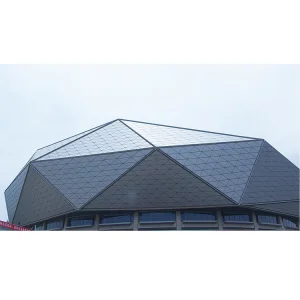
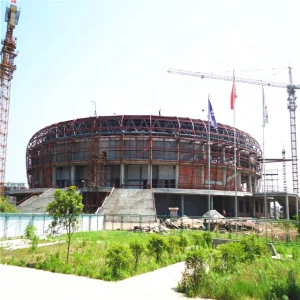
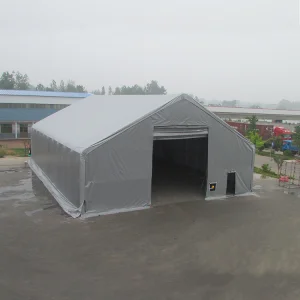
Select from our range of structural components engineered for standard industrial sheds, bridges, transit systems, and modern architectural projects in Thailand.
Ensuring transparent verification, engineering alignment, and seamless transit from our factories to Laem Chabang or Klong Toey port.
For international contractors and buyers procuring steel structures from China to Thailand, navigating structural code conversion and import compliance is crucial. Shandong Bildon Steel Co., Ltd. addresses these pain points directly. Our engineering division is proficient in translating design briefs across multiple codes. We cross-reference architectural drawings designed under Thai TIS codes, British Standards (BS5950/EN1993 Eurocode 3), and US Standards (AISC 360 / AWS D1.1 structural welding code).
By leveraging the China-ASEAN Free Trade Agreement, Thai buyers can achieve significant tariff savings. Our trade operations department issues Certificate of Origin Form E, which reduces the baseline customs tariff on imported structural steel fabrications down to 0% or a highly concessionary rate. All documentation, including Mill Test Certificates (MTC) conforming to EN 10204 3.1, packing lists, and export declarations, is pre-checked for smooth clearance through Klong Toey or Laem Chabang Port.
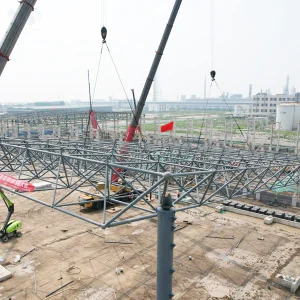
Shipping structural steel requires efficient volumetric and gravimetric container utilization. Trusses are engineered with specialized flange joints and bolted connections, allowing them to be nested and loaded into 40-foot High Cube (40HC) containers or open-top containers safely. Our packaging designs use heavy steel skids to prevent distortion or paint chipping during sea transit. On-site, these modular bolted connections facilitate rapid erection with minimal field welding, reducing local labor overheads and minimizing errors during site construction.
Detailed answers to structural design, engineering support, logistics, and quality assurance queries for Bangkok construction projects.