Bildon Steel
Bildon Steel
Bildon Steel
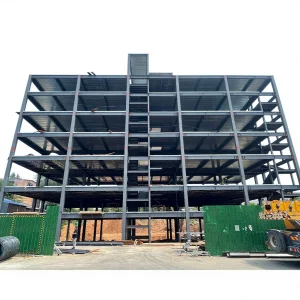
South Sudan is currently witnessing an unprecedented phase of urban development and infrastructure rehabilitation, particularly in Juba, Malakal, Wau, and the northern oil-producing zones. The traditional reliance on concrete blockwork and timber framing has faced major structural, logistical, and environmental challenges. With expansive black cotton soils covering much of the White Nile basin, heavy conventional concrete structures require massive, expensive deep foundations to avoid structural failure.
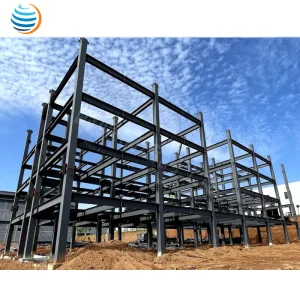
Consequently, high-rise steel buildings and Light Gauge Steel (LGS) systems have emerged as the standard for developers aiming to mitigate geological risks, control site assembly schedules, and control overall project budgets. Structural steel’s high strength-to-weight ratio allows for lighter foundations, which minimizes soil displacement and dramatically reduces the consumption of local concrete resources.
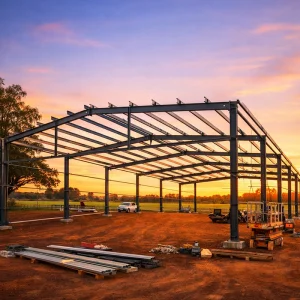
On a global scale, the construction sector is moving away from stick-built, labor-intensive methods toward intelligent pre-engineered buildings (PEBs). Structural steel stands at the center of this shift, offering 100% recyclability and high structural predictability.
For South Sudan, importing engineered prefabricated structures from major manufacturing hubs like China is no longer just an alternative; it is a critical strategy to bypass the lack of domestic primary steel manufacturing. By importing high-spec steel kits that are precision-fabricated, local developers gain immediate access to advanced international structural standards.
"All high-rise steel buildings intended for East African distribution must conform to strict design specifications, including BS EN 1993 (Eurocode 3) or AISC 360-16. Steel grades such as Q355B or Q420 provide the high tensile strength required to execute multi-story developments while ensuring safety and compliance."
Shandong Bildon Steel Co., Ltd. is an integrated service provider in the steel structure sector, specializing in design, manufacturing, fabrication, and construction. The company delivers customized structural steel and light gauge steel solutions backed by robust engineering and reliable execution for clients across global markets.
Bildon Steel operates under internationally recognized management systems, including ISO9001 Quality Management System, ISO45001 Occupational Health and Safety Management System, and ISO14001 Environmental Management System. Equipped with advanced non-destructive testing (NDT) and quality inspection capabilities, the company maintains strict quality control over every stage of production and construction.
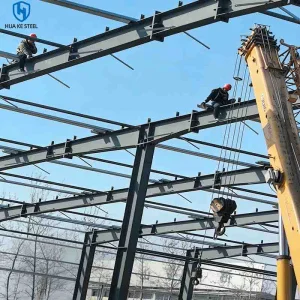
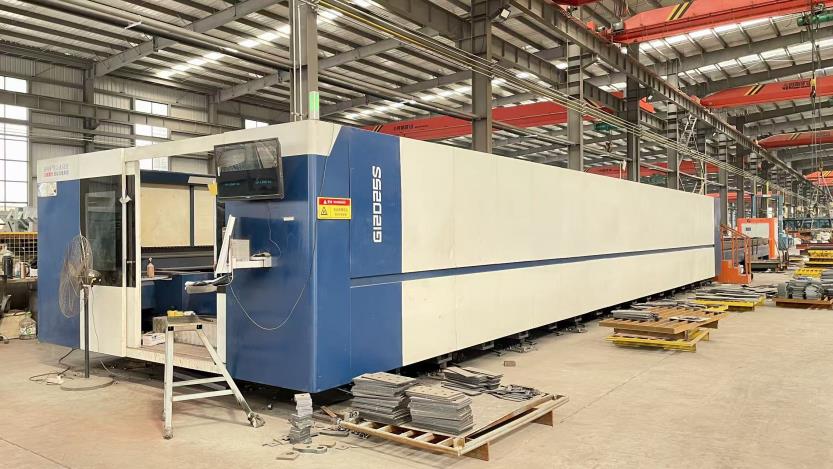
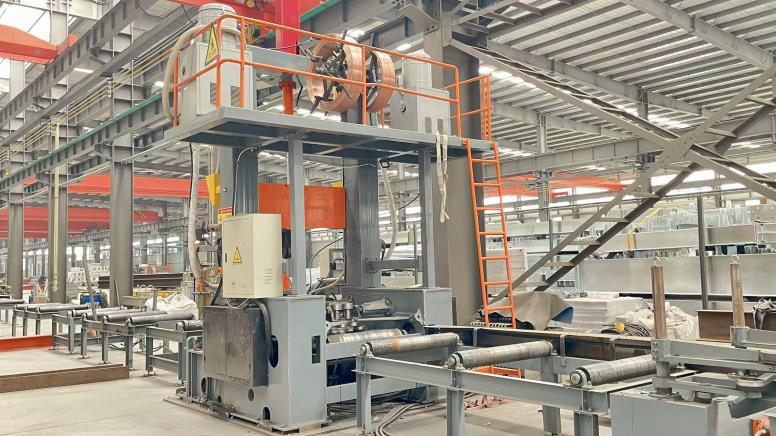
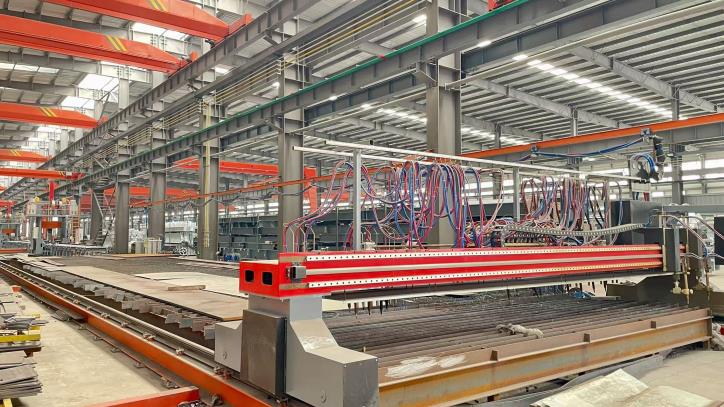
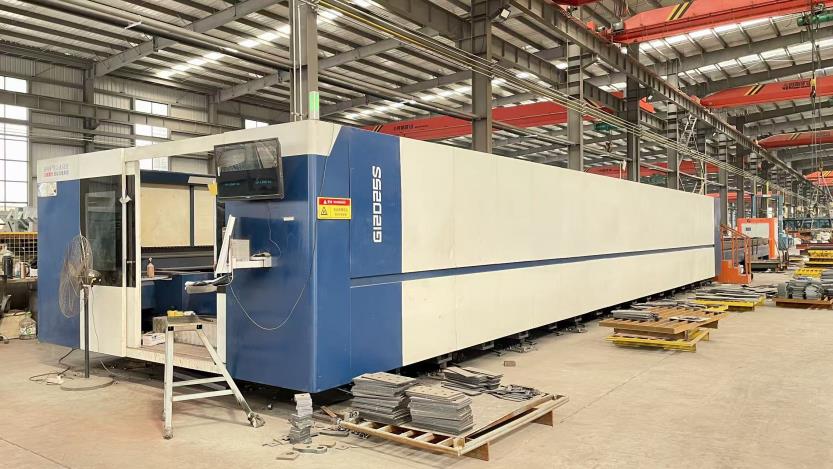
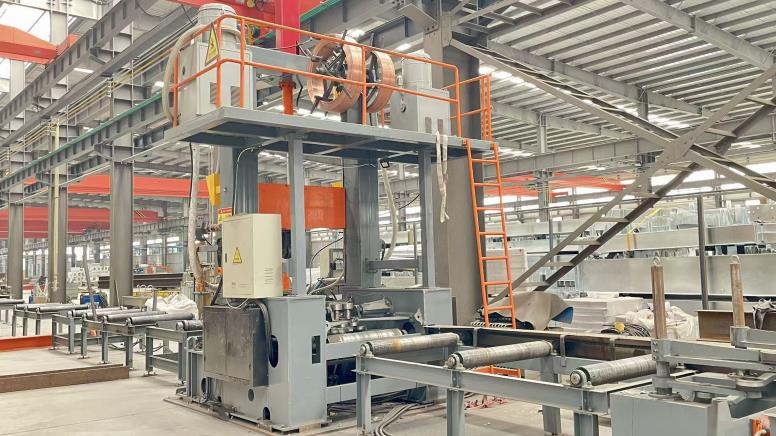
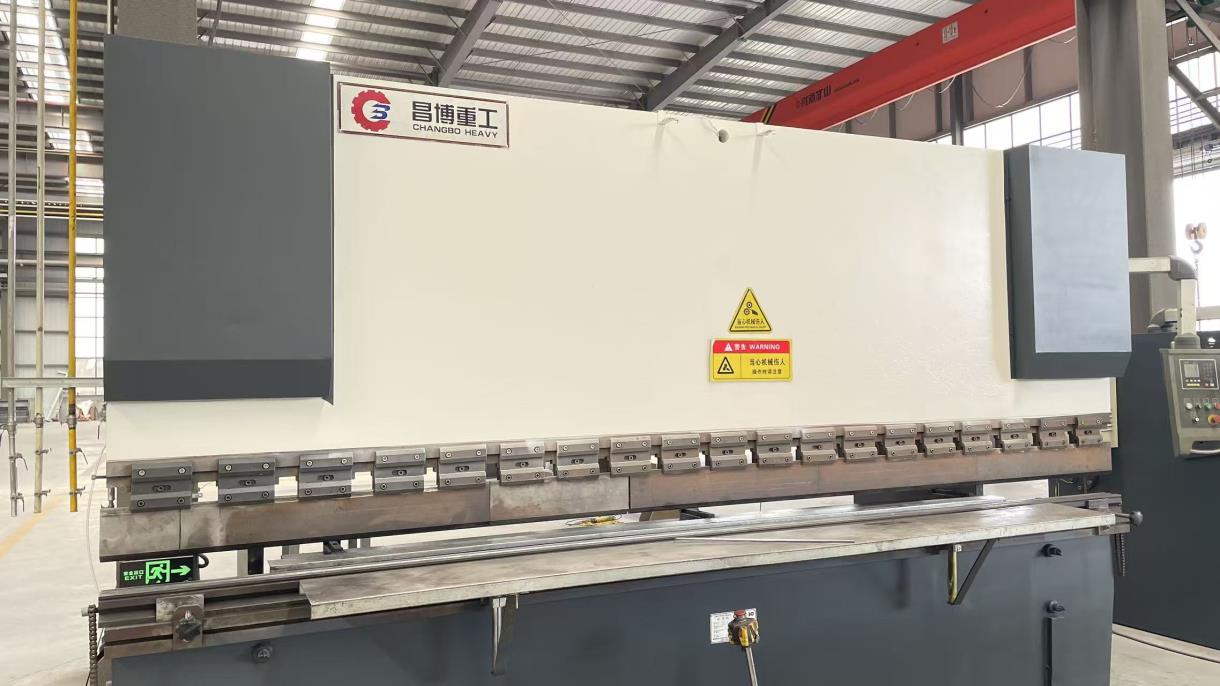
Leveraging advanced BIM modeling, CNC fabrication machinery, and automated weld testing, Bildon Steel ensures that all components delivered to South Sudan fit together precisely on-site. This eliminates the need for field welding or modifications in remote locations where resources are limited.
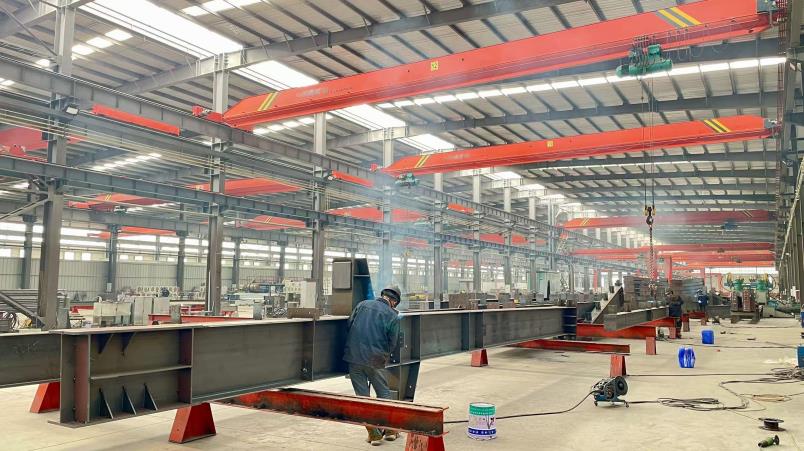
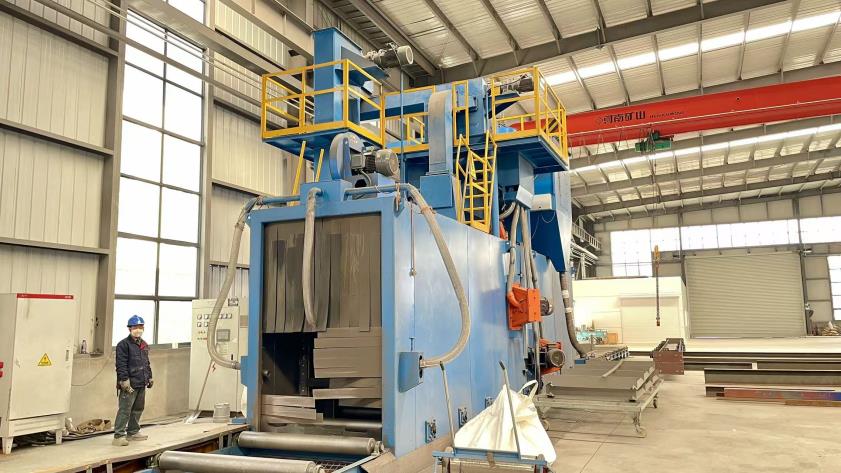
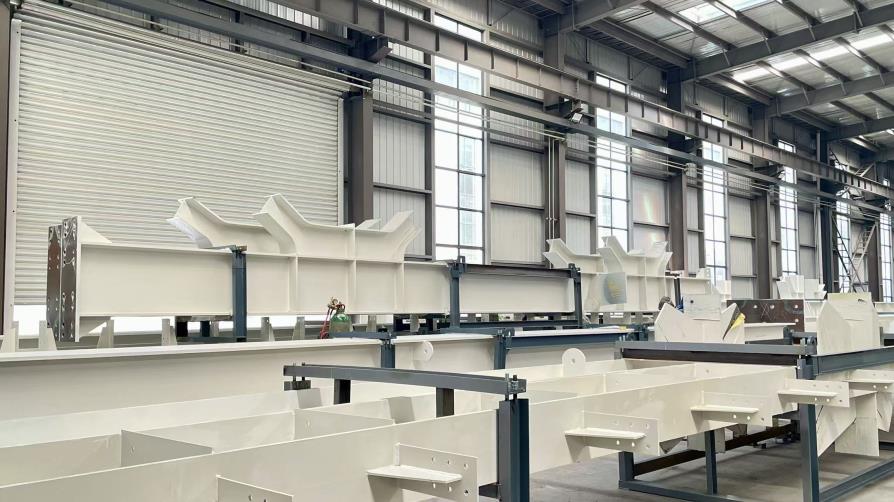
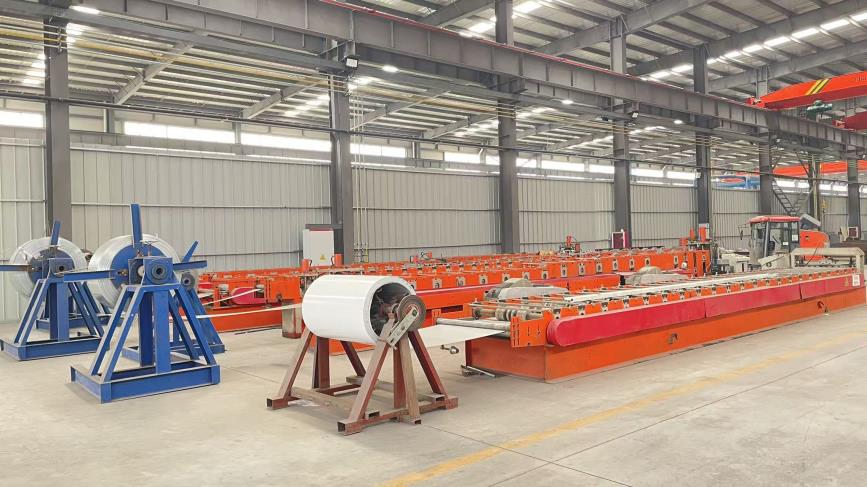
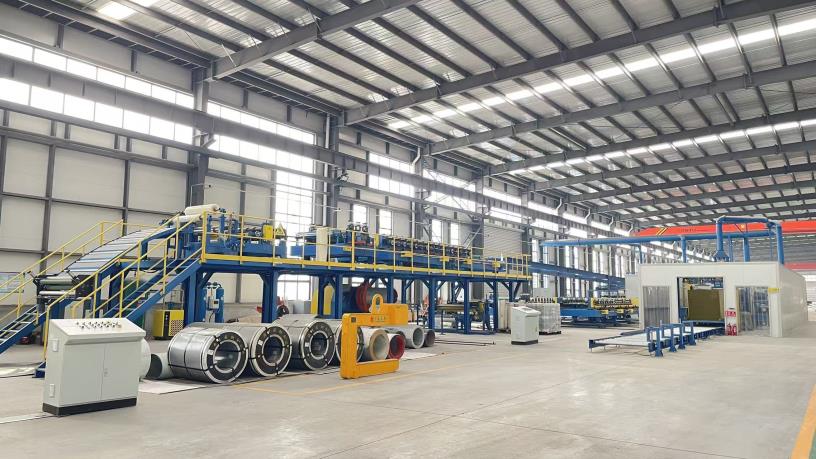
Why source your structural assemblies from Shandong, China? The answer lies in supply chain integration and raw material access. Our automated production facility integrates every step of fabrication—from plate cutting and automated beam assembly to post-weld surface treatment and protective painting.
This scale allows for high output speeds and cost efficiencies that are difficult to match locally. In addition, our proximity to the Port of Qingdao enables reliable shipping logistics. We optimize shipping container packing with custom loading frames, ensuring that structural elements arrive in South Sudan undamaged and ready for erection.
Containers are shipped directly from China to the Port of Mombasa (Kenya) or Port Sudan, followed by secure overland transit to Juba. All components are labeled with barcodes that match the construction drawings, making on-site sorting and assembly straightforward.
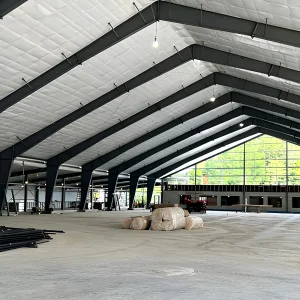
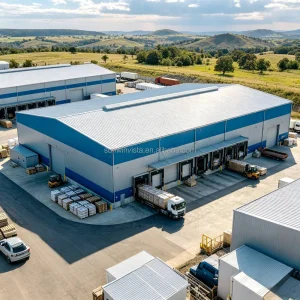
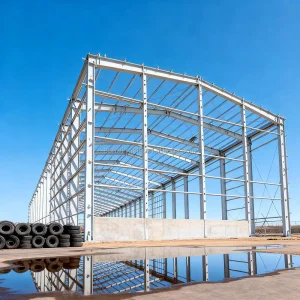
Juba serves as the main distribution hub for South Sudan, handling incoming goods from Uganda and Kenya. Our pre-engineered warehouses offer large, clear-span designs without interior columns, maximizing floor space. By using insulated PU sandwich panels, these warehouses maintain stable internal temperatures, making them suitable for food and pharmaceutical cold storage.
For industrial operations, oil extraction facilities, and mining projects in Upper Nile, we provide heavy structural steel frames that support overhead cranes (typically ranging from 5 to 20 tons). The frames are processed with hot-dip galvanization to ensure durability against local atmospheric conditions and industrial emissions.
Rapid urbanization in Juba has driven up land values, making multi-story construction more attractive. Our structural steel systems permit safe, rapid vertical expansion. Pre-engineered steel frames combined with light-weight steel decking systems allow contractors to complete floor assemblies in days rather than weeks.
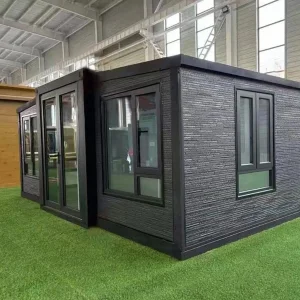
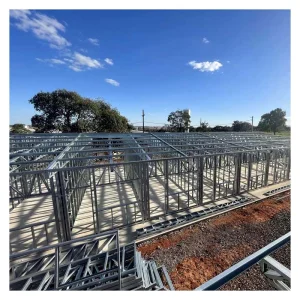
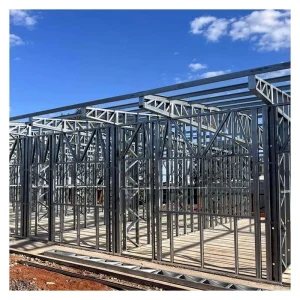
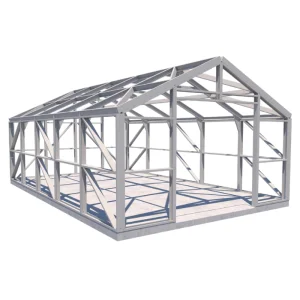
International organizations in South Sudan require secure, clean, and quickly erectable office and housing spaces. Our Light Gauge Steel (LGS) framing, prefabricated offices, and container units are easily transported to remote sites and assembled using basic hand tools and minimal local equipment.
Quality control is critical when sourcing structural steel for international projects. At Shandong Bildon Steel, we carry out non-destructive testing (NDT), including ultrasonic and magnetic particle inspections, to verify all structural welds.
For every project shipped to South Sudan, we supply mill test certificates (MTC) traceably linked to the raw steel plates. This documentation confirms that chemical composition and mechanical properties comply with the engineering specifications required for structural safety.
Transportation to landlocked South Sudan requires careful planning and robust packaging. We pre-bundle all columns, rafters, and purlins with heavy-duty steel strapping and timber dunnage to protect structural components during sea transport and subsequent road transit.
By designing framing elements to nest together, we maximize shipping volume within standard 40ft open-top or high-cube containers. This reduces ocean freight costs and keeps transport budgets under control.
Get in touch with our technical sales engineers to discuss design loads, steel grades, logistics routing, and pricing options for your next project in South Sudan.
Send Inquiry Now