Bildon Steel
Chile's Structural Challenge: The Crucial Need for Seismic-Resilient Steel Elements
A Comprehensive Technical Analysis of Castellated Beams and Cross Columns in High-Seismic Environments
Chile is situated on the boundary between the Nazca Plate and the South American Plate, making it one of the most seismically active zones on Earth. Structural engineering requirements in this region are guided by stringent national standards, primarily NCh433 (Seismic Design of Buildings) and NCh2369 (Seismic Design of Industrial Structures and Facilities). In these challenging physical landscapes, modern building developers and mining engineers must seek materials that deliver high strength-to-weight ratios, exceptional load bearing capabilities, and outstanding energy dissipation properties.
This is where Castellated Beams and Cross Columns (Cruciform Sections) prove to be critical elements. Traditional solid I-beams and standard rectangular columns, while sturdy, are often heavy and suffer from directional bending weaknesses during high-magnitude earthquake events. High-performance engineered solutions offer targeted physical advantages that secure infrastructure durability while optimizing structural steel expenditure.
Why Castellated Beams Deliver Exceptional Information Gain and Structural Value
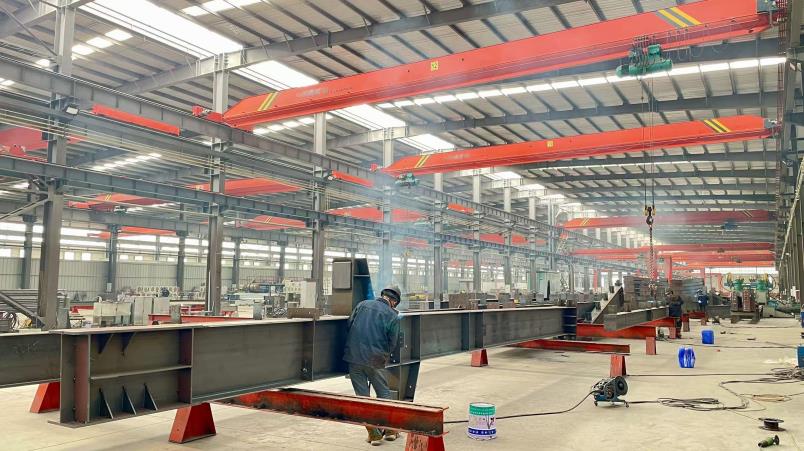
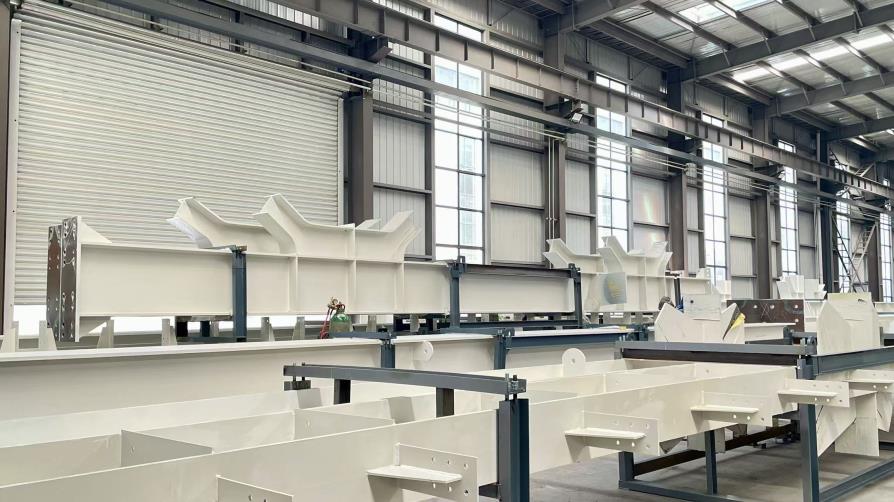
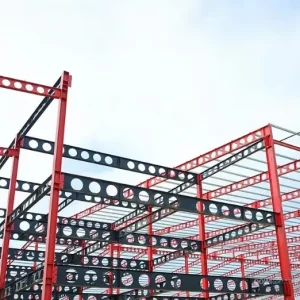
A castellated beam is manufactured by cutting a standard hot-rolled I-beam or H-beam along a longitudinal wave line (typically hexagonal or octagonal profiles), shifting the halves, and welding them together. The resulting structural element is noticeably deeper and displays significantly increased bending resistance (moment of inertia) around the major axis, without adding an ounce of extra steel. Here is how it translates into direct economic and engineering gains for Chilean constructors:
- Increased Span Capabilities: The depth multiplication allows for longer structural spans. This is critical for industrial warehouses and distribution logistics parks in Santiago and San Antonio, where large, unobstructed floor areas are required.
- Integrated Service Openings: The web voids (castellations) allow mechanical, electrical, and plumbing (MEP) systems, as well as industrial pipelines, to run straight through the steel frame. This eliminates the need for underneath routing, lowering the total floor-to-floor height and reducing overall building volume.
- Significant Steel Savings: By utilizing up to 30% less steel volume to achieve the equivalent bending capacity of a deeper solid profile, shipping weights are reduced. This lowers freight costs from Chinese ports to Chilean entries and slashes local crane installation overheads.
Cross Columns (Cruciform Sections): Bidirectional Stability for Mining Operations
Industrial mining complexes in the Antofagasta region and remote mountain terrains demand structural elements capable of handling dynamic vertical loads alongside strong, unpredictable multidirectional seismic forces. Standard H-sections exhibit high load resistance in one major direction, but remain susceptible to buckling under weak-axis bending.
Cross Columns, configured by welding perpendicular plates or slicing and joining H-sections into a cruciform shape, exhibit equal radius of gyration in both principal planes. This structural symmetry provides unmatched resistance to torsional buckling and ensures consistent load capacity regardless of the horizontal direction of ground acceleration. This design is highly recommended for pipe rack supports, mineral sorting towers, and processing plants subjected to severe operating machinery vibrations.
Technical Performance & Material Comparison
| Structural Metric | Standard Hot-Rolled H-Beam | Castellated Beam (Cellular/Hexagonal) | Cross Column (Cruciform Section) |
|---|---|---|---|
| Bending Capacity (Major Axis) | Baseline (1.0x) | High (Up to 1.5x depth equivalent) | Balanced multidirectional stiffness |
| Steel Weight Ratio | 100% (Heavier) | 65% - 75% (Weight optimized) | Optimized for high-axial compression loads |
| Seismic Performance (NCh433) | Standard ductile frame configuration | Excellent when matched with high-ductility frames | Superior; resists dual-axis lateral drift |
| Common Application Zones in Chile | General low-rise framework | Logistic parks, cold storages, long-span roofs | Mining towers, heavy industrial frames, pipe racks |
Strategic Supply Chain: China's Advanced Fabrication & Seamless Logistics to Chile
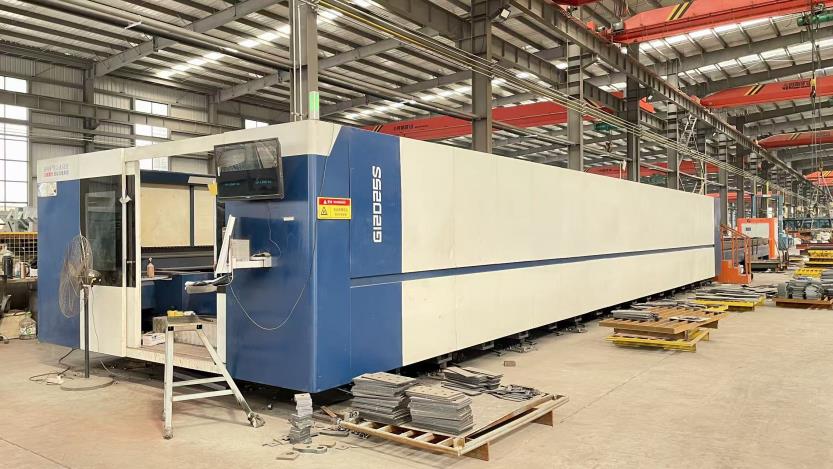
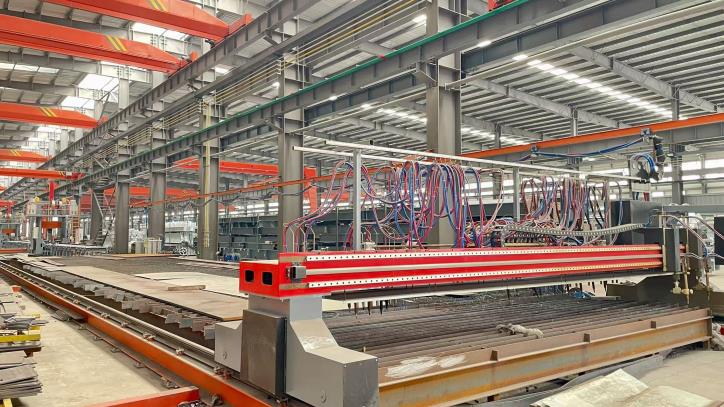
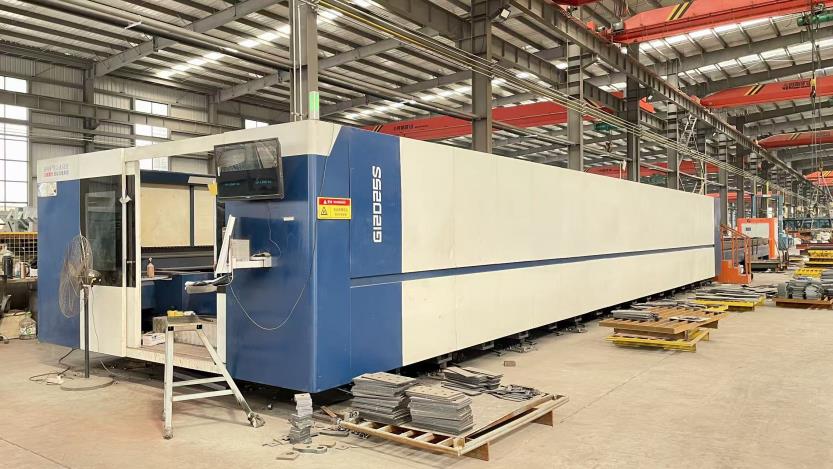
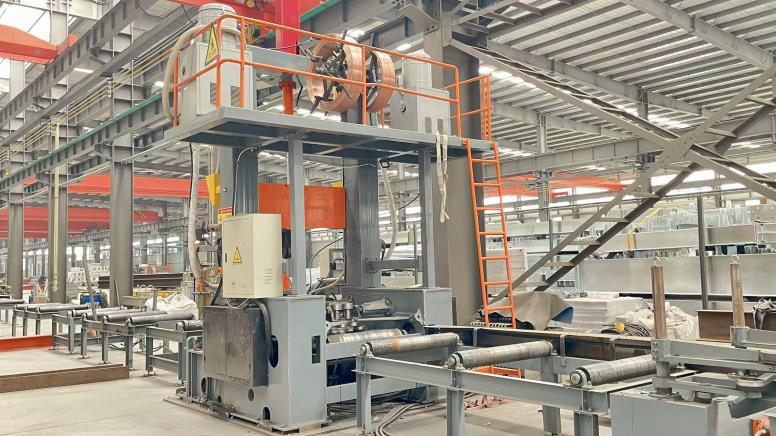
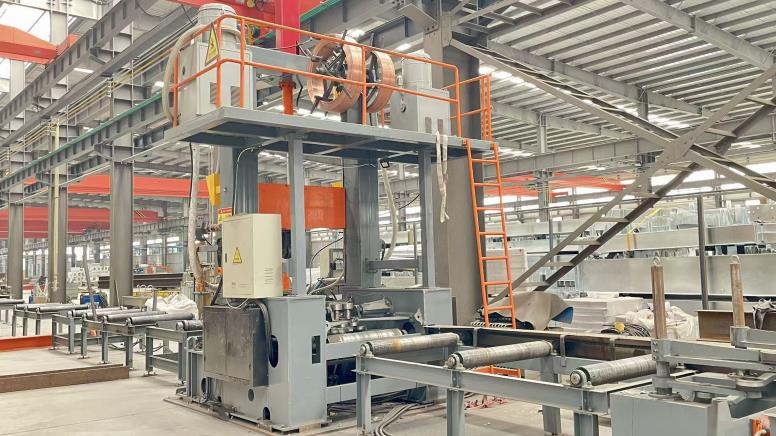
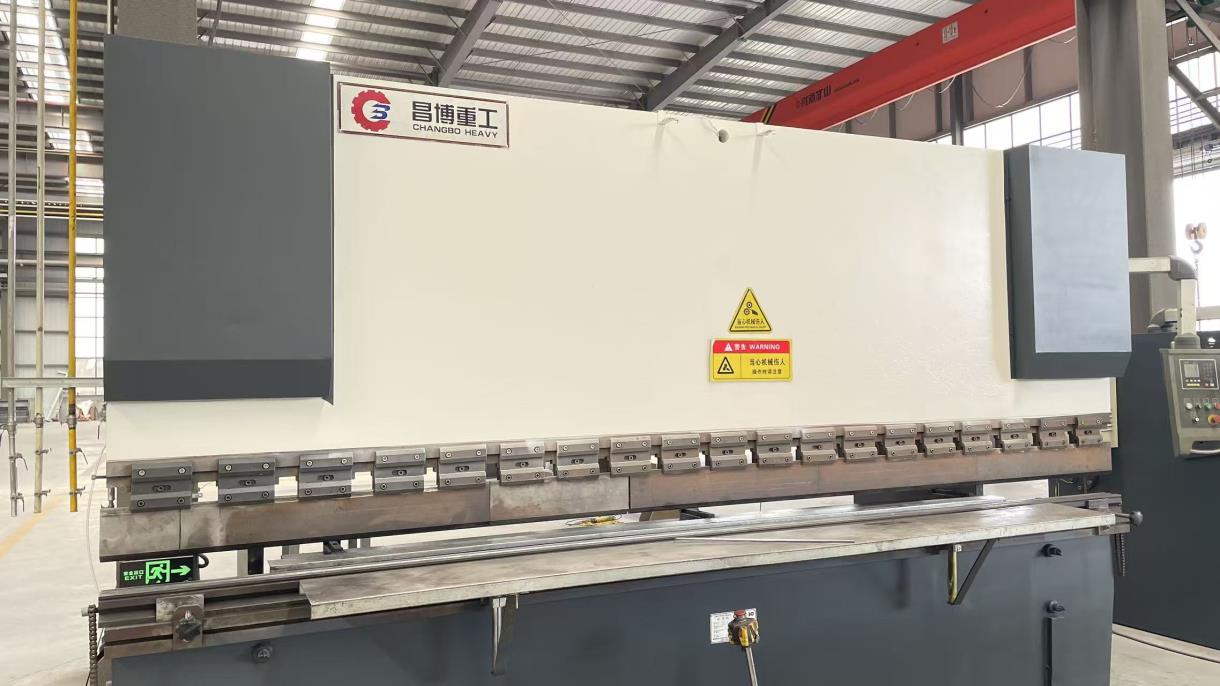
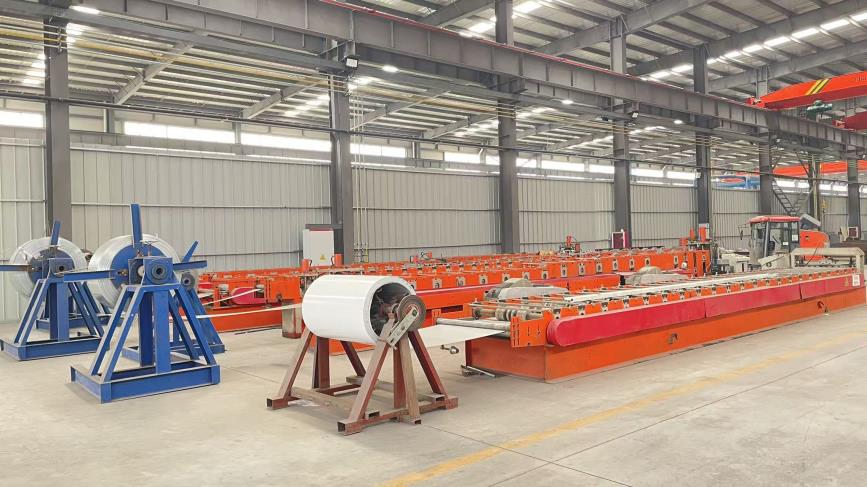
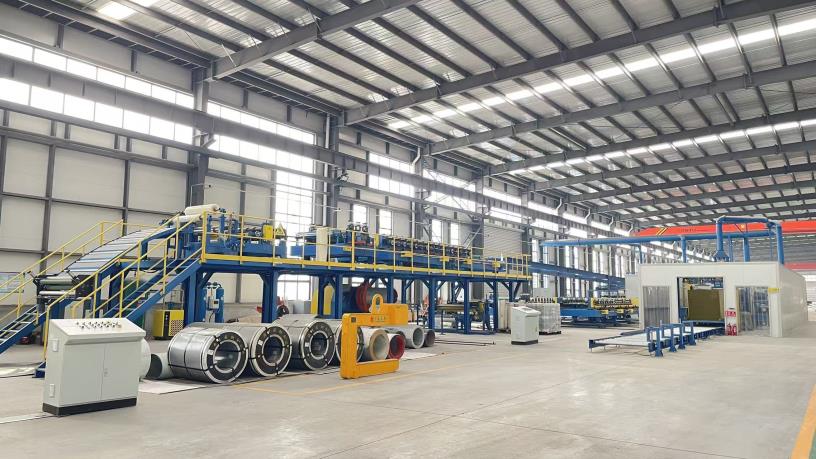
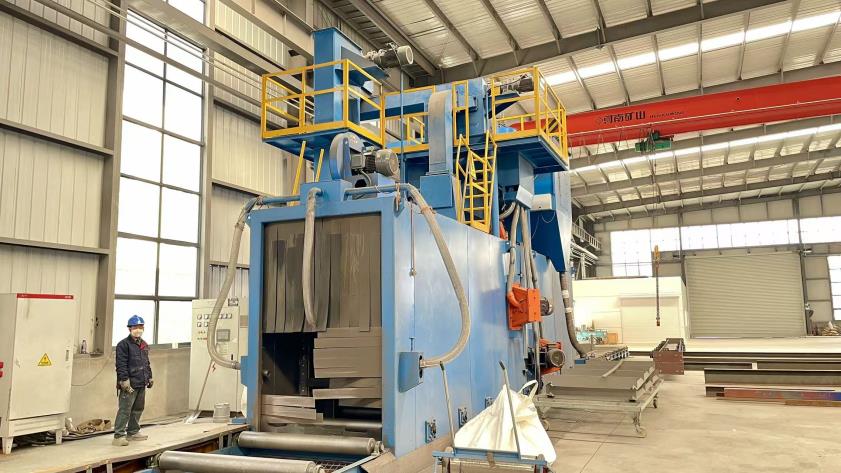
As a leading structural steel fabricator, Shandong Bildon Steel Co., Ltd. offers a robust, vertically integrated manufacturing operation that bridges advanced production lines directly to the heart of Chile's industrial sectors. Leveraging China's premier steel output and modern automation, we deliver certified raw material profiles processed under strict ISO controls.
Our logistical infrastructure is configured to handle shipments originating from Qingdao Port or Tianjin Port, reaching key Chilean gateways like Valparaíso, San Antonio, and Antofagasta. By taking advantage of the China-Chile Free Trade Agreement, clients benefit from highly competitive tariffs, streamlined customs clearances, and predictable shipping cycles. We handle all elements of break-bulk cargo preparation or specialized high-cube container packing, ensuring structural beams arrive undamaged and ready for field installation.