 Bildon Steel
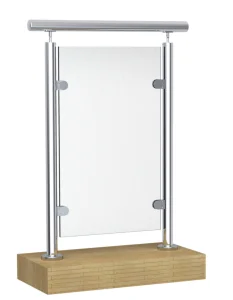
Four core product families used in Novosibirsk and wider Siberian Federal District projects — from castellated hot-rolled beams for long-span frames to H20 formwork beams and cold-climate balustrade systems.
A concise, semantically structured summary for engineers, procurement managers and EPC contractors evaluating steel suppliers for Siberian projects.
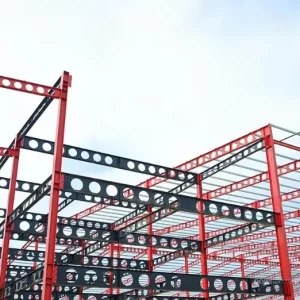
What is a castellated beam? A castellated beam is a hot-rolled I-section whose web is cut along a zig-zag or hexagonal pattern, after which the two halves are shifted apart and re-welded. The resulting section is deeper — typically 1.3 to 1.6 times the original depth — so the moment of inertia and section modulus rise sharply with almost no increase in steel weight. The openings also allow service routing and give exposed steelwork a cleaner, more architectural look.
What is a cross column? A cross column (also referred to in Russian project documentation as a cruciform column) is a built-up compression–bending member assembled from two rolled or welded H-sections, a welded box, or cross-shaped welded plates. It is specified where a single H-column cannot carry high axial load combined with biaxial bending — multi-storey warehouse frames, heavy industrial bays with crane girders, and braced frames requiring ductility or fire resistance.
For the Novosibirsk market, the differentiator is not the definition — it is delivery discipline: steel qualified by Charpy V-notch impact testing for low-temperature service, coating systems matched to real C3–C5 atmospheric corrosivity categories, welding documentation traceable to every joint, and container plans optimised for the Trans-Siberian corridor or Far East port routing.
E-E-A-T starts with verifiable capability. Here is who fabricates, inspects and documents the steel that reaches Novosibirsk.
Shandong Bildon Steel Co., Ltd.
Shandong Bildon Steel Co., Ltd., is an integrated service provider in the field of steel structures, specializing in design, manufacturing, fabrication, and construction. The company is committed to delivering high-quality steel structure solutions with strong engineering capability and reliable project execution for clients across global markets.
Bildon Steel has obtained and strictly operates internationally recognized management systems, including ISO9001 Quality Management System, ISO45001 Occupational Health and Safety Management System, and ISO14001 Environmental Management System. The company is equipped with advanced non-destructive testing (NDT) and quality inspection capabilities, ensuring strict control over every stage of production and construction. It is recognized as a contract-abiding and credit-worthy enterprise, and holds independent import and export rights, with products and services delivered to multiple countries and regions worldwide.
With continuous focus on innovation and industrial upgrading, Shandong Bildon Steel Co., Ltd. actively promotes construction industrialization, digital engineering, and intelligent manufacturing, striving to improve efficiency, precision, and sustainability in steel structure production.
The company’s business scope covers a wide range of engineering applications, including building steel structures, large-scale industrial plants, multi-storey and high-rise steel buildings, non-standard steel components, complete equipment supporting steel structures, metal processing, special steel structures, and heavy steel structures. It also has strong capabilities in high-end engineering fields such as nuclear power infrastructure, photovoltaic power generation systems, shipbuilding steel structures, curtain wall engineering, and offshore wind power structures.
Backed by a professional team of engineers, project managers, and skilled manufacturing personnel, Bildon Steel continues to strengthen its research and development capabilities, supply chain integration, and smart production systems. The company is dedicated to becoming a leading global steel structure manufacturing and engineering service base, known for advanced technology, stable quality, and customer satisfaction.
Understanding the fabrication sequence explains why two suppliers quoting the "same" beam can deliver very different fatigue life, stiffness and site fit.
Because stiffness scales with the cube of depth, a modest depth increase delivers a disproportionate gain in deflection control. That is why castellated sections are so effective in Novosibirsk logistics buildings where clear spans of 24–36 m and roof-mounted snow loads are both design constraints.
Designers must check Vierendeel bending across the openings, web-post buckling and shear between adjacent castellations, plus lateral-torsional buckling of the member as a whole. Opening geometry, not just steel grade, drives the result.
For Siberian service, impact energy at −40 °C or lower becomes a material selection question. Steel grades with J0, J2 or K2 impact designations, supported by mill test certificates and third-party Charpy verification, are the defensible route.
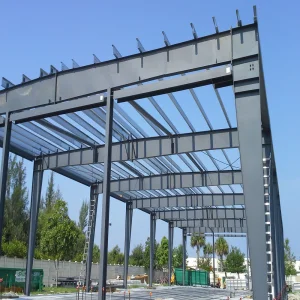
Castellated beams solve the roof and floor problem. Cross columns solve the vertical load path. In multi-storey warehouse and light-industrial frames across the Novosibirsk region, the typical configuration is a castellated or welded H-beam roof grid supported on welded H or cruciform columns, with moment connections at the perimeter and simple connections internally.
Fire and corrosion: intumescent coatings, cementitious sprays and galvanizing plus topcoat systems are all accommodated on the shop drawing, with dry-film thickness verified per ISO 12944 corrosivity category.
Local commercial and industrial context that shapes how steel is specified, purchased and delivered in the Siberian Federal District.
Novosibirsk sits at the intersection of the Trans-Siberian Railway and the Ob River, making it the natural redistribution hub for Omsk, Tomsk, Kemerovo, Barnaul and Krasnoyarsk. Warehousing and last-mile fulfilment construction continues to absorb long-span steel frames, mezzanine structures and cold-storage shells.
The region's engineering base — including machine tools, aviation components, power equipment and metal processing — generates continuous demand for crane-supporting industrial bays, maintenance platforms, equipment skids and heavy steel structures built from welded H columns and castellated roof beams.
Grain, dairy and food processing facilities across the Novosibirsk and Altai corridors rely on steel silos, conveyor gantries and hygienic production halls. Castellated beams give the clear spans these process layouts need while keeping column grids open for machinery access.
District heating, substation structures, water treatment and gas distribution facilities require compact, fully fabricated steel assemblies with documented welds — a natural fit for factory-controlled production and containerised shipment.
Retail, office and mixed-use developments increasingly favour exposed steel aesthetics. Castellated beams — with their visible hexagonal web openings — deliver structure and architectural expression in a single element, reducing secondary ceiling works.
Prefabricated villages, worker accommodation and expansion of low-rise residential districts favour lightweight steel modules, timber or steel formwork systems and repeatable frame kits that can be erected year-round despite short daylight windows.
Novosibirsk's continental climate is one of the most demanding in the world for exposed steelwork. Design temperature drops toward −40 °C in winter, snow loads sit in the upper categories of the Russian snow-load zoning, and frost penetration reaches approximately 2 m — which is precisely why shallow pad foundations are avoided and braced steel frames on piled or deep foundations dominate.
Procurement note: Russian projects are frequently tendered under 44-FZ or 223-FZ frameworks, which places a premium on compliant documentation, defined delivery milestones and supplier traceability. Chinese suppliers with mature export documentation and inspection files are now a mainstream sourcing channel.
What international buyers now expect from a castellated beam and cross column supplier — and how sourcing behaviour has changed.
Manufacturing philosophy behind Shandong Bildon Steel — and why it translates into schedule certainty for Novosibirsk projects.
The modern Chinese structural steel supply chain has moved well past labour-intensive fabrication. The efficiency advantage is created upstream — in digital engineering — and then executed downstream through automated production lines and closed-loop inspection.
Resilience in steel is a function of inventory, flexibility and shipping intelligence — three things that separate a reliable exporter from a broker.
Complementary product families that complete a Novosibirsk project package — from timber and aluminum formwork to prefabricated warehouse steelwork.
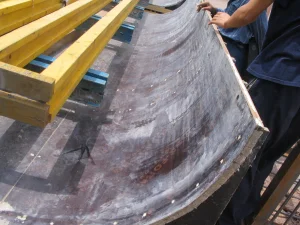
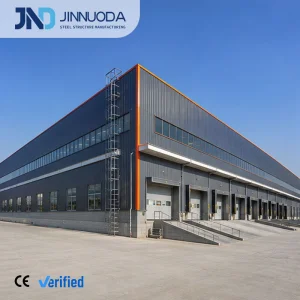
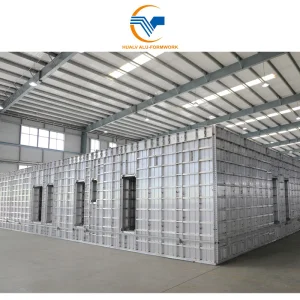
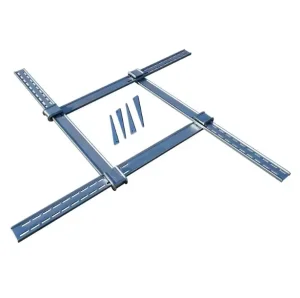
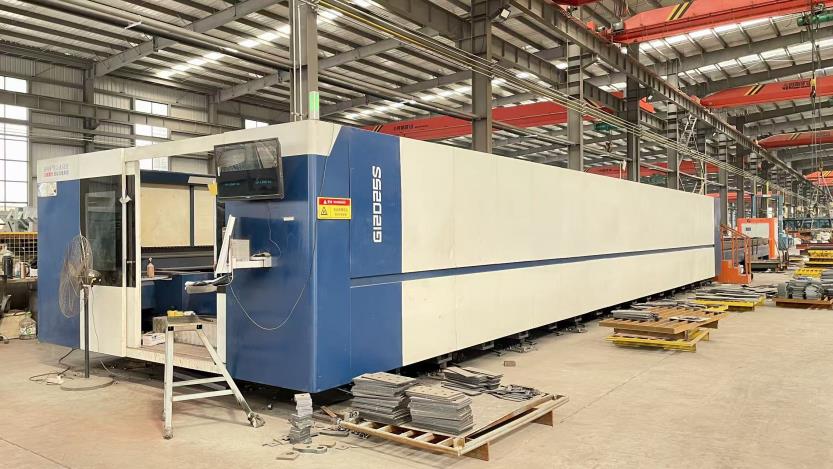
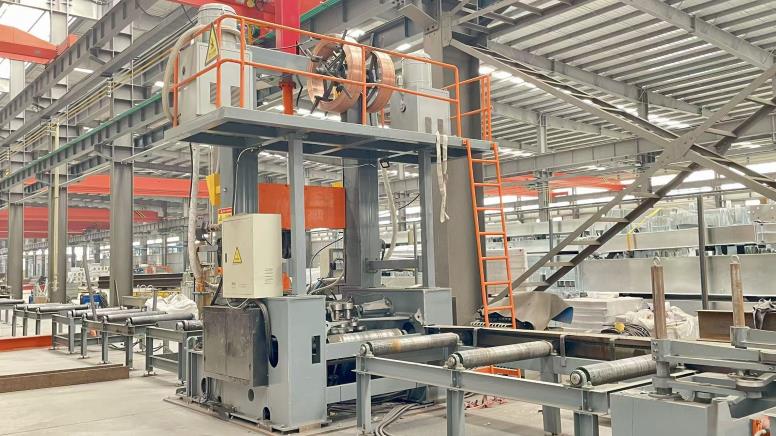
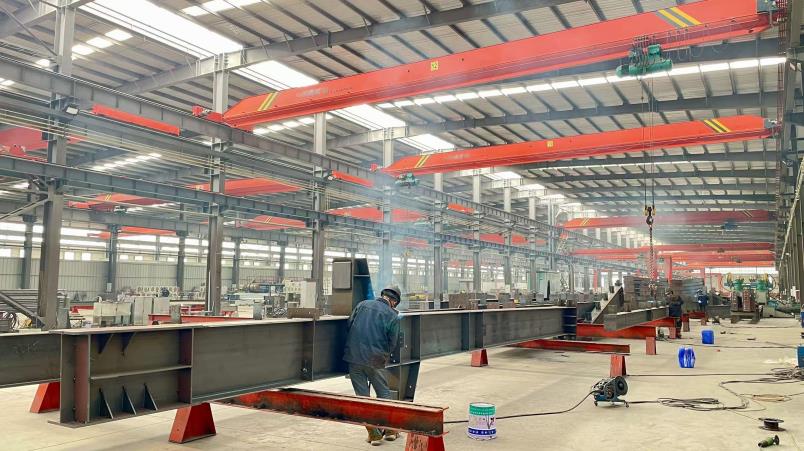
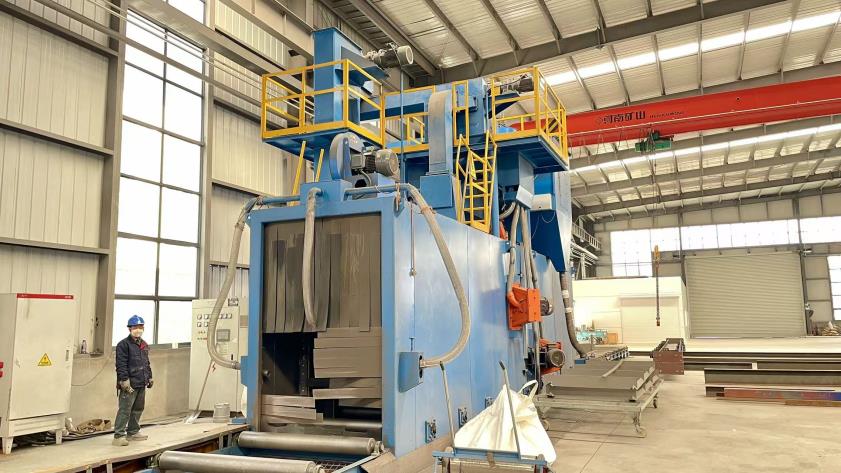
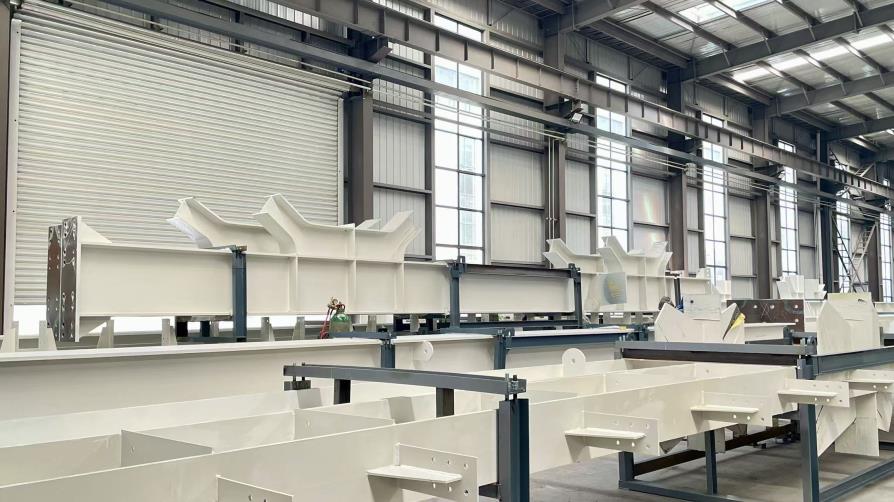
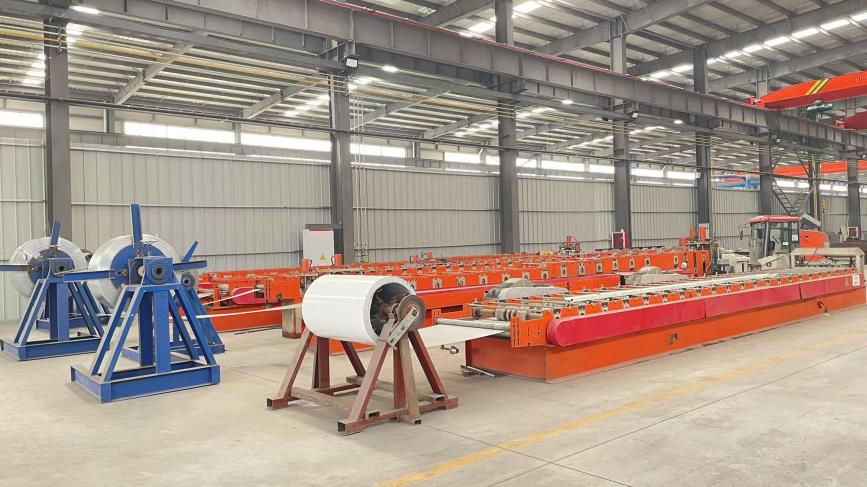
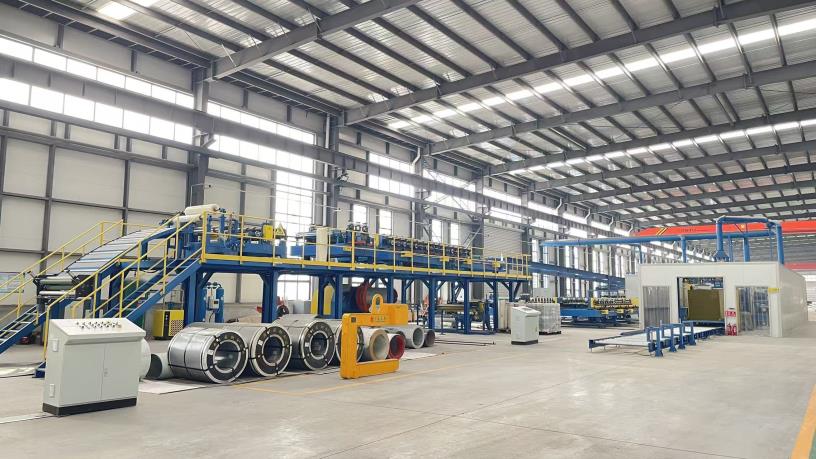
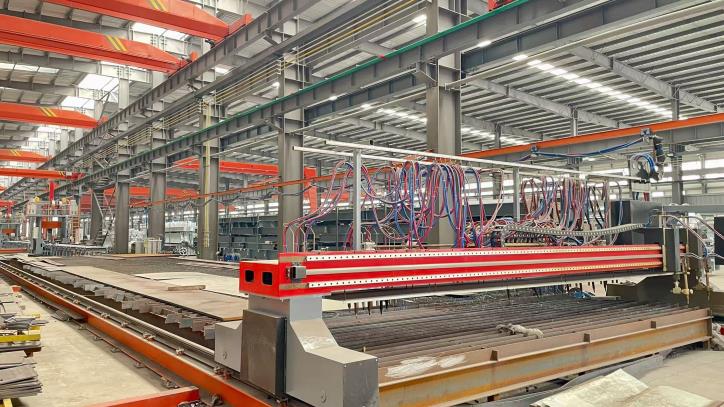
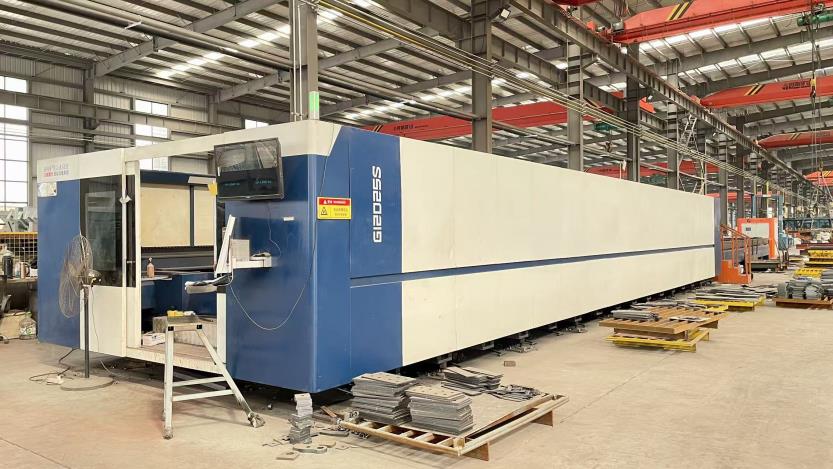
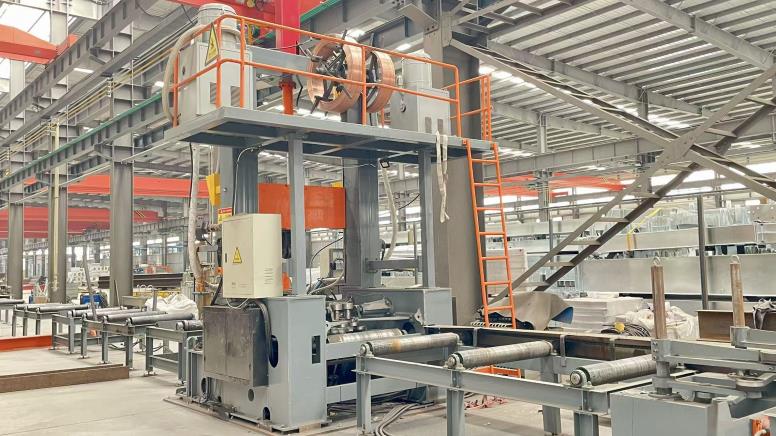
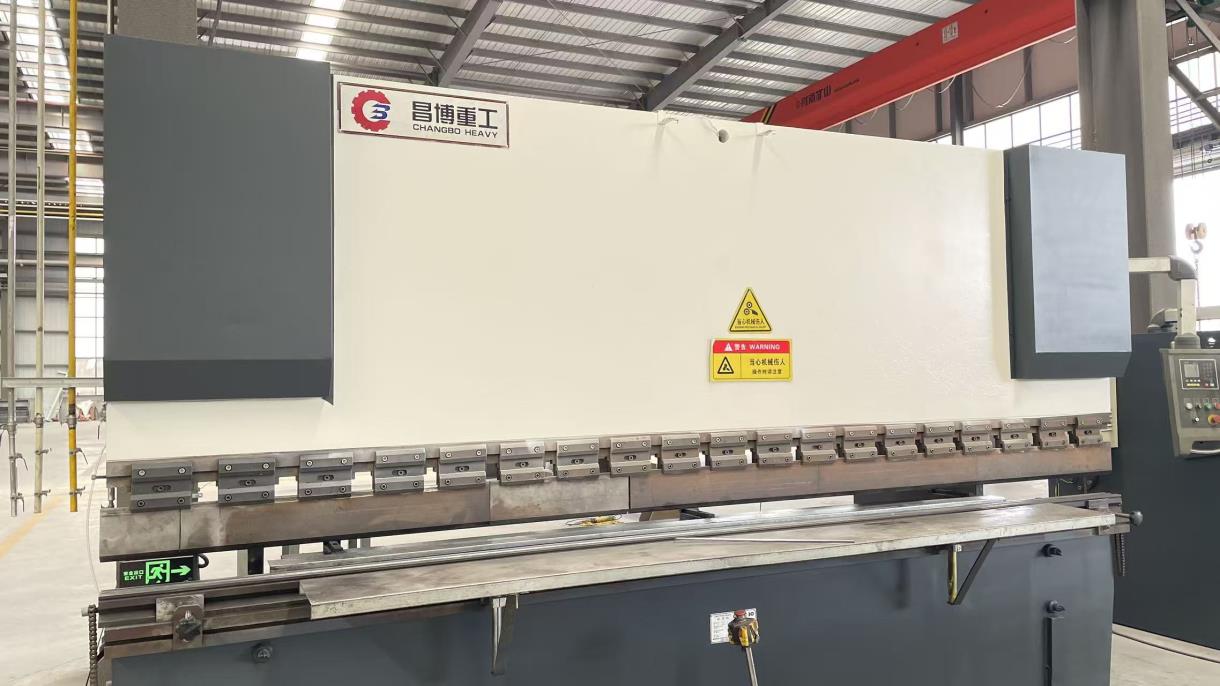
Photographic evidence of the fabrication workflow — the "Experience" and "Trustworthiness" layers of E-E-A-T that a catalogue page cannot substitute.
Direct answers to the questions most frequently raised by Novosibirsk-region contractors, EPC firms and trading companies.
Yes. Two routing patterns are commonly used: rail transport through the Trans-Siberian corridor via Kazakhstan or the Russian Far East border crossings, and sea freight to a Far East port followed by rail to Novosibirsk. Members are designed for container or break-bulk shipping, with bolted splices where transport length limits apply. Packing plans, lifting points and piece marking are prepared so site erection follows the same sequence used during trial assembly.
Low-temperature service calls for grades with verified impact toughness — typically S355J2, S355K2, S420/S460 with J2 or K2 designations under EN 10025, ASTM A992 or A572 Gr.50 equivalents, or Russian GOST 27772 grades with appropriate impact categories. The key is not the grade label alone but the matching mill certificates and, where specified, third-party Charpy V-notch testing at the design temperature.
Indicatively, shop drawing approval takes 5–10 working days, fabrication of a standard castellated beam and column package takes 25–35 working days depending on tonnage and complexity, and inland or multimodal transport to Novosibirsk adds a further 18–35 days. Projects with fixed erection windows should reserve production slots early — the bottleneck is usually not steel supply but qualified fabrication capacity in peak season.
Yes. Tekla and Revit models, GA drawings, shop fabrication drawings, connection details and erection marking plans are produced from the approved design inputs. Where the client supplies a Russian-language design package, drawings are reviewed for dimensional and connection compatibility before modelling begins, which avoids the most common cause of site rework.
Typical inspection scope includes visual examination, dimensional verification, ultrasonic testing of full-penetration butt welds, magnetic particle or dye penetrant testing of fillet and access-critical welds, and coating thickness measurement. Acceptance criteria are stated on the inspection plan and agreed before production. Reports are compiled into a project dossier issued with the shipping documents.
Corrosion protection is selected according to the real atmospheric corrosivity category at site — commonly C3 to C4, with C5 systems for chemically aggressive industrial or coastal-adjacent environments. Systems include shot blasting to Sa 2.5, zinc-rich primer plus intermediate and topcoat, or hot-dip galvanizing to GOST 9.307 with a compatible topcoat. Fire protection may use intumescent coatings, cementitious spray or concrete encasement, with the required fire resistance period reflected in the coating specification.
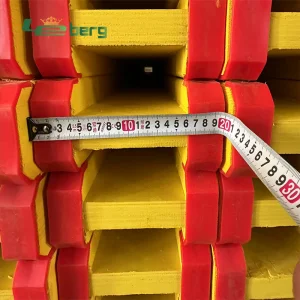
There is no rigid minimum, but freight economics strongly favour consolidated shipments. Mixed orders combining structural steel, H20 formwork beams and site consumables in one container plan usually deliver the best landed cost per tonne. For small trial orders, LCL or shared container arrangements can be arranged subject to schedule.
Every member carries a piece mark linked to its fabrication record, heat number and inspection report. If a discrepancy is identified on site, the record allows rapid root-cause tracing. Remedies range from replacement piece fabrication and air or rail dispatch, to on-site remedial works supervised remotely by the engineering team, depending on the nature of the issue and the project schedule.
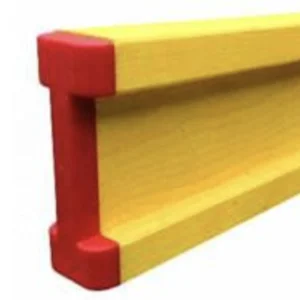
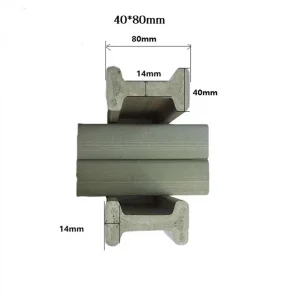
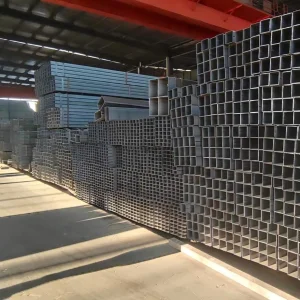
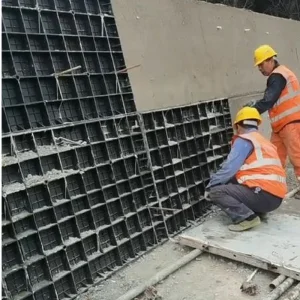
Beams, columns, formwork panels, clamps and finishing components — a single sourcing window for structural and construction systems.
Send drawings, BIM models or a bill of quantities and receive a technical review, material recommendation and indicative ex-works price within 48 hours. Our engineering team works from Russian-language design packages and international standards alike.
Send Inquiry Now →