Bildon Steel
Bildon Steel
Bildon Steel
Explore our foundational structural systems engineered to support architectural, commercial, and energy sectors globally.
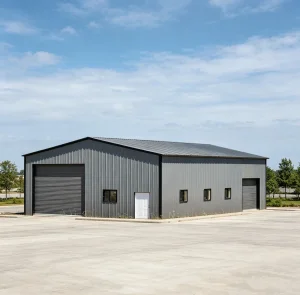
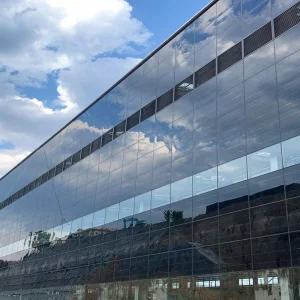
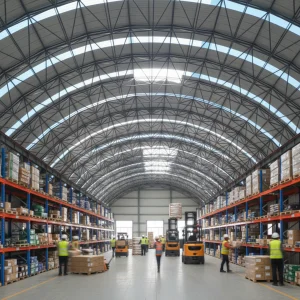

Addressing the critical shift from standard carbon steel to high-performance micro-alloyed materials.
The global construction, maritime, and renewable energy industries are undergoing an unprecedented structural transition. Standard mild steel grades (such as ASTM A36 or S235JR) are no longer sufficient to meet modern engineering demands for longer spans, higher seismic resistance, and minimized environmental footprint. In response, High-Strength Low-Alloy (HSLA) steel, thermo-mechanically controlled processed (TMCP) steel, and ultra-high-strength steel (UHSS) have emerged as the backbone of modern global infrastructure.
Implementing high-strength steel reduces cross-sectional dimensions, resulting in a 20% to 35% reduction in total structural weight. This weight savings cascades down the construction supply chain, lowering transport costs, reducing foundation design requirements, minimizing crane load demands, and decreasing overall carbon emissions during fabrication and erection. By utilizing grades like Q355D/E, Q460QC, or custom S460QL steels, global contractors can engineer taller, lighter, and more durable structural frameworks.
Information Gain Metric: In a standard high-rise project, replacing traditional S355 structural sections with high-yield S460 steel reduces the volume of welding consumables by approximately 24% and structural dead weight by 18%. This directly corresponds to a substantial reduction in Scope 3 embodied carbon emissions, aligning projects with global ESG mandates and LEED certifications.
Choosing the right manufacturer requires assessing more than raw production volume. It requires verified metallurgical capabilities, strict adherence to international standards, state-of-the-art testing protocols, and robust logistics infrastructure. Shandong Bildon Steel Co., Ltd. is positioned at the intersection of these critical requirements, combining Chinese manufacturing scale with global compliance frameworks.
A global leader in structural steel engineering, precision manufacturing, and end-to-end project execution.
Shandong Bildon Steel Co., Ltd. is an integrated service provider in the steel structure sector, specializing in design, manufacturing, fabrication, and construction. The company delivers high-quality steel structure solutions with engineering capability and reliable project execution for clients across global markets.
Bildon Steel operates international management systems, including ISO9001 Quality Management System, ISO45001 Occupational Health and Safety Management System, and ISO14001 Environmental Management System. Equipped with advanced non-destructive testing (NDT) and quality inspection capabilities, Bildon ensures strict control over every stage of production and construction. The company holds independent import and export rights, delivering products and services to multiple countries and regions worldwide.
With a continuous focus on innovation and industrial upgrading, Shandong Bildon Steel Co., Ltd. actively promotes construction industrialization, digital engineering, and intelligent manufacturing to improve efficiency, precision, and sustainability in steel structure production.
The company’s business scope covers a wide range of engineering applications, including building steel structures, large-scale industrial plants, multi-storey and high-rise steel buildings, non-standard steel components, complete equipment supporting steel structures, metal processing, special steel structures, and heavy steel structures. It also has strong capabilities in high-end engineering fields such as nuclear power infrastructure, photovoltaic power generation systems, shipbuilding steel structures, curtain wall engineering, and offshore wind power structures.
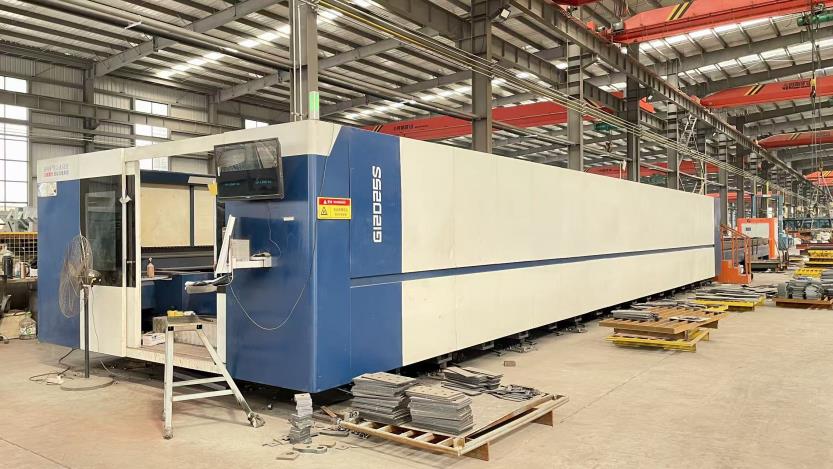
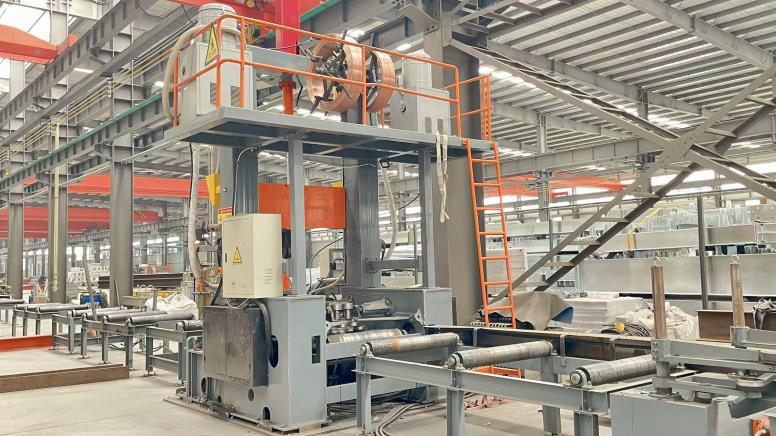
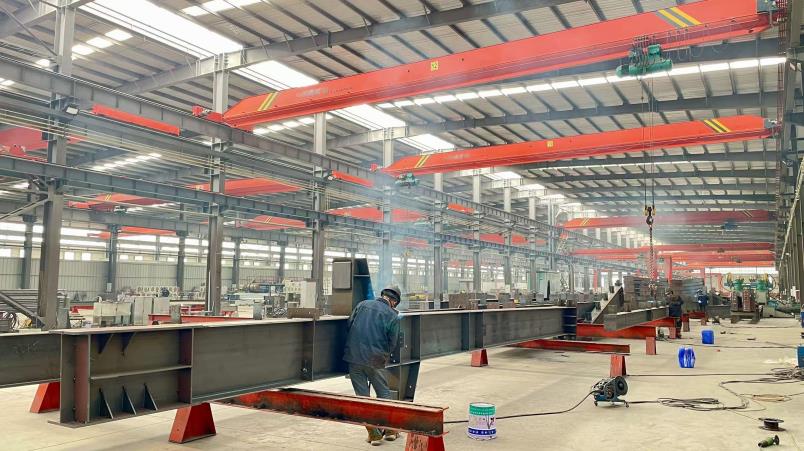
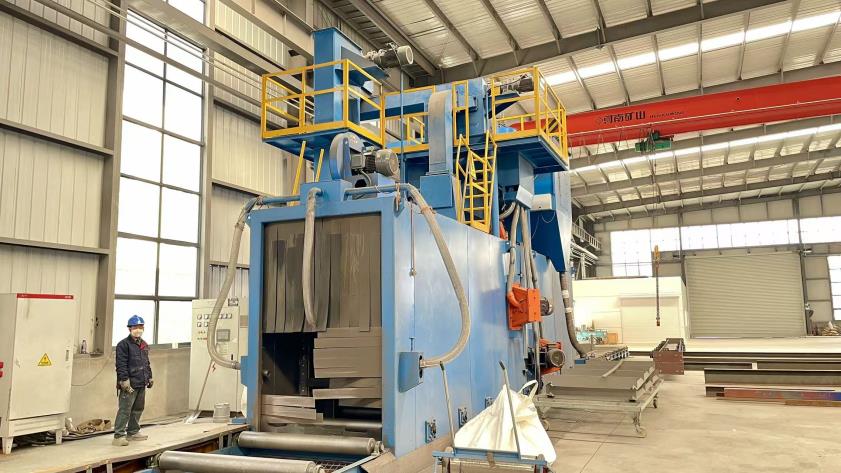
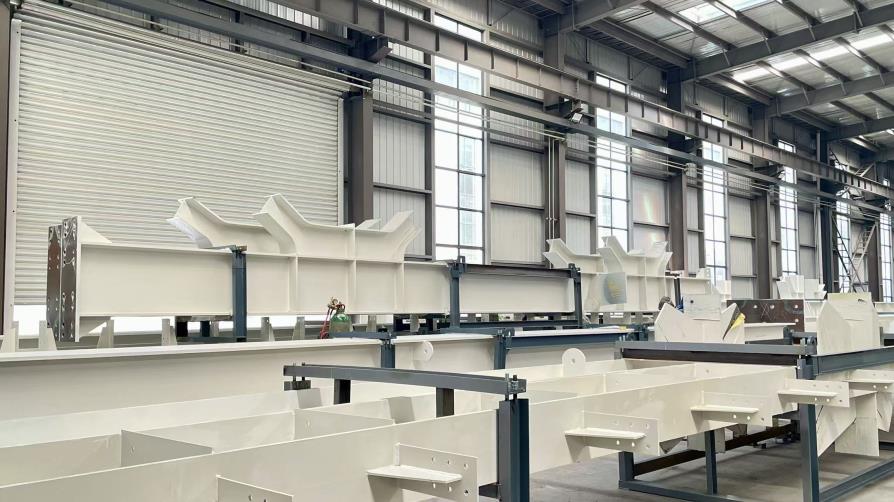
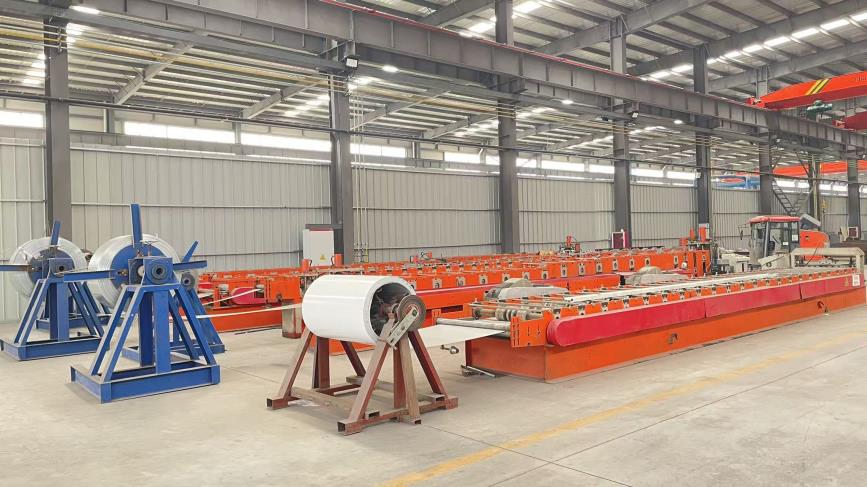
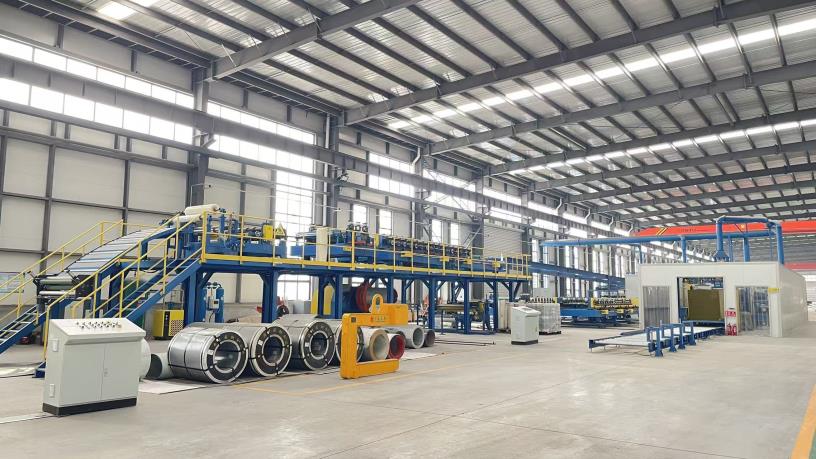
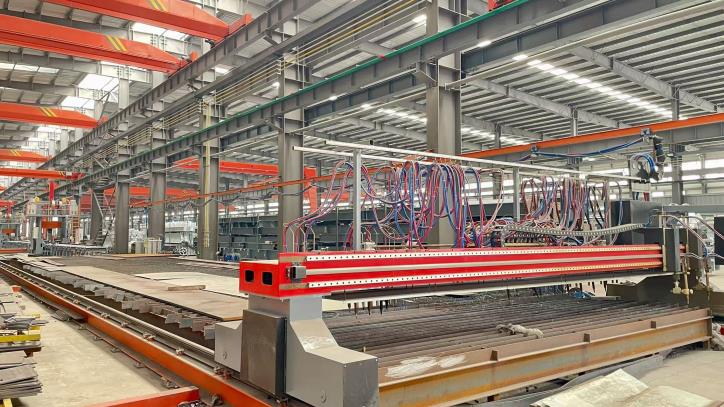
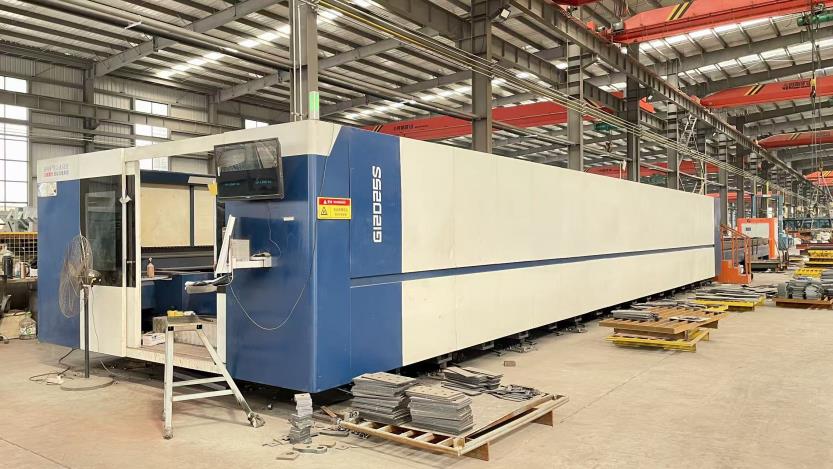
Our integrated manufacturing line combines advanced equipment with NDT validation to ensure high dimensional accuracy.
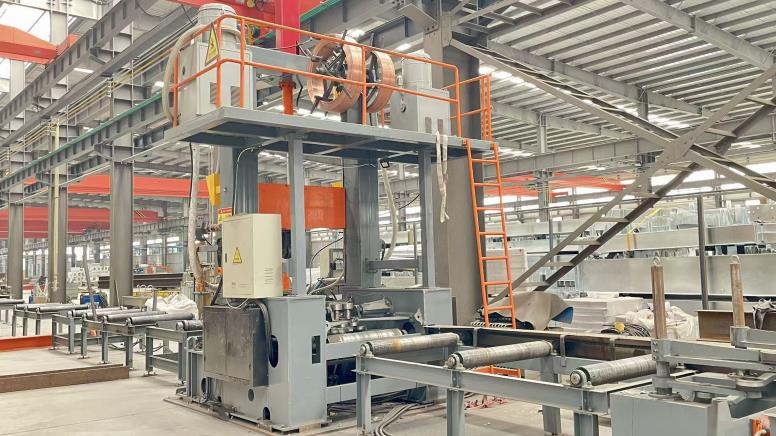
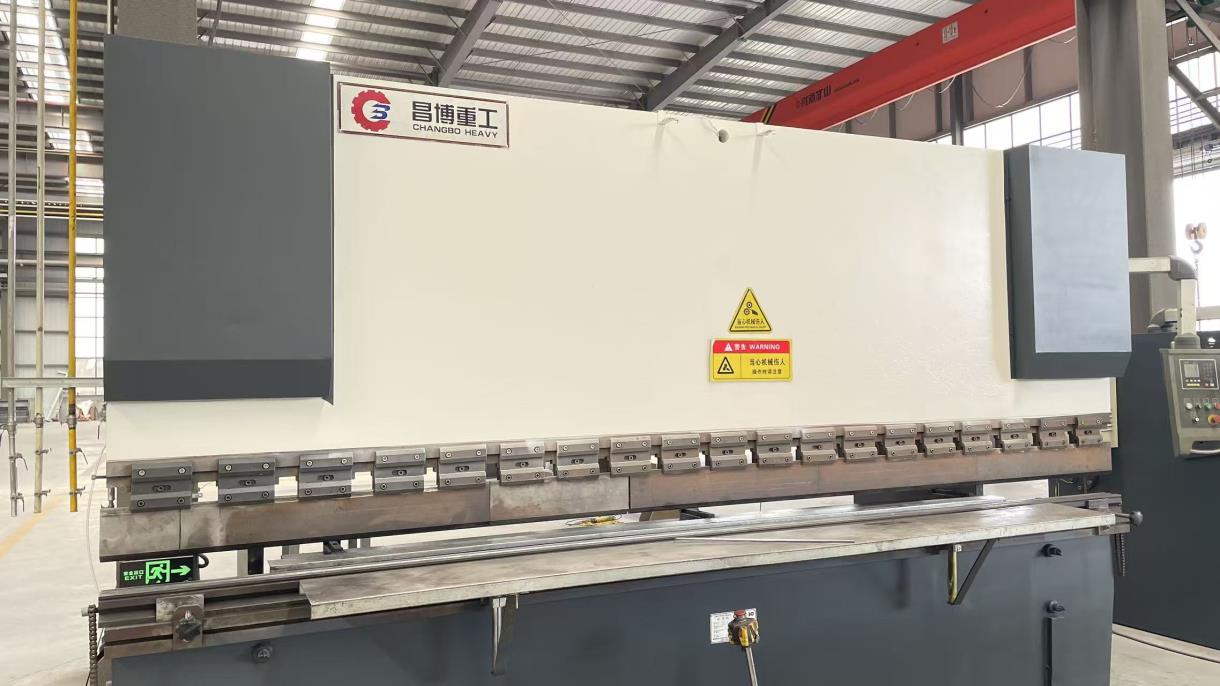
Bridging metallurgical research with construction practices to engineer the next generation of high-strength structural steels.
The trajectory of high-strength steel development focuses on optimization across three main dimensions: metallurgical performance, weldability, and life-cycle sustainability. Industry research centers on refining grain sizes to improve yield and tensile properties without compromising structural ductility.
Through these initiatives, future structural steels will achieve high load-bearing capacity while supporting global decarbonization goals. Implementing TMCP allows manufacturers to produce steel with a fine grain structure, yielding high toughness at sub-zero temperatures (e.g., -40°C to -60°C Charpy V-Notch testing). This makes the material suitable for offshore wind foundations and polar offshore infrastructure.
Aligning custom high-strength steel fabrication with the rigorous engineering specifications of global projects.
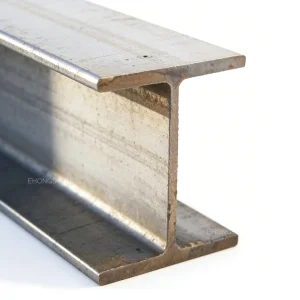
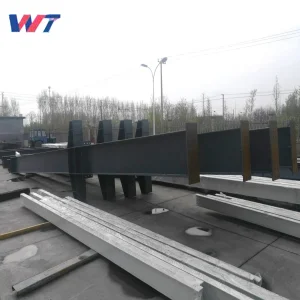
Modern high-rise commercial office developments require structural steel configurations capable of supporting high dead loads while resisting dynamic wind and seismic forces. Using high-yield columns (e.g., ASTM A992 or S460 structural steel) reduces the dimensional profile of core columns, increasing usable interior floor space. We supply prefabricated built-up H-beams, box columns, and truss configurations featuring precise joint configurations to facilitate fast site assembly.
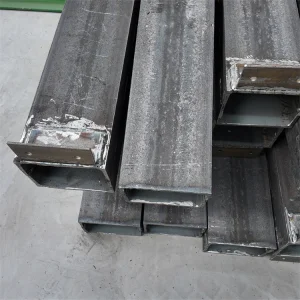
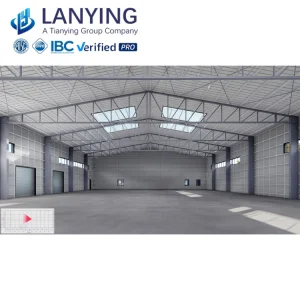
Large-span column-free spaces, such as sports stadiums, aircraft hangars, and logistics distribution centers, require lightweight structural systems. Using space-frame and tubular steel structures fabricated from high-yield round or square hollow sections (HSS) ensures low structural weight and structural stability over spans exceeding 120 meters. This structural approach minimizes bending moments and reduces foundation requirements.
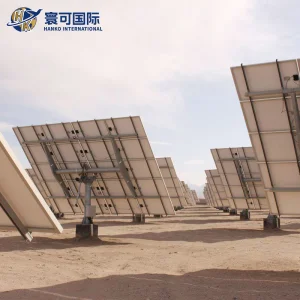
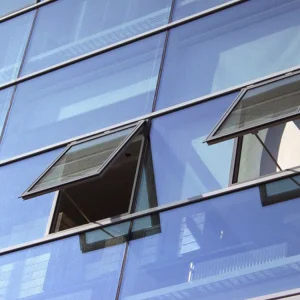
The global transition to renewable energy requires corrosion-resistant structural steel for photovoltaic (PV) mounting trackers and offshore wind sub-structures. We integrate advanced structural fabrication with BIPV (Building Integrated Photovoltaics) facade framing systems, combining high wind-load resistance with architectural glass systems. Additionally, our dual-axis solar trackers utilize structural members designed to withstand high environmental wind loads.
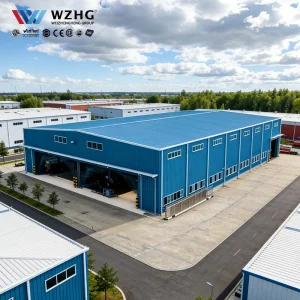
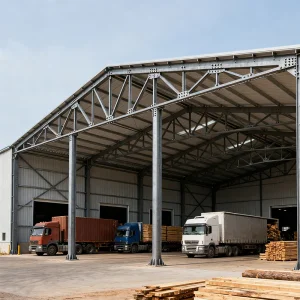
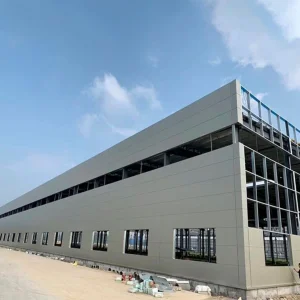
Industrial storage facilities and automated rack-supported warehouses require high floor-load capacity and flat surfaces to accommodate advanced warehouse robotics. Our heavy-duty prefabricated structures, featuring hot-dip galvanized finishes, ensure reliable operations in temperature-controlled and chemically aggressive environments.
Ensuring compliance with international structural codes and regional engineering standards.
Exporting structural steel requires meeting regional regulations, third-party inspection certifications, and local building codes. Shandong Bildon Steel Co., Ltd. matches steel chemistries, fabrication processes, and quality testing methods to the target market's regulatory frameworks.
| Target Region | Design Code Reference | Equivalent Steel Grades | Required Certifications & Verification |
|---|---|---|---|
| North America | AISC 360, AWS D1.1 | ASTM A36, A572 Gr 50, A992 | Mill Test Certificates (EN 10204 3.1), AWS Certified Welder qualifications, CWB certification. |
| Europe / UK | Eurocode 3 (EN 1993), EN 1090 | S235JR, S355JR/J0/J2, S460QL | CE Marking, UKCA Marking, EN 1090-2 Execution Class 3 (EXC3) compliance. |
| Australia / NZ | AS/NZS 4100, AS/NZS 1554.1 | G250, G350, G450 | ACRS (Australasian Certification Authority for Reinforcing and Structural Steels) certification. |
| China / East Asia | GB 50017, GB/T 1591 | Q235B, Q355D/E, Q460QC | AQSIQ certification, GB standards compliance, National Class A Steel Design Qualification. |
To verify compliance, our testing facilities conduct comprehensive quality checks, including Ultrasonic Testing (UT) for weld defects, Magnetic Particle Testing (MT) for surface discontinuities, and Charpy V-Notch Impact tests. This guarantees that all structural steel components shipped to international jobsites meet the required strength and performance standards.
A structured framework to optimize delivery, verify certifications, and manage supply chain risks.
For international procurement directors, purchasing prefabricated structural steel from overseas suppliers requires balancing unit costs against logistics reliability, anti-dumping duties, and project timelines. A structured evaluation framework helps manage risk and ensure project success:
Our logistics and customs teams manage overseas transport and clearance protocols, providing DDU/DDP delivery terms, real-time container tracking, and customs documentation.
Answering common questions from structural engineers and international procurement heads.
Using high-strength steel (e.g., S355 vs. S460) allows structural engineers to specify thinner profiles for columns and beams. This reduces the total tonnage of steel required for the project by up to 25%. Consequently, this lowers maritime freight costs, crane load requirements, foundation volume, and the total welding volume on-site, leading to overall cost savings.
Our quality control department operates under ISO and AWS guidelines. We routinely conduct Ultrasonic Testing (UT) to identify internal fusion defects, Magnetic Particle Testing (MT) for surface cracks, and Radiographic Testing (RT) for high-stress butt joints. All NDT processes are executed by certified Level II/III technicians, with complete documentation provided to the client.
We are certified to manufacture structural steel in accordance with EN 1090. We trace all incoming raw materials, qualify our welders to EN ISO 9606-1, and implement a Factory Production Control (FPC) system. Structural steel shipments to Europe are supplied with CE or UKCA certifications, conforming to Execution Class EXC2 or EXC3 specifications.
Yes, provided the steel is produced using the Thermo-Mechanical Control Process (TMCP) and maintains a low Carbon Equivalent Value (Ceq ≤ 0.38%). This chemistry allows for welding under standard ambient conditions without preheating, reducing construction time and labor costs while avoiding heat-affected zone (HAZ) embrittlement.
We offer hot-dip galvanizing conforming to ISO 1461 (or ASTM A123), maintaining coating thicknesses exceeding 85 microns. For harsh offshore settings (C5-M environment), we apply multi-coat epoxy systems featuring zinc-rich primers, micaceous iron oxide barrier coatings, and polyurethane topcoats, ensuring durability and corrosion resistance.
Providing heavy-duty, certified steel fabrications tailored for logistics, power generation, and commercial applications.