Bildon Steel
Bildon Steel
Bildon Steel
Explore our elite portfolio of prefabricated structural elements, innovative building facades, and specialized OEM/ODM steel systems optimized for global logistics and heavy industrial demand.
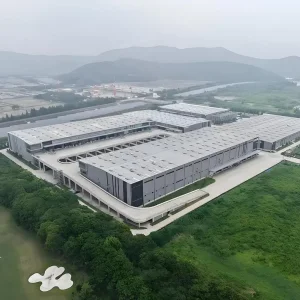
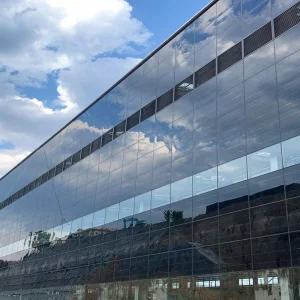
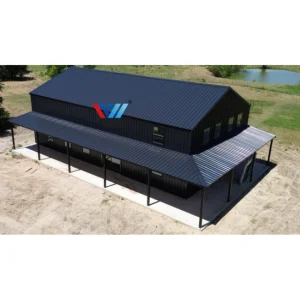
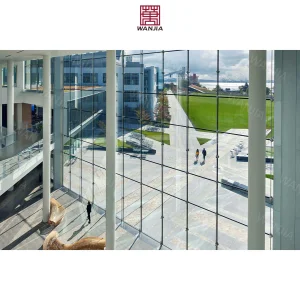
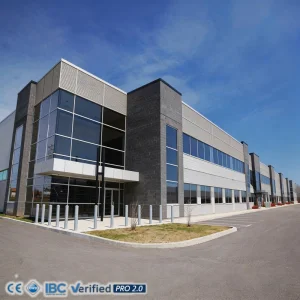
Analyzing current global logistics limits, structural supply chain dynamics, and advanced metallurgy.
In the contemporary globalized construction landscape, the demand for large-scale, high-performance infrastructure continues to accelerate. As major enterprises scale up warehousing, industrial spaces, and commercial infrastructure, they encounter significant hurdles: rising logistics fees, localized environmental regulations, complex structural engineering standards, and the mandate for low-carbon emissions. Traditional steel supply networks often offer a standardized, "one-size-fits-all" framework that leads to material waste, inflated dead loads, and excessive onsite assembly durations.
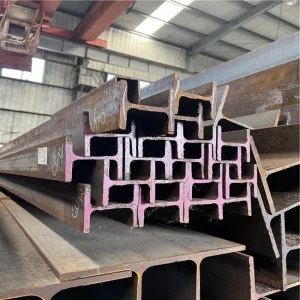
This is where OEM/ODM Steel Material Optimization becomes a critical strategic imperative. Modern engineering demands a shifting paradigm away from heavy, unrefined structural components toward customized, highly-stressed structural geometries. By tailoring alloy concentrations (such as high-grade Q355 structural steel), deploying precise structural profiling (including custom HEA/HEB/HEM beams), and integrating composite materials, leading manufacturers can optimize structural weight by up to 30% without sacrificing structural safety. This material weight reduction has cascading positive benefits: lower carbon footprints during refining, decreased transoceanic shipping fees, reduced foundation load requirements, and drastically faster field installation cycles.
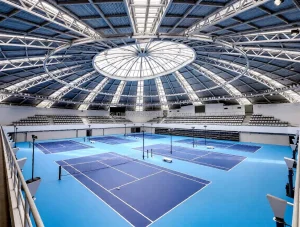
Whether deploying high-span spaces like commercial stadiums, heavy chemical production facilities, or logistics centers, structural adaptability is paramount. Modern structures must contend with extreme load paths, seismic challenges, and aggressive atmospheric corrosion. In coastal and high-humidity climates, structural longevity requires specific coatings and composite treatments. Advanced steel optimization suppliers offer comprehensive structural evaluations during the initial drafting stage. Applying FEA (Finite Element Analysis) ensures structural profiles match localized load characteristics. Instead of standard roll-formed plates, OEM/ODM optimizations determine precisely where reinforcement is required, optimizing cross-sectional distribution and structural performance.
Developing structural layouts with LOD 400 precision, optimizing material placement to eliminate waste at the manufacturing phase.
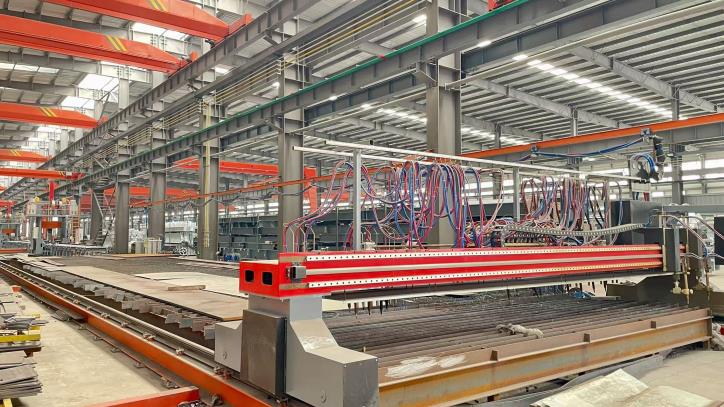
Utilizing computer-controlled laser cutters and robotic assembly lines to guarantee sub-millimeter manufacturing tolerances.
Aligning all components with ISO 9001, CE EN 1090-1, and AWS structural welding codes to pass international site inspections.
Corporate profile of Shandong Bildon Steel Co., Ltd. - Driving industrial innovation, structural design, and intelligent production.
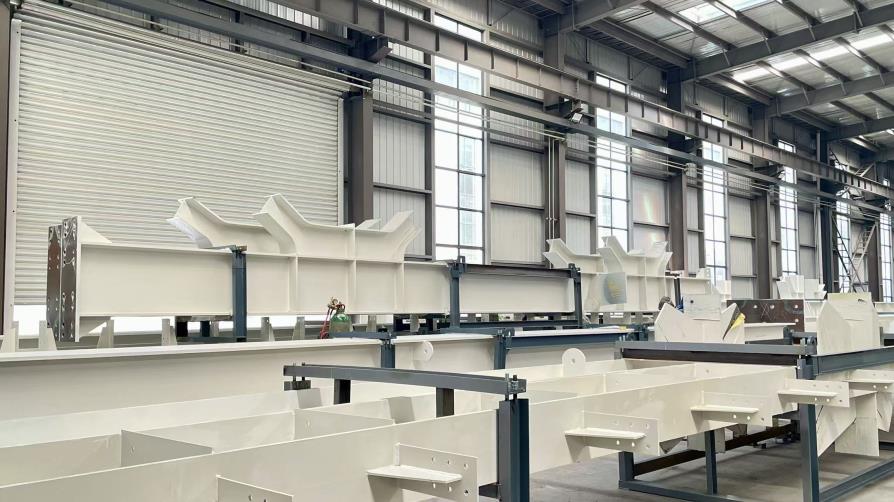
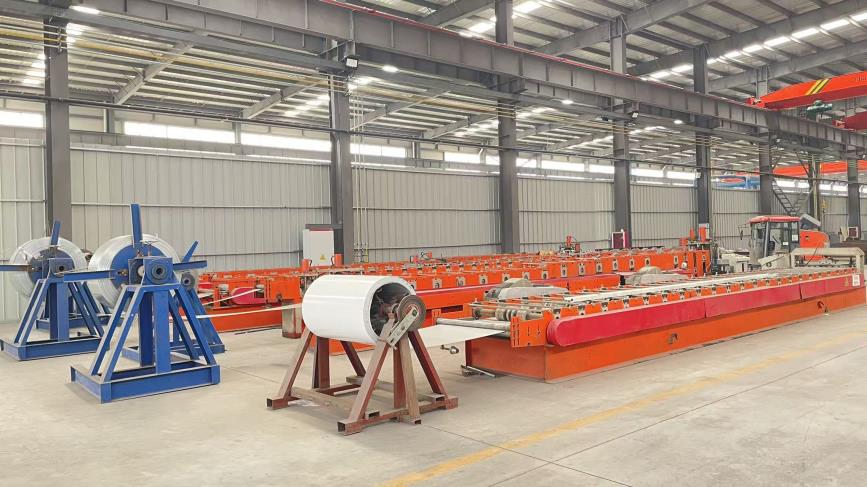
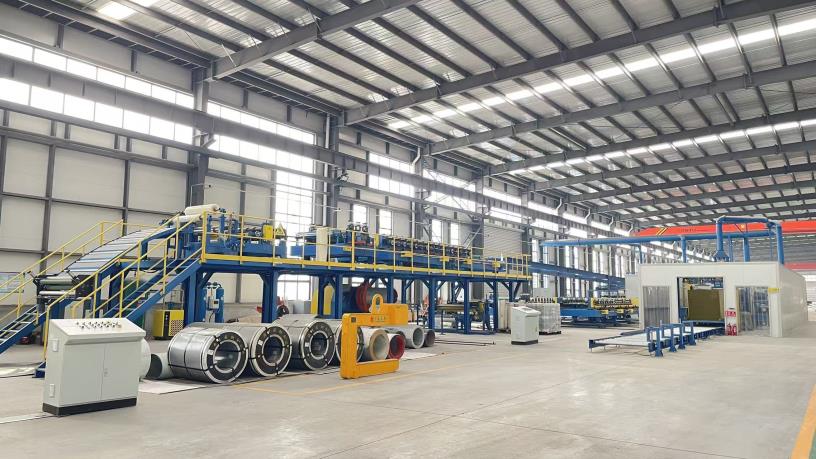
Shandong Bildon Steel Co., Ltd. is an integrated service provider in the field of steel structures, specializing in design, manufacturing, fabrication, and construction. The company is committed to delivering high-quality steel structure solutions with strong engineering capability and reliable project execution for clients across global markets.
Bildon Steel has obtained and strictly operates internationally recognized management systems, including ISO9001 Quality Management System, ISO45001 Occupational Health and Safety Management System, and ISO14001 Environmental Management System. The company is equipped with advanced non-destructive testing (NDT) and quality inspection capabilities, ensuring strict control over every stage of production and construction. It is recognized as a contract-abiding and credit-worthy enterprise, and holds independent import and export rights, with products and services delivered to multiple countries and regions worldwide.
With continuous focus on innovation and industrial upgrading, Shandong Bildon Steel Co., Ltd. actively promotes construction industrialization, digital engineering, and intelligent manufacturing, striving to improve efficiency, precision, and sustainability in steel structure production.
The company’s business scope covers a wide range of engineering applications, including building steel structures, large-scale industrial plants, multi-storey and high-rise steel buildings, non-standard steel components, complete equipment supporting steel structures, metal processing, special steel structures, and heavy steel structures. It also has strong capabilities in high-end engineering fields such as nuclear power infrastructure, photovoltaic power generation systems, shipbuilding steel structures, curtain wall engineering, and offshore wind power structures.
Backed by a professional team of engineers, project managers, and skilled manufacturing personnel, Bildon Steel continues to strengthen its research and development capabilities, supply chain integration, and smart production systems. The company is dedicated to becoming a leading global steel structure manufacturing and engineering service base, known for advanced technology, stable quality, and customer satisfaction.
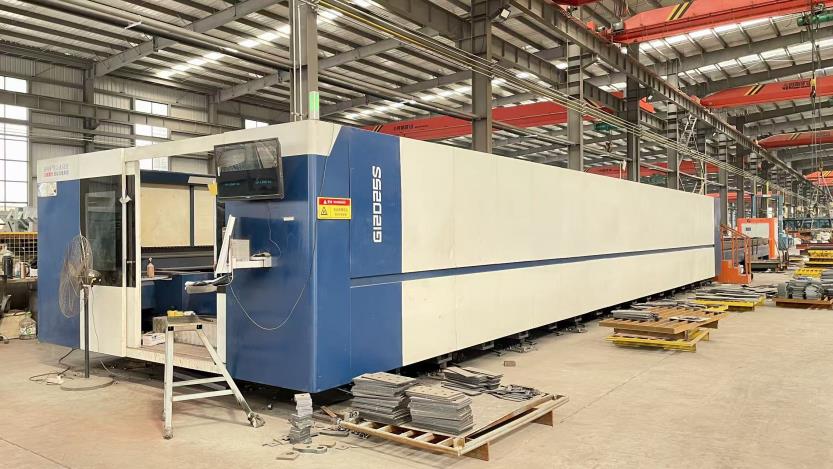
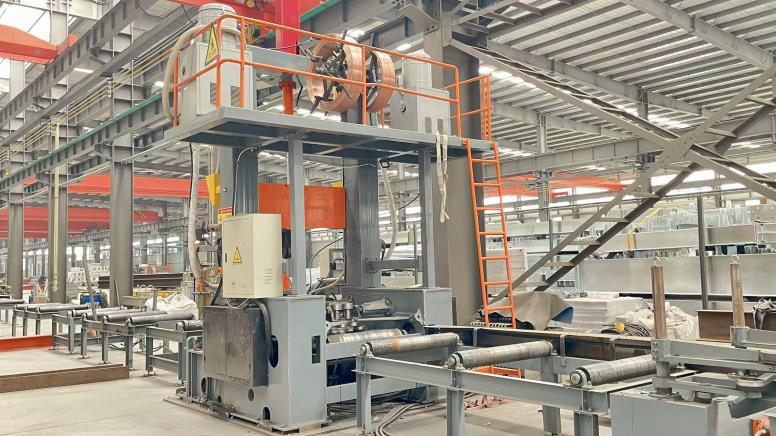
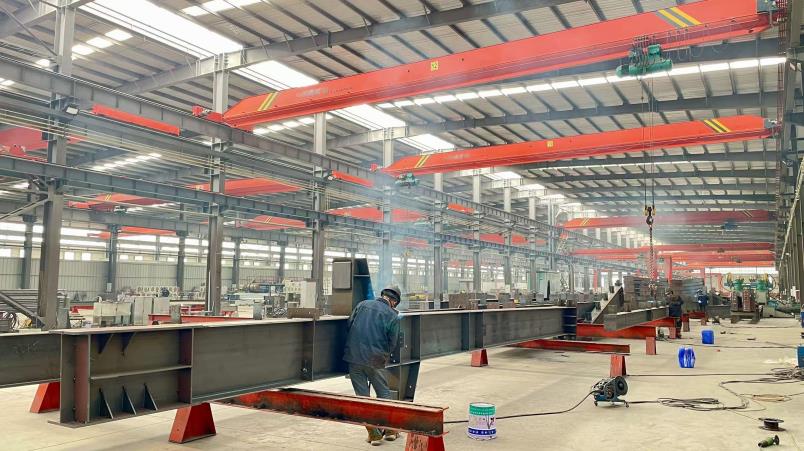
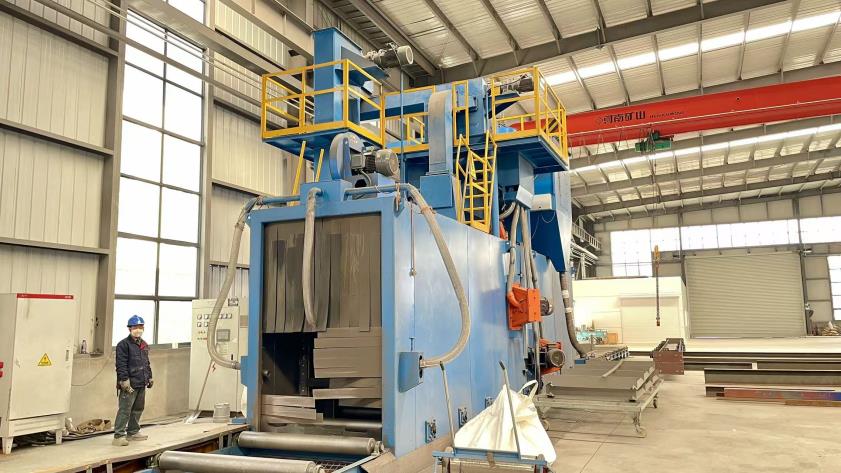
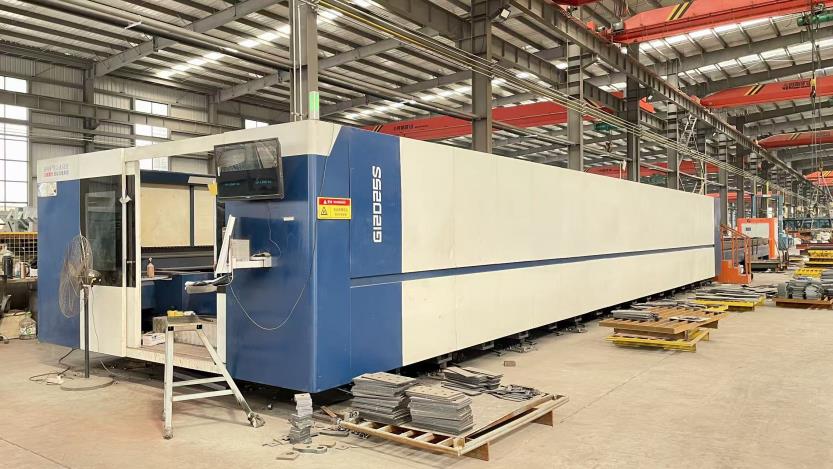
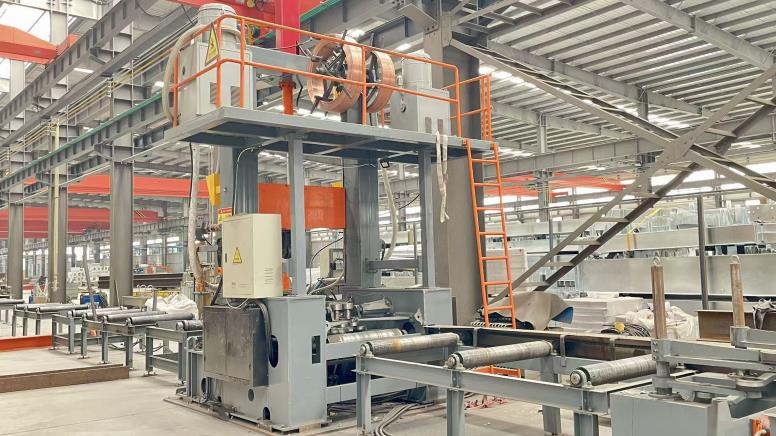
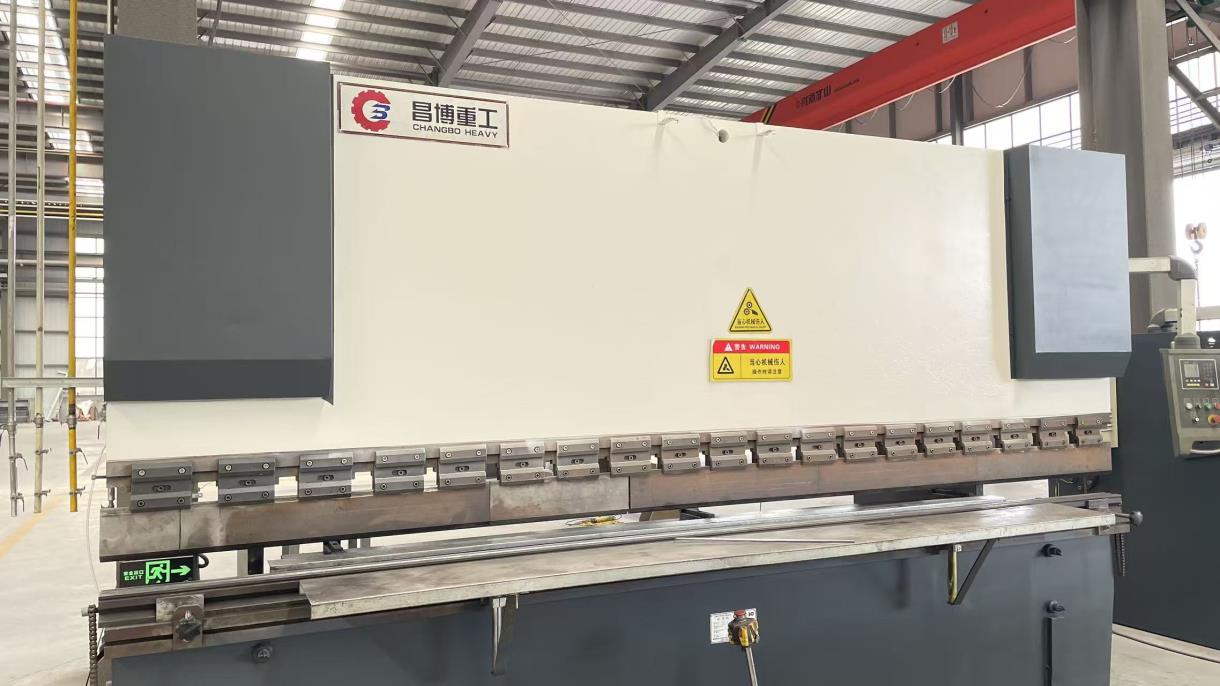
Understanding structural properties, custom profiling tolerances, and mechanical criteria for heavy structures.
Choosing the correct steel elements involves analyzing mechanical limits and performance criteria. The matrix below outlines how modern OEM/ODM optimization improves yield strengths and material efficiency across diverse structure types, helping procurement managers select the best system configurations.
| Steel Classification | Material Designation | Yield Strength (ReH, MPa) | Tensile Strength (Rm, MPa) | Ideal Application Environment |
|---|---|---|---|---|
| High-Strength Low-Alloy | Q355B / Q355D / Q355E | ≥ 355 | 470 - 630 | Multi-story warehouses, industrial portals, single span crane columns. |
| Heavy H-Section Steel | HEA / HEB / HEM (EN 10025) | 235 - 355 | 360 - 510 | High load bearing infrastructure, heavy dynamic platforms, industrial plants. |
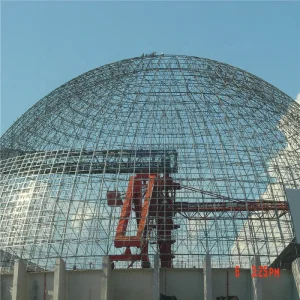
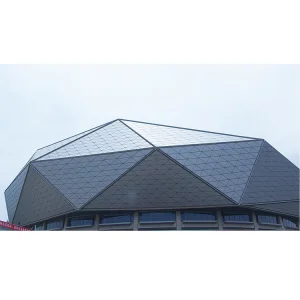
| Structural Pipe Truss | Q235 / Q355 Circular/Rectangular Tubes | 235 - 355 | 360 - 630 | Commercial domes, stadium grandstands, long-span distribution hubs. |
| Reinforced Composites | Fiber-Reinforced Plastic (FRP) / Cadmium Telluride | Non-Metallic (High Stability) | Var. (High Dimensional) | Corrosive environments, livestock farms, eco-friendly BIPV facades. |
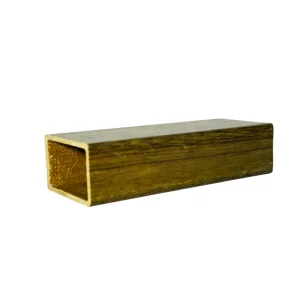
In modern industrial applications, materials science has advanced past basic hot-rolled structural steel. As seen in the specifications, the integration of specialized elements such as BIPV (Building Integrated Photovoltaics) with Cadmium Telluride glass allows building facades to act as clean-energy generator cells while maintaining structural envelope stability. Additionally, modern industrial farms and chemical facilities deploy high-dimensional stability FRP (Fiber Reinforced Plastic) square tubes. Because chemical and agricultural environments present heavy alkaline and acidic vapors, metal structures can suffer from structural degradation. Utilizing composite polymers ensures decades of performance without the need for periodic re-coating and structural repairs.
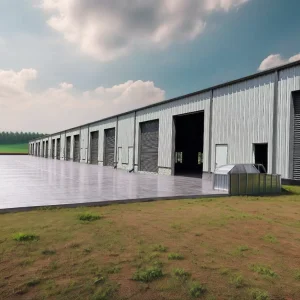
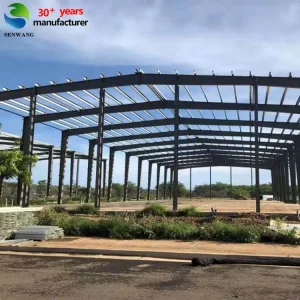
For large-scale warehouses and workshops, the structural layout represents a balance of span length and raw steel tonnage. By utilizing custom H-beams (like HEA/HEB profiles) in tandem with structural tube trusses, design teams can optimize material use, ensuring load paths are directly supported by high-yield points, while non-stress areas use lighter structural sections. This targeted optimization reduces shipping volumes and minimizes structural dead loads on foundation structures.
Providing structural engineering safety and trade verification across international borders.
To successfully ship structural steel across the globe, manufacturers must comply with localized building codes and import requirements. Whether exporting to the European Union (which requires CE EN 1090 certificates), Australia and New Zealand (which demand strict AS/NZS compliance), or North America (complying with AISC standards and AWS structural welding codes), a manufacturer's validation must be rigorous and verifiable.
Shandong Bildon Steel Co., Ltd. resolves these compliance challenges by maintaining a strict, verifiable Quality Assurance system. This system is supported by advanced non-destructive testing (NDT), including ultrasonic, radiographic, magnetic particle, and liquid penetrant inspection techniques. Welder qualifications are regularly verified to meet standard code demands, preventing weld defects such as porosity or incomplete fusion. These preventative measures ensure that when prefabricated columns, trusses, and beams arrive on site, they fit together with sub-millimeter precision, avoiding costly delays and field modifications.
Furthermore, managing international logistics requires advanced packing solutions. Transporting structural steel via container vessels or bulk carriers demands structured load plans. Bildon Steel utilizes customized packaging frames, protective coatings (such as hot-dip galvanizing and high-build epoxy paints), and careful loading strategies to prevent mechanical damage and seawater corrosion during long transit voyages.
Expert insights addressing common engineering, procurement, and fabrication queries from global infrastructure developers.
Discover more specialized structural steel profiles, high-load space frames, formwork components, and architectural systems manufactured to global engineering standards.