Bildon Steel
Bildon Steel
Bildon Steel
Engineered solutions for modern industrial plants, heavy infrastructure, and advanced building structures.
The global industrial landscape is undergoing a structural transition driven by urbanization, clean energy infrastructures, and automated warehousing systems. Modern engineering demands more than standard structural materials; it requires high-precision, customized structural components capable of withstanding extreme environmental stresses, high load burdens, and decades of operational wear. Custom OEM steel fabrication has positioned itself as the cornerstone of this evolution, serving as the backbone for multi-level warehouses, complex process engineering plants, marine platforms, and high-speed transit systems.
As engineering challenges increase in complexity, project owners are abandoning standardized off-the-shelf structural elements. The demand is shifting rapidly toward customized designs engineered to optimize weight-to-strength ratios, reduce site assembly time, and guarantee structural resilience. To remain competitive in this environment, modern steel structures must implement precise chemical formulations, customized dimensional profiling, and superior corrosion-protection layers, such as specialized structural coatings and deep hot-dip galvanization.
Evaluating technological advances, metallurgical specifications, and design workflows shaping structural steel sourcing.
Direct integration of Building Information Modeling (BIM) with computer-aided manufacturing (CAD/CAM) allows design details to feed straight to CNC machinery, eliminating dimensional errors.
Widespread adoption of structural steels like SS400, Q355B, and ASTM Q345. These alloys provide higher yield strengths, allowing designers to reduce raw weight while maintaining structural safety.
Transitioning from simple zinc-primer painting to multi-stage hot-dip galvanization and duplex thermal coatings. This design approach extends steel lifespan to over 50 years even in harsh marine or wastewater sites.
How top-tier EPC firms and developers minimize engineering failures, regulatory delays, and logistical bottlenecks.
Sourcing custom elements often presents risks of warping and design deviations. Advanced fabricators combat this by employing automated correction processes, stabilizing components prior to site delivery.
Defects in welding can result in catastrophic structural failure. Modern manufacturing centers mitigate this hazard through systematic Non-Destructive Testing (NDT), utilizing ultrasonic and magnetic particle examinations.
Exported structures must comply with localized design codes, including ASTM, Eurocodes, and AS/NZS standards. Choosing certified producers ensures correct mechanical performance and material traceability.
The global industrial community relies heavily on Chinese steel manufacturing not only for raw capacity, but for its integration of Industry 4.0 paradigms. Advanced manufacturing hubs in China have transitioned from high-volume production to high-precision engineering services. Through deep industrial integration, domestic manufacturers manage entire supply chains, from direct coil sourcing to advanced custom profiling, non-destructive testing (NDT), and specialized protective treatments.
This localized supply chain model offers immense resilience. Sourcing raw plates, executing custom CNC machining, fabricating high-strength welds, and applying specialized coatings occurs within unified industrial clusters. This integration cuts lead times, lowers local freight costs, and shields global clients from raw material price swings. By combining advanced logistics infrastructure with computerized production management, these hubs deliver complex fabricated structures to overseas ports on tight construction schedules.
Shandong Bildon Steel Co., Ltd., is an integrated service provider in the field of steel structures, specializing in design, manufacturing, fabrication, and construction. The company is committed to delivering high-quality steel structure solutions with strong engineering capability and reliable project execution for clients across global markets.
Bildon Steel has obtained and strictly operates internationally recognized management systems, including ISO9001 Quality Management System, ISO45001 Occupational Health and Safety Management System, and ISO14001 Environmental Management System. The company is equipped with advanced non-destructive testing (NDT) and quality inspection capabilities, ensuring strict control over every stage of production and construction. It is recognized as a contract-abiding and credit-worthy enterprise, and holds independent import and export rights, with products and services delivered to multiple countries and regions worldwide.
With continuous focus on innovation and industrial upgrading, Shandong Bildon Steel Co., Ltd. actively promotes construction industrialization, digital engineering, and intelligent manufacturing, striving to improve efficiency, precision, and sustainability in steel structure production.
The company’s business scope covers a wide range of engineering applications, including building steel structures, large-scale industrial plants, multi-storey and high-rise steel buildings, non-standard steel components, complete equipment supporting steel structures, metal processing, special steel structures, and heavy steel structures. It also has strong capabilities in high-end engineering fields such as nuclear power infrastructure, photovoltaic power generation systems, shipbuilding steel structures, curtain wall engineering, and offshore wind power structures.
Backed by a professional team of engineers, project managers, and skilled manufacturing personnel, Bildon Steel continues to strengthen its research and development capabilities, supply chain integration, and smart production systems. The company is dedicated to becoming a leading global steel structure manufacturing and engineering service base, known for advanced technology, stable quality, and customer satisfaction.
Inside our advanced manufacturing plant, showing structural steel processing from raw plate cutting to final coating and quality assurance.
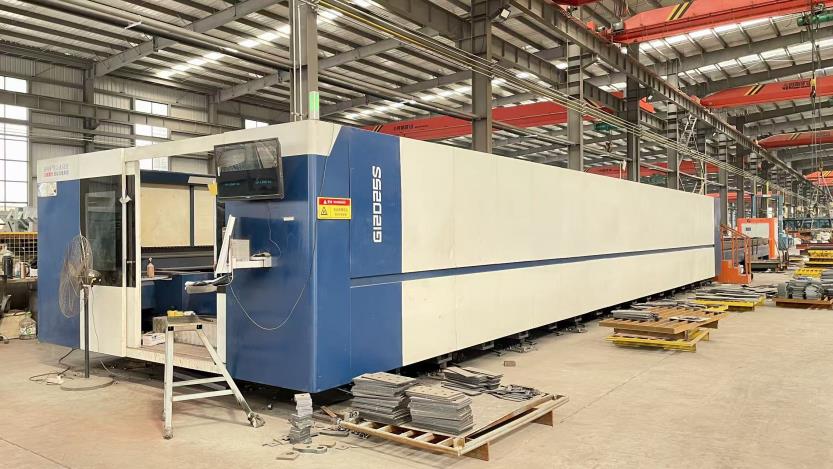
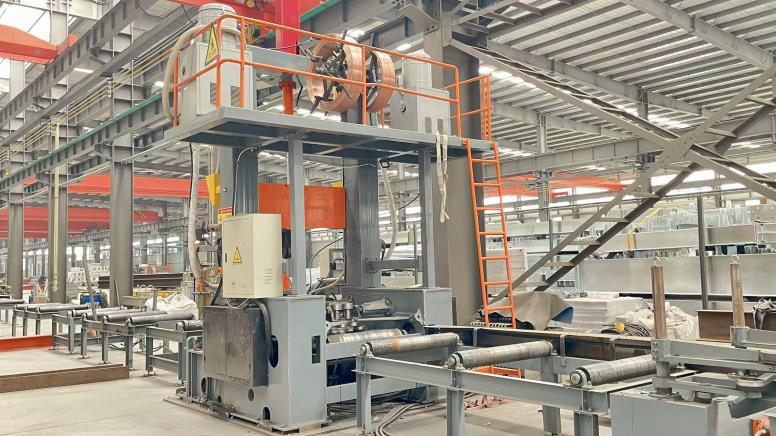
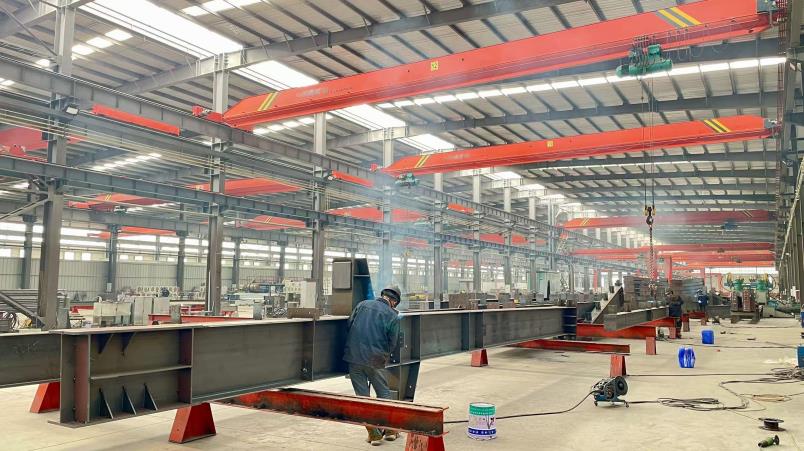
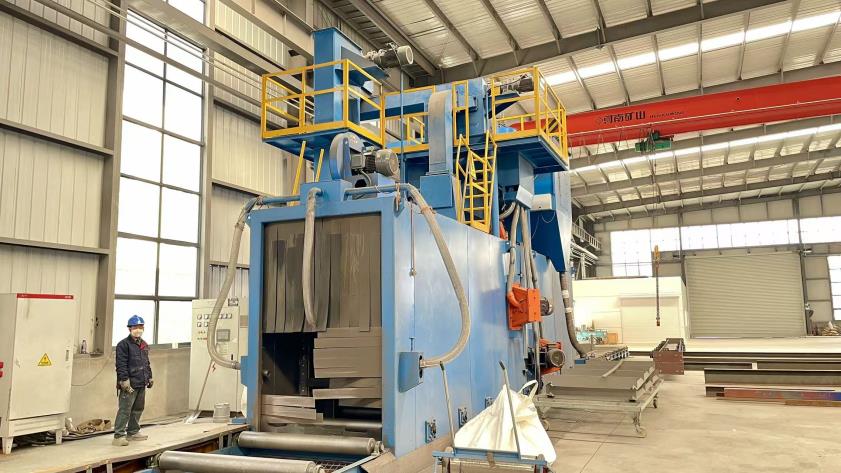
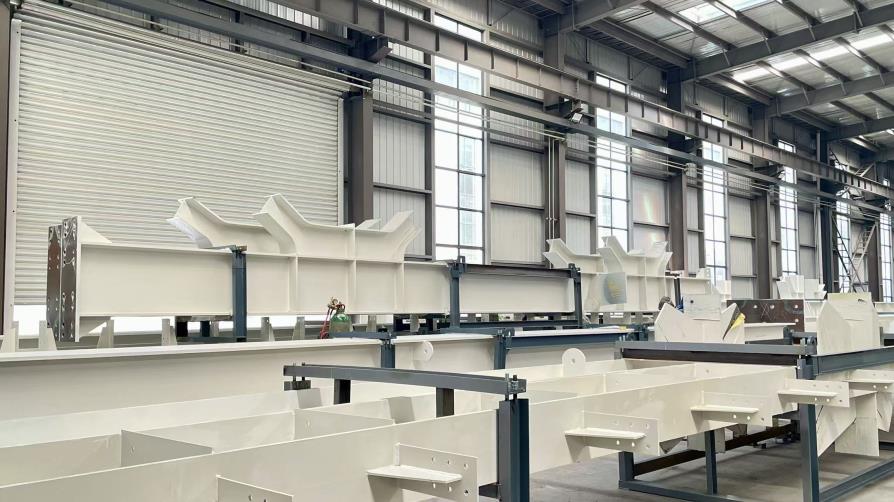
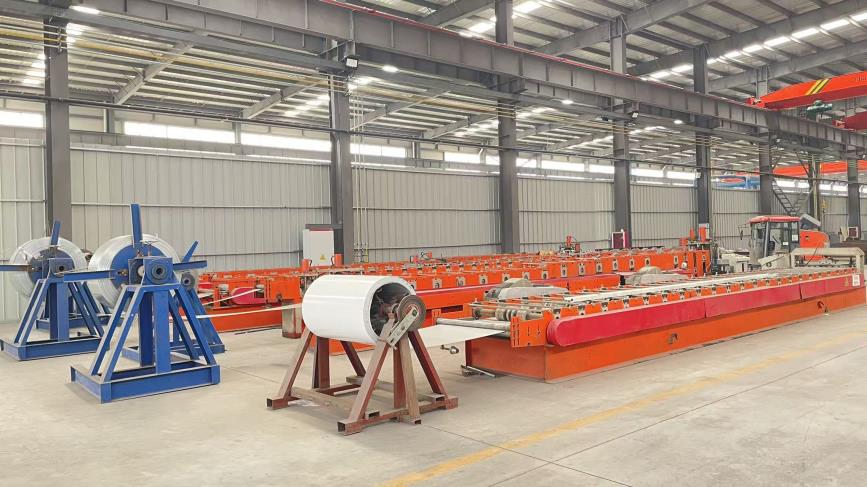
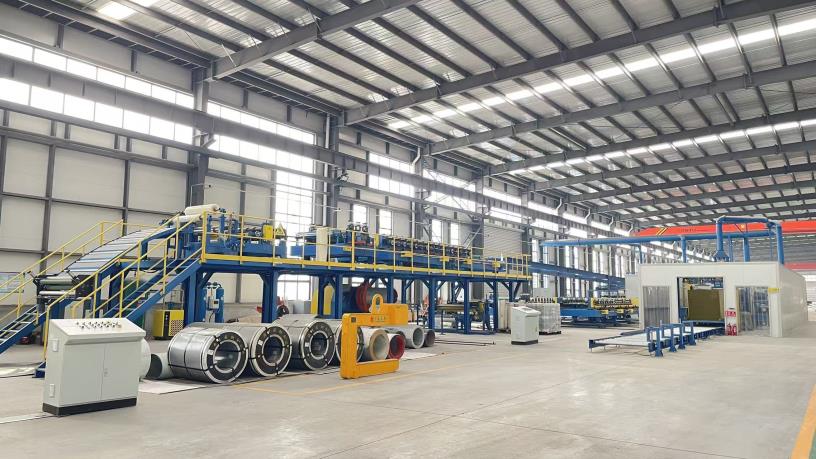
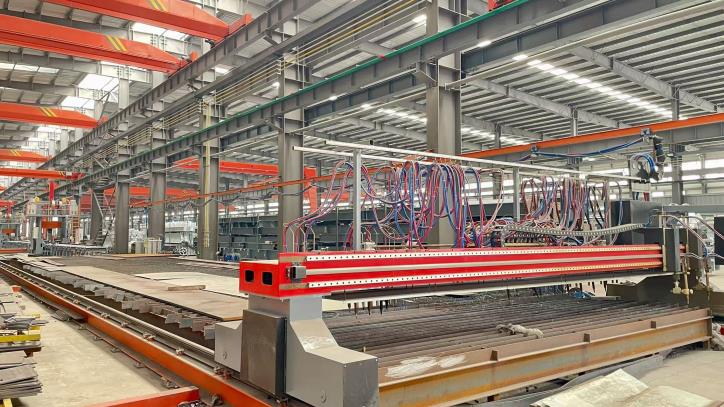
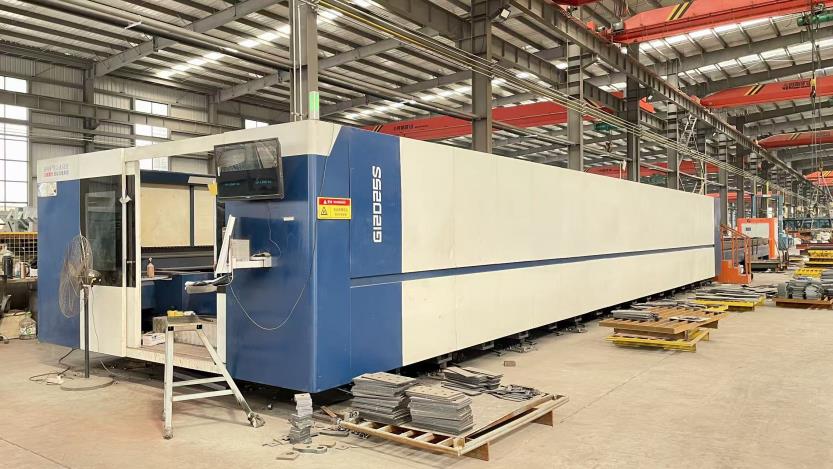
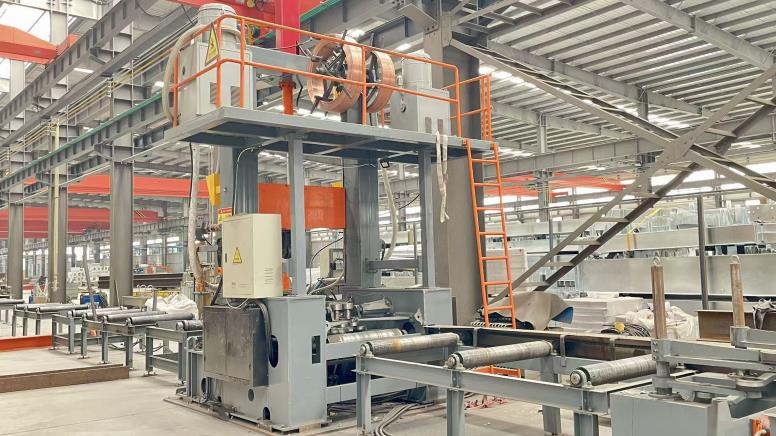
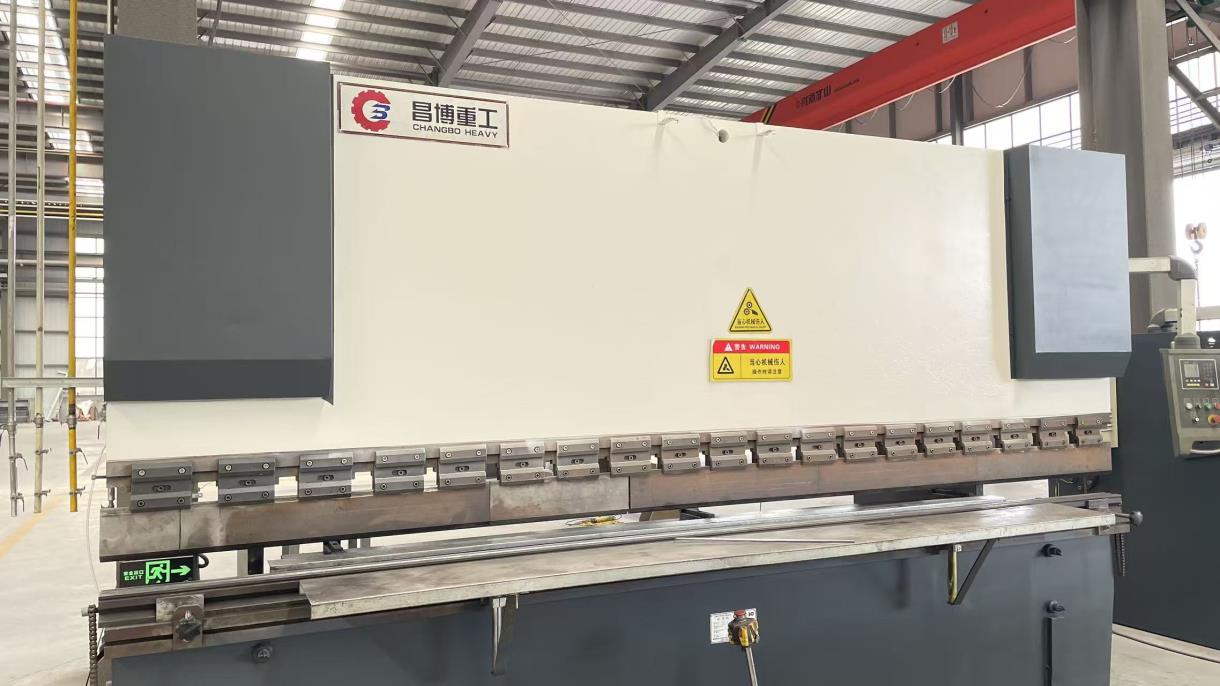
From offshore oil platforms to modular offices, our custom steel fabrications adapt to specific regulatory and environmental requirements.
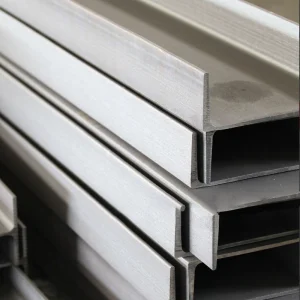
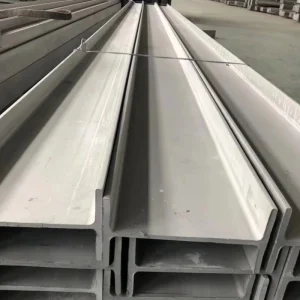
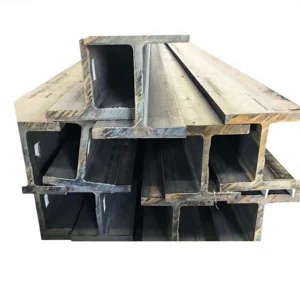
Offshore structures demand superior yield strength and resistance to marine corrosion. Using corrosion-resistant H-beams like SS400 and custom weld profiles ensures stable performance in salt-heavy environments.
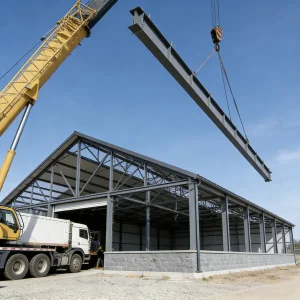
Warehouses and production centers require large-span structural frameworks. Utilizing engineered truss components and custom space frames optimizes floor layout while maximizing vertical space.
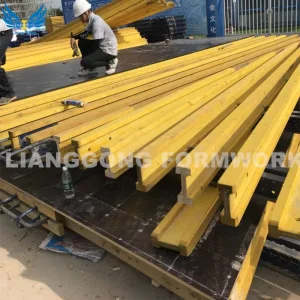
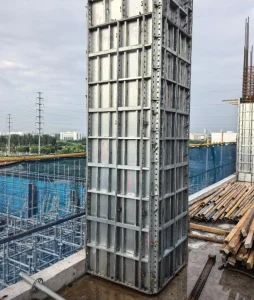
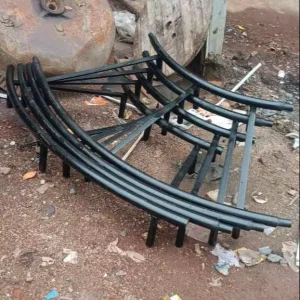
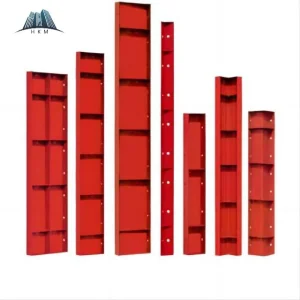
Our adjustable steel formwork and H20 timber beam systems allow complex geometries in concrete forming, including bridge columns, high-rise walls, and arced structural columns.
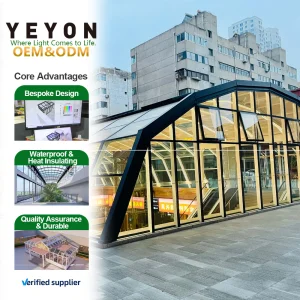
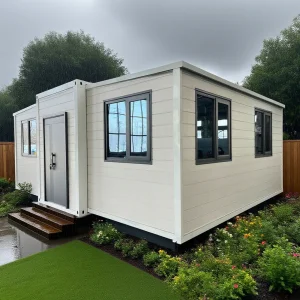
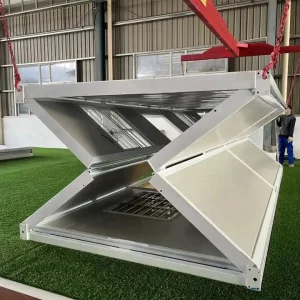
Deploying modular 20ft/40ft office modules and garden villa dome structures provides scalable spaces for mining camps, hotels, and suburban homes. These pre-engineered structures minimize site assembly overheads.
Essential engineering and regulatory answers for technical buyers and structural designers.
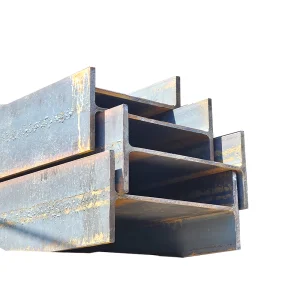
Engineered modular containment, structural formwork, and heavy H-beam products for infrastructure projects.