Bildon Steel
Bildon Steel
Bildon Steel
Explore our high-performance load-bearing structures and custom architectural profiles designed for longevity and resilience.
In modern macro-industrial engineering, material degradation due to atmospheric and chemical corrosion represents one of the most critical structural challenges. Annually, global economic losses attributable directly to structural corrosion exceed $2.5 trillion USD, roughly 3.4% of the global GDP. In response to this, the global construction and manufacturing sectors have shifted drastically from conventional carbon steel profiles to highly engineered, corrosion-resistant steel profiles.
As standard-setting structural steel exporters, Chinese factories have catalyzed this transition through large-scale technological innovation. Corrosion-resistant steel profiles, including weathering steel (corten), duplex hot-dip galvanized profiles, and alloyed structural beams, provide the backbone for infrastructure in high-salinity coastal areas, heavy chemical industrial zones, and high-humidity environments. By incorporating alloying elements such as copper (Cu), chromium (Cr), nickel (Ni), and phosphorus (P), these materials exhibit an inherent ability to form a protective, passive oxide film (patina) under atmospheric exposure. This mechanism curtails the rate of oxygen penetration, extending the nominal structural service life of industrial installations to 50–100 years without requiring high-cost cyclic repainting.
From deep-water marine offshore structures to high-rise building envelopes, the commercial demand for these advanced structural components is rising exponentially. Industrial buyers are prioritizing materials that offer favorable Life Cycle Cost (LCC) ratios over low initial procurement costs. This structural shift marks a new era where metallurgical science meets smart structural engineering to build sustainable, resilient global assets.
Precision alloying generates a stable patina layer, halting structural corrosion propagation even in challenging C4 and C5 corrosivity environments.
Significantly reduces long-term maintenance expenditures, delivering up to a 50-70 year service life with minimal structural interventions.
Maintains mechanical properties (yield and tensile strength) under harsh environmental conditions, ensuring total structural safety compliance.
Understanding the chemistry behind corrosion resistance is critical for project engineers. The anti-corrosive performance of our structural profiles relies on targeted micro-alloying and precision-controlled coating technologies. The table below represents the core parameters of our high-durability steel range, detailing yield strengths, chemical concentrations, and compatibility with international structural standards.
| Steel Grade Category | Core Alloying Elements | Yield Strength (MPa) | Standard Compliance | Corrosivity Category (ISO 12944) |
|---|---|---|---|---|
| Weathering Steel (Corten) | Cu: 0.25-0.55%, Cr: 0.30-1.25%, Ni: 0.65% max | ≥ 345 - 485 MPa | ASTM A588 / EN 10025-5 | C3 to C4 Atmospheric |
| Hot-Dip Galvanized (HDG) | Zn Coat (Pure Zinc Bath, 85μm min thickness) | ≥ 235 - 355 MPa | ASTM A123 / ISO 1461 | C3 to C5-I Industrial |
| Duplex Coated Profiles | Zn-Al-Mg + Polyurethane Barrier Systems | ≥ 355 - 460 MPa | EN 10346 / ISO 12944-5 | C5-M Marine Extreme |
| FRP Hybrid Components | Fiberglass reinforced polymer composite matrices | Variable (Elastic modulus based) | ASTM D4385 / CTI 137 | Extreme Chemical Exposure |
For weathering steel profiles, wet-dry environmental cycles generate a dense, crystalline layer of basic iron compounds (goethite, α-FeOOH) on the steel surface. This layer prevents acidic and saline elements from reaching the core steel substrate, halting the corrosion cycle naturally.
In hot-dip galvanized profiles, the zinc coating acts sacrificially. Even if the outer surface is scratched or mechanically damaged during structural transit, the zinc serves as the anode, oxidising before the structural carbon steel substrate begins to corrode.
The contemporary structural steel sector is undergoing a rapid transition defined by three major trends: Decarbonization, Digitalization, and Modular Prefabrication. With international regulations targeting net-zero carbon footprints, structural engineering projects must account for the carbon emissions generated during manufacturing. Choosing long-lasting, corrosion-resistant profiles directly lowers the embodied carbon index of structures by avoiding frequent replacement cycles and the use of volatile organic compound (VOC) chemical paints.
Furthermore, the integration of BIM (Building Information Modeling) and digital pre-assembly has changed on-site project management. Modern projects utilize prefabricated structural steel components manufactured under strict factory conditions. Components are designed, cut, and welded in digital environments, then delivered directly to site for rapid assembly. This approach reduces overall construction timelines by up to 40% while mitigating on-site risk. Standardized structural systems, such as modular apartment frames, high-strength box columns, and pre-engineered trusses, now form the baseline for modern commercial and industrial developments globally.
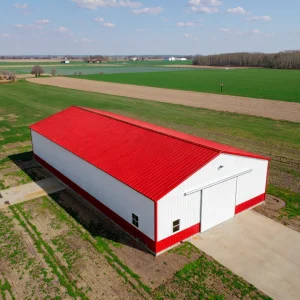
Off-site manufacturing of columns, beams, and truss structures ensures high precision, faster project handovers, and minimal resource waste.
Adhering to LEED, BREEAM, and international green codes by utilizing recyclable steel materials and low-impact production paths.
Integration of IoT corrosion sensors directly within critical columns and support nodes to monitor structural health in real time.
Shandong Bildon Steel Co., Ltd. is an integrated service provider in the field of steel structures, specializing in design, manufacturing, fabrication, and construction. The company is committed to delivering high-quality steel structure solutions with strong engineering capability and reliable project execution for clients across global markets.
Bildon Steel has obtained and strictly operates internationally recognized management systems. The company is equipped with advanced non-destructive testing (NDT) and quality inspection capabilities, ensuring strict control over every stage of production and construction. It is recognized as a contract-abiding and credit-worthy enterprise, and holds independent import and export rights, with products and services delivered to multiple countries and regions worldwide.
With continuous focus on innovation and industrial upgrading, Shandong Bildon Steel Co., Ltd. actively promotes construction industrialization, digital engineering, and intelligent manufacturing, striving to improve efficiency, precision, and sustainability in steel structure production.
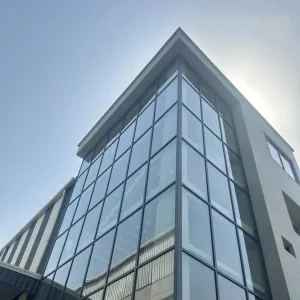
The company’s business scope covers a wide range of engineering applications, including building steel structures, large-scale industrial plants, multi-storey and high-rise steel buildings, non-standard steel components, complete equipment supporting steel structures, metal processing, special steel structures, and heavy steel structures. It also has strong capabilities in high-end engineering fields such as nuclear power infrastructure, photovoltaic power generation systems, shipbuilding steel structures, curtain wall engineering, and offshore wind power structures.
Backed by a professional team of engineers, project managers, and skilled manufacturing personnel, Bildon Steel continues to strengthen its research and development capabilities, supply chain integration, and smart production systems. The company is dedicated to becoming a leading global steel structure manufacturing and engineering service base, known for advanced technology, stable quality, and customer satisfaction.
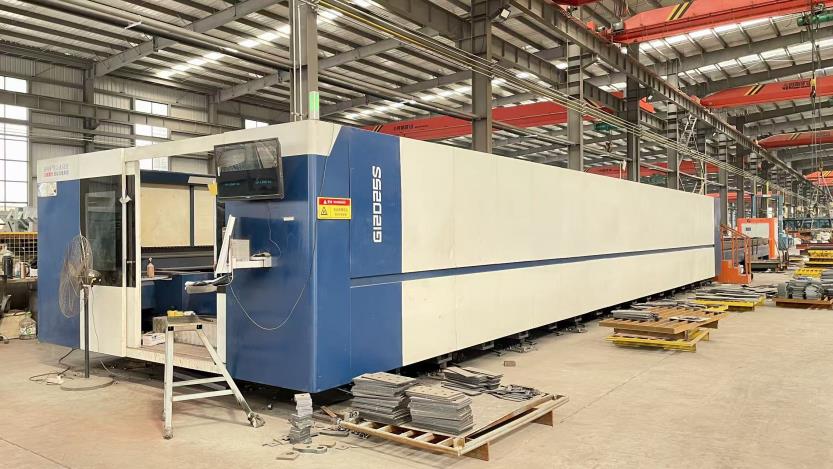
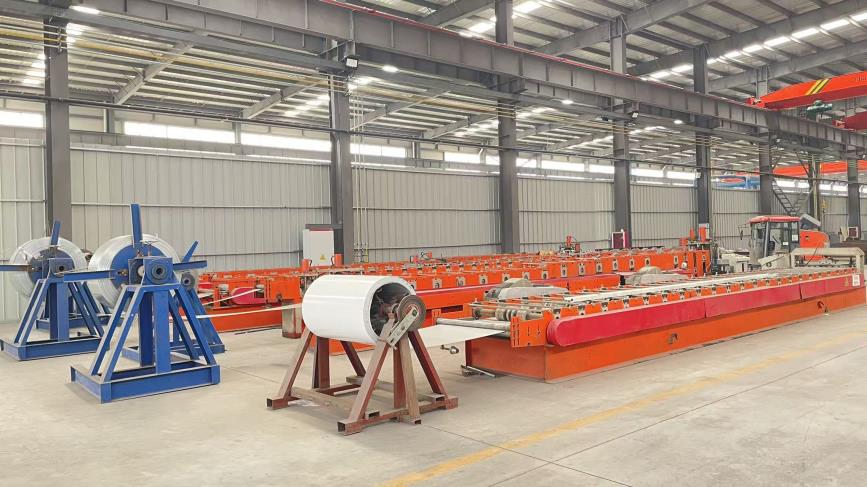
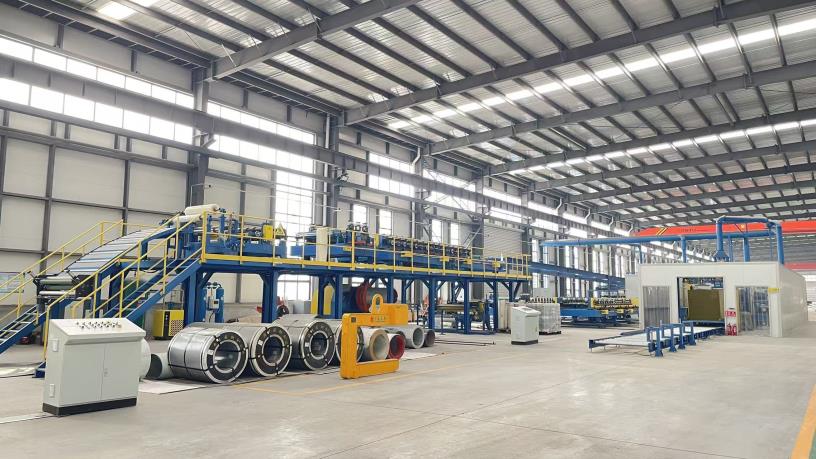
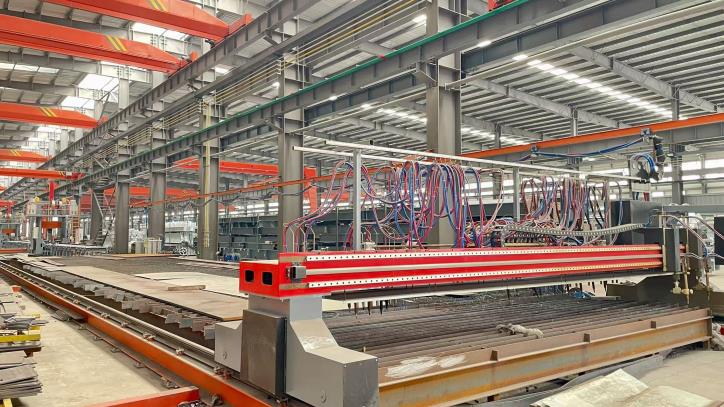
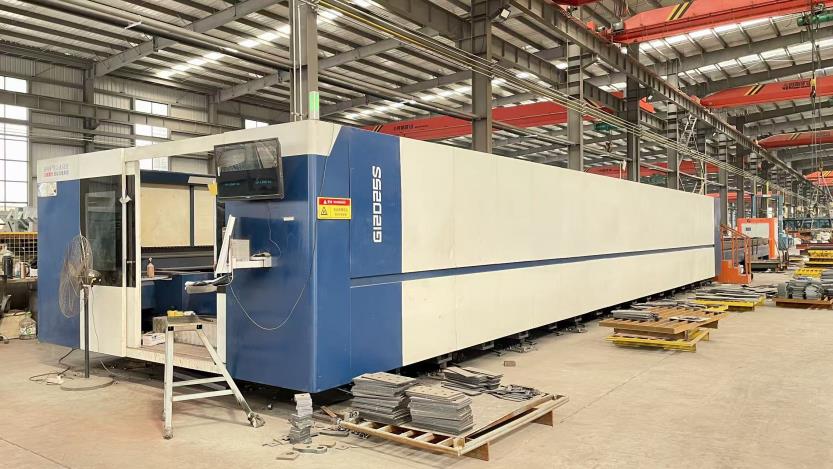
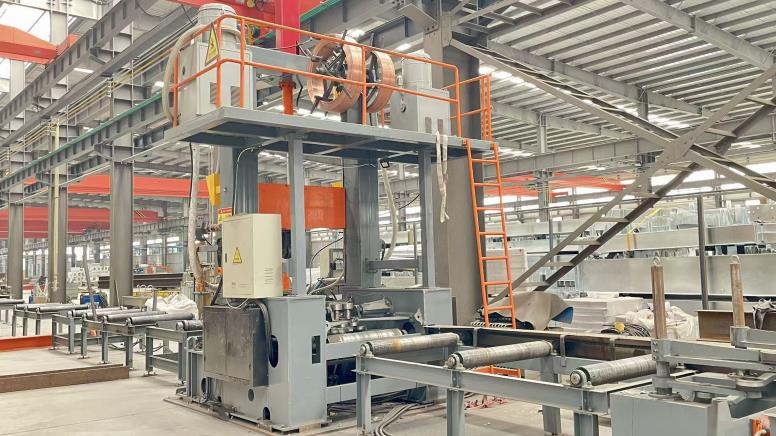
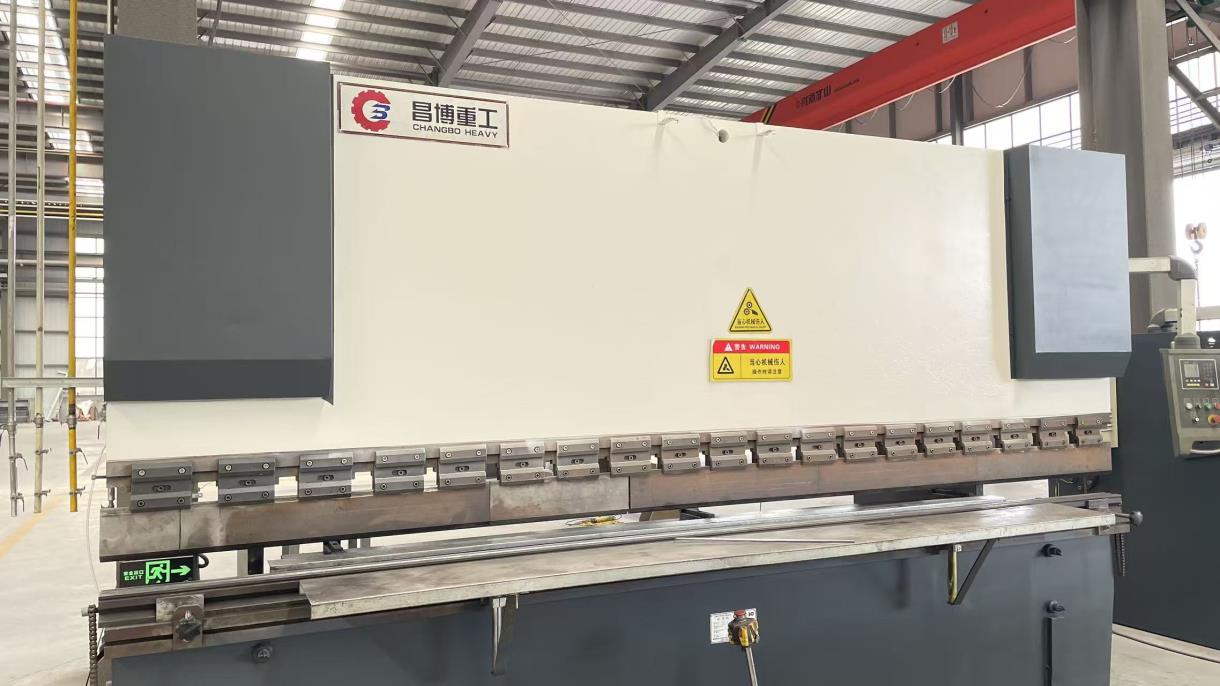
A comprehensive visual overview of our industrial manufacturing steps, ensuring micro-millimeter precision and high durability for all steel profiles.
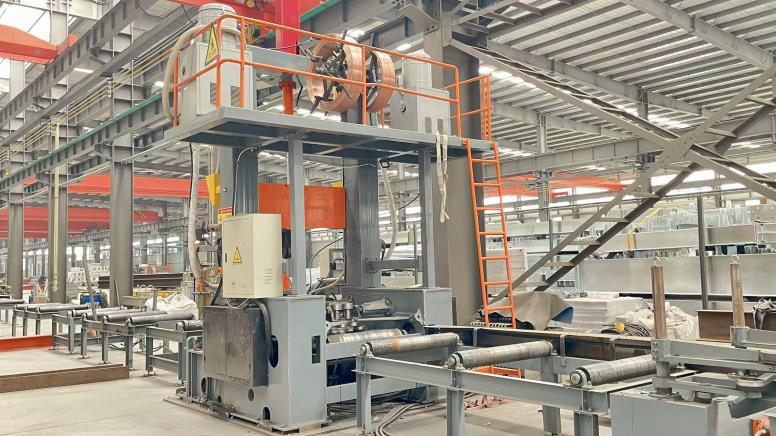
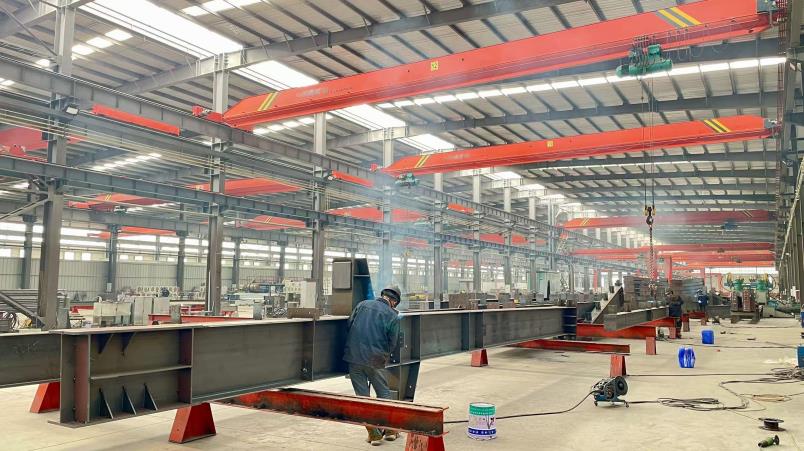
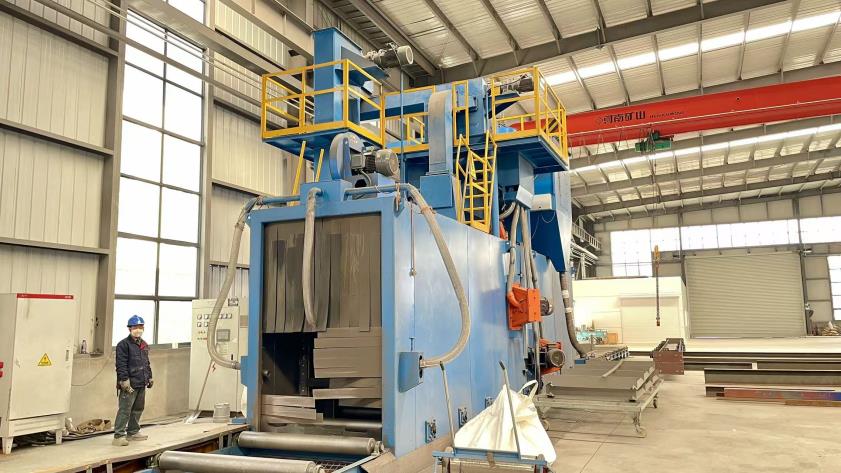
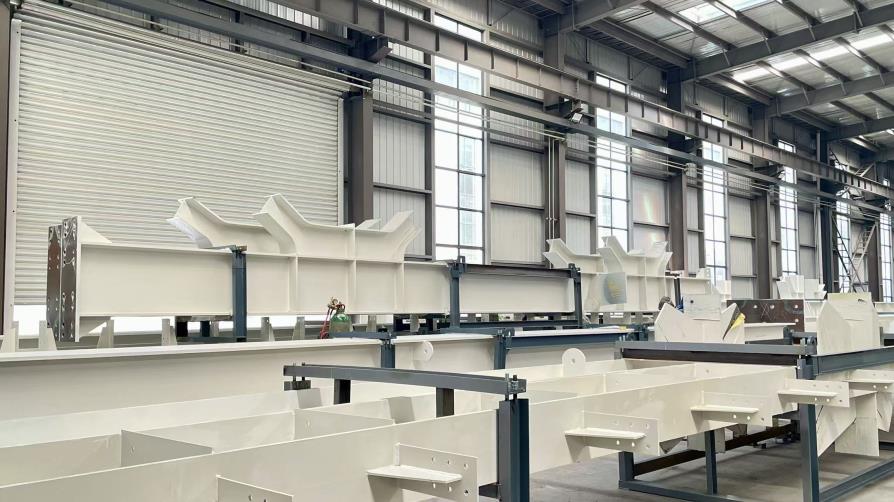
Corrosion-resistant steel profiles are deployed in demanding environments where structural integrity cannot be compromised. Each environment presents distinct corrosivity profiles requiring specific metallurgical properties.
Marine environments feature high atmospheric salinity and constant moisture, which rapidly accelerates rust on standard steel. Our hot-dip galvanized and weathering steel profiles are designed to withstand marine conditions, supporting offshore oil structures, coastal port warehouses, and seaside residential frames.
Industrial processing zones often contain ambient concentrations of sulfuric acid, hydrogen sulfides, and chemical particulates. Standard coatings quickly degrade, exposing structural components to localized pitting and crevice corrosion. We provide specialized coatings and alloy structural sections that prevent chemical deterioration in factories and chemical warehouses.
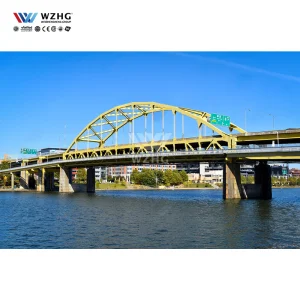
Infrastructure like bridges, railway spans, and support pillars face severe weather variations and high moisture levels. In such zones, standard structures are vulnerable to freeze-thaw cracking and rust expansion. Our corrosion-resistant profiles maintain structural integrity across wide temperature variations, reducing long-term public maintenance costs.
The next generation of corrosion protection focuses on combining metallurgic advances with smart coatings. At Shandong Bildon Steel Co., Ltd., we are testing and integrating several advanced technologies to define the future of sustainable steel structures:
| Technology Layer | Underlying Science | Primary Application Benefits | Target Implementation Timeline |
|---|---|---|---|
| Smart Self-Healing Coatings | Micro-encapsulated corrosion inhibitors embedded in the primer paint layer | Automatically seals micro-fractures, preventing rust expansion and protecting the substrate. | Commercial Pilot Phase (2025) |
| High-Entropy Alloys (HEA) | Multi-element alloyed compositions forming complex crystal lattices | Exceptional fatigue life and resistance to chemical attack in offshore installations. | Advanced Engineering Scope (2026-2027) |
| Zn-Al-Mg Green Galvanizing | Adding aluminum and magnesium to zinc bath formulations for superior coverage | Halves required coating thickness while improving edge protection and overall durability. | Standard Factory Spec (Fully Deployed) |
Answers to common questions regarding material selection, international certifications, and structural design parameters.
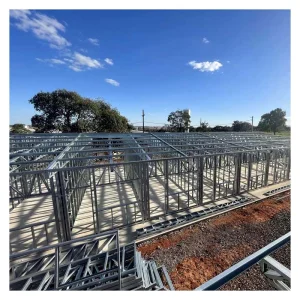
Explore our heavy-duty industrial framing columns, customizable beams, and specialty steel building components.
Connect with our engineering specialists. We offer customized design services, load calculations, and tailored anti-corrosion protection strategies for global projects.
Request Technical Quote