Bildon Steel
Bildon Steel
Bildon Steel
Engineered to deliver high load-bearing efficiency, rapid on-site assembly, and compliance with severe wind and seismic design parameters.
Shandong Bildon Steel Co., Ltd. is a premier, integrated service provider in the global steel structures sector. Our capabilities encompass architectural design, detailed engineering, state-of-the-art manufacturing, automated fabrication, and precision-led construction.
We operate in strict accordance with major global regulatory guidelines and maintain active certifications for ISO9001 Quality Management System, ISO45001 Occupational Health and Safety Management System, and ISO14001 Environmental Management System.
By integrating advanced non-destructive testing (NDT) protocols and strict quality inspections, we ensure structural reliability across critical infrastructural systems. Our focus remains on pushing the limits of construction industrialization, digital modeling (BIM), and smart processing.
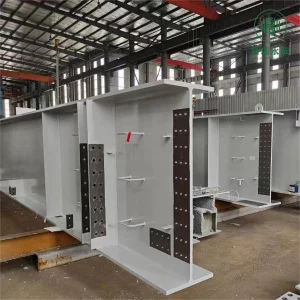
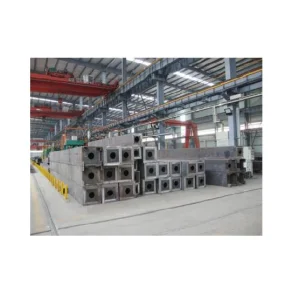
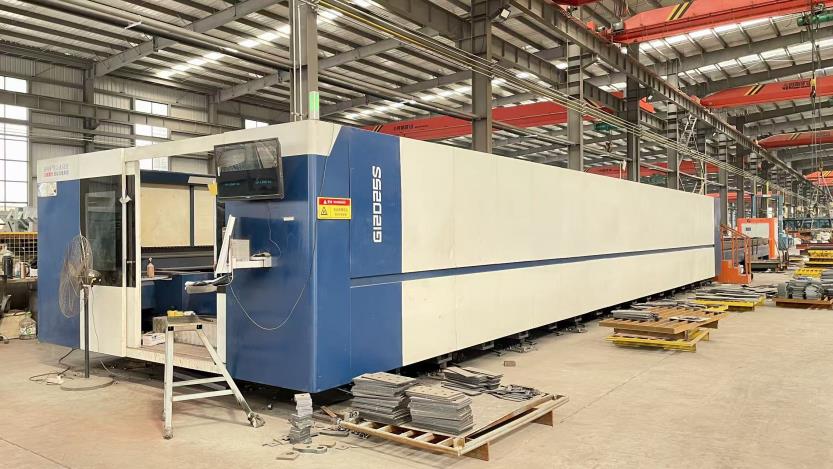
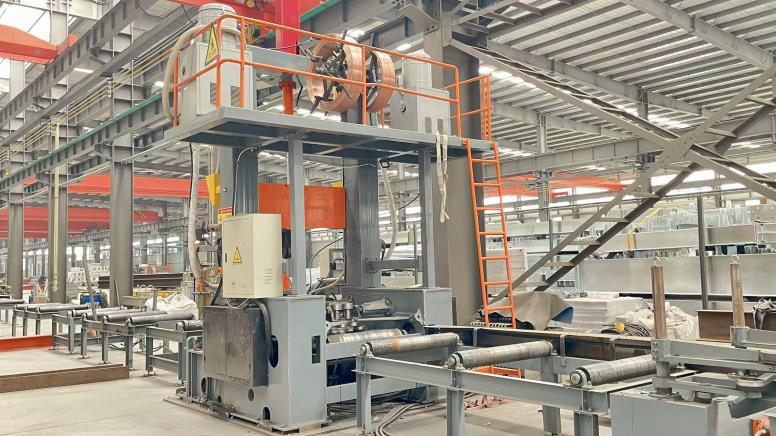
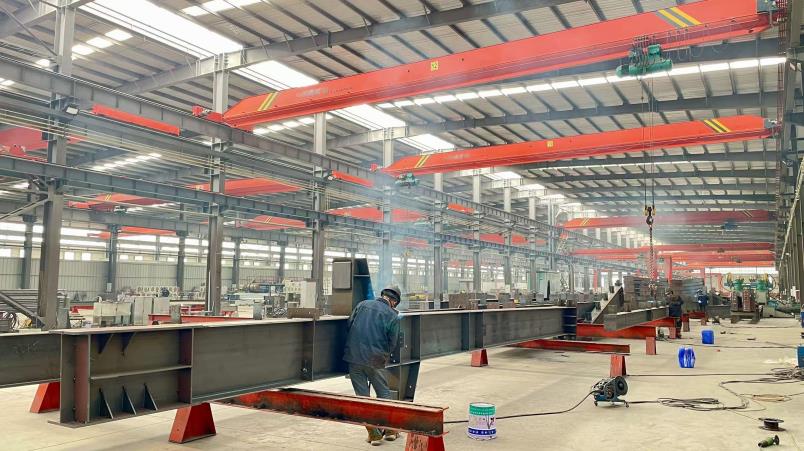
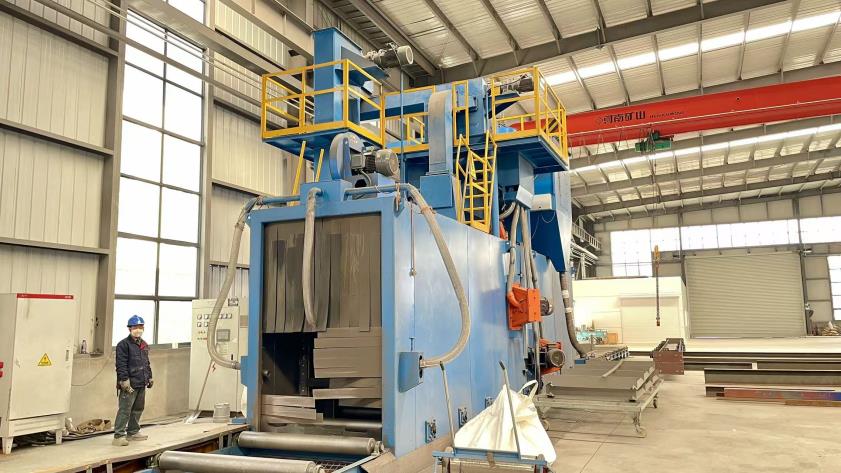
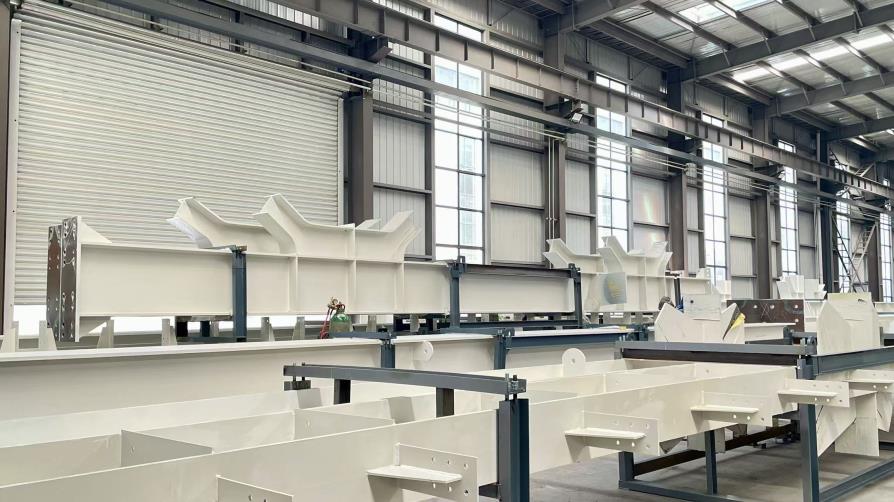
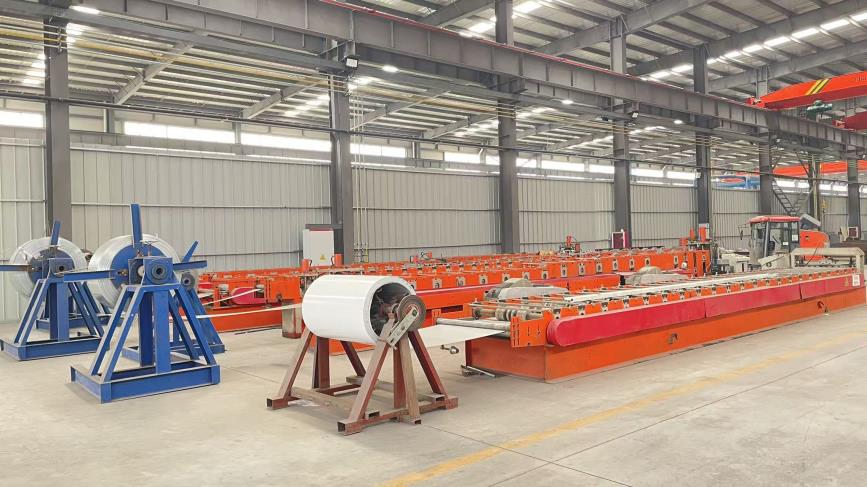
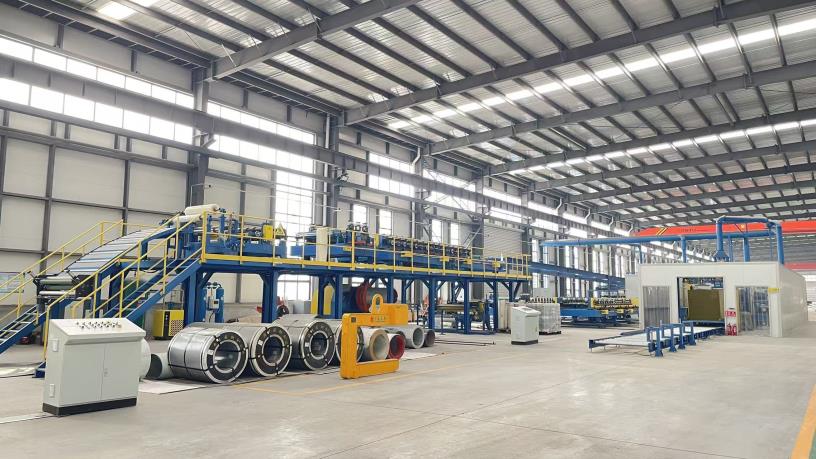
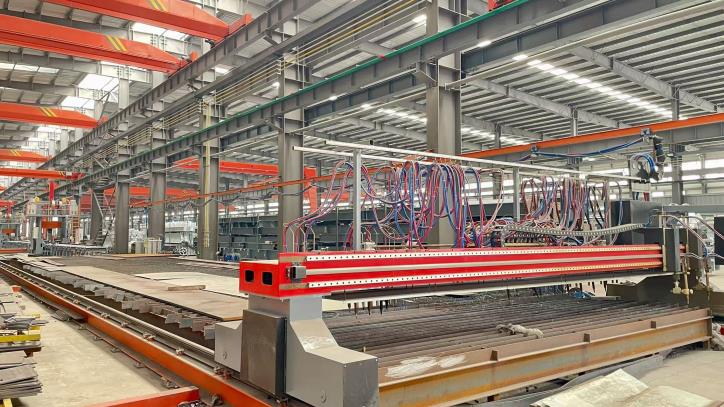
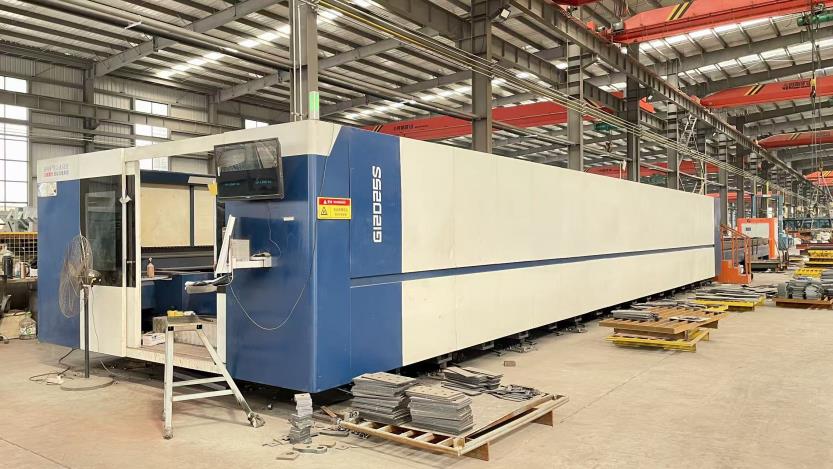
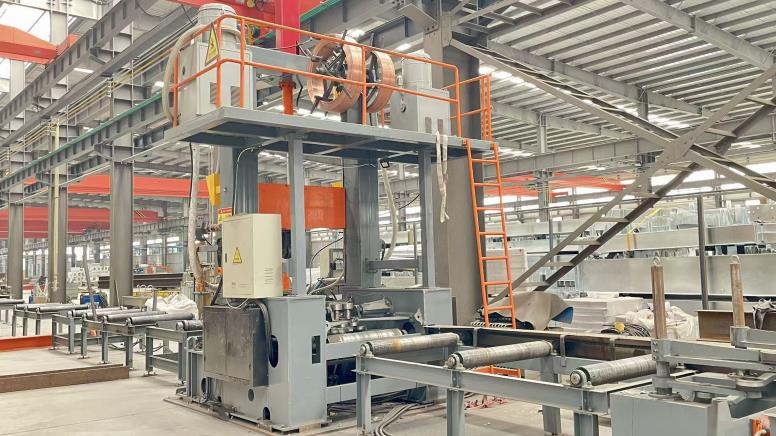
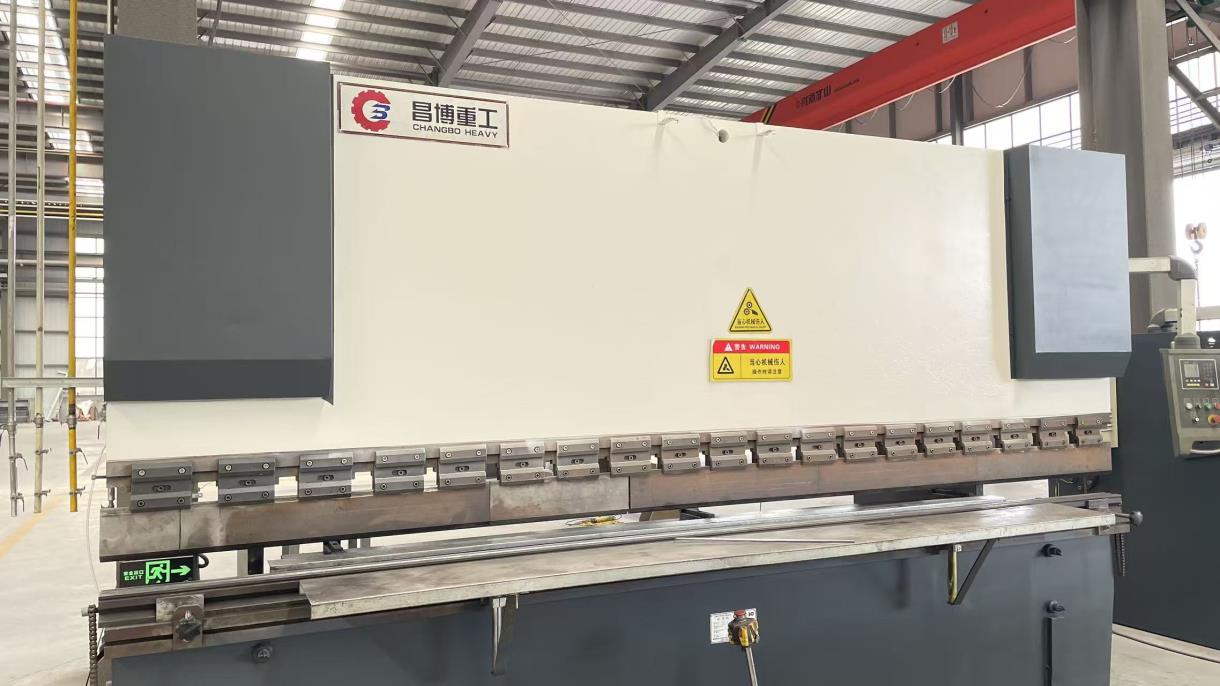
Inside our intelligent manufacturing base. We utilize top-tier heavy-equipment fabrication paths to ensure precision, flatness, and weld profile compliance.
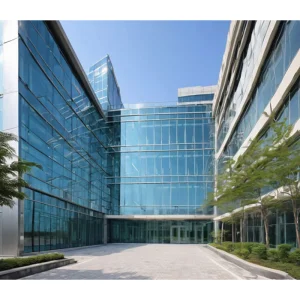
A comprehensive analysis of design challenges, material selections, and technological shifts shaping high-rise development.
Designing structural framing for supertall and high-rise structures demands highly sophisticated calculations of lateral wind dynamics and seismic behavior. As buildings rise, the overturning moments caused by wind shear force and horizontal ground acceleration increase exponentially. Modern construction addresses these structural challenges through a combination of high-performance steel grades and specialized lateral load-resisting frame designs.
At Shandong Bildon Steel Co., Ltd., we develop structural solutions that optimize building stiffness while keeping steel weight down. By utilizing Outrigger Truss Systems and Belt Trusses connected to a central reinforced concrete core, we dramatically reduce lateral drift. For extreme wind events, our engineers coordinate the design of steel dampers and Tuned Mass Dampers (TMD) directly into the structural frame coordinates. This prevents occupant discomfort and keeps deformation well within the limits defined by international building codes.
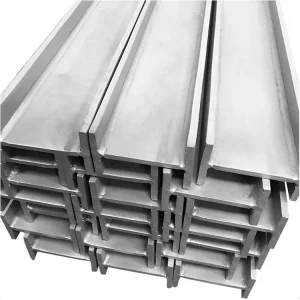
The choice of structural steel grades dictates the longevity and safety profiles of high-rise structural designs. Standard structural steel (like Q235 or ASTM A36) is insufficient for heavy loadbearing box columns or composite H-beams in high-rise buildings. Instead, our manufacturing plants process high-yield structural steel grades including Q355, Q420, and Q460 (as per GB/T 1591), along with their global equivalents like ASTM A572 Gr 50/60/65, ASTM A992, and EN 10025 S355/S460.
These high-strength low-alloy (HSLA) steels are characterized by micro-alloying elements such as vanadium, columbium, and titanium. They deliver higher yield strength, excellent ductility, and low temperature impact toughness (Charpy V-Notch testing down to -40°C). By limiting carbon equivalent levels ($CEV \le 0.43\%$), we preserve excellent weldability, which is vital for thick-plate joints (exceeding 80mm in structural nodes) without structural cracking or lamellar tearing.
| GB Standard (China) | ASTM Standard (US) | EN Standard (Europe) | JIS Standard (Japan) | Recommended Structural Application |
|---|---|---|---|---|
| Q235B / C | ASTM A36 | S235JR / S235J0 | SS400 / SM400 | Secondary beams, bracing, light purlins, tie rods |
| Q355B / C / D / E | ASTM A572 Gr 50 / A992 | S355JR / S355K2 | SM490Y / SN490B | Primary H-beams, structural columns, outrigger assemblies |
| Q420Q / D / E | ASTM A572 Gr 60 | S420N / S420ML | SM520 / SM570 | Heavy structural plates, high-load column nodes |
| Q460D / E | ASTM A572 Gr 65 | S460QL / S460ML | SPV490 | Supertall transfer trusses, high-stress heavy box columns |
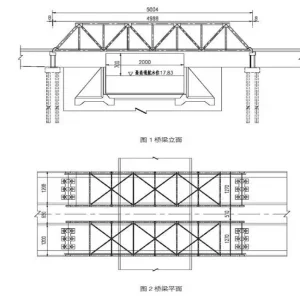
Modern urban construction schedules are incredibly demanding. Building within dense, high-traffic city centers requires a drastic reduction in on-site staging footprints, material waste, and noise pollution. This has driven the industry toward off-site prefabrication, shifting major structural fabrication from raw construction sites to controlled factory environments.
Our integrated prefabrication line is built around this exact shift. We manufacture pre-assembled steel-concrete composite columns, welded H-beam floor frames, and structural trusses that fit together perfectly during field erection. Through precision bolt-connection designs and tight machining tolerances ($\pm 1.5\text{mm}$), field assembly is completed quickly and safely. This rapid assembly timeline reduces high-altitude welding requirements, saves weeks of crane rental time, and lowers the overall risk of construction site incidents.
How we are preparing for the next generation of smart, low-carbon structural systems.
Moving from conceptual 3D structural modeling to complete 5D building information workflows. Our detailing systems translate engineering plans directly to computerized CNC drill-and-cut patterns, reducing scrap material and accelerating factory timelines.
To support corporate decarbonization goals, we are expanding our raw material partnerships to source Electric Arc Furnace (EAF) steel. This steel features recycled scrap content and uses green hydrogen processing, lowering the carbon footprint of major structural frames.
We continue to upgrade our heavy fabrication plants with intelligent, multi-axis automated robotic systems. Guided by real-time laser tracking, these robots produce extremely consistent, code-compliant weld profiles on thick-plate connections, reducing weld rework to near zero.
Exporting structural steel for high-rise developments demands absolute conformity with regional engineering standards.山东贝登钢结构有限公司 (Shandong Bildon Steel Co., Ltd.) maintains certified structural quality controls across multiple key jurisdictions:
To verify interior weld soundness within heavy steel moment frames, column baseplates, and box-section diaphragms, our testing labs implement comprehensive, multi-phase non-destructive testing (NDT).
Every primary load-bearing joint is documented in an NDT quality file. This file contains complete material heat number traceability, raw mill test certificates (MTRs matching EN 10204 3.1 or 3.2), and certified third-party testing reports.
Tailoring steel specifications and protective treatments to address demanding climate, environmental, and spatial challenges.
Our structures utilize high-ductility steel grades (e.g., SN steel series or ASTM A992) combined with specialized seismic moment frames. These design details absorb and dissipate seismic energy, preventing structural collapse and keeping evacuation paths clear.
For coastal and offshore steel structures, we apply high-build epoxy zinc-rich primer systems combined with polyurethane topcoats. In extreme situations, we utilize hot-dip galvanizing matching ISO 1461 to prevent salt-spray degradation and premature rust.
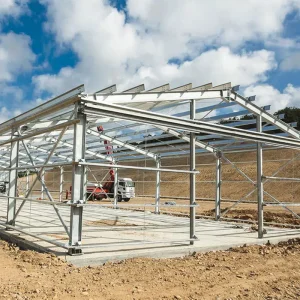
Where crane access and space are limited, we supply pre-engineered structural frames that are optimized for crane limits. These components are sequentially delivered and bolted together directly from the transport truck, avoiding on-site storage bottlenecks.
Detailed answers from our lead engineers to clarify structural design, manufacturing tolerances, and quality assurances.
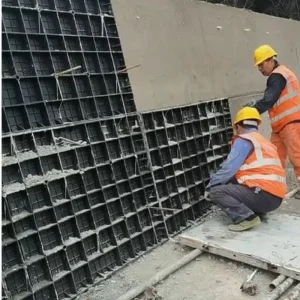
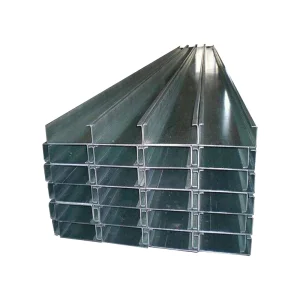
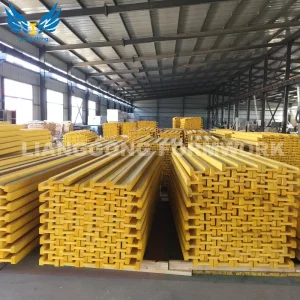
Complete structural solutions from floor trusses to composite beam assemblies and temporary concrete formwork.