Bildon Steel
Bildon Steel
Bildon Steel
Explore our premium selection of heavy industrial components, engineered warehouses, and high-tensile frame solutions designed for long-span durability.
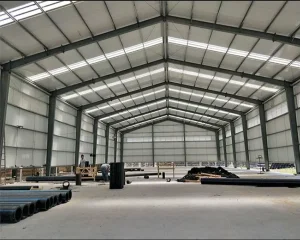
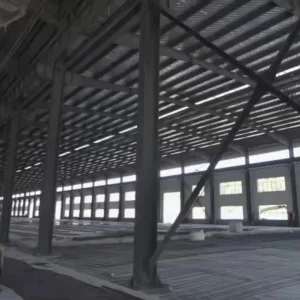
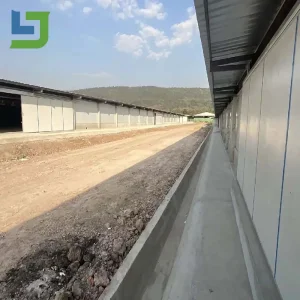
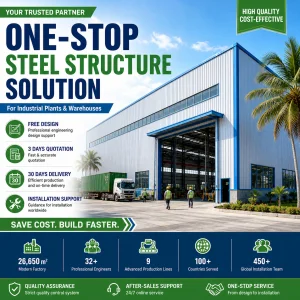
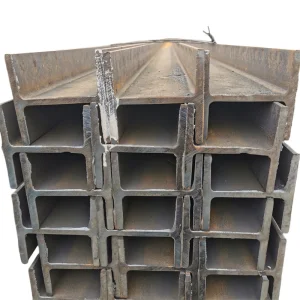
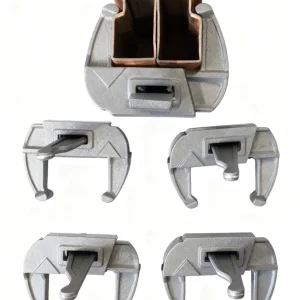
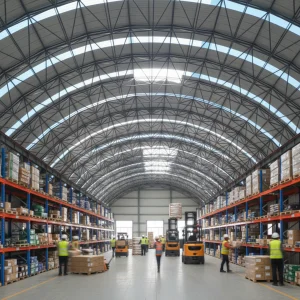
As a leading integrated service provider in the structural steel industry, Shandong Bildon Steel Co., Ltd. specializes in the entire lifecycle of industrial and commercial architectural construction. Our capabilities span from conceptual design and CAD engineering to heavy structural fabrication, high-precision sheet metal bending, and comprehensive on-site installation coordination.
Operating with independent import and export rights, we facilitate streamlined customs clearance, logistical routing, and structural verification for clients in North America, the EU, Africa, and Southeast Asia. Our manufacturing bases rely on premium raw material sourcing combined with automated processing to yield unmatched structural integrity and dimensional consistency.
Our commitment to quality assurance is validated by our strict compliance with internationally recognized management credentials, including the ISO9001 Quality Management System, ISO14001 Environmental Management System, and ISO45001 Occupational Health and Safety Management System.
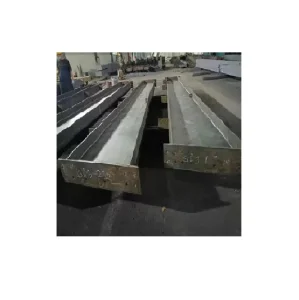
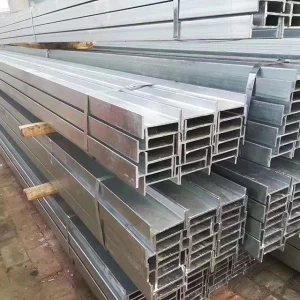
Furthermore, Bildon Steel maintains an independent Non-Destructive Testing (NDT) division. Using ultrasonic, magnetic particle, and radiographic methodologies, our engineers ensure every welded seam, H-beam, and box column meets or exceeds the code requirements of AISC, Eurocode, and GB standards before leaving the factory floor.
The global construction industry is undergoing a paradigm shift. Traditional concrete-centric designs are rapidly giving way to high-performance, prefabricated structural steel frameworks. This transition is driven by three macro-economic catalysts: the demand for reduced construction cycles, strict municipal mandates for recyclable and low-carbon footprint building materials, and the rapid expansion of modern logistics, e-commerce, and high-tech manufacturing corridors that require colossal span clearances without interior column obstructions.
In this global landscape, China stands as the powerhouse of steel components exportation. Modern Chinese fabrication facilities have transitioned from low-cost, high-volume production to highly customized, technically demanding engineering solutions. Manufacturers like Shandong Bildon Steel leverage direct vertical supply chains, accessing high-grade metallurgical outputs (such as Q355B, Q460, and ASTM A992) and subjecting them to automated thermal processing, computerized submerged arc welding (SAW), and sophisticated corrosion-protection techniques to serve demanding projects worldwide.
Whether it is the seismically active Pacific Rim, the corrosive offshore wind zones of Northern Europe, or the high-temperature desert microclimates of the Middle East, structural steel components must exhibit precise metallurgical properties. High-quality steel parts minimize site alterations, lower load-bearing foundation costs, and provide structural resilience capable of withstanding dynamic lateral wind loads and high-intensity seismic vibrations.
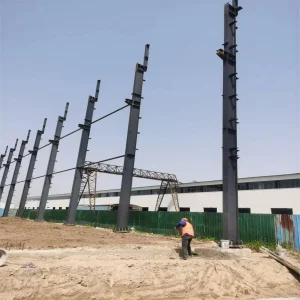
1. Heavy-Duty Manufacturing & Process Plants: Industrial facilities processing heavy machinery require structural frameworks capable of bearing immense static and dynamic loads. Our custom heavy-duty H-beams and integrated box columns are engineered to support high-capacity overhead traveling cranes, dynamic vibrating floors, and massive piping racks, ensuring structural stability under high-stress factory conditions.
2. Bio-Secure Agricultural Complexes: Commercial poultry houses and agricultural facilities present highly corrosive, high-humidity environments rich in ammonia and chemical sanitation agents. To address this, we design pre-engineered light steel frames featuring hot-dip galvanized finishes and specialized anti-corrosive multi-layer coatings, which prevent structural degradation and extend building lifespans past 30 years.
3. Cold-Chain & Food Grade Storage: Food factories and cold-storage facilities demand sterile, highly insulated environments with zero thermal bridging. Our structural warehouse solutions combine high-precision structural steel skeletal frames with double-sided polyurethane (PU) or rockwool sandwich panel cladding systems, delivering optimal insulation, clean-room compatibility, and rapid assembly timelines.
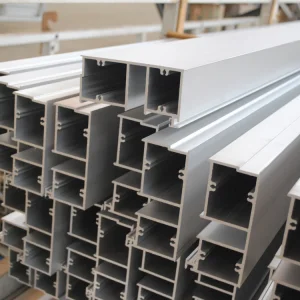
4. High-End Commercial Enclosures: Urban commercial structures demand high aesthetic and structural performance. By combining structural steel columns with unitized aluminum profile glass curtain walls, we supply developers with integrated structural-façade systems that optimize load distribution, improve daylighting, and expedite building envelope completion.
An inside look at our specialized manufacturing processes, showcasing how we implement precision machinery to achieve structural tolerances measured in fractions of a millimeter.
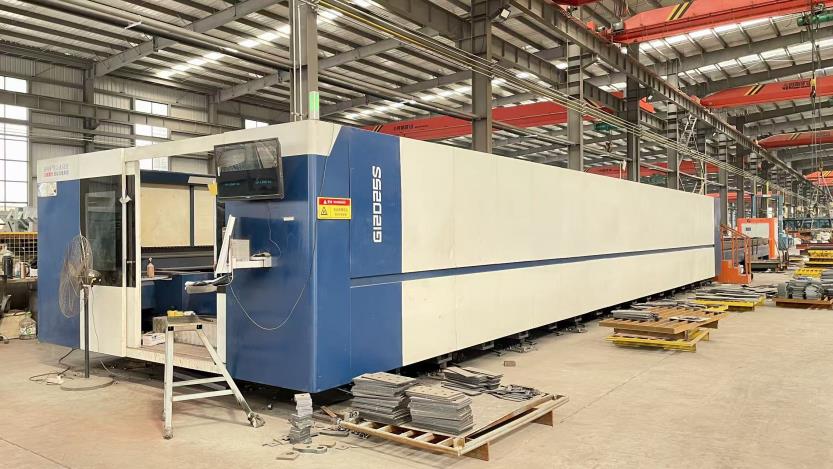
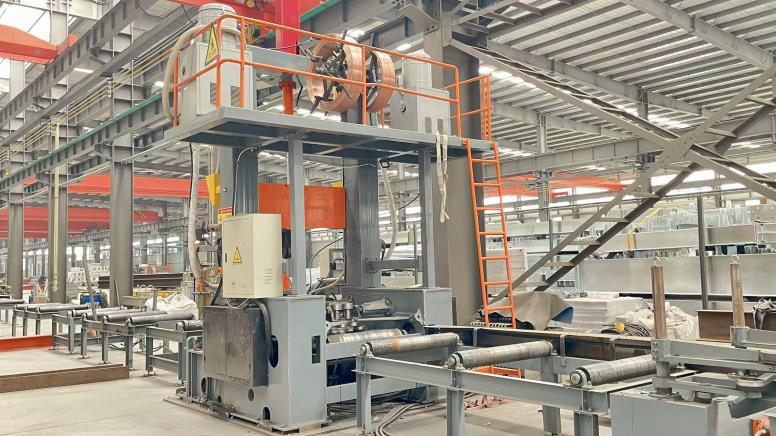
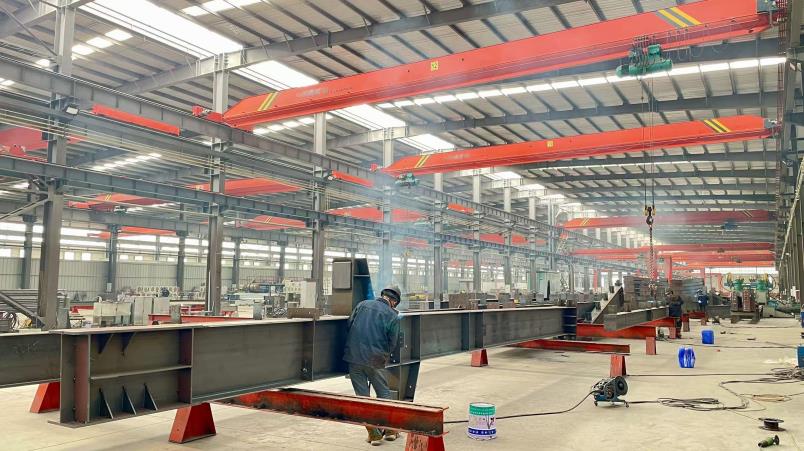
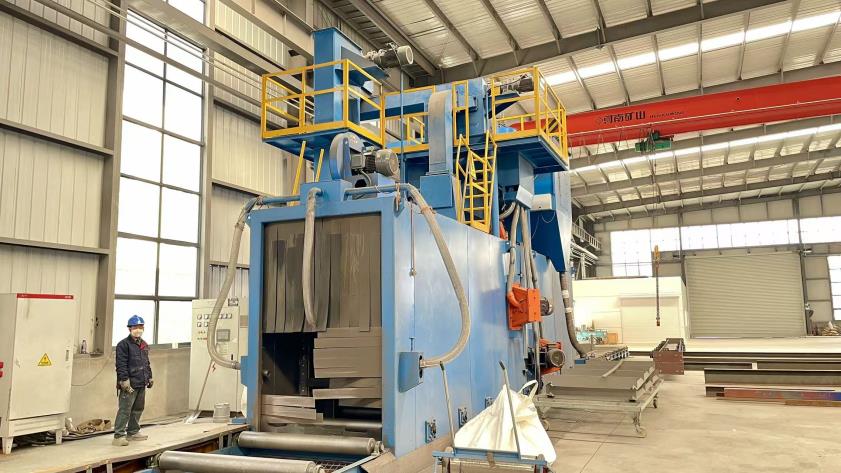
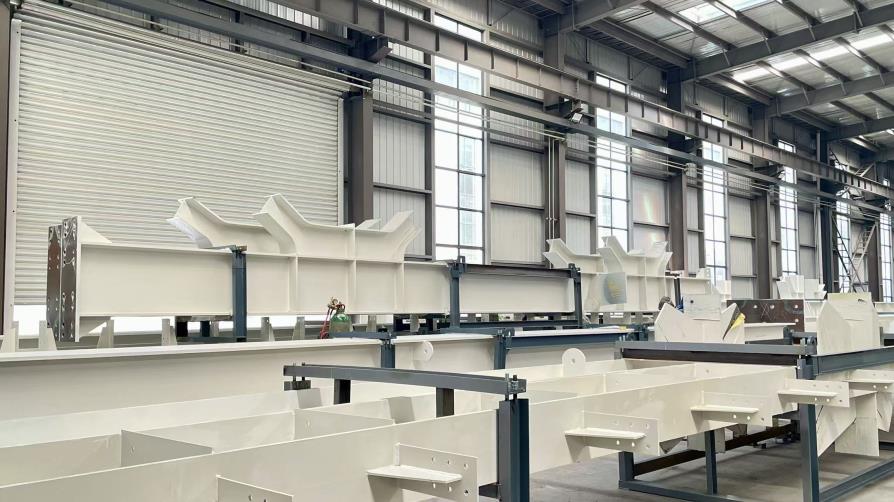
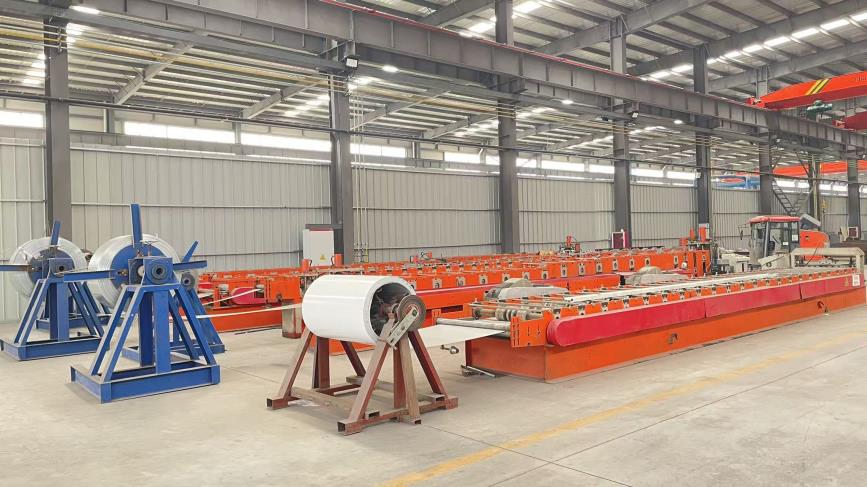
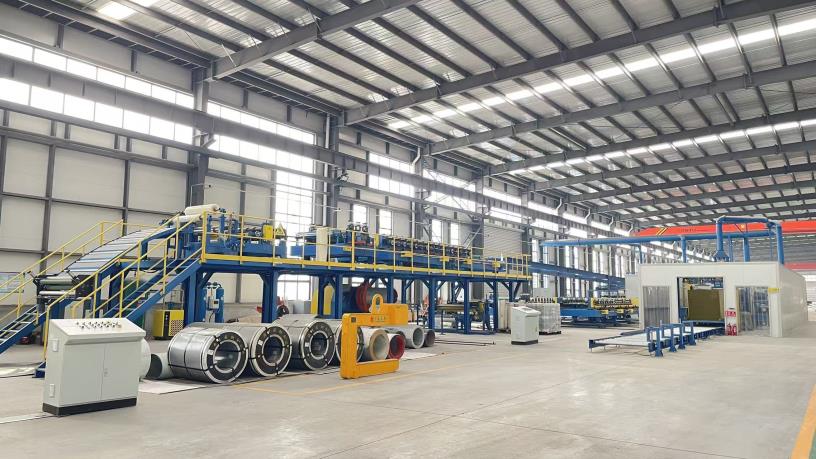
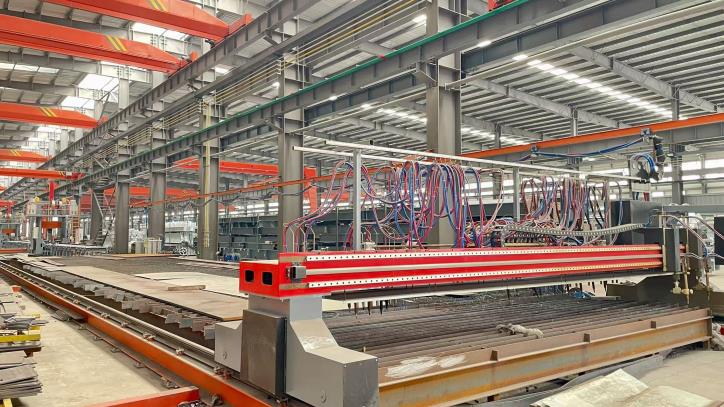
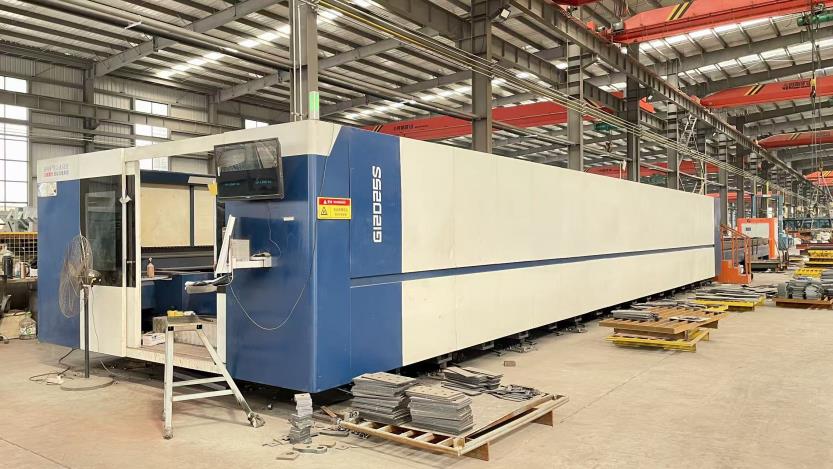
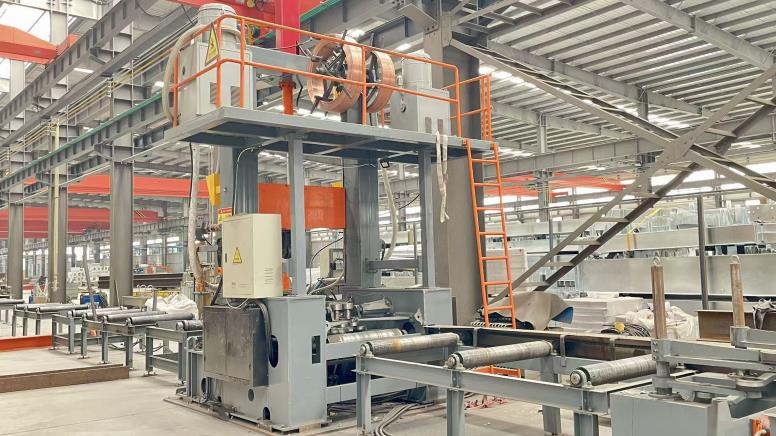
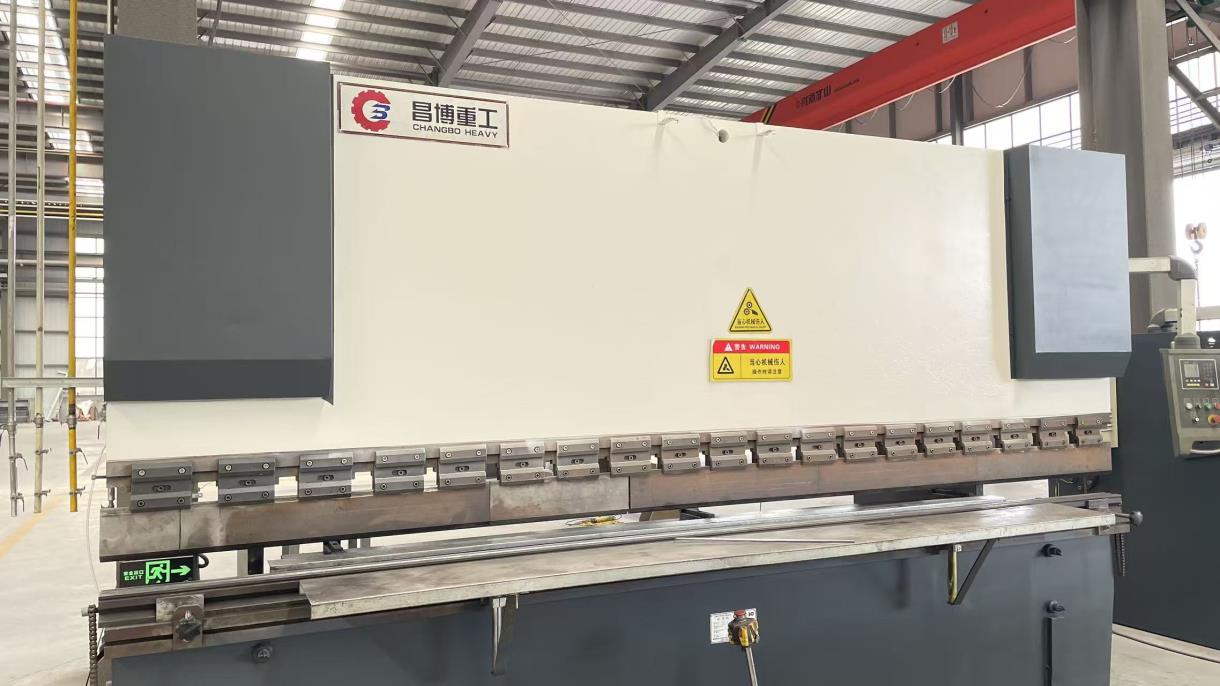
1. Prefabrication and Modular Off-site Assembly: The structural steel industry is moving rapidly toward modular off-site prefabrication. Designing entire building sub-sections—complete with mechanical, electrical, and plumbing runs—allows structural frames to arrive at construction sites ready for rapid bolting. This reduces overall on-site labor requirements by up to 40% and shortens scheduling dependencies, yielding substantial financial savings for project stakeholders.
2. Structural Weight Optimization and High-Strength Steel: Transitioning from traditional low-carbon steel to micro-alloyed, high-strength grades (such as ASTM A572 Grade 50 or Chinese Q355B and Q460) represents a key engineering focus. High-strength steel sections feature high load capacities at lower profile weights, reducing foundations cost, shipping weights, and overall crane ratings required during construction.
3. AI and Digital Integration: Integrating 3D Building Information Modeling (BIM) via software platforms like Tekla Structures with computerized shop-floor manufacturing systems ensures precise data flow. Standard CAD designs convert directly into machine instructions for automated CNC drill lines, robotic welding arms, and laser cutters. This integration eliminates manual measurement errors and guarantees component clearances within tight millimeter tolerances.
4. Green Steel & Circular Economy: As environmental regulations tighten, the recyclability of structural steel becomes a major competitive advantage. Steel remains 100% recyclable without loss of performance. Additionally, modern mills utilizing Electric Arc Furnace (EAF) technology reduce greenhouse gas emissions by over 60% compared to traditional blast furnace routes, matching global decarbonization initiatives.
Engineered systems matching strict performance codes across municipal, chemical, and heavy commercial infrastructure projects.
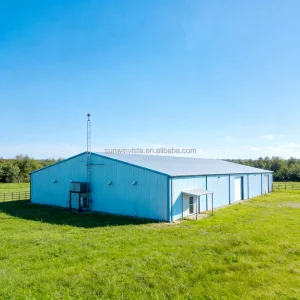
Engineered for overhead cranes, heavy machining bays, and industrial processing. Designed to accommodate high static and dynamic load distributions with flexible structural grid configurations.
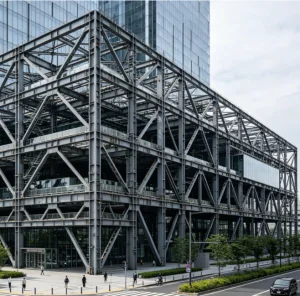
Integrated multi-story steel skeletons featuring fast-erection composite slab systems. Maximizes interior floor plans, limits column footings, and facilitates seamless curtain wall interfaces.
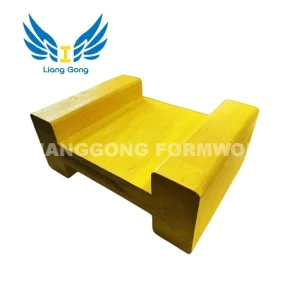
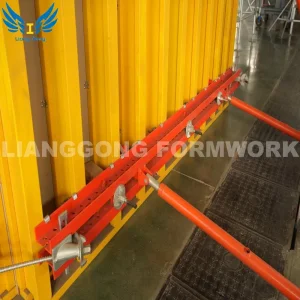
Comprehensive formworks, solid H20 timber beams, and robust beam-clamps ensuring high dimensional accuracy for cast-in-place concrete foundations and core walls.
Direct answers from our engineering division resolving the most common structural specifications and quality assurance questions.
Discover our custom-fabricated steel materials, architectural profiles, and formwork solutions designed for global infrastructure projects.