Bildon Steel
Bildon Steel
Bildon Steel
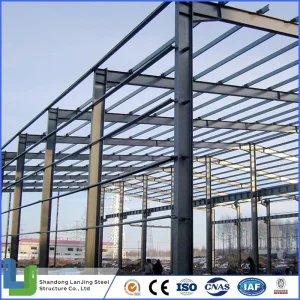
Discover our range of custom engineered steel frames, insulated buildings, and heavy fabrication components designed for demanding commercial applications.
Shandong Bildon Steel Co., Ltd. is a globally established, integrated service provider specializing in the design, engineering fabrication, supply, and installation of complex structural steelwork. We bridge the gap between design conceptualization and physical execution by employing certified structural engineering methodologies to deliver high-tolerance composite steel frames worldwide.
Operating in strict compliance with harmonized international quality matrices, our production infrastructure maintains certified systems for ISO9001:2015 Quality Management, ISO45001:2018 Occupational Health & Safety, and ISO14001:2015 Environmental Management. This ensures that every component—from standard structural members to customized composite decks—is traced from raw metallurgy to site erection.
Equipped with advanced non-destructive testing (NDT) capabilities, our quality assurance division executes internal ultrasonic, magnetic particle, and radiographic examinations to verify weld integrity. Holding independent import and export licenses, we export structural steel solutions to European, American, Middle Eastern, and Asia-Pacific markets with full structural calculations and performance documentation.
We actively drive construction industrialization through Building Information Modeling (BIM), digital twin tracking, and automated intelligent manufacturing lines. This minimizes onsite installation errors and optimizes overall project timelines.
An executive guide on the mechanics, fabrication controls, and regulatory requirements of composite steel systems in modern global infrastructure.
Composite steel-concrete construction represents a major paradigm shift in structural engineering, offering structural efficiency by combining the high tensile capacity of steel with the compressive strength of concrete. By coupling these materials through mechanical shear connectors, the structural member responds monolithically to gravity loads and seismic forces.
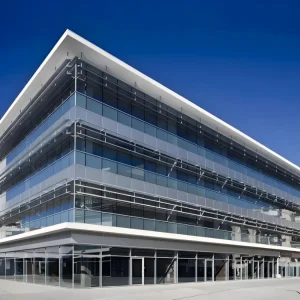
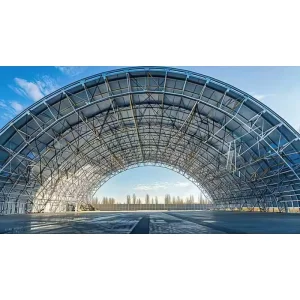
This structural synergy minimizes structural depth, reduces overall building weight, and achieves wide column-free clear spans. For structures such as modern distribution hubs, multi-storey commercial complexes, and heavy industrial workshops, composite steel designs offer significant material savings and faster construction cycles compared to traditional reinforced concrete.
For structural components entering the European Economic Area (EEA), CE marking is a mandatory legal requirement under the Construction Products Regulation (CPR 305/2011). Structural steelwork must conform to EN 1090-1 (Assessment and verification of constancy of performance) and EN 1090-2 (Technical requirements for steel structures).
Under EN 1090-2, structures are classified into Execution Classes (EXC1 through EXC4) based on the consequences of failure and the complexity of the loading (static, fatigue, or seismic):
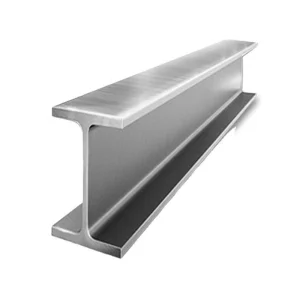
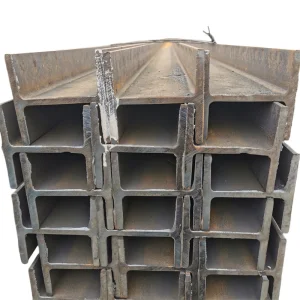
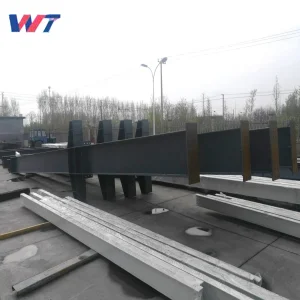
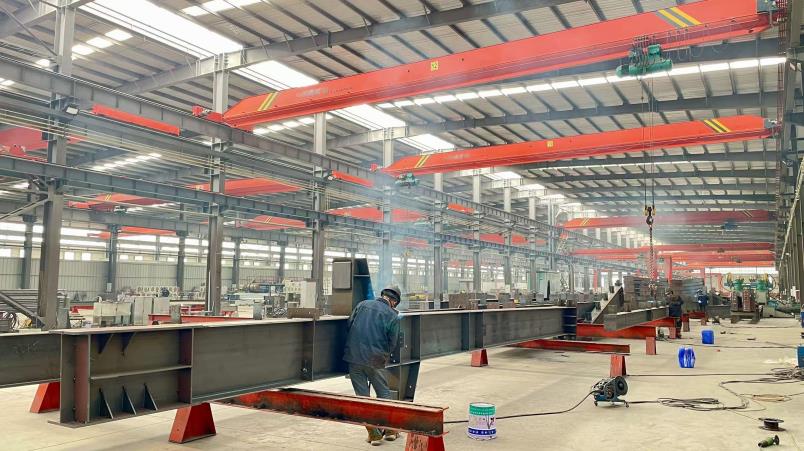
Certified factories must maintain a documented Factory Production Control (FPC) system. This system regulates raw material traceability, welder qualifications (compliant with ISO 9606-1), welding coordination (supervised by an International Welding Coordinator under ISO 14731), and non-destructive testing (NDT) procedures. Our fabrication lines conform to these rigorous criteria, ensuring that products like heavy box columns and H-beams satisfy global market entry demands.
The performance of composite structures relies on the metallurgy of the base metals. In global markets, specifying steel grades like Q235, Q355E, and structural profiles such as HEA550 requires a deep understanding of their chemistry and mechanics:
The industrial and commercial versatility of composite steel designs is demonstrated across several macro sectors:
Integrated crane systems, heavy machinery foundations, and mechanical workshops require high load-bearing capacity. Composite steel systems support long spans and resist cyclic fatigue loads.
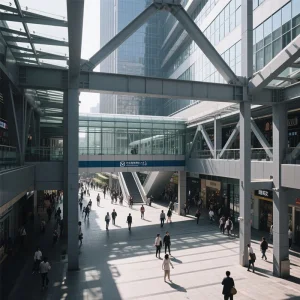
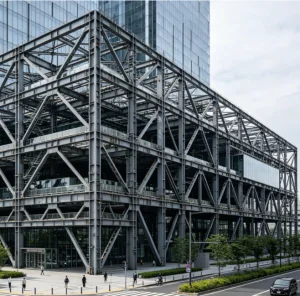
Composite core-walls, concrete-filled steel tubes (CFT), and composite decking systems reduce column dimensions, maximizing floor space and accelerating construction speed.
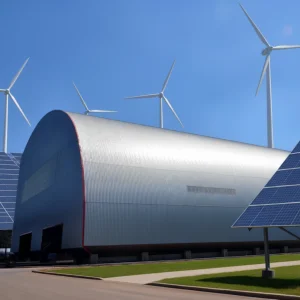
From nuclear power facilities to offshore wind platforms and solar photovoltaic arrays, our structural fabrications meet the strict environmental and mechanical requirements of modern energy projects.
The structural steel industry is transitioning toward digital automation and sustainability. Our current development roadmap focuses on two main pillars: smart manufacturing and low-carbon production.
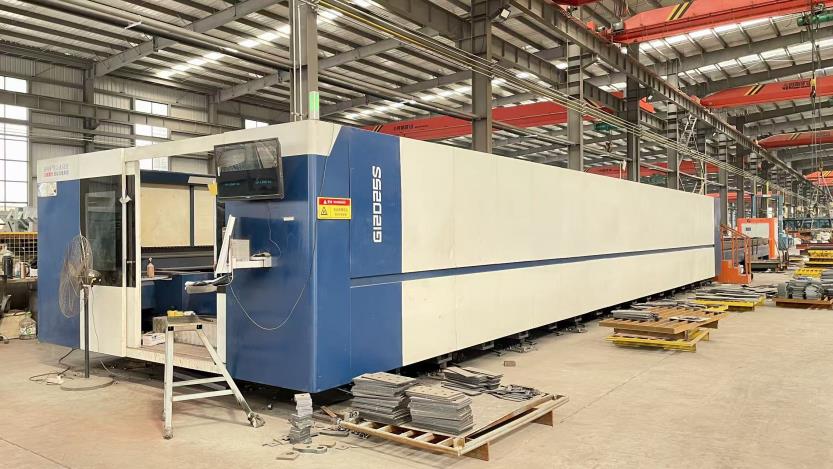
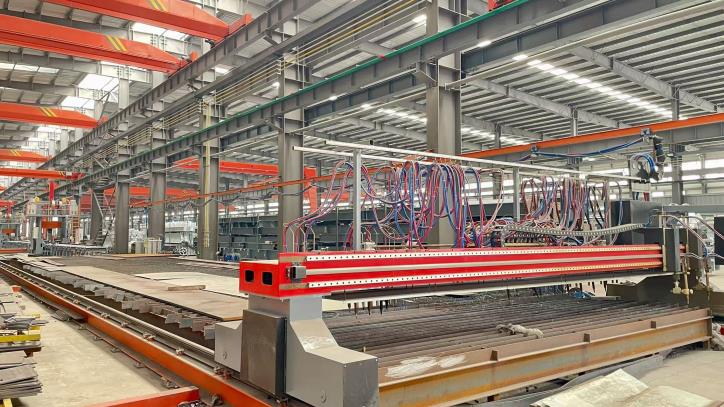
By integrating Building Information Modeling (BIM) with CNC-driven flame and laser cutting machines, we create an automated digital pathway from design drawings to fabrication. This reduces material scrap, eliminates fit-up errors, and optimizes structural tolerances.
Additionally, we are adopting green steel practices, utilizing electric arc furnace (EAF) steel with lower embodied carbon, and applying eco-friendly VOC-compliant coatings (to meet ISO 12944 corrosion category requirements). This ensures our composite structures help projects meet green building standards, such as LEED and BREEAM.
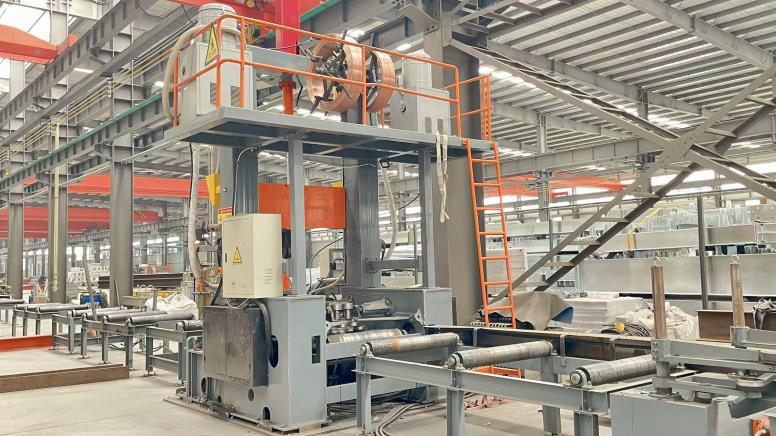
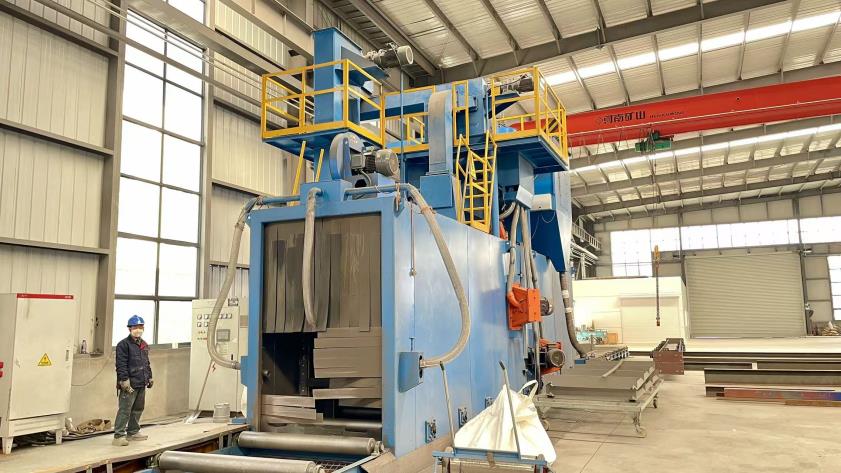
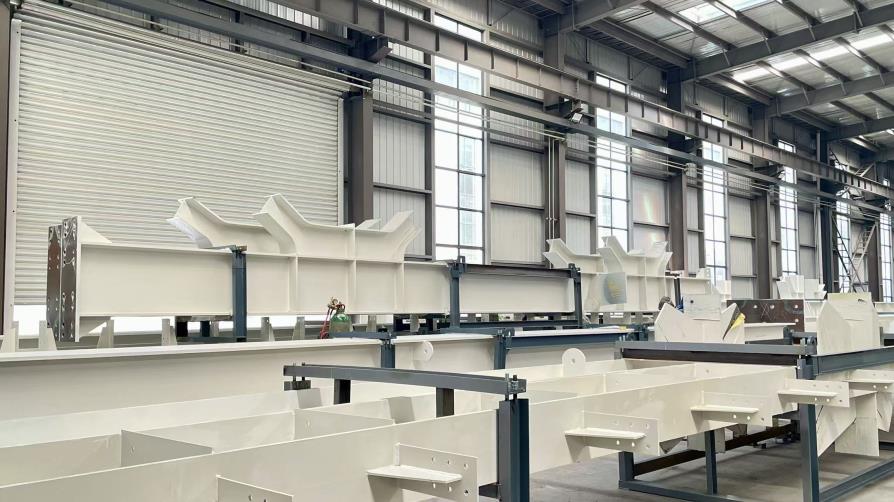
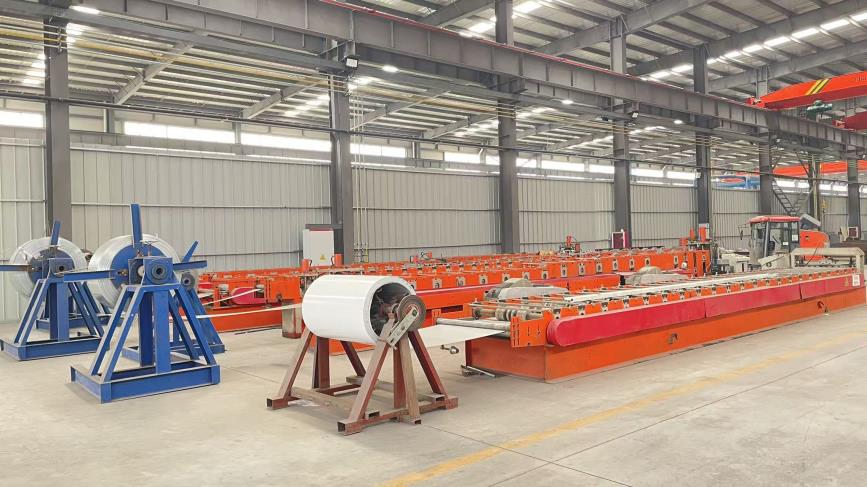
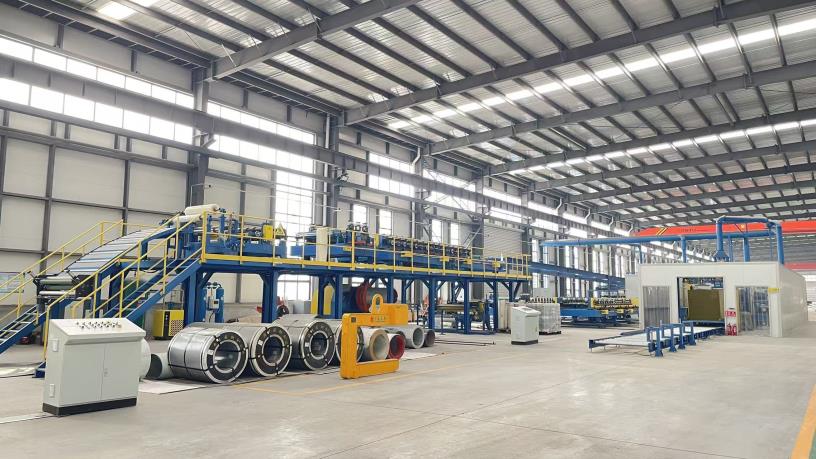
A step-by-step look at our automated processes and specialized machinery, engineered to deliver compliant structural elements.
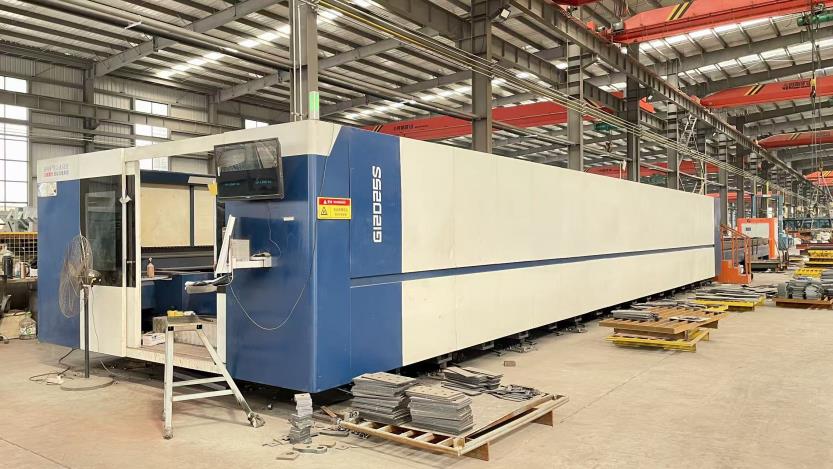
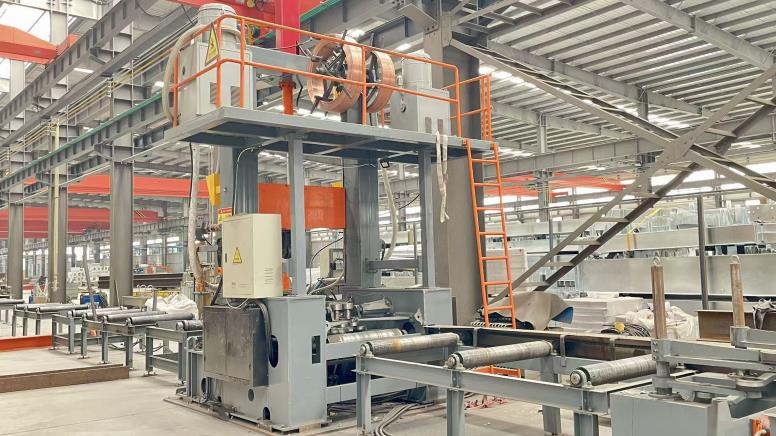
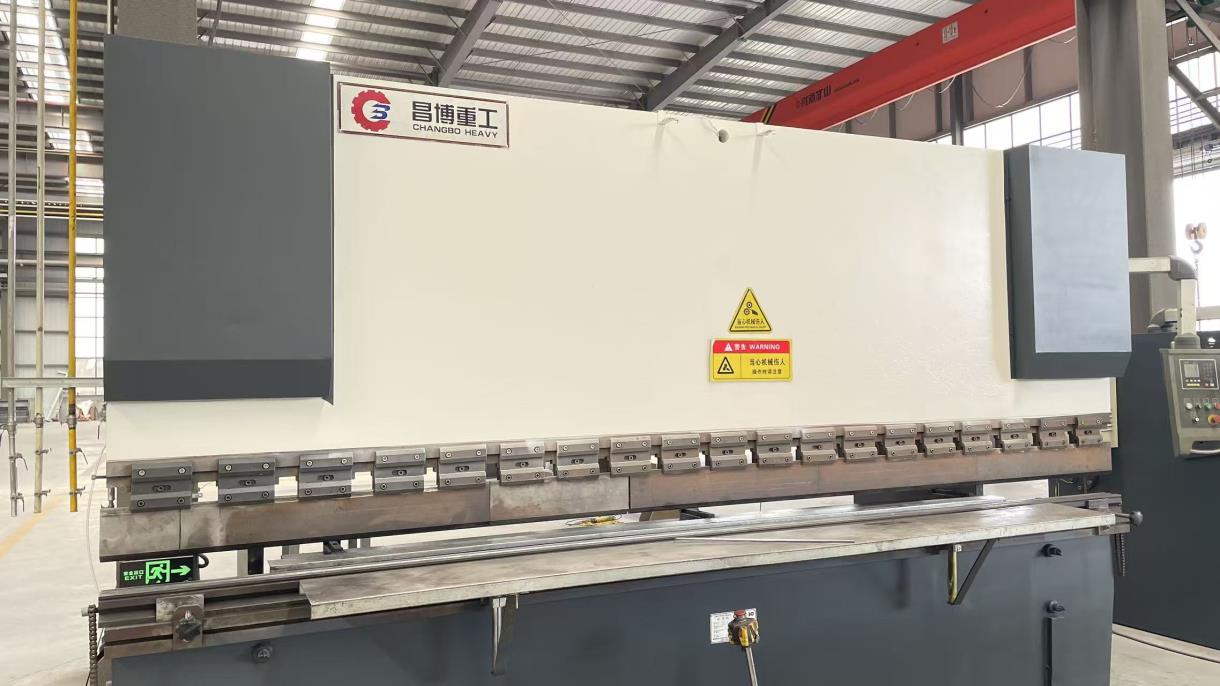
Practical answers regarding engineering standards, quality control, and international project execution.
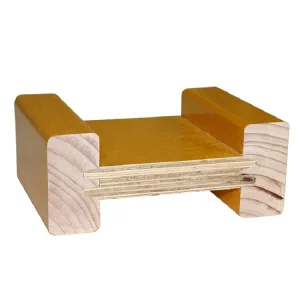
Heavy-duty brackets, multi-storey frames, and engineered timber solutions for high-demand commercial installations.