In the construction industry, time and efficiency are paramount. A growing trend is the use of prefabricated steel components. Experts like Dr. John Richards, a leading figure in construction engineering, emphasize this trend. He once said, "Prefabricated steel components significantly reduce assembly time on-site." But why are prefabricated steel components faster to assemble?
One reason is their precise manufacturing process. These components are built in controlled environments, ensuring consistency and minimizing errors. This means they fit together seamlessly when they arrive at the construction site. However, there can be challenges. For example, if the prefabricated components are not designed to match the site conditions accurately, delays may occur during installation.
Moreover, having fewer on-site workers for assembly reduces the potential for miscommunication. As Dr. Richards notes, this leads to quicker project completions. Yet, it also poses risks if workers are unfamiliar with the specific designs. Overall, understanding "why are prefabricated steel components faster to assemble" encourages a shift in how we approach construction efficiency.
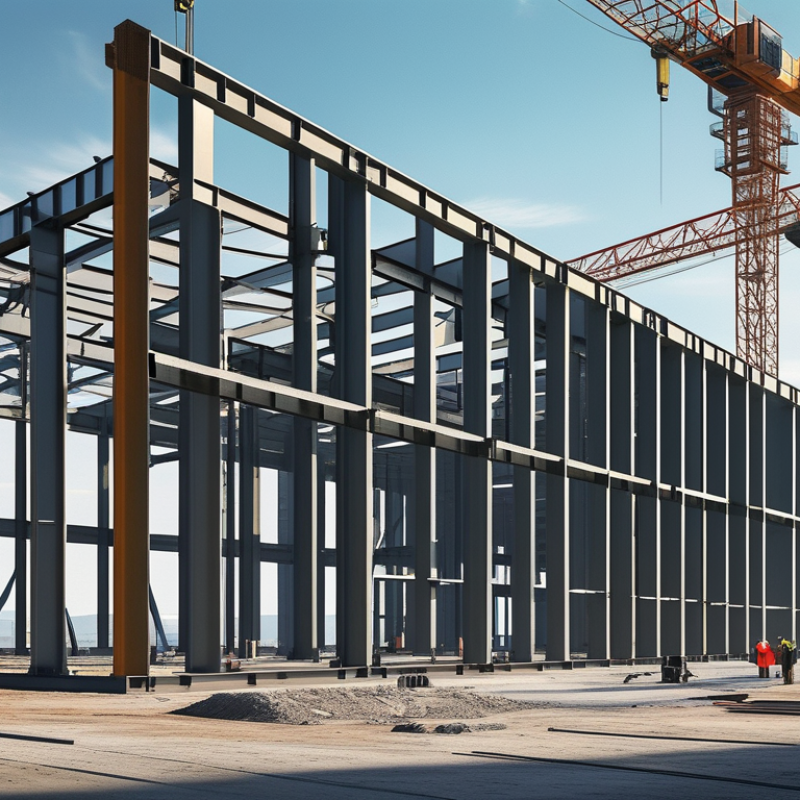
Understanding Prefabricated Steel Components in Construction
Prefabricated steel components are revolutionizing construction methods. These components are manufactured off-site in controlled environments. This process ensures high-quality production while reducing waste. Builders transport these components to the site for assembly. The speed of assembly is striking when compared to traditional methods.
Using prefabricated steel components can significantly shorten project timelines. Workers can focus on putting pieces together rather than creating them from scratch. This approach can also minimize the need for extensive on-site labor. However, it does require skilled workers to ensure precise assembly. If misalignment occurs, it can lead to costly redesigns.
The reliability of prefabricated components lies in their standardized manufacturing. Consistency is crucial in construction, and these parts often meet strict industry regulations. However, using prefabricated elements may limit architectural creativity. Designers may feel constrained by pre-made options. It's a balance between efficiency and flexibility in design.
Benefits of Prefabrication in Construction Speed and Efficiency
Prefabricated steel components are revolutionizing the construction industry. They are designed and manufactured off-site, leading to improved assembly speeds and efficiency. Reports indicate that using prefabricated elements can reduce construction time by up to 50%. This is crucial, especially in tight project timelines. Labor costs often decrease as a result.
The precision in manufacturing enhances quality control. Several studies show that prefabricated methods can yield a 30% reduction in onsite waste. Each component is made to exact specifications, minimizing the need for adjustments during assembly. However, some projects may still face challenges with logistics and transport. Getting prefabricated components to the site can sometimes complicate scheduling.
Installation of prefabricated components can be rapid, often requiring fewer workers. An industry survey highlighted that projects utilizing prefabricated systems reported labor efficiency gains of 20-30%. On the downside, reliance on prefabrication may limit design flexibility. Custom modifications can be challenging once components are produced. Overall, prefabrication stands as a strong contender for enhancing construction efficiency, but it is not without its difficulties.
Assembly Process of Prefabricated Steel Components Explained
The assembly process of prefabricated steel components is notable for its efficiency. Unlike traditional methods, prefabricated systems are manufactured off-site. This can lead to a 30-50% reduction in construction time, according to recent studies. The components are made in controlled environments, minimizing site delays due to weather or logistical issues. This not only speeds up the assembly but enhances quality control.
The process is systematic. Pre-cut and pre-drilled parts arrive ready for installation. This reduces the need for heavy machinery on-site, lowering labor costs. The simplicity of assembly can lead to fewer errors, as workers follow detailed instructions or templates. However, ensuring precision during the manufacturing phase is crucial. Small discrepancies can cause significant delays during assembly.
Tips: Always ensure thorough planning. Even minor mistakes in measurements can ripple through the installation. It’s also wise to review the assembly layout before the components arrive. Being meticulous in the early stages saves time later. Finally, embracing technology for tracking progress can help identify potential bottlenecks.
Factors Affecting the Speed of Prefabricated Steel Assembly
The speed of prefabricated steel assembly relies on several key factors. First, the precision in manufacturing these components plays a significant role. When steel parts are prefabricated in controlled environments, they are made with exact measurements. This results in a seamless fit during assembly. The accuracy minimizes gaps and misalignments, which often slow down traditional construction methods.
Another important factor is the modular design of prefabricated components. By grouping multiple functions into single elements, construction teams can assemble larger sections quickly. This approach reduces the number of individual pieces that need to be installed on-site. As a result, fewer labor hours are required, increasing overall efficiency.
Weather conditions can also influence assembly speeds. While prefabricated components can be assembled rapidly, poor weather may delay outdoor work. Moreover, reliance on skilled labor is a double-edged sword. A highly skilled team can increase speed, but a shortage of workers can hinder progress. Projects may face unexpected delays, reflecting the need for flexibility in planning.
Why Are Prefabricated Steel Components Faster to Assemble? - Factors Affecting the Speed of Prefabricated Steel Assembly
| Factor |
Description |
Impact on Assembly Speed |
| Pre-assembly |
Components are partially assembled in a factory setting before being transported to the site. |
Reduces on-site labor and time spent on assembly. |
| Standardization |
Components are manufactured to meet standardized designs and specifications. |
Eases the assembly process and minimizes errors. |
| Quality Control |
Strict quality checks during manufacturing ensure components fit correctly. |
Decreases rework and assembly time. |
| Use of Technology |
Advanced machinery and software streamline the manufacturing process. |
Increases production efficiency and accuracy. |
| Logistical Efficiency |
Optimized transportation and handling of components to the site. |
Facilitates quicker assembly times on-site. |
| Skilled Labor |
Workers are trained specifically in the assembly of prefabricated elements. |
Enhances efficiency and reduces assembly time. |
Comparative Analysis: Prefabricated vs. Traditional Construction Methods
Prefabricated steel components have transformed construction timelines. These components can be assembled more quickly than traditional methods. Prefabrication involves manufacturing sections off-site and transporting them, saving time on-site.
In traditional construction, materials often get delivered in stages. Workers must wait for specific deliveries and ideal weather conditions. The process can be plagued by delays and requires careful coordination. However, prefabricated methods allow for parallel work processes. While one team assembles, another can prepare the site, maximizing efficiency.
**Tips:** Ensure precise measurements in prefabricated designs. Any error can cause significant delays. Always train your team on assembling these components to minimize mistakes. With the right practices, you can avoid the pitfalls that come with this faster method.
Safety remains a concern. Even though prefabricated methods speed up construction, careful planning is essential. Review your assembly protocol often. Learn from past projects for continual improvement. Effective communication with all involved teams ensures smoother operations.
Conclusion
Prefabricated steel components are revolutionizing the construction industry due to their inherent advantages in speed and efficiency. The article explores "why are prefabricated steel components faster to assemble" by examining their design and manufacturing processes, which allow for quicker onsite assembly compared to traditional methods. These components are manufactured in controlled environments, reducing onsite construction time and minimizing delays caused by weather or labor issues.
Moreover, the assembly process for these components is streamlined, as they often come with pre-drilled holes and pre-fabricated connections that simplify the construction phase. Factors such as modular design and advanced logistics also significantly enhance assembly speed. A comparative analysis highlights the clear advantages of prefabricated steel components over conventional construction methods, demonstrating that not only do they expedite project timelines, but they also improve overall project efficiency.
 Bildon Steel
