When constructing buildings, understanding steel framework is crucial. One key aspect is knowing what are the connection methods for steel columns and beams. These methods ensure the integrity and safety of the structure. Engineers often face challenges in selecting the best techniques for their projects.
Connection methods directly influence the overall stability of a structure. Common options include welded connections, bolted connections, and riveted connections. Each method has its own benefits and drawbacks. For instance, welded connections provide strong joints but can be labor-intensive. On the other hand, bolted connections allow for quicker assembly but may not always offer the same strength.
Recognizing the right connection method can be complex. Factors like load requirements and site conditions play a role. Engineers must also consider cost and time constraints, which can lead to tough choices. By exploring different methods, professionals can enhance both safety and efficiency in steel construction.
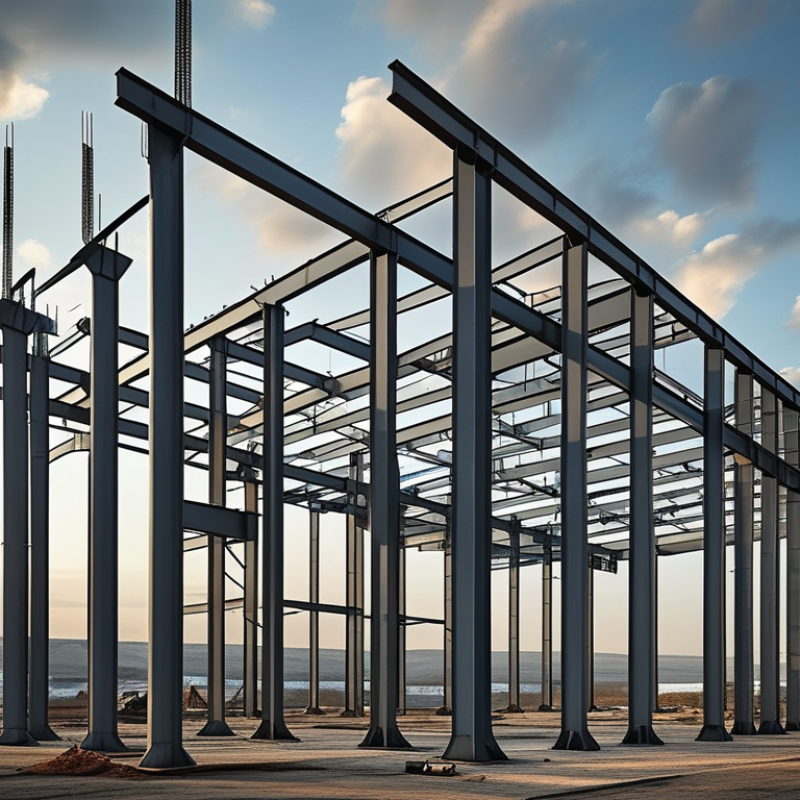
Top 5 Connection Methods for Steel Columns and Beams
When considering the connection methods for steel columns and beams, various techniques stand out. Among these, welded connections, bolted connections, and riveted connections are historically common. Each method has unique benefits and drawbacks, influencing their adoption in construction.
Welded connections provide high strength and a smooth finish, often preferred for their ability to maintain aesthetic lines in structures. According to a 2022 industry report, over 60% of modern buildings use welded connections due to their durability. However, their reliance on skilled welders can lead to variability in quality. Misalignment during welding often jeopardizes structural integrity.
On the other hand, bolted connections offer flexibility. They can be assembled and disassembled easily, suitable for modular construction. Data indicates that about 30% of projects now incorporate bolted connections to adapt to evolving engineering demands. Riveted connections, while largely phased out, still find some application in retrofitting older buildings. The perception of rivets as less reliable persists, leading to debates on their viability. Each connection method requires careful evaluation of its pros and cons tailored to specific project needs.
Understanding the Importance of Connection Methods in Structural Design
Connection methods for steel columns and beams play a crucial role in structural design. They not only influence the stability of a structure but also impact overall performance. Understanding the types of connections helps engineers optimize designs. Common methods include welds, bolts, and rivets, each with unique advantages. Selecting the right method can lead to enhanced load distribution and reduced stress concentrations.
[图片]
Attention to detail is vital. Poor connections can lead to structural failures. Engineers must assess the materials, environmental conditions, and load requirements. Consideration of these factors helps in choosing the most effective connection method. Accurate calculations ensure a building's safety and longevity.
[图片]
Engaging in thorough research is essential. New techniques and materials emerge frequently. Staying updated allows engineers to innovate, improving structural integrity. Regular reviews can identify potential issues early, mitigating risks. Always remember to evaluate the durability of connections over time. Adaptation may be necessary to maintain structural performance throughout its lifespan.
Overview of Connection Types: Bolted, Welded, and Riveted Connections
In structural engineering, connections are vital for ensuring the integrity of steel columns and beams. Understanding the main types of connections—bolted, welded, and riveted—forms the foundation for effective design. Bolted connections offer flexibility and ease of assembly, making them popular in many structures. They allow for quick adjustments on-site but can be susceptible to loosening if not properly maintained.
Welded connections provide a seamless and strong joint. They enhance load distribution across beams and columns. However, welding requires skilled labor and meticulous execution. It can also be challenging to inspect, as defects may remain hidden. This potential for unseen issues highlights the importance of thorough quality control during the welding process.
Riveted connections, while less common today, still play a role in accurate historic restorations. They offer a unique aesthetic and are often found in older structures. However, the manual process of riveting is time-consuming and requires adept workmanship. It’s important to weigh the benefits and disadvantages of each method during the design phase.
When choosing a connection type, consider factors like load requirements and labor availability. Maintenance should also be a key consideration. Regular inspections can prevent costly repairs. Each connection type has its advantages and constraints; understanding these intricacies enables better decision-making. Reflect on the long-term effects of each choice to ensure lasting structural excellence.
Comparative Analysis of Connection Strength and Load-Bearing Capacity
When it comes to the connection of steel columns and beams, understanding strength and load-bearing capacity is crucial. A comparative analysis indicates that welded connections often outperform bolted connections in terms of load-bearing capacity. According to a report by the American Institute of Steel Construction, welded joints can carry 15-30% more load compared to equivalent bolted joints when properly designed. This strength mainly comes from the continuous nature of the weld, distributing stress more effectively across the connected elements.
However, bolted connections offer some advantages, particularly in construction speed and ease of inspection. The same report highlights that bolted connections can allow for quicker assembly, reducing labor costs on projects. It's important to note that while bolted connections are generally easier to install, they may face challenges like bolt slip and fatigue under cyclic loading. Evaluating these weaknesses is essential for project designs, as some structures may require higher robustness.
In addition, hybrid connections—comprising both welds and bolts—are gaining popularity. They can optimize the benefits of both methods while mitigating individual weaknesses. Nonetheless, determining the right method depends on specific project needs, budget constraints, and engineering standards. Ultimately, a thorough understanding of these connection methods will lead to safer and more efficient construction projects.
Industry Standards and Best Practices for Steel Column and Beam Connections
When connecting steel columns and beams, adherence to industry standards is crucial. These connections bear significant loads. Proper installation affects structural integrity. It's essential to select the right connection method. Common options include welded, bolted, and riveted connections. Each method has unique advantages and considerations.
Designing connections requires careful thought. Not all connections are suitable for every project. For instance,
bolted connections may simplify assembly but can lead to issues under heavy loads. Ensure that the chosen method aligns with project requirements. Consulting the latest building codes is vital in this process.
Consider the environment. Factors like corrosion and temperature fluctuations can impact connection performance. Address these with appropriate materials and protective coatings. Keep in mind that even minor mistakes can lead to costly repairs. Regular inspections help maintain safety and performance.
Pay close attention to connection details. Properly sized bolts or welds are necessary for stability. Gaps and misalignments can compromise strength and durability. Invest time in planning and execution. The reliability of a structure often hinges on these seemingly small decisions.
Future Trends in Steel Connections: Innovations and Technological Advances
In recent years, innovations in steel connections have emerged as a critical area for construction efficiency. The introduction of smart connection systems utilizes sensors to monitor stress and strain dynamically. This technology allows for real-time data collection, which can enhance the integrity of structures. However, the integration requires higher initial costs and specialized knowledge, posing challenges for many construction firms.
Another significant advancement is the development of precast connections. These systems enable quicker assembly on-site, reducing labor costs and construction time. While they promise efficiency, the precision required in fabrication poses a risk if not executed correctly. Mistakes in measurements can lead to costly rework, necessitating meticulous planning and quality checks.
The trend toward sustainable materials also influences steel connections. Researchers are exploring eco-friendly alternatives, such as recycled steel and innovative bonding agents that minimize environmental impact. Yet, the longevity and performance of such materials remain questions for future research. As the industry evolves, balancing cost, efficiency, and sustainability will be essential in shaping the structural landscape.
FAQS
: Welded connections usually support 15-30% more load due to their continuous nature.
Bolted connections can suffer from issues like bolt slip and fatigue under cyclic loading.
Hybrid connections combine welds and bolts, balancing the advantages of both methods while reducing weaknesses.
Bolted connections typically allow quicker assembly, leading to reduced labor costs on projects.
Project requirements, budget constraints, and engineering standards influence the choice of connection methods.
Corrosion and temperature fluctuations can impact how well connections perform over time.
Proper installation ensures the structural integrity of the connections, which bear significant loads.
Even small errors can lead to costly repairs and safety issues for a structure.
Inspections help maintain safety and performance, identifying potential problems before they escalate.
Invest time in choosing the right sizes for bolts or welds to ensure stability and durability.
Conclusion
The article "Top 5 Connection Methods for Steel Columns and Beams" delves into the crucial role that connection methods play in structural design. Understanding what are the connection methods for steel columns and beams is essential for ensuring the integrity and stability of structures. The article outlines three primary types of connections: bolted, welded, and riveted, providing insights into their respective strengths and load-bearing capacities.
A comparative analysis highlights the importance of selecting the appropriate connection method based on the specific requirements of a project. Furthermore, the article discusses industry standards and best practices that are vital for achieving safe and reliable steel connections. Looking ahead, it also explores future trends, focusing on innovations and technological advancements that are shaping the landscape of steel construction.
 Bildon Steel
