Steel buildings are recognized for their strength and durability. However, one often overlooked aspect is the use of expansion joints. Why do steel buildings need expansion joints? These components play a critical role in managing structural stress caused by temperature fluctuations. According to a report by the American Institute of Steel Construction, thermal expansion can cause significant distortions in steel structures, potentially leading to costly repairs.
In many regions, the temperature can vary drastically. For example, areas with wide temperature swings report a higher incidence of structural damage. The incorporation of expansion joints can mitigate these risks, allowing for the necessary movement without compromising the integrity of the building. A study from the National Institute of Standards and Technology highlights that buildings without appropriate expansion joints can experience up to 50% more movement-related issues over time.
Attention to these details is often lacking in design considerations. Some engineers overlook the importance of properly placed expansion joints, leading to future complications. Neglecting this aspect can result in cracking, misalignment, and even structural failure. Understanding why do steel buildings need expansion joints is essential for enhancing long-term durability and reducing maintenance costs.
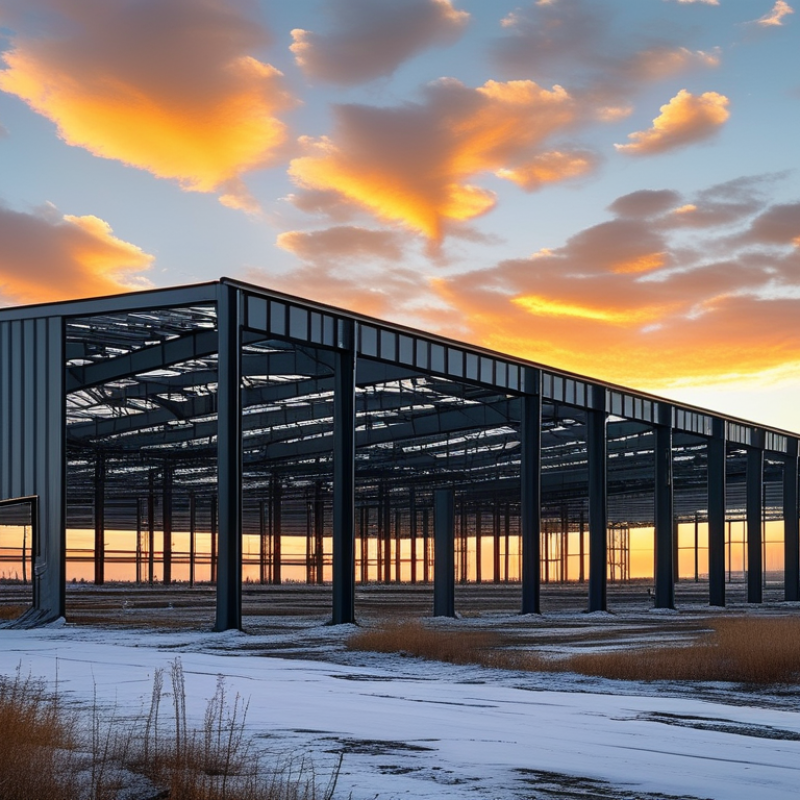
Understanding Expansion Joints in Steel Buildings
Understanding expansion joints in steel buildings is crucial for ensuring durability. These joints allow for movement caused by temperature changes, wind loads, and building settling. Without proper expansion joints, the structure may suffer from stress accumulation. This could lead to cracking and structural damage over time.
Steel structures expand and contract as temperatures fluctuate. This natural process can create internal pressures if not managed carefully. Expansion joints accommodate these changes. They help connect various sections of the building while allowing for movement. Properly installed joints can enhance the lifespan of a steel building, but they require careful planning and engineering expertise.
It's important to recognize that not all expansion joints are designed equally. Some might not perform well under specific conditions. This could lead to costly repairs in the future. Regular inspections and maintenance of expansion joints are essential. They help prevent issues that may arise from inadequate installation or wear over time. Understanding the nuances of these joints is key to maintaining a durable and resilient steel structure.
The Importance of Flexibility in Steel Structures
Flexibility plays a crucial role in the durability of steel structures. Steel is a strong material, but it is not immune to stress and temperature changes. As temperatures fluctuate, steel expands and contracts. This movement can lead to cracks and structural failures if not managed properly. Expansion joints are vital for allowing this movement without damaging the overall integrity of the structure.
Building design must consider the dynamic environment steel structures face. Weather changes, seismic activity, and wind load can all cause stress. Without proper flexibility, these stresses accumulate over time, leading to costly repairs and potential safety hazards. Expansion joints serve as a buffer, absorbing the movement and distributing it evenly across the structure.
In many cases, engineers may overlook the importance of adequate expansion joints. They might focus solely on aesthetics or overlooked structural details. It’s essential to balance design with functionality. Each joint needs precise calculation and placement to serve its purpose effectively. This careful planning ensures that steel buildings can withstand various stresses, promoting longevity and safety.
Importance of Expansion Joints in Steel Buildings
Common Causes of Structural Movement in Steel Buildings
Steel buildings face various forces that can lead to structural movement. Temperature changes often cause expansion and contraction. For instance, a cold night can shrink steel, while a hot day can expand it. These shifts can stress connections and joints. Over time, stress may lead to cracking or warping.
Moisture also plays a significant role. Humidity can affect the steel structure and cause it to rust. Rusting weakens the metal, making it more prone to shifting. Additionally, the ground beneath the steel building can settle or shift. Soil movement can create uneven pressure on beams and columns. This unevenness can lead to noticeable damage over time.
Ignoring these factors can be a costly mistake. Without proper expansion joints, a building may suffer from chronic issues. These joints allow for movement, absorbing stress and reducing damage. It’s essential to pay attention to the signs of structural movement. Regular inspections can help identify potential problems early. Building maintenance is necessary for long-term durability. Recognizing the need for expansion joints is just one part of ensuring a steel building's longevity.
How Expansion Joints Enhances Durability and Safety
Steel buildings are robust, but they face challenges with thermal expansion and contraction. These fluctuations can lead to stress within the structure. Expansion joints are essential for alleviating that stress. They allow structures to move without compromising their integrity. A report by the American Institute of Steel Construction indicates that buildings without proper expansion joints are prone to cracking and have reduced lifespan.
Properly installed expansion joints significantly enhance durability and safety. They accommodate movements caused by temperature changes, preventing damage. Studies show that structures with expansion joints can last 20% longer than those without. Materials used in joints can absorb shocks, ultimately leading to safer buildings.
Tip: Regular inspections of expansion joints are crucial. They can show signs of wear that require maintenance. Ensure your building complies with established standards to optimize performance. Also, consider the local climate, as it affects the type of expansions joints to employ. Remember, overlooking these details might lead to expensive repairs down the line.
Why Do Steel Buildings Need Expansion Joints for Durability? - How Expansion Joints Enhances Durability and Safety
| Aspect |
Description |
Impact on Durability |
Safety Considerations |
| Thermal Expansion and Contraction |
Steel expands when heated and contracts when cooled. |
Reduces stress on structural components. |
Prevents cracking and structural failures. |
| Seismic Activity |
Buildings in earthquake-prone areas face unique stresses. |
Allows for movement without damaging the structure. |
Enhances building resilience during quakes. |
| Moisture Control |
Expansion joints can manage water infiltration. |
Increases lifespan of materials by preventing corrosion. |
Reduces risk of mold and structural weakening. |
| Maintenance Access |
Joints create accessible points for inspections and repairs. |
Helps in proactive maintenance, enhancing longevity. |
Improves overall safety in maintenance tasks. |
| Aesthetic Design |
Allows for architectural flexibility and creativity. |
Supports modern designs while ensuring integrity. |
Enhances user safety with separated structural elements. |
Maintenance Considerations for Expansion Joints in Steel Construction
Steel buildings require expansion joints to manage thermal expansion and contraction. These joints are crucial for maintaining structural integrity over time. Regular maintenance of expansion joints is essential to prevent costly repairs. According to the American Institute of Steel Construction, failure to maintain these joints can lead to structural issues, jeopardizing the safety of the building.
Tips: Inspect expansion joints semi-annually. Look for signs of wear or misalignment. Early detection can save money.
Proper maintenance involves cleaning the joints and checking for debris. Any cracks or gaps should be repaired promptly. Data from the National Institute of Standards and Technology indicates that 30% of structural failures stem from neglecting expansion joints. This statistic underscores the need for diligence in upkeep.
Tips: Use high-quality sealants to protect joints from water intrusion. Consider the environment—freeze-thaw cycles can exacerbate issues.
Ignoring expansion joint maintenance can lead to more significant structural challenges. The construction industry should prioritize regular inspections to ensure durability. This proactive approach can significantly extend the lifespan of steel buildings.
FAQS
: Flexibility helps manage temperature changes and stress, preventing cracks and structural failures.
Expansion joints allow steel to expand and contract without damaging the structure's integrity.
Neglecting these joints can lead to costly repairs and safety hazards over time.
Inspect expansion joints at least twice a year to detect wear or misalignment early.
Clean the joints and check for any debris, cracks, or gaps regularly.
Ignoring joint upkeep can lead to significant structural challenges and compromise safety.
Neglecting expansion joints contributes to about 30% of structural failures, highlighting maintenance importance.
Freeze-thaw cycles can worsen joint issues; proper materials and maintenance are essential.
High-quality sealants are recommended to protect against water intrusion.
Aesthetic focus can lead to overlooking crucial structural details, affecting building safety.
Conclusion
Steel buildings require expansion joints to accommodate the thermal expansion and contraction that occurs with changing temperatures, which is crucial for maintaining structural integrity. Understanding expansion joints in steel structures enhances their flexibility, allowing them to adapt to movement caused by factors such as temperature fluctuations, seismic activity, and load changes. These joints play a vital role in preventing stress accumulation and cracking, thereby significantly improving the durability and safety of the entire building.
Moreover, maintenance considerations for expansion joints in steel construction are essential to ensure their effectiveness over time. Regular inspections and timely repairs can help mitigate potential issues that arise due to environmental factors, prolonging the lifespan of the structure. In summary, the question of why do steel buildings need expansion joints is answered through a focus on their role in flexibility, durability, and proactive maintenance in steel construction.
 Bildon Steel
