Bildon Steel
When considering the longevity of a prefabricated steel building, a common question arises: "how long does a prefabricated steel building last?" Experts in the field highlight the durability and strength of these structures. For instance, John Smith, a leading engineer in steel construction, states, "A well-designed prefabricated steel building can last over 50 years with proper maintenance."
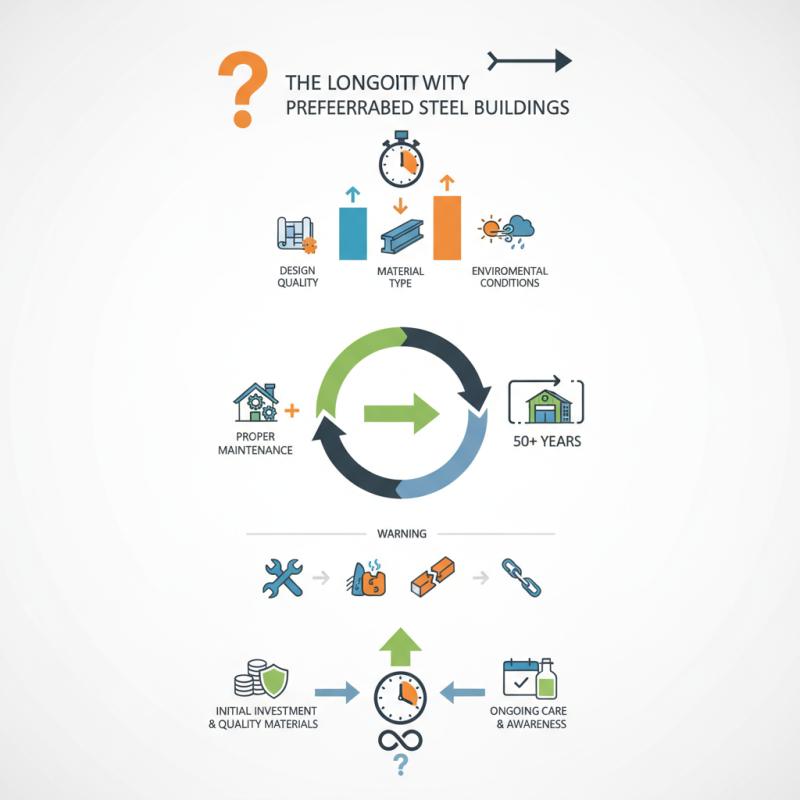
The factors that influence durability include design quality, material type, and environmental conditions. Unlike traditional buildings, prefabricated steel structures are resistant to termites, rot, and extreme weather. However, neglecting maintenance can significantly reduce their lifespan. Ignoring rust or failing to address structural issues early on can lead to costly repairs.
Understanding the lifespan of prefabricated steel buildings is crucial for businesses and homeowners. Investing wisely means choosing quality materials and staying proactive with maintenance. It’s essential to weigh these elements when asking, "how long does a prefabricated steel building last?" After all, longevity is not solely determined by the initial investment but also by ongoing care and awareness.
The lifespan of prefabricated steel buildings can vary significantly. Several key factors influence their longevity. First, the quality of materials used plays a crucial role. According to a report by the Steel Construction Institute, high-grade steel can withstand harsh weather conditions for over 50 years. However, lower-quality alternatives may only last a decade or two.
Maintenance practices are also vital. Regular inspections and timely repairs can enhance durability. A study from the National Institute of Standards and Technology found that neglecting routine maintenance could reduce a structure’s lifespan by up to 30%. Therefore, proactive care is essential in preserving a building's integrity over time.
**Tips:** Choose certified materials to ensure quality. Invest in routine checks to identify wear early. Keep an eye on local environmental factors; humidity and corrosion can significantly affect steel life. Remember, even the best materials require care to reach their maximum potential.
This chart illustrates the estimated lifespan in years of prefabricated steel buildings based on various influencing factors.
Maintaining the durability of prefabricated steel buildings is essential for long-lasting performance.
Regular inspections are vital. Check for signs of rust or corrosion.
These issues can be minor but may lead to bigger problems if ignored.
Addressing these early can save costs.
Proper cleaning is another key practice to prolong a building's life.
Remove dirt, debris, and contaminants from the surfaces.
Using mild detergents and soft brushes can help. Avoid harsh chemicals that might damage the steel.
Tips: Consider seasonal maintenance schedules.
Weather can affect steel integrity. Inspect after harsh storms or heavy snow.
Keep an eye on water drainage systems. Proper drainage helps prevent standing water, which can cause rust.
Also, ensure your building is painted or treated with protective coatings.
A good coating can shield against the elements.
Reapply every few years to maintain effectiveness.
This simple step can make a significant difference in the structure’s longevity.
Consistency in these practices leads to durability.
Implementing these measures necessitates ongoing reflection and adaptation to shifting conditions.
Environmental conditions play a crucial role in determining the longevity of prefabricated steel buildings. Factors like humidity, temperature fluctuations, and exposure to chemicals can significantly impact the durability of the structure. Steel may corrode in humid environments, while extreme temperatures can cause warping or expansion. Regular maintenance is essential to address these potential issues.
Tips: Regularly inspect your steel building for signs of wear or damage. Make sure to treat any rust spots promptly to prevent further corrosion. Understanding your local climate can help you choose suitable protective coatings.
The location of your steel building also matters. Buildings near the coast may face salt corrosion, while those in industrial areas might be affected by chemical exposure. Each environment presents unique challenges that require tailored solutions. Not every steel building performs the same under varying conditions.
Tips: Invest in high-quality protective finishes designed for your specific environment. Consulting with professionals can provide insights into the best practices for your area. Consider installing proper drainage systems to mitigate water accumulation, which can lead to more significant structural issues over time.
Prefabricated steel buildings offer notable advantages over traditional structures. Their assembly is often quicker, saving time for construction projects. These buildings are made in a controlled environment, which can enhance their quality and consistency. Steel's resistance to pests and rot ensures longevity, often exceeding that of wood or concrete. Many users appreciate their durability.
Conversely, traditional buildings often rely on locally sourced materials. This can lead to variability in quality and strength. While brick and wood can offer aesthetic appeal, they may require more maintenance. Homeowners might need to repaint or repair sooner than with steel. The initial costs of traditional methods can be lower, but hidden long-term costs often emerge.
It is essential to weigh the benefits of both options. Preferences might shift based on personal values, such as sustainability or cost. Some might feel a traditional approach embodies natural elements better. Yet, one must reflect on maintenance needs and lifespan. Steel is undeniably resilient, but it is crucial to evaluate local conditions and future needs.
The durability of prefabricated steel buildings can be significantly influenced by various factors. Corrosion is a major concern. According to a report by the National Association of Steel Builders, untreated steel is highly susceptible to rust when exposed to moisture. Regular maintenance, such as applying protective coatings, can extend the life of these structures. Neglecting this can lead to costly repairs and a shorter lifespan.
Another issue is structural fatigue, which arises from constant wear and tear. A study by the American Institute of Steel Construction highlights that steel buildings designed for high traffic or heavy loads need careful monitoring. Over time, joints and connections can weaken. Owners should consider routine inspections to identify potential fatigue before it becomes a major problem.
Environmental factors also play a critical role. Extreme temperatures can affect the integrity of steel. For example, when steel is exposed to repeated thermal cycles, it may expand and contract, leading to stress fractures. The International Association of Structural Engineers suggests monitoring temperature variations in regions with extreme climates. Planning for these stresses is essential for long-term durability. Factors like these emphasize the importance of proactive care and regular assessments in maintaining steel buildings.
| Age Range (Years) | Expected Lifespan (Years) | Common Issues | Maintenance Recommendations |
|---|---|---|---|
| 0 - 10 | 30+ | Corrosion due to moisture, foundation settling | Regular inspections and waterproofing |
| 11 - 20 | 25 - 30 | Rust issues, paint degradation | Repainting, rust treatment |
| 21 - 30 | 20 - 25 | Structural fatigue, anchoring issues | Reinforcement, recalibration of supports |
| 31 - 40 | 15 - 20 | Potential foundational problems | Foundation repair and mold checks |
| 41+ | 10 - 15 | Severe wear and tear, structural compromises | Complete assessment, possible rebuilding |
: Key factors include material quality, maintenance practices, and environmental conditions. Quality materials last longer.
Regular inspections and timely repairs can enhance a building's lifespan. Neglect can reduce it by 30%.
Look for signs of rust or corrosion. Early detection can prevent larger, costly issues.
Use mild detergents and soft brushes. Avoid harsh chemicals to protect the steel surface.
Seasonal maintenance is advisable. Check after harsh weather events or when drains are blocked by debris.
They shield steel from the elements and should be reapplied every few years for maximum effectiveness.
Corrosion and structural fatigue are major concerns. Regularly monitor joints and connections for signs of wear.
Extreme temperatures can cause stress fractures due to expansion and contraction. Awareness of local conditions is crucial.
Ignoring maintenance could lead to costly repairs and greatly shorten the building's lifespan. Consistency is vital.
Proactive care helps address potential issues early, preserving structural integrity and improving longevity.
When considering "how long does a prefabricated steel building last," several factors come into play that can significantly influence its lifespan. These include maintenance practices, which are essential for extending the durability of steel structures, and environmental conditions that can impact how long the building remains structurally sound.
Moreover, a comparison between prefabricated steel buildings and traditional structures reveals that steel boasts advantages such as resistance to pests and lower maintenance needs, but it is not without its challenges. Common issues affecting lifespan include corrosion and inadequate initial design. Understanding these aspects can help stakeholders make informed decisions about investing in and maintaining prefabricated steel buildings for optimal longevity.
