Bildon Steel Bildon Steel

7 Key Differences Between Hot Rolled and Cold Formed Steel?

Time:2026-06-09 Author:Oliver
0%

When exploring steel types, many ask, "what is the difference between hot rolled and cold formed steel?" Understanding this distinction is vital for engineers, builders, and designers. Each type offers unique properties that influence their applications.

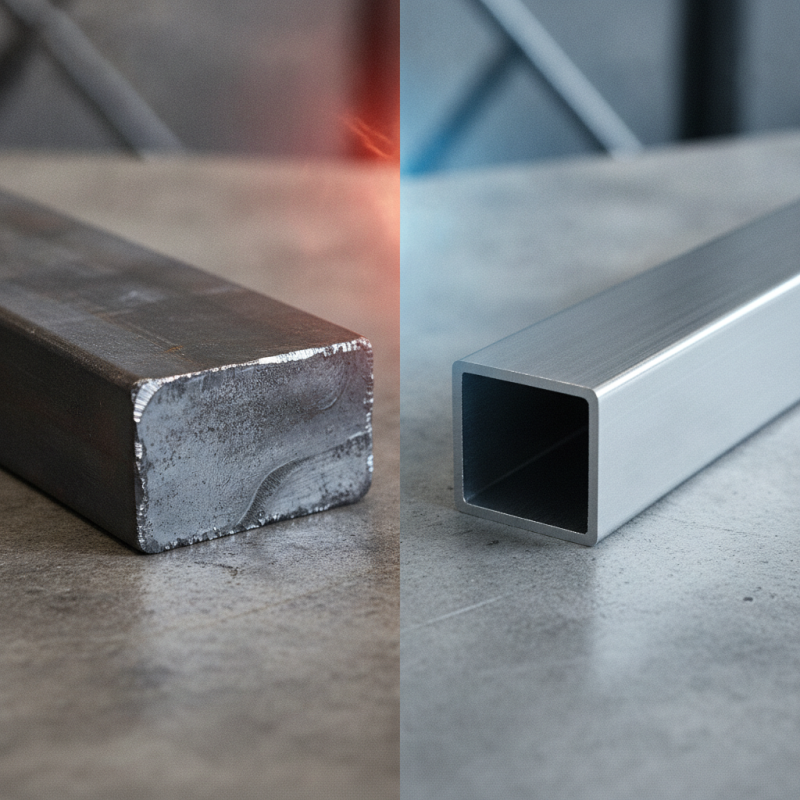
Hot rolled steel is produced at high temperatures. This process allows for easier shaping. Its surface has a rough texture, which might not be ideal for all projects. Conversely, cold formed steel is processed at room temperature. It often has a smoother finish and tighter tolerances. These characteristics make it suitable for precise applications.

Choosing between these steel types can be challenging. One must consider factors like strength, ductility, and cost. A thorough understanding helps avoid costly mistakes. Ultimately, recognizing these differences empowers professionals to make informed decisions.
7 Key Differences Between Hot Rolled and Cold Formed Steel?

Differences in Manufacturing Processes for Hot Rolled and Cold Formed Steel

Hot rolled and cold formed steel differ significantly in their manufacturing processes. Hot rolling involves heating steel above its recrystallization temperature. This temperature allows the steel to be easily shaped and formed. The process is efficient, producing large quantities of material quickly. However, it can lead to changes in the material's properties, such as reduced strength and increased ductility. Visual defects might also occur due to the high temperatures involved.

In contrast, cold formed steel is processed at or near room temperature. This method creates a significantly different structure. The steel retains its strength and dimensional accuracy. However, cold forming can introduce residual stresses in the material. These stresses might lead to issues in certain applications. While cold formed steel offers precise shapes and sizes, it may not be suitable for all uses. Each manufacturing process has its own strengths and weaknesses, influencing the final product's performance and suitability.

Variations in Mechanical Properties: Strength and Ductility

Hot rolled and cold formed steel exhibit distinct differences, especially in their mechanical properties. Hot rolled steel, processed at high temperatures, often showcases higher ductility. This allows it to be shaped more easily without breaking. It is common in construction and manufacturing. However, it typically has lower yield strength compared to its cold-formed counterpart.

Cold formed steel undergoes shaping at room temperature. This process enhances its strength significantly. Yet, this increase can come at the cost of ductility. Cold formed steel is less malleable. While it is stronger, it might not withstand severe bending or stretching as well. It's essential to consider the application when choosing between these steel types. Each has unique pros and cons affecting performance.

Choosing the wrong type can lead to structural weaknesses. For example, using cold formed steel in applications requiring high ductility may result in failures. Likewise, hot rolled steel may deform under heavy loads. Therefore, understanding the specific mechanical properties of both steel types is crucial for optimal material selection.

Effects of Temperature on Steel Structure and Characteristics

The temperature at which steel is processed significantly affects its structure and properties. Hot rolled steel is made at temperatures exceeding 1,700°F (926°C). This high-temperature process allows for easier shaping and forming of steel. However, it often leads to a rough surface finish. The cooling process can result in warping, affecting the material's dimensional precision.

On the other hand, cold formed steel is processed at room temperature. This method enhances the tensile strength of the steel, making it tougher for structural applications. A study by the American Society for Metals notes that cold working can increase yield strength by approximately 20%. The surface finish is smoother, allowing for better coatings and weldability. Yet, the process can introduce internal stresses, which may require annealing to relieve.

Understanding these differences is crucial for selecting the right type of steel for specific applications. The choice between hot rolled and cold formed steel can impact the project's overall outcome. Each method comes with advantages and disadvantages, necessitating careful consideration based on the intended use and required performance characteristics.

7 Key Differences Between Hot Rolled and Cold Formed Steel

Aspect Hot Rolled Steel Cold Formed Steel
Manufacturing Process Processed at high temperatures, above recrystallization temperature Processed at room temperature, below recrystallization temperature
Surface Finish Scaly and rough surface, may require further treatment Smooth and refined surface, ready for use
Strength Generally lower strength compared to cold formed Generally higher strength due to strain hardening
Ductility High ductility, making it easier to shape Lower ductility; more prone to brittleness
Cost Generally less expensive due to simpler manufacturing Typically more expensive due to additional processing
Applications Structural components, rails, and beams Automotive parts, furniture, and appliance manufacturing
Thermal Treatment May require additional heat treatment for specific properties Less likely to require thermal treatment

Applications and Industry Uses of Hot Rolled vs Cold Formed Steel

Hot rolled and cold formed steel serve distinct purposes in various industries. Hot rolled steel is created by processing steel at high temperatures, allowing it to be easily shaped. This process is often used in construction, where structural shapes are common. According to a recent industry report, nearly 60% of steel consumed in construction is hot rolled. It offers excellent weldability and ductility, making it ideal for structural applications like beams and plates.

Cold formed steel, on the other hand, involves shaping steel at room temperature. This provides superior surface finish and tighter tolerances. It is widely used in the manufacturing of thin-walled sections, like those in automotive and appliance industries. The precision of cold formed steel makes it essential for products requiring exact measurements. Industry studies suggest that cold formed steel accounts for around 30% of the total steel products market in industrial applications.

Tips: When choosing between hot rolled and cold formed steel, consider the project's requirements. For applications needing high strength and precise dimensions, cold formed steel may be more beneficial. Conversely, for large structural components, hot rolled steel may satisfy your needs better. Understanding each type's strengths can lead to more efficient project outcomes.

Cost Considerations and Economic Factors in Steel Production Choices

When choosing between hot rolled and cold formed steel, economic factors are crucial. Hot rolled steel generally has a lower production cost, due to its simpler manufacturing processes. It is formed at high temperatures, which reduces energy consumption. This can make it an attractive option for large-scale projects where cost is a primary concern. In contrast, cold formed steel undergoes a more complex manufacturing process. The additional steps involved can drive up its price, making it less ideal for tight budgets.

However, cold formed steel offers benefits that may justify the higher cost. It provides enhanced strength and surface finish. Projects that require precision might prefer cold formed options despite the extra expense. It's essential to weigh the benefits against the price. Sometimes, the value of durability and performance can outweigh upfront costs.

Considering long-term implications is vital. A cheaper option today could lead to higher maintenance costs later. Decision-makers must reflect on whether short-term savings align with long-term project goals. Economies are unpredictable, and price fluctuations can affect material costs. Anticipating these changes is part of strategic planning. Balancing immediate needs with future considerations is not always straightforward.

FAQS

: What is the main difference between hot rolled and cold formed steel?

: Hot rolled steel is shaped at high temperatures. Cold formed steel is processed at or near room temperature.

How does the temperature affect the steel's properties?

High heat in hot rolling can reduce strength and increase ductility. Cold forming maintains strength but may introduce stresses.

What are the mechanical properties of hot rolled steel?

Hot rolled steel has high ductility. However, it usually has lower yield strength than cold formed steel.

What are the mechanical properties of cold formed steel?

Cold formed steel is stronger but less ductile. It may not perform well under severe bending.

Why is application consideration important when choosing steel types?

Each steel type has unique strengths and weaknesses. The wrong choice can lead to structural weaknesses and failures.

What issues might arise from using cold formed steel improperly?

It can lead to failures in applications requiring high ductility due to its lower malleability.

Can hot rolled steel withstand heavy loads?

Hot rolled steel may deform under heavy loads, which can compromise structural integrity.

What are potential defects in hot rolled steel?

High temperatures can lead to visual defects during hot rolling. These defects may impact the overall appearance.

Are there any risks with residual stresses in cold formed steel?

Yes, residual stresses can cause problems in specific applications, possibly resulting in reduced performance.

How do manufacturing processes influence final product performance?

The process affects mechanical properties, strengths, and weaknesses. These factors are vital for selecting the right material.

Conclusion

The article "7 Key Differences Between Hot Rolled and Cold Formed Steel" explores the contrasting manufacturing processes and properties of these two types of steel. To understand what is the difference between hot rolled and cold formed steel, one must consider their distinct production methods; hot rolled steel is processed at high temperatures, allowing it to be easily shaped, while cold formed steel is worked at room temperature, enhancing its strength and dimensional accuracy.

Additionally, the article discusses variations in mechanical properties such as strength and ductility, highlighting how temperature affects steel’s structure and characteristics. It also addresses their different applications across industries and the economic factors influencing the choice between the two. Ultimately, understanding these differences aids in selecting the appropriate type of steel for specific projects and enhancing overall production efficiency.

Oliver

Oliver

Oliver is a seasoned marketing professional with a wealth of expertise in driving brand awareness and engagement. With a deep understanding of our company's product offerings, he consistently delivers high-quality content that enriches our professional blog. His insights not only shed light on......