Bildon Steel
Thermal breaks play a vital role in enhancing the efficiency of aluminum glass curtain walls. These breaks are crucial for minimizing thermal transfer between the exterior and interior. Experts like Dr. Emily Chen, a renowned architect and researcher, emphasize their importance: "Understanding how does thermal break work in aluminum glass curtain walls is key to sustainable design."
The functionality of thermal breaks involves the use of insulating materials positioned between the exterior and interior metal components. This reduces heat conduction, ultimately leading to improved energy efficiency. Without these elements, buildings can suffer from discomfort due to heat loss or gain, increasing strain on HVAC systems.
Despite the clear benefits, some may overlook thermal breaks during construction. Many factors, such as cost and design constraints, can lead to their omission. This gap in planning can have long-term consequences, both in energy costs and indoor climate comfort. Building professionals need to consider how thermal breaks affect overall building performance.
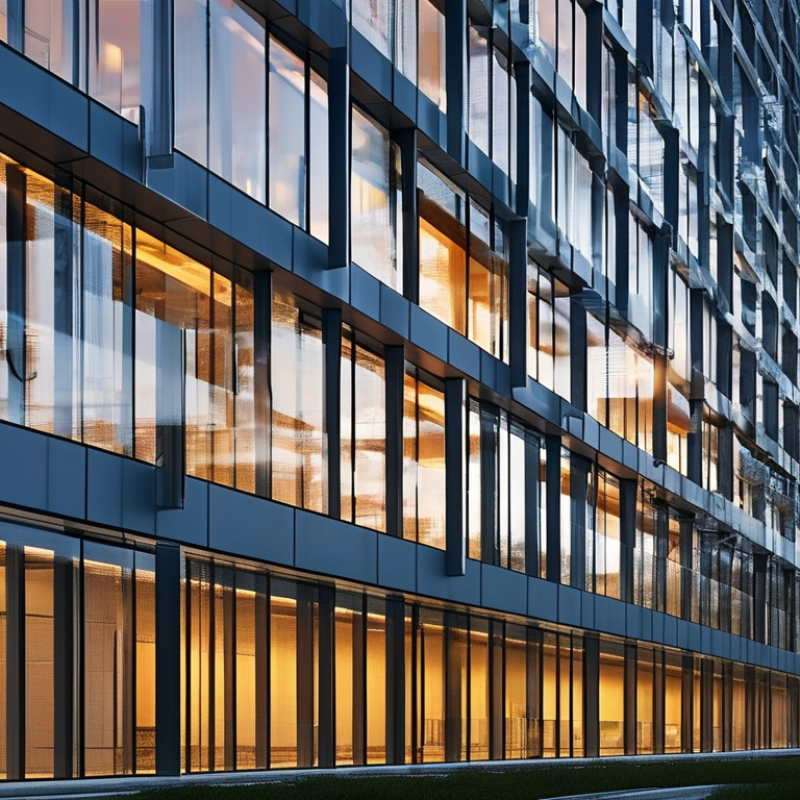
The concept of a thermal break is essential for aluminum glass curtain walls. A thermal break acts as an insulator between the exterior and interior of the building. It reduces heat transfer, improving energy efficiency and occupant comfort. According to industry data, incorporating thermal breaks can enhance energy performance by up to 40%. This means significant savings on heating and cooling costs.
Aluminum frame buildings often struggle with thermal bridging, which can lead to condensation and increased energy loss. A thermal break minimizes this issue, making buildings more sustainable. Research indicates that over 25% of energy loss in buildings can occur through poorly insulated frames. This statistic highlights the need for effective thermal management in construction.
Implementing a thermal break is a simple yet impactful solution. It requires careful design and installation. However, ensuring its effectiveness can be challenging. Details such as joint sealing and material choices must not be overlooked. Small oversights can undermine the benefits of a thermal break, leading to higher operational costs and discomfort for occupants. Addressing these potential pitfalls is crucial for maximizing the effectiveness of aluminum glass curtain walls.
Thermal breaks play a crucial role in the energy efficiency of aluminum glass curtain walls.
A thermal break is an insulating barrier that separates the exterior and interior metal components.
This barrier significantly reduces the transfer of heat and cold. According to recent studies, nearly 40% of a building's energy loss occurs through its façade.
Efficient thermal breaks can minimize this loss, notably improving overall building performance.
Buildings equipped with adequate thermal breaks can reduce energy consumption by as much as 30%.
A report from the American Institute of Architects highlights that improving thermal efficiency can lead to substantial cost savings.
It even suggests that incorporating thermal break technology in aluminum curtain walls increases energy savings in heating and cooling systems.
Although many architects understand the concept, implementation can often be lacking.
Certainly, there is room for improvement. Many structures still overlook the importance of thermal breaks.
A significant number of curtain wall systems are not optimized for thermal efficiency.
Building codes are evolving, but compliance often lags behind.
Stakeholders need to prioritize energy-efficient designs to achieve better sustainability outcomes.
Each choice in design and materials impacts long-term energy performance.
Thermal breaks play a crucial role in the performance of aluminum glass curtain walls. They significantly enhance a building's energy efficiency. A thermal break is an insulating section that prevents direct heat transfer through the material. When properly integrated, it can reduce thermal bridging. This limits the amount of heat that escapes in winter and the heat that enters in summer.
Improving thermal performance contributes to building durability. When temperature fluctuations occur, materials expand and contract. Without thermal breaks, this can lead to stress. Over time, this stress can damage structural integrity. Buildings with poor thermal management often require more maintenance. Regular wear and tear can reduce their lifespan.
Tip: Consider using high-quality insulation materials. They work hand-in-hand with thermal breaks to maximize energy efficiency.
Another consideration is condensation. Thermal breaks help reduce moisture buildup on interior surfaces. Excess moisture can lead to mold and corrosion. Properly configured thermal breaks will mitigate these risks.
Tip: Regular inspections are essential. Detecting cracks or faulty thermal breaks early can save significant costs in repairs.
| Dimension | Description | Impact on Performance | Impact on Durability |
|---|---|---|---|
| Thermal Conductivity | Measures how well the material conducts heat. | Lower conductivity reduces heat loss, improving energy efficiency. | Enhanced lifespan by reducing expansion/contraction stresses. |
| Condensation Resistance | Helps prevent moisture build-up on surfaces. | Reduces risk of mold and damage to the facade. | Increases structural integrity by preventing water infiltration. |
| Energy Efficiency | Determines building's heating and cooling needs. | Reduces energy costs by maintaining indoor temperatures. | Long-term reduction in operational costs enhances durability. |
| Structural Performance | Refers to the load-bearing ability of the curtain wall. | Improved load transfer minimizes deformation. | Increased resilience to environmental factors enhances longevity. |
The thermal break is essential in aluminum glass curtain walls. It significantly improves energy efficiency. This technology uses a barrier to reduce heat transfer. Non-thermal break systems often lead to increased energy costs. They allow heat to flow freely, resulting in a less comfortable indoor environment.
One clear advantage of thermal breaks is condensation reduction. This creates a more durable structure. Non-thermal break systems can suffer from moisture damage. The potential for mold growth increases when moisture accumulates. Many buildings face this issue, resulting in costly repairs.
Tips for choosing between these systems include evaluating your local climate. For warmer areas, thermal breaks can save on cooling costs. For colder zones, they can reduce heating expenses. Always assess the long-term benefits versus initial costs. This decision impacts both the environment and your budget. It's vital to consult with experts in the field. Their experience can guide you to the best solution for your building's needs.
This chart illustrates the energy efficiency of Thermal Break and Non-Thermal Break systems in aluminum glass curtain walls. The Thermal Break system demonstrates significantly lower energy consumption compared to the Non-Thermal Break system, highlighting its benefits in energy savings and thermal performance.
Thermal break plays a vital role in aluminum glass curtain walls. Implementing effective thermal breaks can significantly enhance energy efficiency. According to a report by the U.S. Department of Energy, windows and curtain walls account for nearly 30% of a building's energy loss. Using thermal breaks can reduce this loss by up to 50%.
Best practices for curtain wall design include selecting high-performance materials. Polyamide and structural silicone are effective in creating thermal breaks. Proper installation is crucial. Gaps should be sealed to prevent thermal bridging. Regular checks and maintenance can help ensure long-term performance. Data from industry studies highlights that improper installation can lead to condensation issues, impacting both aesthetics and structural integrity.
Designing for thermal efficiency requires careful consideration. Lack of attention can lead to increased utility bills and reduced occupant comfort. It’s essential to balance design aesthetics with functionality. Architects should collaborate with engineers to ensure the thermal break is integral to the design process—a misstep can compromise the entire curtain wall system, undermining the intended energy savings.
: A thermal break is an insulating barrier between exterior and interior metal parts. It reduces heat transfer significantly.
They can decrease energy consumption by up to 30%. This leads to substantial cost savings over time.
Many architects understand thermal breaks but do not implement them effectively. Awareness is needed.
High-performance materials like polyamide and structural silicone create effective thermal breaks.
Proper installation is crucial. Gaps can lead to thermal bridging and condensation issues.
Poor integration can increase utility bills and reduce occupant comfort significantly.
Building codes are evolving, but compliance often lags behind industry needs and standards.
Regular checks ensure the long-term performance of thermal breaks and prevent potential issues.
Architects should work with engineers. Missteps can compromise energy savings and overall system integrity.
Lack of attention to design details can lead to higher energy loss and decreased efficiency.
Thermal break technology plays a crucial role in the design and functionality of aluminum glass curtain walls. By incorporating a thermal break, which is an insulating material inserted between the outer and inner frames, buildings can significantly enhance their energy efficiency. This mechanism works by reducing heat transfer between exterior and interior environments, which in turn minimizes energy consumption for heating and cooling. Understanding how does thermal break work in aluminum glass curtain walls is essential for architects and builders aiming to create structures that are not only aesthetically pleasing but also sustainable.
Moreover, the presence of thermal breaks impacts the durability and overall performance of buildings. Systems with thermal breaks show improved resistance to condensation and thermal expansion, leading to longer lifespans and lower maintenance costs. A comparative analysis of thermal break versus non-thermal break systems highlights the advantages in energy savings and structural integrity. Therefore, implementing best practices in thermal break design is vital for maximizing the benefits of aluminum glass curtain walls while ensuring compliance with modern energy standards.
