Bildon Steel
The rise of modern skyscrapers is a testament to architectural innovation. One key feature that stands out is the glass curtain wall. Why is glass curtain wall popular in modern skyscrapers? This question prompts us to explore the blend of aesthetics, functionality, and sustainability it offers.
Urban landscapes are transforming rapidly. The sleek appearance of glass curtain walls enhances the beauty of high-rise buildings. They reflect light and create a dynamic interaction with the city environment. Furthermore, these walls are a practical solution for weatherproofing and energy efficiency. Large glass panels permit natural light, reducing the need for artificial lighting.
However, relying heavily on glass has its challenges. Temperature regulation can be tricky. In extreme weather, buildings may become too hot or cold. Designers must carefully consider insulation and window placement. This complexity shows that while glass curtain walls are favored, they require thoughtful planning. Ultimately, the popularity of glass curtain walls reflects a modern desire for both style and sustainability in urban design.
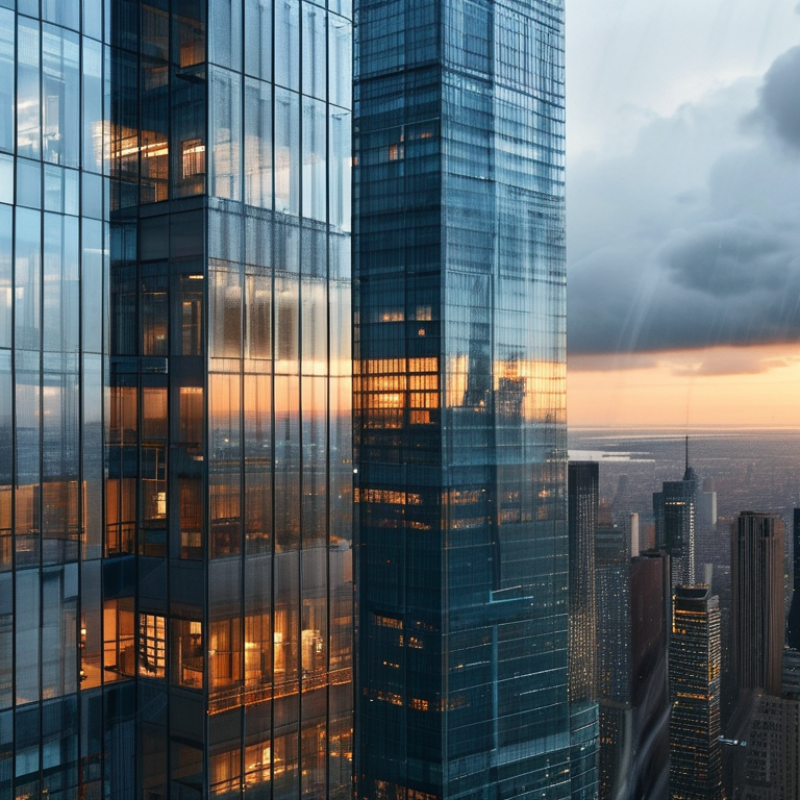
Glass curtain walls are a defining feature of modern skyscrapers. These sleek, transparent facades allow natural light to flood interior spaces. As buildings rise higher, glass walls offer a visually appealing contrast to traditional materials. They create a sense of openness and connection with the surroundings. However, they also present design challenges regarding insulation and energy efficiency.
The functionality of glass curtain walls goes beyond aesthetics. They provide structural support while minimizing the weight of the building. This dual role is critical in high-rise architecture. Engineers must carefully consider the glass type and framing materials used. Improper choices can lead to concerns about thermal performance.
Moreover, the sustainability aspect of glass curtain walls needs attention. Architects aim for energy-efficient solutions, yet these systems can contribute to heat gain. Enhancing performance requires innovative technologies. Designers often experiment with coatings and shading devices. Balancing beauty and functionality remains an ongoing quest in skyscraper design.
The historical evolution of glass curtain walls in architectural design reflects the changing aesthetics and technologies over time. Initially, buildings were designed with solid, load-bearing walls. As architecture progressed, the introduction of glass transformed skyscraper design. In the early 20th century, glass became popular for its ability to reflect light and create a sleek look. This change was revolutionary, allowing for more expansive and inviting spaces.
In the 1950s and 1960s, skyscrapers like the Lever House and the Seagram Building showcased the full potential of glass curtain walls. These structures emphasized transparency and connection to the environment. Yet, the use of glass presented challenges. It required careful consideration of structural integrity and energy efficiency. Architects had to innovate, blending aesthetics with functionality.
Tip: Consider how natural light can enhance a building’s atmosphere. Use glass wisely to balance openness with energy efficiency.
Over the years, glass curtain walls have evolved to include advanced materials. This development aimed to improve insulation and reduce energy consumption. Today’s designs often integrate smart technologies. However, they also bring up important questions about sustainability. Are we prioritizing beauty over our environmental responsibilities? The history of glass in architecture is a lesson in balancing innovation with ethical considerations.
Tip: When designing with glass, think about its long-term impact. Will it stand the test of time?
Glass curtain walls have become a hallmark of modern skyscrapers, merging beauty with functionality. They transform urban landscapes, creating stunning visual impacts. According to the U.S. Department of Energy, buildings with glass curtain walls can reduce energy use by up to 30%. This is a critical statistic as energy efficiency becomes increasingly essential in today's world.
Aesthetic appeal is undeniable. Large glass facades create open, bright spaces that enhance the experience of both occupants and passersby. Many architects now prioritize sustainability alongside aesthetics. Using high-performance glass can minimize heat gain and loss, further enhancing energy savings. This dual focus makes glass curtain walls both practical and appealing.
However, challenges exist. The initial cost of installation can be high, and there's debate about long-term maintenance. Glass surfaces require proper cleaning to maintain their appearance. Additionally, the insulation properties must be carefully evaluated to prevent energy waste. Finding the right balance between style and performance is crucial for success in skyscraper design.
Glass curtain walls are vital for modern skyscrapers. They provide a sleek, contemporary aesthetic that allows for natural light and stunning views. However, the integration of glass into tall structures presents unique structural considerations and engineering challenges.
One significant challenge is the need for proper load distribution. Glass is relatively brittle compared to steel or concrete. Engineers must ensure that the glass panels can withstand wind loads and seismic forces. This requires rigorous testing and precise calculations during the design phase. Additionally, the connectors and framing must be strong enough to support the weight of the glass without compromising its integrity.
Insulation is another concern. While glass allows light to penetrate, it can also lead to energy inefficiencies. Effective thermal performance is essential to maintain comfortable indoor environments. Engineers often select specialized glazing to mitigate heat gain or loss. Additionally, condensation prevention is crucial in humid climates, which adds another layer of complexity to the design. Despite the advancements in technology, achieving the perfect balance of beauty and functionality remains an ongoing challenge in the field of architecture.
The glass curtain wall has become a hallmark of modern skyscrapers, reflecting innovative architectural trends. Future innovations in this technology promise even greater sustainability and aesthetic appeal. One emerging trend is the integration of smart glass. This material can regulate temperature, reducing energy consumption. Furthermore, it allows buildings to adapt to changing weather conditions, improving occupant comfort.
Tips: Consider the benefits of using advanced coatings on glass. They can enhance energy efficiency drastically. Additionally, explore various textures and finishes, which allow architects to create unique designs.
Another exciting development is the use of prefabricated glass panels. This approach speeds up construction time and minimizes waste. Even with these advances, achieving perfect installation remains challenging. Gaps can occur, leading to potential energy loss. This requires careful planning and skilled labor to ensure optimal performance.
Tips: Always conduct thorough inspections of glass installations. Even small imperfections can lead to bigger issues later. Collaboration between architects and contractors is essential for overcoming these hurdles.
: Glass curtain walls emerged from traditional solid walls, transforming architectural designs in the early 20th century.
Buildings like Lever House showcased transparency and an inviting atmosphere, emphasizing a connection to the environment.
They require careful planning for structural integrity and energy efficiency, which can be complex for architects.
They provide aesthetic appeal and can reduce energy use, making them popular in modern architecture.
Using high-performance glass can minimize heat transfer, promoting sustainability alongside stunning visuals.
Smart glass materials can regulate temperature, adapting to weather and enhancing comfort for occupants.
Prefabricated glass panels speed up construction and reduce waste, but require meticulous installation to prevent gaps.
Even small imperfections can lead to significant energy inefficiencies and long-term maintenance issues.
Thoughtful glass use can enhance a building’s atmosphere, balancing openness with energy-efficient practices.
It’s crucial to weigh aesthetic choices against environmental responsibilities to ensure future viability.
Glass curtain walls have become an essential element in modern skyscrapers, and understanding why is glass curtain wall popular in modern skyscrapers reveals several key factors. Firstly, these structures provide an aesthetic appeal, allowing for sleek, transparent facades that enhance the visual connection between the interior and exterior environments. Historically, the evolution of glass curtain walls reflects advancements in architectural design, enabling taller and more elegant buildings that redefine urban skylines.
Moreover, glass curtain walls contribute to energy efficiency by utilizing advanced materials and technologies that improve insulation and reduce energy consumption. However, their integration comes with structural considerations and engineering challenges that require careful planning and design. As the future trends of glass curtain wall technology continue to develop, incorporating smart materials and sustainable practices, they will remain pivotal in reshaping the architecture of skyscrapers worldwide.
