Bildon Steel Bildon Steel

How to Determine Fire Resistance Ratings for Structural Steel?

Time:2026-06-24 Author:Ethan
0%

Understanding fire resistance ratings is crucial for structural steel safety. Many builders and engineers often wonder, what are the fire resistance ratings for structural steel? These ratings help determine how long a structural element can withstand fire exposure. This evaluation is essential not just for compliance purposes, but also for ensuring the safety and durability of buildings.

Structural steel needs protective measures to enhance its fire resistance. Factors such as coating materials, insulation types, and thickness all play a significant role. Fire ratings depend on the design and material used. Many construction experts believe that knowledge of these ratings is critical for effective project planning. Yet, some fail to consider them, leading to oversights in safety.

Experts recommend consulting fire resistance data carefully when designing structures. Testing methods can vary, which might confuse some professionals. Moreover, compliance with local codes and standards is vital. While many resources provide guidance, it is crucial to verify this information against updated regulations. Building a fire-resistant structure is not just about meeting minimum requirements; it's about prioritizing safety.
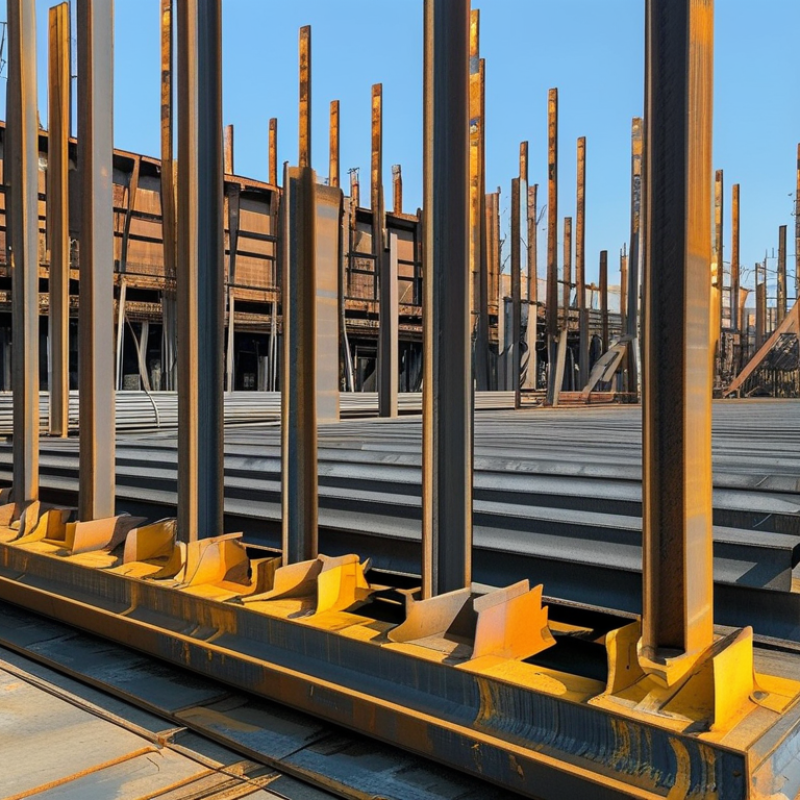
How to Determine Fire Resistance Ratings for Structural Steel?

Understanding Fire Resistance Ratings in Structural Steel

Understanding fire resistance ratings in structural steel is essential for ensuring safety in buildings. Fire resistance ratings indicate how long a material can withstand fire exposure. These ratings are based on tests conducted by recognized laboratories. They measure the time a structural element can maintain its integrity under fire conditions. A higher rating often suggests improved safety for occupants and property.

When evaluating fire resistance ratings, consider the thickness of the steel and its coating. Coated steel typically achieves better ratings due to the insulating properties of the material. Specific tests may also simulate real-life conditions, enhancing reliability.

Tips: Always consult professionals when assessing fire resistance ratings. They can provide insights tailored to your building's design. During inspections, check for wear on protective coatings, as this can compromise safety ratings. Regular reviews and updates to fire resistance ratings ensure ongoing compliance with safety standards.

Fire Resistance Ratings for Structural Steel

The chart above illustrates the relationship between the thickness of structural steel and its corresponding fire resistance ratings measured in minutes. As the thickness of the steel increases, the fire resistance rating improves significantly, indicating better performance in high-temperature conditions.

Factors Affecting Fire Resistance of Structural Steel

When considering the fire resistance of structural steel, several key factors come into play. One primary aspect is the thickness of the steel. Thicker steel generally provides improved fire resistance due to increased thermal mass. However, this can also lead to higher material costs and structural weight. Engineers must balance thickness with overall design efficiency.

Another crucial element is the applied fireproofing material. Coatings that insulate or shield steel from intense heat can significantly improve fire resistance. These materials vary widely in performance, and their effectiveness depends on type and application method. The installation quality also matters. Improperly applied fireproofing might fail in a fire, leading to catastrophic failures.

Temperature plays a vital role too. As temperatures increase, steel loses strength. Research shows that at around 600 degrees Celsius, steel can lose up to half its load-bearing capacity. Engineers need to consider potential temperature exposure during design. Adopting a holistic view encourages innovative solutions while reflecting on past fire incidents. Balancing these factors can shape strategies for better fire-resistant designs in structural steel applications.

Testing Methods for Determining Fire Resistance Ratings

Determining fire resistance ratings for structural steel requires rigorous testing methods. Fire resistance ratings indicate how long a material can withstand fire exposure. Various standard tests assess these ratings, each focusing on different aspects of fire endurance.

One commonly used method is the ASTM E119 test. This standardized approach measures how long structural steel can maintain its integrity during a fire. It exposes samples to high temperatures, simulating real-world conditions. The results can highlight weaknesses in the material. For instance, steel may lose its load-bearing capacity at elevated temperatures, showcasing a need for better insulation methods.

Another method is the ISO 834 test, which measures the thermal performance of materials under fire conditions. This test is essential for architects and engineers seeking reliable data for fire safety. However, discrepancies can happen during testing. Variability in sample preparation or environmental conditions may lead to inconsistent results. Understanding these factors is crucial for accurate assessments. Continuous research and improvements in testing methods are necessary to enhance fire safety standards in construction.

How to Determine Fire Resistance Ratings for Structural Steel?

Testing Method Description Duration (minutes) Standard
ASTM E119 Standard Test Methods for Fire Tests of Building Construction and Materials 30, 60, 90, 120 ASTM
UL 263 Fire Tests of Building Construction and Materials 30, 60, 90, 120 UL
ISO 834 Fire Resistance Tests - Elements of Building Construction 30, 60, 120 ISO
BS 476 Fire Tests on Building Materials and Structures 30, 60, 90, 120 BS

Standards and Codes Governing Fire Resistance Evaluations

Understanding fire resistance ratings for structural steel is crucial in construction. Several standards and codes guide this assessment. These regulations ensure safety and performance during a fire event. They provide benchmarks that engineers and architects must follow.

The International Building Code (IBC) is one of the cornerstone documents. It outlines requirements for fire resistance in various building components. Additionally, the American Society for Testing and Materials (ASTM) offers testing methods that measure fire performance. These standards help in assessing how well structural steel can withstand high temperatures.

Different jurisdictions may adopt various codes. This can lead to confusion. Local adaptations of national standards could alter the expected fire performance. Ensuring compliance with all relevant codes is a complex task. Balancing safety and design flexibility is often a challenge in modern construction.

Strategies for Enhancing Fire Resistance in Steel Structures

Enhancing fire resistance in steel structures is crucial for safety and longevity. Steel does not burn, but it loses strength at high temperatures. This makes protecting steel essential in construction. One effective strategy is applying fire-resistant coatings. These coatings can withstand high temperatures and provide critical time for evacuation during a fire. However, the effectiveness depends on proper application and maintaining the coating's integrity.

Another approach is using insulation materials. Installing non-combustible materials around steel components can significantly delay heat transfer. However, the choice of insulation must be compatible with other materials. Over time, these materials may degrade or become less effective. Regular inspections are vital to ensure they remain functional.

Moreover, structural design plays a role. Increased member size can improve fire resistance by allowing steel more time to cool. While aesthetic space is often a consideration, occasional reconsideration of structural capacities must occur. Balancing design and safety cannot be overlooked. Each method has pros and cons that require thoughtful evaluation and continuous improvement.

FAQS

: What are fire resistance ratings?

: Fire resistance ratings indicate how long a material can endure fire exposure without losing integrity.

Why are fire resistance ratings important?

They ensure safety for occupants and property during fire events.

How are fire resistance ratings tested?

Tests are conducted by recognized laboratories simulating real-life fire conditions.

What factors affect fire resistance ratings for structural steel?

The thickness of steel and its protective coating influence the ratings significantly.

How can protective coatings impact fire resistance?

Coated steel typically has better ratings due to its insulating properties.

Why consult professionals regarding fire resistance ratings?

Professionals tailor insights to your building's design and ensure accuracy.

What role do standards and codes play in fire resistance evaluations?

They provide benchmarks for safety and performance during fire events.

Are fire resistance codes the same everywhere?

No, different jurisdictions may adopt various codes, leading to potential confusion.

How often should fire resistance ratings be reviewed?

Regular reviews ensure ongoing compliance with safety standards.

What challenges arise in complying with fire resistance codes?

Balancing safety requirements with design flexibility can be complex.

Conclusion

The article "How to Determine Fire Resistance Ratings for Structural Steel?" provides a comprehensive overview of fire resistance ratings essential for ensuring the safety and integrity of steel structures during a fire. It begins by clarifying what are the fire resistance ratings for structural steel, which indicates the time duration a steel element can withstand fire exposure without losing its load-bearing capacity. Factors affecting these ratings include the type of steel, its cross-sectional dimensions, protective coatings, and the design of the steel framing.

Furthermore, the article outlines various testing methods used to evaluate fire resistance ratings, and discusses the standards and codes that govern these evaluations. Lastly, it addresses effective strategies for enhancing fire resistance in steel structures, such as the use of fire-resistant materials and passive fire protection systems, ensuring that structural steel components meet industry safety requirements.

Ethan

Ethan

Ethan is a seasoned marketing professional with a deep expertise in our company's innovative product line. With a passion for sharing knowledge and insights, he takes the lead in regularly updating our corporate blog, where he explores industry trends, product features, and effective marketing......