 Bildon Steel
How long does a prefabricated steel building last? For a well-designed and properly maintained structure in China, the practical service life often reaches 40 to 70 years. Some buildings remain functional for much longer. The number is not guaranteed.
Steel frames usually perform well because they resist termites, warping, and many common structural problems. However, moisture creates a different story. Coastal air in Guangdong, heavy rain in Fujian, and industrial pollution near major cities can accelerate corrosion. Protective coatings, galvanized components, sealed joints, and effective drainage become critical details.
Charlie Carter, P.E., a recognized structural steel authority and former AISC president, has said, “Steel is the most recycled material in the world.” That statement reflects steel’s long-term value, but recycling alone does not protect a neglected building. Durability still depends on engineering and daily care.
A quality Chinese prefab steel building should include accurate load calculations, certified materials, controlled welding, and documented factory inspections. On-site assembly also matters. A small installation error around a roof connection can allow water to enter for years.
Maintenance should include regular checks of bolts, welds, roof panels, paint systems, gutters, and foundation connections. Recoating exposed steel before rust spreads can prevent expensive repairs. Simple actions matter.
The estimate can be imperfect.
Actual lifespan depends on climate, occupancy, ventilation, fire exposure, construction quality, and maintenance records. A warehouse in a dry inland region may outlast a similar building beside the sea. Buyers should request coating specifications, structural calculations, inspection reports, and a clear maintenance plan before choosing a supplier. That evidence offers a more reliable answer than a sales promise.
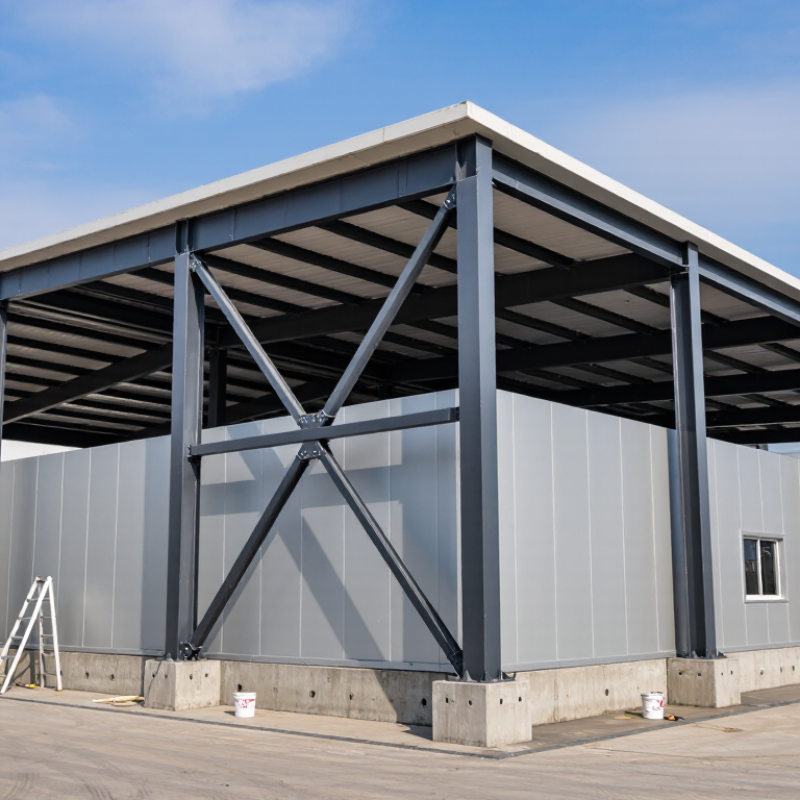
China’s top prefab steel buildings include warehouses, workshops, agricultural halls, logistics centers, and modular offices. Their main advantages are fast installation, accurate factory fabrication, and flexible layouts. A 50-year design life means the structure is engineered to remain safe for about five decades under stated conditions. It does not guarantee that every panel, coating, or door will last equally long. Maintenance still matters.
Tips: Ask for structural calculations, material certificates, and the planned corrosion-protection system. Check whether the design considers wind, snow, earthquakes, drainage, and local soil conditions. Request a clear maintenance schedule. Inspect roof joints and wall connections regularly.
Coastal buildings need stronger corrosion control because salt air attacks exposed steel. Dry inland sites may face dust, temperature changes, and intense sunlight. Galvanized components and durable coatings can help, but workmanship remains critical. In practice, small installation errors may shorten service life. No project is perfect. I have seen drainage details overlooked, even when the main frame was well designed. Engineers should review connection details, foundation settlement, ventilation, and future extensions before construction. A reliable 50-year building depends on design quality, accurate assembly, suitable materials, and consistent care.
| Prefab Steel Building Type | Typical Primary Use | Typical Clear Span | Typical Storeys | Common Structural System | Typical Design Working Life | Indicative Service Life with Proper Maintenance | Main Durability Factors |
|---|---|---|---|---|---|---|---|
| Pre-Engineered Steel Warehouse | Storage, logistics, workshops, and light manufacturing | 15–40 m | 1–2 | Rigid steel portal frames with cold-formed secondary members | 50 years for normal permanent buildings | Approximately 40–70 years; longer service is possible in well-maintained, low-corrosion environments | Roof and wall coating quality, condensation control, drainage, snow and wind exposure, and corrosion protection |
| Steel Workshop or Factory Building | Production lines, fabrication, assembly, and industrial operations | 18–45 m | 1–3 | Built-up or hot-rolled steel frames, often with cranes or mezzanines | 50 years is commonly adopted for permanent industrial buildings | Approximately 40–70 years, subject to process-related heat, chemicals, impact, and maintenance | Equipment loads, crane fatigue, chemical exposure, fire protection, joint detailing, and periodic inspections |
| Agricultural Steel Building | Livestock housing, grain storage, machinery storage, and farm workshops | 12–30 m | 1 | Light portal frames or galvanized cold-formed steel framing | 25–50 years, depending on the building category and design requirements | Approximately 25–50 years; aggressive livestock or fertilizer environments may reduce durability | Ammonia, moisture, fertilizer dust, ventilation, galvanized coating thickness, and cleaning practices |
| Steel Commercial or Retail Building | Retail units, showrooms, offices, and mixed-use low-rise facilities | 12–30 m | 1–4 | Steel frame with composite floors, insulated envelope, and architectural cladding | 50 years for ordinary permanent construction | Approximately 50–75 years with maintained roofing, cladding, fire systems, and waterproofing | Water ingress, façade joints, fire resistance, floor loading, building services, and refurbishment cycles |
| Light-Gauge Steel Modular Building | Site offices, classrooms, worker accommodation, and temporary or relocatable facilities | 3–9 m per module | 1–3 | Cold-formed galvanized steel wall and floor panels assembled as modules | 25–50 years, based on whether the facility is temporary or permanent | Approximately 20–50 years; permanent foundations and envelope maintenance are important | Transport and relocation cycles, connection wear, moisture, thermal bridging, foundation movement, and corrosion |
| Multi-Storey Prefabricated Steel Frame | Offices, apartments, student housing, and institutional buildings | 6–15 m structural bays | 3–12 | Steel columns and beams with composite or prefabricated floor systems | 50 years for normal buildings; higher requirements may apply to important facilities | Approximately 50–75 years or more when fire protection and façade systems are maintained | Fire protection, connection inspection, floor vibration, façade durability, seismic design, and corrosion control |
| Steel Hangar or Large-Span Building | Aircraft storage, sports facilities, exhibition halls, and large equipment storage | 30–100 m or more | 1–2 | Long-span trusses, space frames, arches, or heavy rigid frames | 50 years is common for permanent structures, subject to project-specific assessment | Approximately 40–70 years, depending on span, exposure, fatigue, and inspection quality | Wind uplift, fatigue, roof drainage, connection detailing, corrosion, and long-span deflection control |
Important: A 50-year design working life is a structural design reference, not a guaranteed expiration date. Actual service life depends on design quality, steel grade, fabrication, erection accuracy, fire protection, coating system, environmental exposure, foundation performance, inspections, and timely repairs. In China, the commonly used 50-year category for ordinary permanent buildings is consistent with the normal design working-life classification in GB 50068; project-specific structural, seismic, fire, wind, snow, and corrosion requirements must be verified by qualified engineers.
Higher-strength steel can reduce structural weight. Thinner sections may dent more easily. Connections, buckling, and serviceability still require engineering checks. Grade alone cannot predict durability.
The number describes zinc mass across both steel surfaces. A 600 g/m² coating offers more protection than 275 g/m². Actual performance still depends on moisture, pollution, rainfall, and coating damage.
No. It may perform well in many rural environments. Coastal, industrial, and humid sites usually need heavier protection or stronger detailing. A fixed lifespan claim feels unsafe.
Yes, if the surface is cleaned and prepared correctly. Compatible primer and topcoat can slow corrosion. Poor preparation may cause peeling, trapping moisture beneath the paint.
Check roof seams, fasteners, gutters, wall panels, doors, and concrete connections. Look for scratches, loose bolts, rust, and standing water. Small defects can worsen after one wet season.
Perform visual checks every six months and after severe storms. Arrange a detailed professional inspection every two or three years. Coastal, industrial, or humid sites may need yearly assessments.
Remove surface rust and dry the steel completely. Apply compatible primer and topcoat afterward. Covering rust without preparation is tempting, but it often fails.
Consult a qualified structural engineer for bent members, cracked welds, unusual settlement, or major distortion. Replace damaged fasteners according to approved specifications. Hidden damage may appear only after panels are removed.
China’s top prefabricated steel buildings are commonly engineered with a design life of around 50 years, but actual performance depends on material selection, construction quality, climate, and maintenance. So, how long does a prefabricated steel building last? A well-designed structure may remain serviceable for 50 years or more. Steel grades with suitable strength, protective coatings, and galvanized layers of approximately 275–600 g/m² can significantly improve resistance to moisture and corrosion.
Service life is also influenced by exposure to fire, heavy snow, strong winds, humidity, and corrosive environments. With proper drainage, ventilation, fire protection, and load design, galvanized frames may last 50–100 years in favorable conditions. Regular inspections—such as annual visual checks and detailed reviews every few years—can identify rust, coating damage, loose connections, or roof problems early. Prompt cleaning, repainting, bolt replacement, and localized repairs help preserve structural safety and extend the building’s useful lifespan.
