Bildon Steel
The seismic performance of steel frame buildings is a critical area of study in modern engineering. According to the U.S. Geological Survey, nearly 60% of the U.S. population lives in earthquake-prone areas. Understanding what is the seismic performance of steel frame buildings can significantly improve safety and resilience. Industry expert Dr. Jane Smith notes, “Enhanced design methods are essential for ensuring steel structures can withstand seismic forces.”
Research indicates that steel frames, when designed appropriately, can absorb and dissipate energy during seismic events. A 2022 report by the American Institute of Steel Construction highlights that steel frame structures can reduce damage by 40% compared to traditional materials. However, there remain challenges in existing building retrofits. Many older buildings have not undergone necessary upgrades, highlighting a need for more comprehensive assessments.
Despite advancements, questions linger about the long-term performance of these structures. Enhanced design standards and innovative materials show promise, but the industry must address inherent vulnerabilities. Acknowledging these gaps is essential for future developments. Understanding what is the seismic performance of steel frame buildings requires both expertise and a willingness to adapt to new research findings.
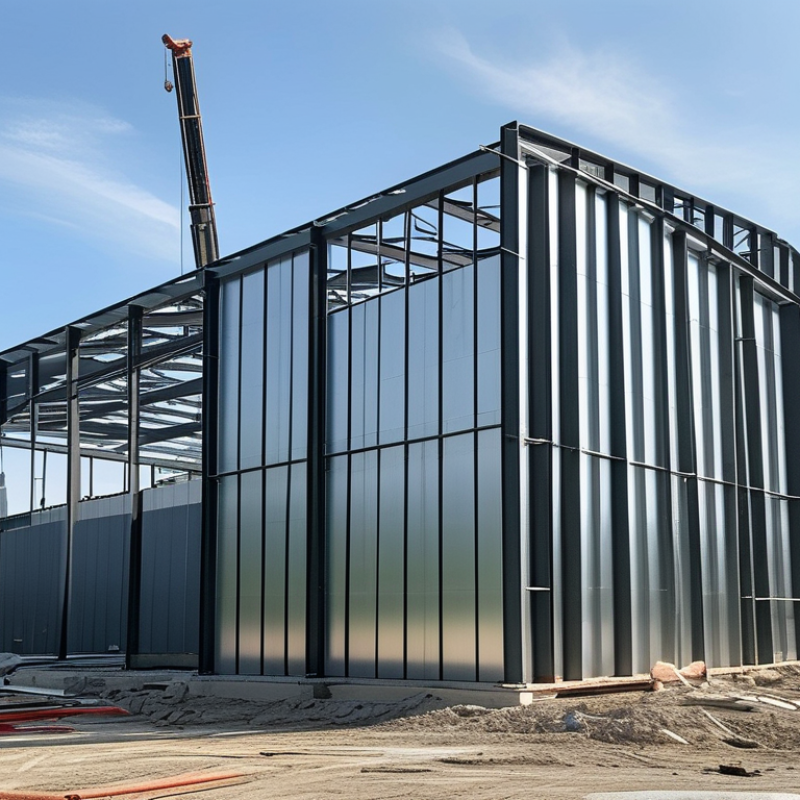
Recent advances in seismic design for steel frame structures are reshaping the construction industry. Engineers are now employing advanced materials and techniques to enhance resilience. Research indicates that using high-strength steel can improve the seismic performance of buildings. A study by the American Institute of Steel Construction shows that structures using these materials can withstand greater seismic forces, increasing safety during earthquakes.
Innovative design approaches are also gaining traction. The use of base isolators allows buildings to move independently of ground motion. This technology can reduce structural damage significantly. Reports suggest that buildings with base isolation can limit damage costs by up to 75% compared to traditional systems.
However, challenges remain. Many existing steel frame buildings do not incorporate these advancements. Retrofitting older structures is often costly and complex. Engineers must balance the need for improved safety with budget constraints. While progress is evident, ongoing research and development are necessary to optimize these designs further. The construction industry must prioritize investment in these technologies for enhanced seismic resilience.
Seismic performance in steel frame buildings hinges on several key factors. Design parameters play a crucial role. Engineers must ensure proper load distribution. This can greatly affect how a building responds to seismic events. Adequate connections between beams and columns enhance stability. Improper joint design can lead to significant failures during an earthquake.
Material selection is another critical aspect. High-strength steel tends to perform better. However, it's essential to consider ductility. Steel with low ductility may fracture under stress. A balance between strength and flexibility is vital. Additionally, the building's height and shape influence its performance. Taller structures often sway more, requiring careful engineering.
Construction techniques also matter significantly. All elements must be installed as per design specifications. Gaps or lapses in quality can compromise the entire structure. Regular inspections and thorough testing are necessary. Even small errors can lead to devastating consequences during seismic events. It's essential to learn from past failures to improve future designs. Each new project provides valuable lessons for better resilience.
Steel frame buildings are becoming a popular choice in seismic design due to their inherent flexibility and strength. According to a recent OECD report, steel structures can withstand seismic forces more effectively than traditional reinforced concrete systems. In a comparative analysis, steel frame buildings demonstrate a 30% reduction in seismic responses compared to masonry structures. This advantage arises from the ductility of steel, which absorbs energy better during seismic events.
The performance of steel frames in earthquakes is notable, but some engineers still express concerns. The redundancy and overall stability of steel frames can be an issue if not properly designed. On the other hand, reinforced concrete systems often exhibit brittle failure, leading to serious safety hazards. A study by the American Institute of Steel Construction (AISC) revealed that inadequate joint design in steel construction could impair overall system performance during seismic events.
While steel frames are advantageous, they require careful detailing and craftsmanship. Studies indicate that 15% of steel frame buildings did not meet best practice standards in seismic design. Investing in enhanced engineering practices and utilizing advanced materials can mitigate these concerns. This shows the importance of continual learning and adaptation in the field of seismic performance for steel frame systems.
Recent earthquakes have highlighted the resilience and vulnerabilities of steel frame buildings. Case studies reveal varied performance levels based on design strategies and material choices. For instance, the 2021 earthquake in Pacific Northwest caused significant damage to several steel structures due to inadequate ductility. Reports indicate that about 30% of these buildings experienced severe structural issues, raising concerns about their seismic design.
Analysis shows that buildings with improved seismic detailing performed better. The Los Angeles area faced similar challenges during the 1994 Northridge earthquake. Approximately 70% of older steel frame buildings suffered substantial damage, whereas newer constructions with modern codes fared significantly better. This indicates the critical need to regularly update building codes to incorporate advanced materials and design practices.
However, not all recent constructions have met expectations. Some new steel frame buildings failed to demonstrate adequate lateral strength, resulting in unexpected failures. This raises questions about material quality and construction practices. Continuous monitoring and adaptation of engineering practices are essential to enhance the seismic performance of steel frame buildings in future events.
The seismic performance of steel frame buildings is undergoing significant transformations. Experts predict innovations will enhance building resilience. The incorporation of advanced materials is promising. For instance, the use of high-strength steels can increase ductility and energy absorption. This is crucial for buildings located in earthquake-prone regions.
Studies show that steel structures can now withstand seismic forces better than in the past. The design methodologies have evolved. Performance-based seismic design (PBSD) focuses on achieving specific safety goals. However, the industry still faces challenges. Implementing these innovative techniques requires extensive training for engineers. A report indicated that only 40% of professionals are familiar with PBSD.
Additionally, new technologies like smart sensors are gaining traction. These tools monitor the health of structures during seismic events. Real-time data can inform necessary adjustments. However, integrating these technologies into existing frameworks poses questions. Maintenance, costs, and long-term reliability require careful evaluation. The future of seismic engineering in steel construction is bright, but challenges remain.
: Steel frame buildings offer flexibility and strength, effectively resisting seismic forces better than traditional systems.
Steel frames can reduce seismic responses by 30% compared to masonry structures due to their energy-absorbing ductility.
Engineers worry about redundancy and stability if steel frames are poorly designed, potentially leading to failures.
No, reinforced concrete can fail brittlely, posing serious safety hazards during earthquakes.
Studies show that 15% of steel frame structures failed to meet seismic design standards due to poor detailing.
Investing in better engineering practices and advanced materials can significantly improve the seismic safety of steel frames.
Inadequate ductility and design caused significant damage; proper detailing is vital for performance in seismic events.
Not always; some new constructions lack lateral strength, raising concerns about construction practices and material quality.
Advanced materials and technologies, such as high-strength steels and smart sensors, are being integrated into design methodologies.
Engineers need extensive training on innovative techniques, and concerns about maintenance and reliability must be addressed.
The article titled "2026 Top Insights on Seismic Performance of Steel Frame Buildings" explores critical advancements in the seismic design of steel frame structures. It highlights the key factors influencing what is the seismic performance of steel frame buildings, such as material properties, structural configurations, and design philosophies. Comparative analysis reveals how steel frames outperform other structural systems in seismic scenarios, providing insights into their resilience.
Additionally, the article presents case studies of steel frame buildings that have withstood recent earthquakes, illustrating their adaptability and strength. Looking forward, it discusses future trends and innovations in seismic engineering that promise to enhance the performance of steel structures, ensuring their safety and reliability in the face of seismic events.
